

You feel exhausted by two in the afternoon, the scale refuses to budge despite your best efforts, and your routine bloodwork is starting to creep into the danger zone. Ignore these signs, and you are looking at a fast track toward prediabetes, stubborn belly fat, and long-term metabolic exhaustion that quietly damages your blood vessels.
Endocrinologists point to one foundational mechanism that changes this trajectory, and most people misunderstand how to fix it from the ground up. Understanding insulin resistance requires looking past generic calorie counting and focusing directly on how your cellular receptors respond to glucose.
When your cells stop listening to insulin, your pancreas pumps out more of it, creating a vicious cycle of fatigue and fat storage. Reversing this state takes deliberate daily shifts in what you eat, how you move, and how you recover.
1. Prioritize Protein at Breakfast
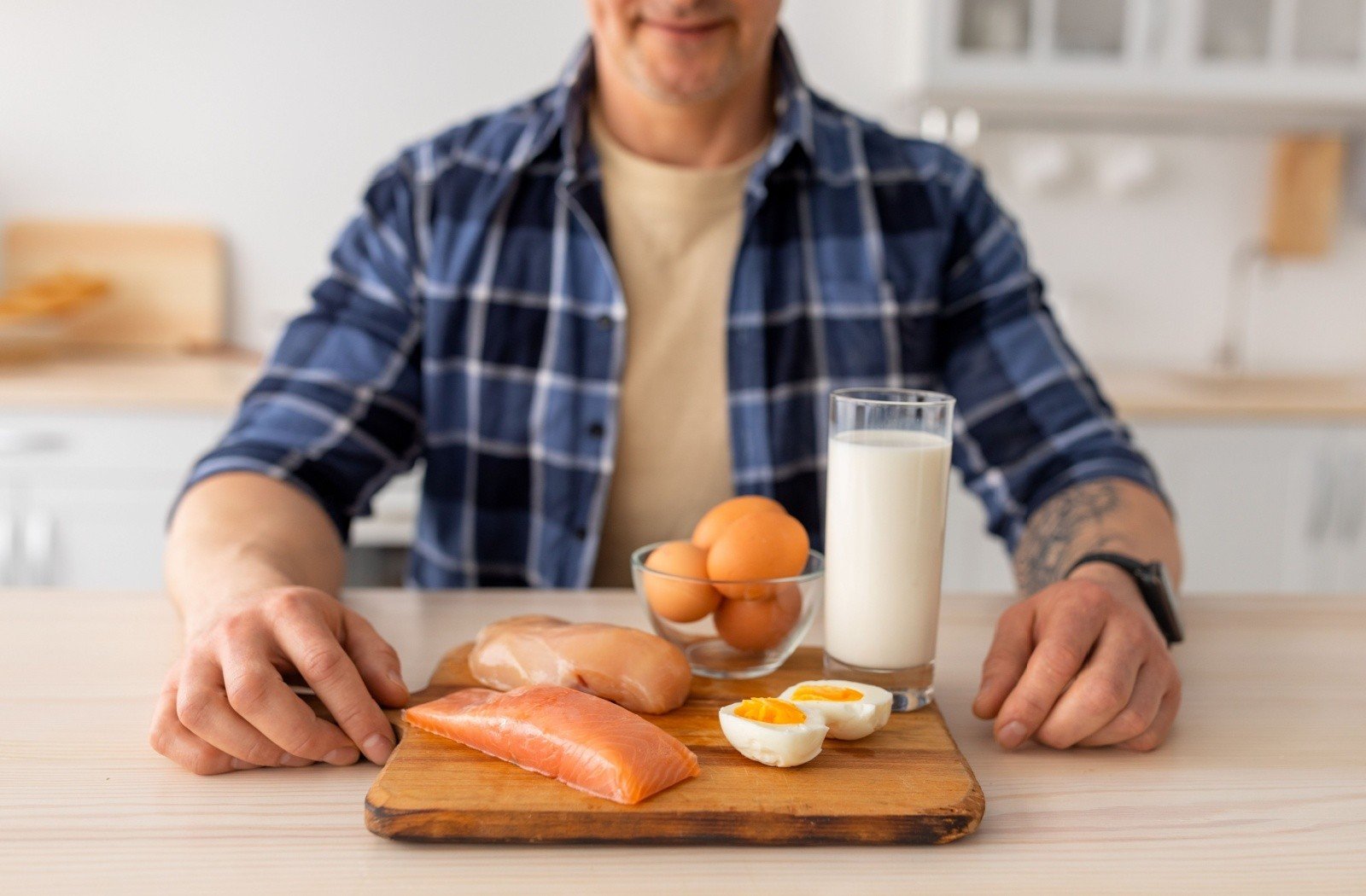
Starting your morning with a high-protein meal prevents the erratic blood sugar spikes that set the tone for your entire day. Carbohydrate-heavy breakfasts flood your bloodstream with glucose right when your insulin sensitivity is naturally lower.
Aim for at least thirty grams of protein from eggs, Greek yogurt, or quality meats within an hour of waking. This macronutrient shift stabilizes your hunger hormones, keeping ghrelin under control and preventing the mid-morning cravings that derail metabolic health.
2. Add Apple Cider Vinegar Before Meals

Consuming acetic acid before a carbohydrate-containing meal significantly flattens the resulting glucose curve. Research shows that vinegar slows down stomach emptying, which gives your body more time to process incoming sugars efficiently.
Stir one tablespoon into a glass of water and drink it ten minutes before your largest meal. The active compounds in vinegar also improve muscle glucose uptake, making your cells more receptive to insulin when food finally arrives.
3. Build Muscle Through Resistance Training

Muscle tissue acts as the primary sponge for clearing excess glucose from your bloodstream. When you lift weights or perform bodyweight resistance exercises, your muscle fibers pull glucose inside without even needing insulin.
Incorporate compound movements like squats, pushups, and deadlifts at least three times a week. Building active lean mass fundamentally alters your resting metabolic rate, giving your body a larger storage sink for daily carbohydrates.
4. Optimize Your Sleep Duration

Chronic sleep deprivation impairs your body’s ability to process glucose after just a few nights of poor rest. Sleep loss spikes cortisol and growth hormone levels, which directly antagonize insulin function and promote fat storage.
Aim for seven to nine hours of quality sleep in a cool, completely dark room every single night. Prioritizing rest allows your endocrine system to reset, restoring cellular sensitivity and clearing inflammatory markers.
5. Walk After Every Meal

A brief post-meal walk triggers muscular contractions that pull circulating glucose directly out of your blood. Studies indicate that just a ten- to fifteen-minute walk after eating can reduce peak blood sugar by up to thirty percent.
Lace up your shoes and step outside as soon as you finish eating. This simple movement bypasses the normal insulin response by using mechanical muscle action to clear sugar from circulation.
6. Cut Out Liquid Sugars Completely

Sugary sodas, sweetened teas, and fruit juices deliver a massive wave of fructose straight to your liver. This process bypasses normal satiety signals and rapidly promotes fat accumulation inside your liver cells, worsening insulin resistance.
Swap all liquid sugars for water, unsweetened herbal tea, or black coffee. Liquid carbohydrates enter your bloodstream instantaneously, overwhelming your pancreas and forcing massive insulin release.
| Habit or Food | Impact on Insulin Resistance | Best Alternative |
| Sugary Beverages | Extremely Negative | Sparkling water with lemon |
| Refined Flour Pasta | Negative | Chickpea or lentil pasta |
| Seed Oils | Moderate Negative | Extra virgin olive oil |
7. Increase Soluble Fiber Intake

Soluble fiber forms a gel-like matrix in your digestive tract that slows down the absorption of sugars and fats. This prevents the sharp insulin spikes that exhaust your pancreatic beta cells over time.
Load your plate with chia seeds, flaxseeds, Brussels sprouts, and lentils daily. These fibers also feed beneficial gut bacteria, which produce short-chain fatty acids that protect against systemic inflammation.
8. Manage Chronic Daily Stress

Persistent psychological stress floods your body with adrenaline and cortisol, hormones designed to mobilize stored energy for immediate survival. In modern life, this constant state of emergency keeps your blood sugar elevated and your cells resistant to insulin.
Practice daily breathwork, meditation, or journaling to lower your baseline stress. Breaking the stress cycle is just as important as diet when it comes to long-term metabolic repair.
9. Focus on Zone 2 Cardio

Low-intensity steady-state cardio, known as Zone 2 training, forces your cells to burn fat for fuel and improves mitochondrial health. This metabolic flexibility makes your body far more efficient at handling carbohydrates when you do eat them.
Engage in brisk walking, light cycling, or swimming for forty-five minutes most days of the week. Building a strong aerobic engine protects your vascular system and enhances overall cellular energy production.
10. Eliminate Refined Seed Oils

Industrial seed oils like soybean, corn, and canola oil promote systemic inflammation that interferes with normal cellular signaling. When inflammation runs high, insulin receptor sites become stiff and unresponsive.
Cook exclusively with stable fats like extra virgin olive oil, avocado oil, or butter. Swapping out processed oils reduces oxidative stress throughout your entire cardiovascular system.
11. Explore Intermittent Fasting Windows

Giving your digestive system extended periods without food allows your circulating insulin levels to drop to baseline. Low insulin levels signal your body to switch from storage mode to repair and cleanup mode.
Try a simple twelve- to sixteen-hour overnight fasting window, closing your kitchen after dinner. This scheduled break gives your metabolic machinery time to clear out cellular debris and improve receptor sensitivity.
12. Supplement with Magnesium
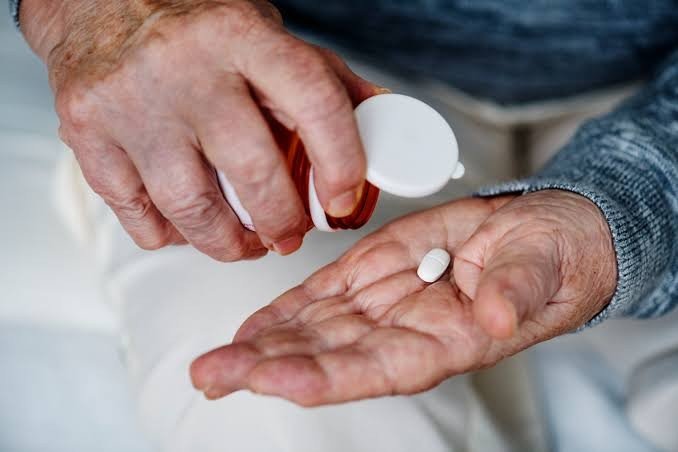
Magnesium is a vital cofactor in hundreds of enzymatic reactions, including the ones that regulate glucose metabolism. Many people with insulin resistance are deficient in this essential mineral due to modern agricultural depletion.
Discuss magnesium glycinate supplementation with your healthcare provider. Adequate magnesium levels help shuttle glucose into cells smoothly and support optimal nervous system function.
13. Eat Your Food in the Correct Order
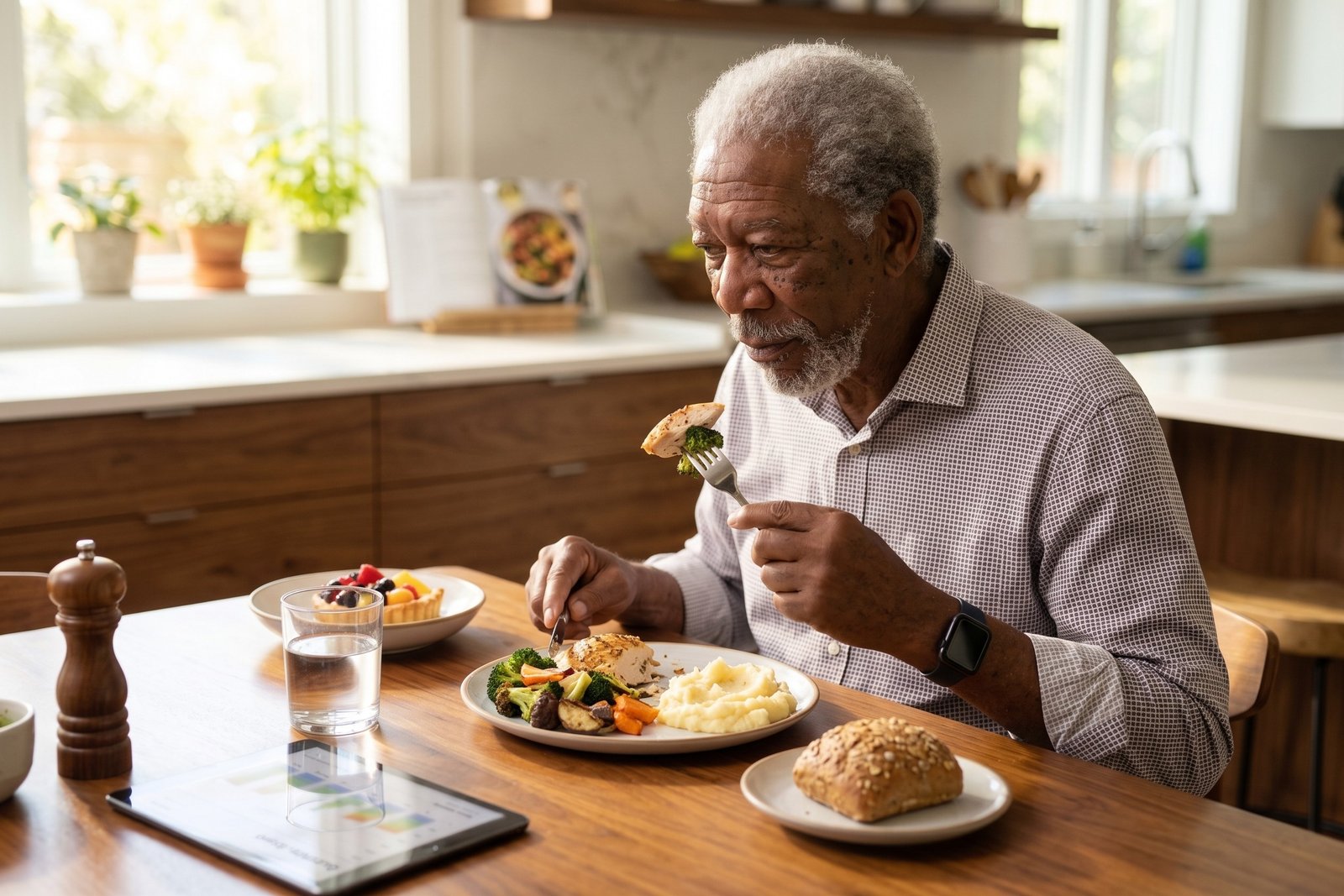
The order in which you eat macronutrients during a meal can drastically change your glucose response. Eating fiber and protein first, then starches and sugars last, creates a gut effect that slows sugar absorption.
Save your bread and dessert for the very end of the plate. This behavioral trick flattens your post-meal insulin curve without requiring you to change what is actually on your plate.
14. Increase Dietary Chromium
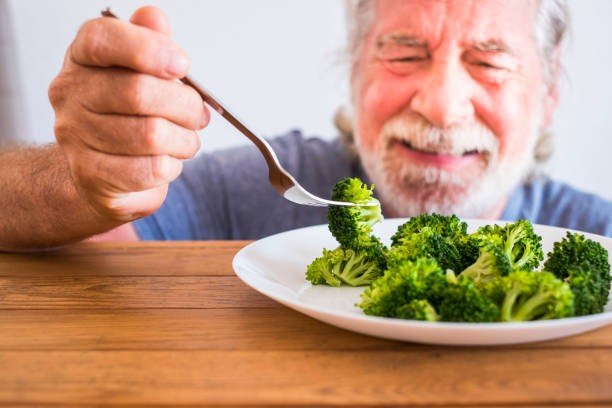
Chromium is a trace mineral that enhances the metabolic action of insulin, helping it unlock cellular receptors more efficiently. Foods rich in chromium include broccoli, green beans, and grass-fed beef.
Ensuring adequate intake supports smoother daily energy levels and prevents the afternoon crashes associated with poor glucose disposal.
15. Stay Consistently Hydrated

Dehydration triggers the release of vasopressin, a hormone that stimulates the liver to produce more glucose and conserve water. Proper hydration keeps your kidneys functioning optimally as they filter excess metabolites from your bloodstream.
Drink fluids steadily throughout the day rather than waiting until you feel thirsty. Good water balance maintains normal blood volume and supports optimal metabolic efficiency.
16. Limit Ultra-Processed Snacks
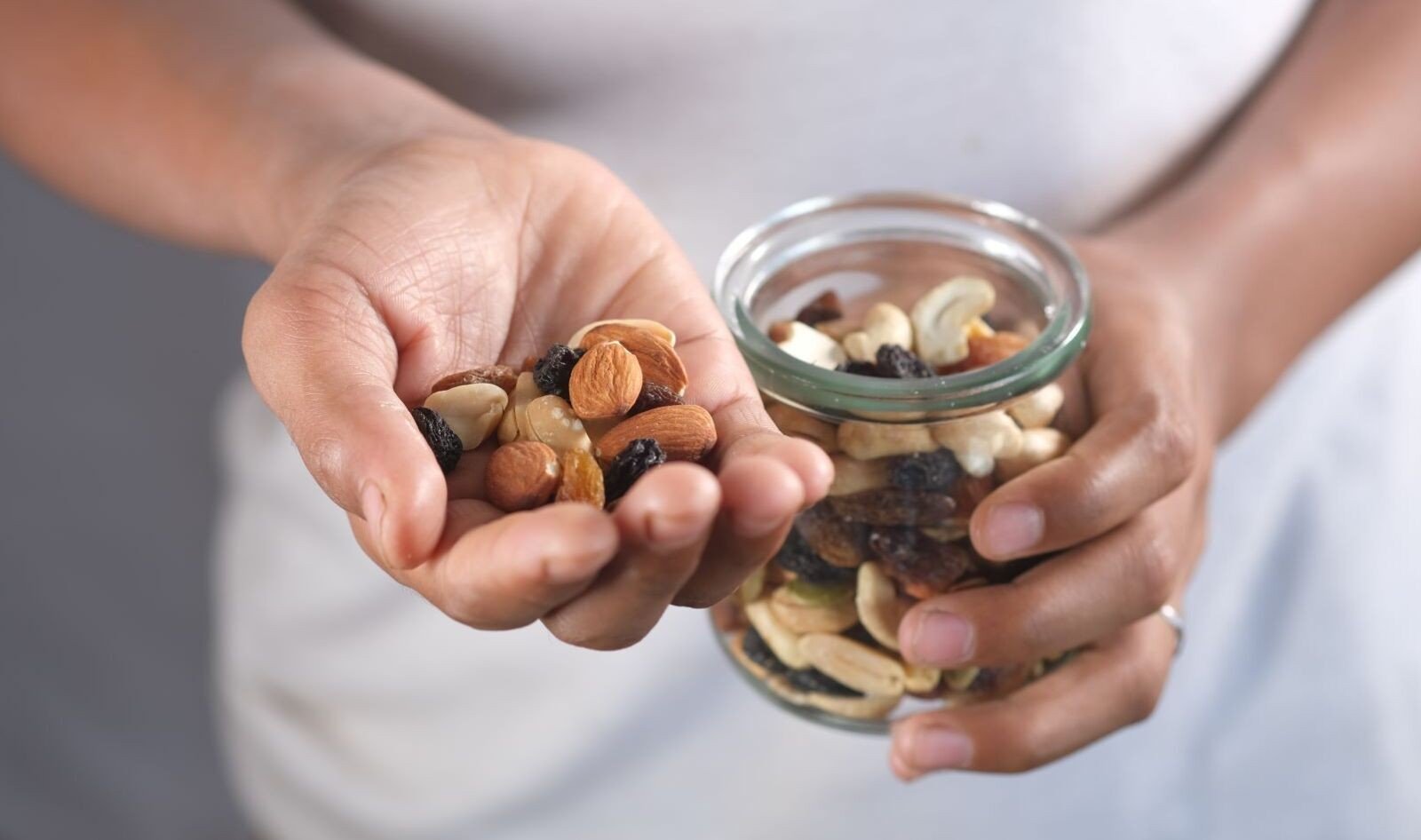
Packaged snack foods are engineered with refined flours, hidden sugars, and chemical additives that disrupt gut microbiota diversity. A healthy gut microbiome is essential for producing short-chain fatty acids that protect against insulin resistance.
Swap out chips and cookies for whole nuts, seeds, and fresh vegetables. Removing these inflammatory items helps restore normal gut barrier function.
17. Soak Up Morning Sunlight

Exposure to natural daylight within an hour of waking helps anchor your circadian rhythm and optimizes cortisol curves. A well-aligned circadian rhythm supports better glucose tolerance and nighttime melatonin production.
Step outside for ten minutes of morning light without sunglasses. Morning light exposure acts as a powerful biological cue that regulates your metabolic clock.
18. Avoid Late Night Eating

Eating large meals late at night conflicts with your body’s natural circadian decline in insulin sensitivity during evening hours. Late digestion leads to higher overnight glucose levels and disrupted restorative sleep architecture.
Try to finish your last meal at least three hours before going to bed. Giving your stomach time to empty before sleep improves overnight recovery markers.
19. Incorporate Polyphenol-Rich Foods

Polyphenols are powerful plant compounds that combat oxidative stress and improve insulin signaling pathways. Berries, dark chocolate, green tea, and extra virgin olive oil are packed with these protective molecules.
Add colorful plant foods to every single meal you eat. These compounds actively neutralize free radicals that damage delicate blood vessels.
20. Track Your Metrics Beyond the Scale

Relying solely on bathroom weight ignores critical improvements in body composition and metabolic health. Track your waist circumference, fasting blood glucose, and hemoglobin A1c levels every few months to measure true progress.
Seeing these internal markers improve provides the ultimate motivation to keep going. Comprehensive tracking ensures you catch positive changes that the scale fails to reveal.
When to See a Doctor

If you notice persistent symptoms like sudden dark patches of skin on your neck or armpits, chronic unquenchable thirst, frequent urination, or blurred vision, stop reading and schedule an appointment with your physician immediately.
These are classic red flags of advanced insulin resistance that require professional diagnostic testing and oversight.
