

Your usual breakfast, quick lunch, and evening snacks may add up to more ultra-processed food than you realize. Diets high in these foods have been linked to faster cognitive decline, although researchers have not proved they cause it.
The pattern is easy to miss when familiar foods keep filling your cart. These 20 practical swaps give you a place to start without rebuilding your whole diet.
The goal is to replace some frequent sources of added sugar, excess sodium, and refined starch with foods that offer more fiber and useful nutrients. These are choices for improving your overall eating pattern, not a list of foods proven individually to cause dementia.
What Ultra-Processed Food Research Actually Says About Your Brain
Ultra-processed foods are industrial formulations that often contain flavorings, emulsifiers, protein isolates, or other ingredients used to change texture and taste. Processing alone does not make a food unhealthy: frozen vegetables, canned beans, and plain yogurt can all support a nutritious diet.
The brain health concern comes largely from studies following people’s diets and cognitive performance over time. Researchers can adjust for factors such as age and smoking, but they cannot fully remove differences in income, health care access, exercise, and other habits.
| Research | Specific finding | What it cannot establish |
|---|---|---|
| Brazilian cohort of 10,775 adults, published online in 2022 | Over a median of eight years, intake above the lowest quarter was associated with a 28% faster rate of global cognitive decline | This does not mean a 28% loss of brain function or prove that the foods caused the decline |
| UK cohort of 72,083 adults, 2022 | Replacing 10 percentage points of dietary weight from ultra-processed foods with less processed foods was statistically associated with 19% lower dementia risk | The replacement was modeled, not tested in a randomized experiment |
| NIH feeding trial of 20 adults, 2019 | Participants ate about 500 more calories daily on the ultra-processed diet during two weeks of unrestricted eating | The trial tested eating and weight changes, not dementia or memory |
These findings support paying attention to dietary patterns, while leaving important questions unanswered. The studies used different measurements, so their percentages should not be treated as interchangeable targets.
Several pathways may help explain the associations. Diets high in sodium can raise blood pressure, while patterns that encourage excess calorie intake can contribute to metabolic problems that also affect brain health.
Inflammation, changes in gut microbes, and effects on blood vessels are additional proposed mechanisms. However, claims that a particular emulsifier or food dye causes dementia in humans go beyond what this research establishes.
20 Everyday Foods Worth Swapping Out
Use these options to spot repeat purchases, not to grade every meal. Recipes vary, and a packaged product can still provide useful protein, fiber, or fortified nutrients.
1. Sugary Breakfast Cereal
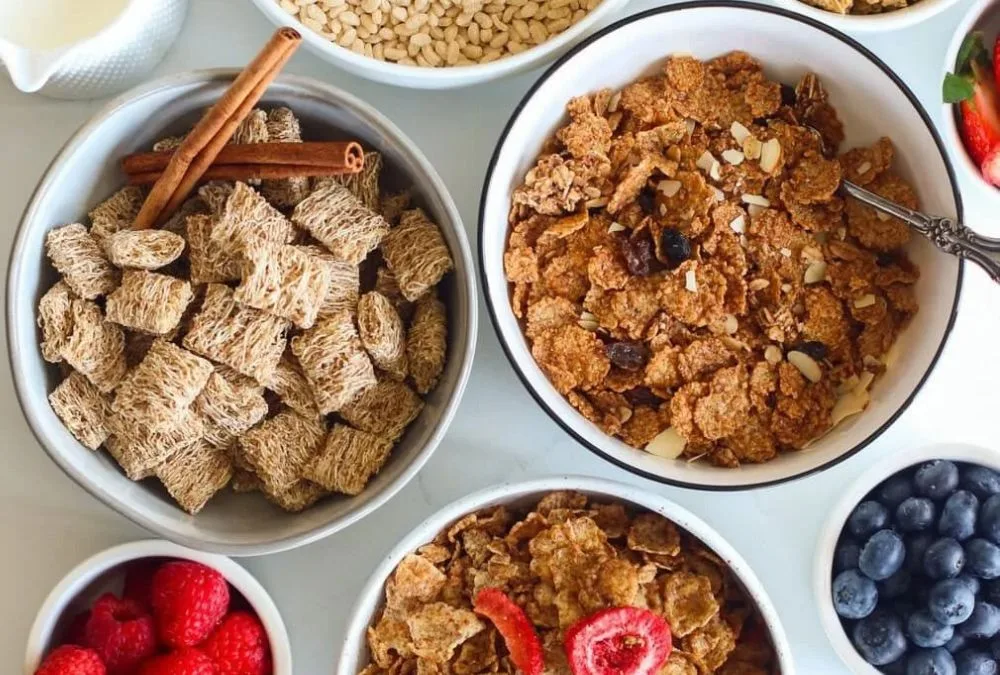
Some sweetened cereals deliver substantial added sugar before the rest of breakfast even begins. A bowl with little fiber may also leave you less satisfied than a meal built around whole grains and protein.
Try plain oats with milk or an unsweetened fortified alternative, plus a handful of berries. If cereal is your easiest breakfast, compare equal portions and choose one with whole grains, more fiber, and less added sugar rather than rejecting the entire aisle.
2. Flavored Instant Oatmeal Packets
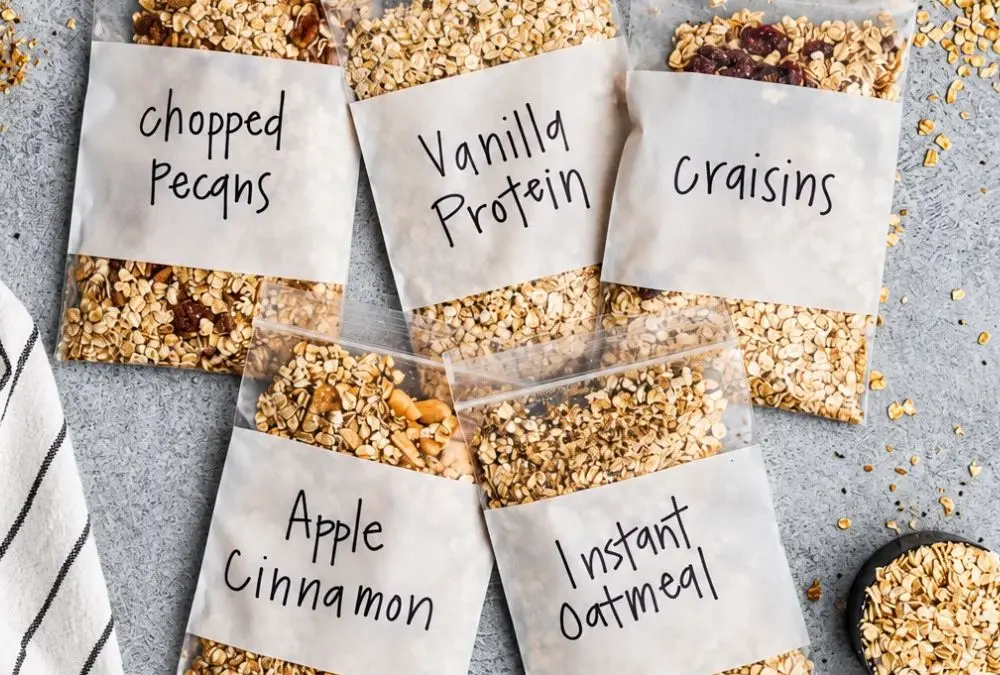
Oats are a useful whole grain, but sweetened packets can add sugars that plain oats do not contain. The concern is the formulation, not the fact that the oats cook quickly.
Buy plain instant or rolled oats and add cinnamon, chopped apple, or thawed frozen berries. Compare added sugar per serving, because a packet and a serving from a large container may contain different amounts of food.
3. Packaged Breakfast Pastries

A packaged pastry can combine refined flour, added sugar, and saturated fat while offering relatively little fiber. When it regularly replaces a fuller breakfast, you also miss a chance to eat fruit, whole grains, or another nutrient-rich food.
Try whole grain toast with peanut butter and sliced banana. Choose peanut butter made mainly from peanuts, and compare bread labels for fiber rather than relying on brown coloring or the word “multigrain.”
4. Sweetened Fruit Yogurt

Yogurt can provide protein and calcium, but some flavored varieties also contain considerable added sugar. Naturally occurring lactose belongs under total sugar, so that number alone cannot tell you how much sweetener was added.
Choose plain yogurt and stir in fruit yourself. Frozen berries are a convenient option, and plain Greek yogurt can provide a higher protein alternative, depending on the product.
5. Sugary Granola and Snack Bars
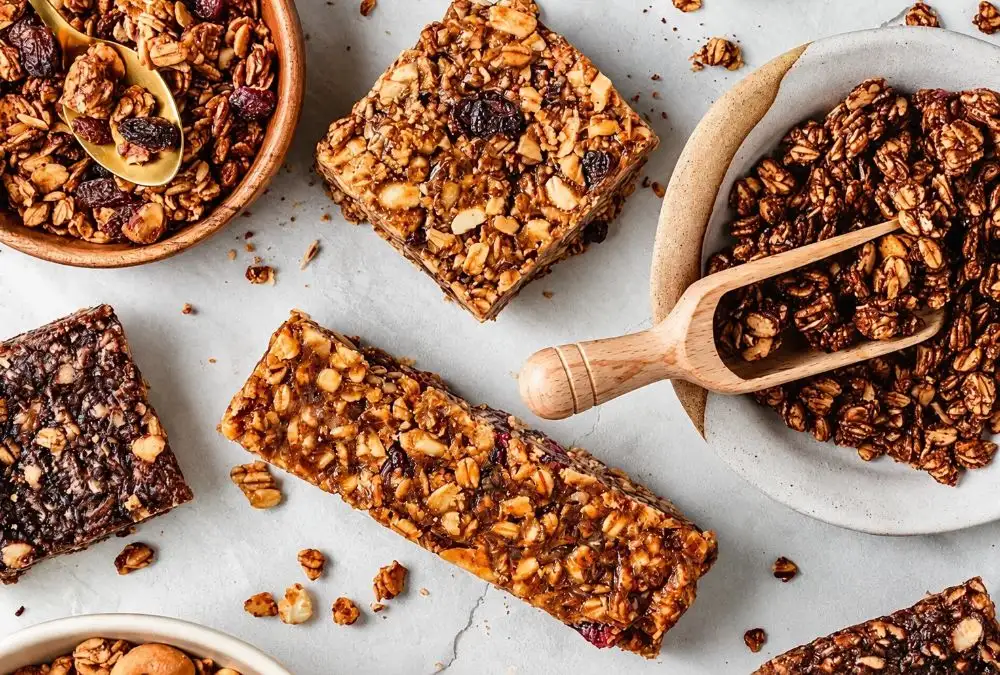
A bar marketed with oats, honey, or a fitness label can still function more like a sweet snack. Honey and syrups count as added sugars, even when the packaging makes them sound more wholesome.
For an everyday alternative, pack a small handful of unsalted nuts and a piece of fruit. If bars help you eat during a busy day, compare their fiber, protein, and added sugar instead of assuming every bar has the same nutritional value.
6. Regular Soda

Sugary soda supplies added sugar without the fiber found in whole fruit. Repeatedly drinking extra calories can make it harder to meet nutrient needs while staying within your energy needs.
Replace one daily serving with plain sparkling water, chilled water with citrus, or unsweetened tea. If you currently drink several servings, start with the one you would miss least and build from there.
7. Fruit Punch and Sweetened Fruit Drinks

Fruit pictures do not guarantee that a drink has the nutritional qualities of whole fruit. Sweetened fruit drinks can contribute added sugar while providing little or no fiber.
Try water alongside an orange, apple, or other whole fruit. Also distinguish fruit drinks from 100% juice: juice is a different product, although whole fruit generally provides more fiber.
8. Sweetened Bottled Coffee

Some bottled coffees combine coffee with syrups, sugar, and creamy ingredients that make the drink closer to dessert. The useful comparison is not simply coffee versus no coffee, but the amount of added sugar in your usual bottle.
Try unsweetened coffee with milk and gradually reduce any sugar you add. Check the serving size too, since the amount you drink determines the nutrients you actually consume.
9. Sugary Energy Drinks

Energy drinks can combine added sugar with caffeine, and their nutritional profiles vary widely. Choosing a sugar-free version lowers sugar intake, but does not automatically address whether the caffeine amount suits you.
For routine hydration, choose water rather than an energy drink. If you want caffeine, compare the stated amount and choose an unsweetened drink in a portion you tolerate comfortably.
10. Hot Dogs

Hot dogs are a common example of heavily processed meat and can contribute substantial sodium. Excess sodium can raise blood pressure, making it relevant to the blood vessels that supply the brain.
Replace some hot dog meals with a bean-filled sandwich, egg sandwich, or home-cooked chicken. A vegetarian hot dog is not automatically a lower sodium option, so compare labels before choosing it as your regular replacement.
Make the Swap Fit the Meal You Already Eat
A replacement is more useful when it meets the same need as the original. Think about whether you want something crunchy, portable, filling, or ready in minutes.
| What you need | Convenient replacement | Nutritional feature to look for |
|---|---|---|
| A portable breakfast | Plain yogurt, oats, and fruit prepared the night before | Protein plus whole grains |
| A crunchy snack | Unsalted nuts or plain popcorn | Fiber, with less sodium than heavily salted versions |
| A quick sandwich filling | Mashed beans or home-cooked poultry | Protein with control over added salt |
| A fast dinner | Plain frozen vegetables, beans, and microwaveable plain brown rice | Vegetables, fiber, and whole grains |
| Something sweet after dinner | Fruit with plain yogurt | Fruit plus protein and calcium |
These combinations follow food groups recommended in healthy eating guidance, including whole grains, fruit, vegetables, legumes, nuts, and suitable protein sources. Their benefit comes from the overall nutritional change, not from a proven immediate effect on memory.
Food choices need to fit your medical needs. Kidney disease, food allergies, swallowing problems, and some digestive conditions can change which swaps are suitable, so ask your clinician or registered dietitian for individualized advice.
11. Bacon and Breakfast Sausage

Bacon and sausage can make processed meat a daily habit rather than an occasional food. Research on processed red meat has linked higher intake with greater dementia risk, although this remains observational evidence.
Try eggs with vegetables, beans on toast, or plain yogurt with oats on several mornings each week. Turkey bacon and poultry sausage still require a label check, especially for sodium.
12. Deli Meat Sandwiches

Deli meat can turn a convenient lunch into a frequent source of sodium. A “lean” label describes only part of its nutritional profile and does not necessarily mean the product is low in salt.
Use leftover home-cooked poultry, mashed chickpeas, or egg as the filling sometimes. Keep the familiar bread and vegetables if that makes the change easier, and compare sodium across the full sandwich rather than one ingredient alone.
13. Chicken Nuggets

Many nuggets combine processed meat with breading, added fat, salt, and flavorings. Their nutritional value depends on the recipe and preparation method, so nuggets are not all identical.
For a simple replacement, bake chicken strips and serve them with frozen vegetables and a whole grain. If packaged nuggets remain a practical option, compare sodium and protein, then improve the rest of the plate.
14. Instant Noodle Meals

Instant noodle meals can deliver a large sodium load, particularly when you use the full seasoning packet and drink the broth. The noodles alone may also provide little fiber or protein.
Try plain noodles with frozen vegetables, an egg or tofu, and a modest amount of seasoning. Using less of the packet can reduce seasoning-derived sodium, although some sodium may already be present in the noodles.
15. Frozen Pizza Loaded With Processed Meat

Pizza topped with sausage or pepperoni can combine several sodium sources, including meat, cheese, crust, and sauce. Repeated large portions may also crowd vegetables and other fiber-rich foods out of your meals.
Try a simpler pizza with vegetables and less processed meat, or build one on a suitable whole grain base. Frozen food itself is not the problem, so judge the ingredients, serving size, and nutrition label rather than the freezer location.
16. Low Fiber Ready Meals
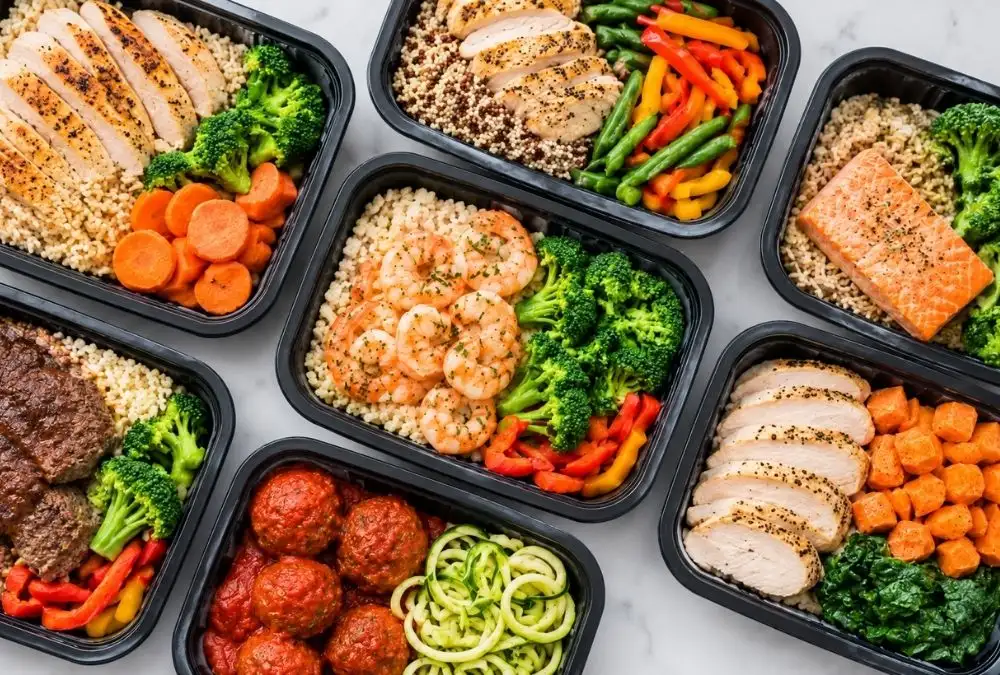
Some ready meals are heavy on refined starch and sauce but light on vegetables and fiber. Others provide a useful balanced meal, especially when cooking is difficult.
Compare options for vegetables, protein, fiber, and sodium, then add a serving of plain frozen vegetables if needed. A ready meal you can reliably prepare may be more useful than an ambitious replacement you rarely eat.
17. Heavily Salted Flavored Chips
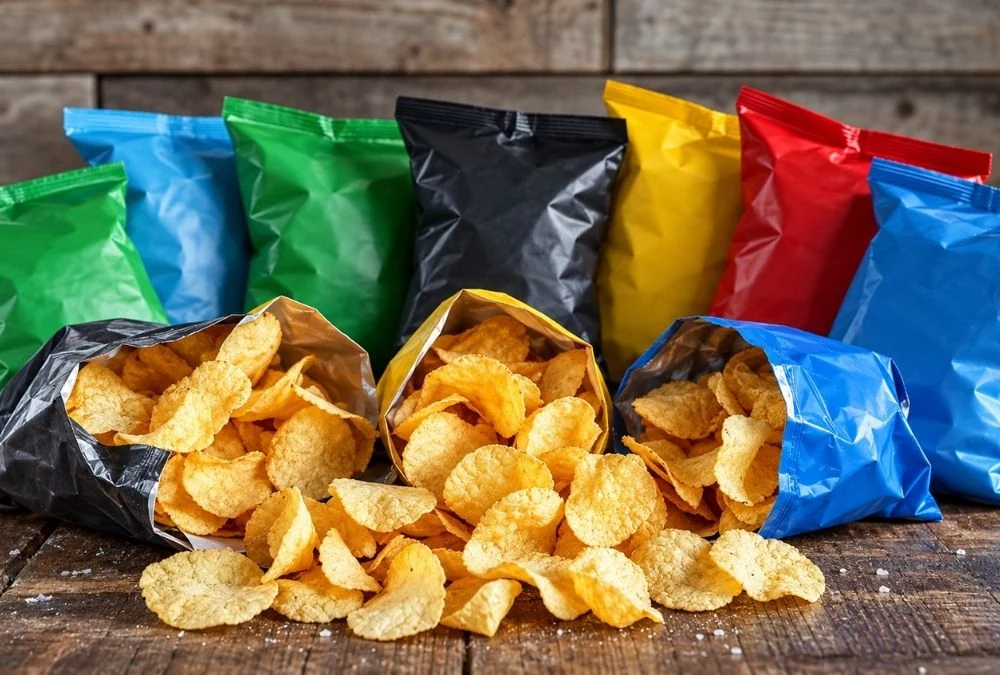
Flavored chips can be easy to eat quickly and may contribute substantial sodium without much protein. The NIH feeding trial found faster eating and higher calorie intake on its ultra-processed menu, although it did not isolate chips as the cause.
Try plain popcorn with your own seasoning or a small handful of unsalted nuts. Put your chosen snack in a bowl so the portion is visible, rather than eating directly from a large bag.
18. Refined Crackers With Little Fiber
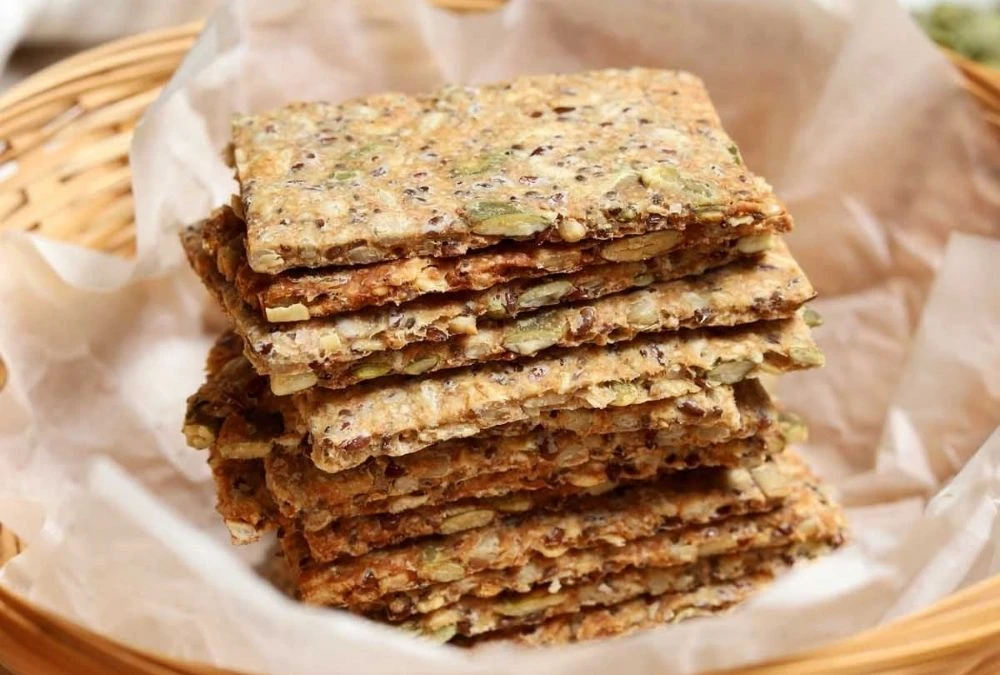
Crackers can seem like a light choice while providing mostly refined starch and salt. When they replace a more complete snack, they may offer little protein or fiber to help make it satisfying.
Choose crackers with whole-grain ingredients and more fiber, then add hummus or another suitable protein source. Compare equal serving sizes, because a smaller listed portion can make one product appear lower in sodium than another.
19. Packaged Cookies and Snack Cakes

Packaged cookies and cakes commonly contain added sugar, refined flour, and fat. An occasional dessert is different from relying on them whenever hunger appears between meals.
For your routine snack, try fruit with plain yogurt or nuts, while keeping desserts as foods you choose intentionally. Homemade cookies can still contain plenty of sugar and saturated fat, so baking at home does not automatically change the nutritional picture.
20. Ice Cream as the Automatic Nightly Snack

Many ice creams contain added sugar and saturated fat, although formulations and portions vary. The practical issue is how often that serving replaces other foods or adds calories beyond what you need.
On some evenings, try plain yogurt with berries or frozen banana blended with a little milk. These swaps can add fruit or protein, but they are not treatments for memory loss and do not need to replace every dessert.
The Label Numbers That Make Shopping Easier

An unfamiliar ingredient name does not tell you everything about a food’s health value. Read the ingredient list alongside the Nutrition Facts panel, and compare the amount you actually plan to eat.
The FDA uses 5% Daily Value or less as a low amount and 20% or more as a high amount per serving. Daily Values are general label references, not a personalized prescription.
| Label feature | Useful reference | How to use it |
|---|---|---|
| Added sugar | Daily Value: 50 grams | Prefer less when comparing similar foods |
| Sodium | Daily Value: 2,300 milligrams | Compare soups, noodles, meats, sauces, and complete meals |
| Fiber | Daily Value: 28 grams | Look for more in comparable cereals, breads, and snacks |
| Serving size | Nutrients are usually listed per serving | Adjust the numbers if you eat two servings |
These figures help compare products, but there is no single label number that predicts dementia risk. Consider the whole meal and your usual pattern across the week.
Try This Today
- Pick one food or drink you buy most weeks.
- Compare two alternatives using the same serving size.
- Buy one realistic replacement, not a cart full of unfamiliar foods.
- Keep a backup meal of plain frozen vegetables, beans, and a convenient whole grain.
- Repeat the swap for a week before deciding what to change next.
What These Changes Can and Cannot Promise

A healthier eating pattern can support cardiovascular and metabolic health, both relevant to healthy brain aging. It cannot guarantee that you will avoid dementia or produce a predictable memory improvement within a few weeks.
That distinction matters because observational findings do not always translate into clear trial results. In a three-year randomized trial of 604 older adults, a MIND diet with mild calorie restriction did not significantly outperform a control diet with mild calorie restriction on cognition or brain imaging outcomes.
Start with a repeated purchase that is easy to change, then build meals around foods you enjoy and can afford. Fewer sugary drinks, less frequent processed meat, and more whole grains, vegetables, beans, and nuts offer a practical direction without requiring a perfect diet.
