
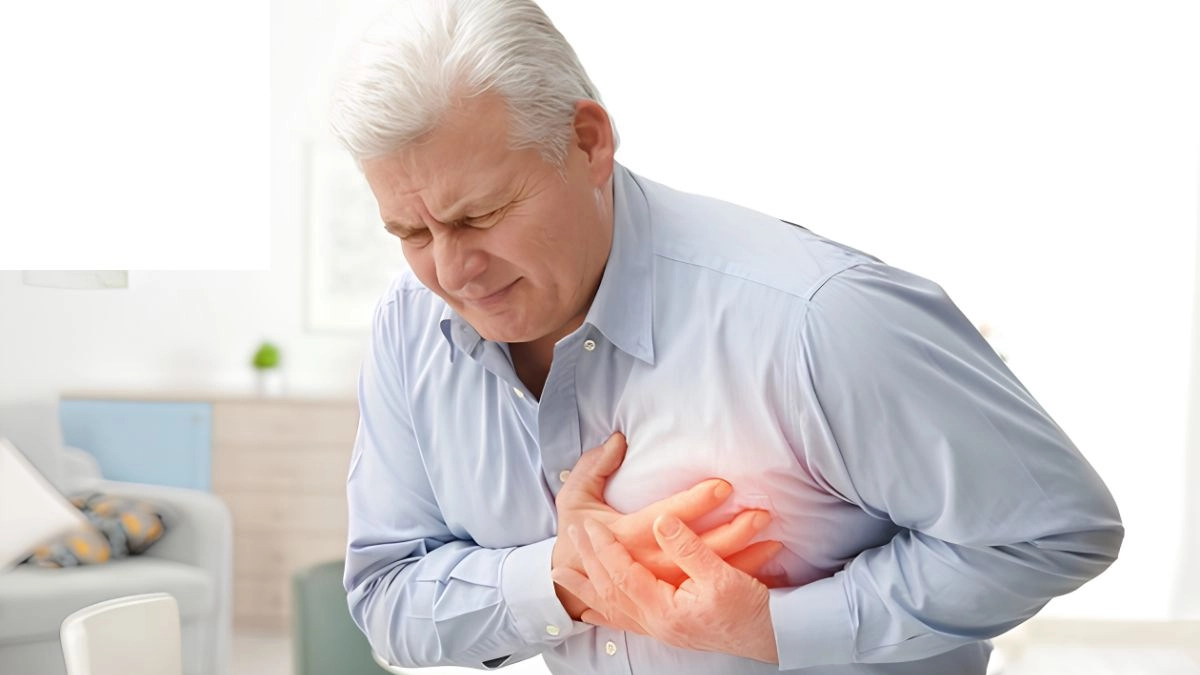
You are over 50, and your sleep is constantly interrupted by annoying issues like bathroom trips or weird aches. You probably blame getting older or drinking too much water before bed. But ignoring these nighttime disruptions can allow hidden cardiovascular damage to quietly progress until it becomes an emergency.
Turns out specific signs are happening while you rest that reveal exactly how your heart is functioning. Your circulatory system does not sleep when you do. When you lie flat, gravity stops pulling blood down into your legs. Your heart has to adjust to this massive fluid shift immediately.
A struggling heart cannot handle the extra volume. The resulting pressure changes cause a cascade of strange symptoms that peak in the middle of the night. These are the 18 nighttime symptoms you should never ignore.
1. Shortness of Breath When Lying Flat
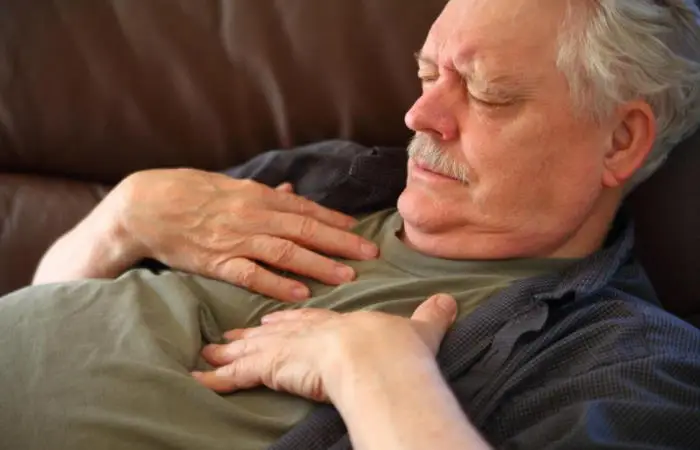
You lie down and suddenly feel like you cannot get enough air. This condition is known medically as orthopnea. It happens because a weakened left ventricle cannot pump out the blood fast enough.
Fluid then backs up into your lungs, making it physically harder to expand them. If you find yourself needing two or three pillows to breathe comfortably, your heart is struggling. Talk to a cardiologist about an echocardiogram.
2. Waking Up Gasping for Air
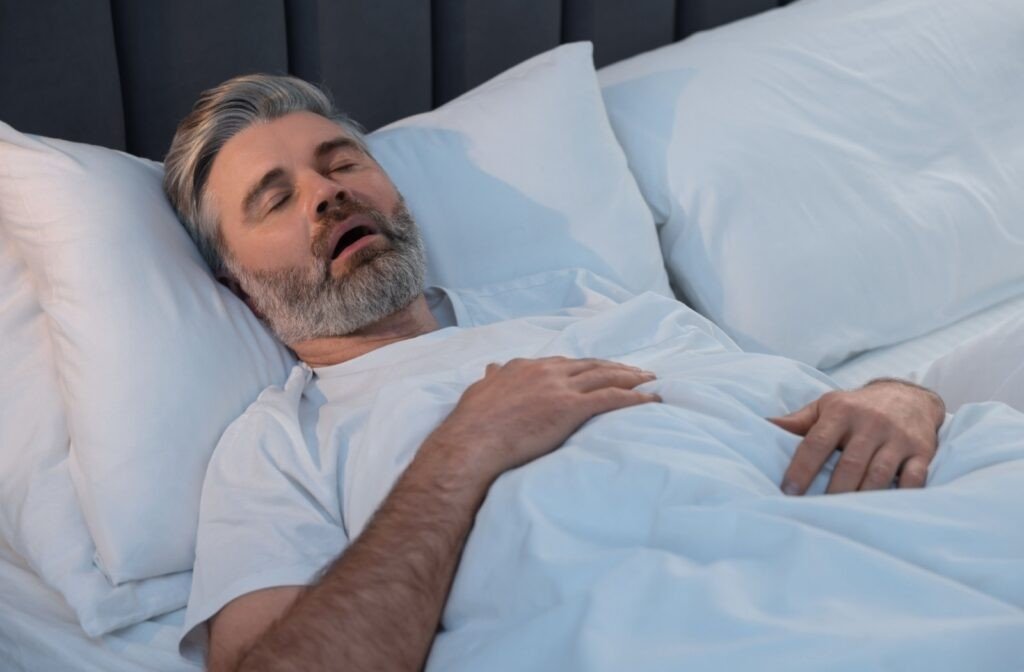
This is different from standard shortness of breath. You fall asleep fine but wake up an hour later feeling like you are drowning. Doctors call this paroxysmal nocturnal dyspnea.
The fluid overload in your lungs triggers your respiratory center in a panic response. Your body forces you awake to sit up and clear the fluid. This is a classic hallmark of congestive heart failure that requires immediate medical evaluation.
3. A Persistent Nighttime Cough
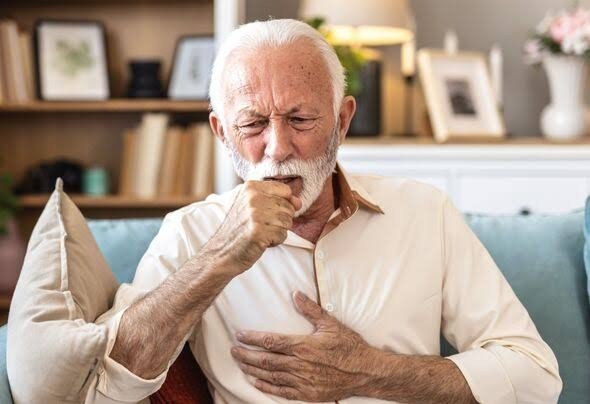
A cough that only seems to strike when you hit the pillow is highly suspicious. It is often mistaken for allergies or simple postnasal drip. In reality, it is often cardiac asthma caused by fluid pooling in the tiny air sacs of your lungs.
Pay close attention to what you cough up. A dry hack or a cough producing pink, frothy mucus is a major cardiovascular red flag. Mention this specific detail to your doctor immediately.
4. Waking Up Multiple Times to Pee
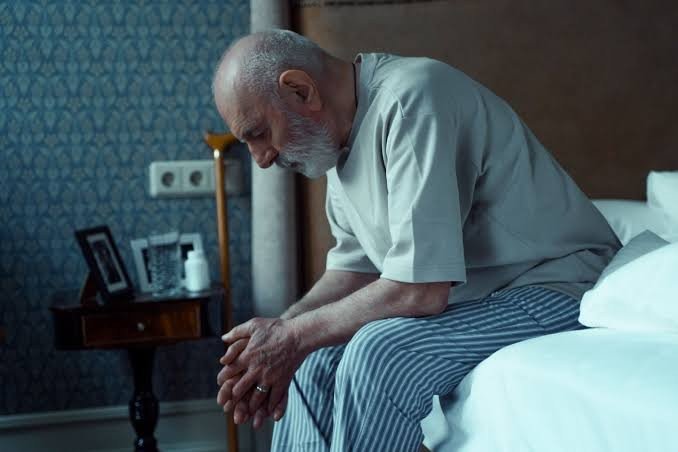
You likely think your bladder is just getting weak as you age. But frequent nighttime urination is intimately linked to heart function. When your heart is weak, it fails to pump blood efficiently all day, causing fluid to pool in your legs and ankles.
When you lie flat at night, gravity is no longer fighting your circulation. That trapped fluid rushes back into your bloodstream. Your kidneys suddenly process all this extra fluid and fill your bladder repeatedly. Elevating your legs a few hours before bed can help shift this fluid earlier in the day.
5. Racing Pulse or Palpitations
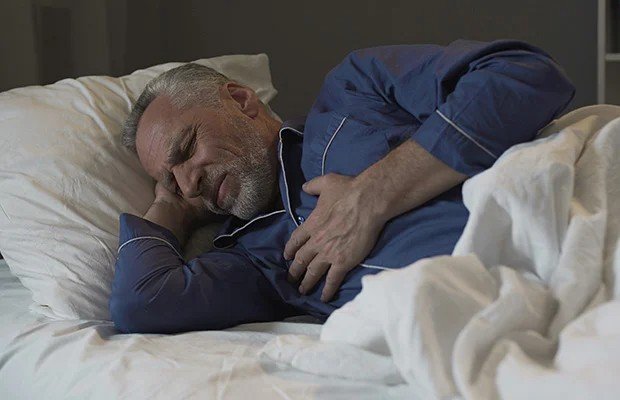
You wake up and feel your heart hammering against your ribs. Sometimes it feels like a flutter or a skipped beat. While anxiety can cause this, it is frequently a sign of an arrhythmia like atrial fibrillation.
Your heart rate should naturally drop during deep sleep. A sudden spike means the electrical signals are misfiring. Track your pulse when this happens and share the exact numbers with your healthcare provider.
6. Unexplained Sweating
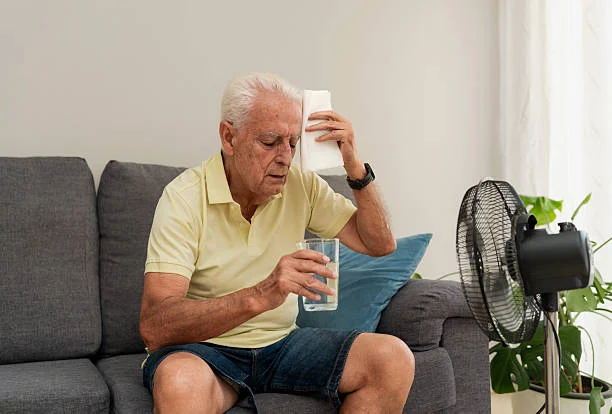
We are not talking about a warm bedroom or menopause flashes. Cardiac night sweats leave your pajamas completely drenched. This happens because your body is pumping massive amounts of adrenaline to force a struggling heart to beat harder.
This extreme sympathetic nervous system response can be a precursor to a heart attack. If the sweating is accompanied by any chest discomfort, treat it as an emergency.
7. Heavy Pressure in the Chest
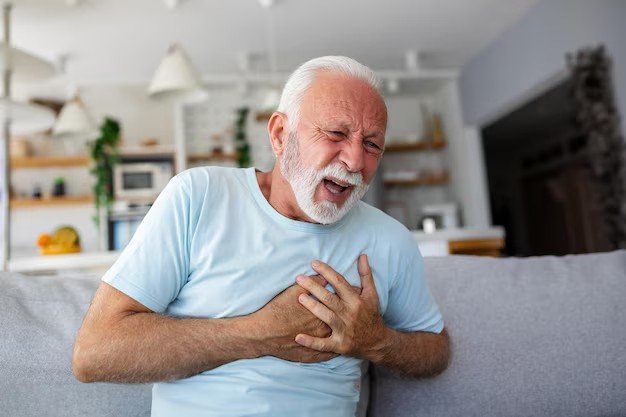
Nighttime angina is a type of chest pain that strikes while you are completely at rest. You might feel a squeezing sensation or a heavy weight sitting on your sternum. This means your coronary arteries are narrowed, and your heart muscle is starving for oxygen.
Resting should reduce the oxygen demand on your heart. Pain that happens without physical exertion means the blockages are significant. Never try to sleep through this type of pressure.
8. Pain Aching in Your Calves

You are drifting off, and a deep ache starts in your lower legs. This is a common symptom of Peripheral Artery Disease. Plaque buildup narrows the arteries supplying blood to your lower half.
When your heart slows down for sleep, the reduced blood pressure cannot push enough oxygen past those blockages. The starved muscles begin to cramp and ache intensely. Dangle your legs off the side of the bed to let gravity help pull blood down to your feet.
9. Swollen Feet Taking Off Your Socks
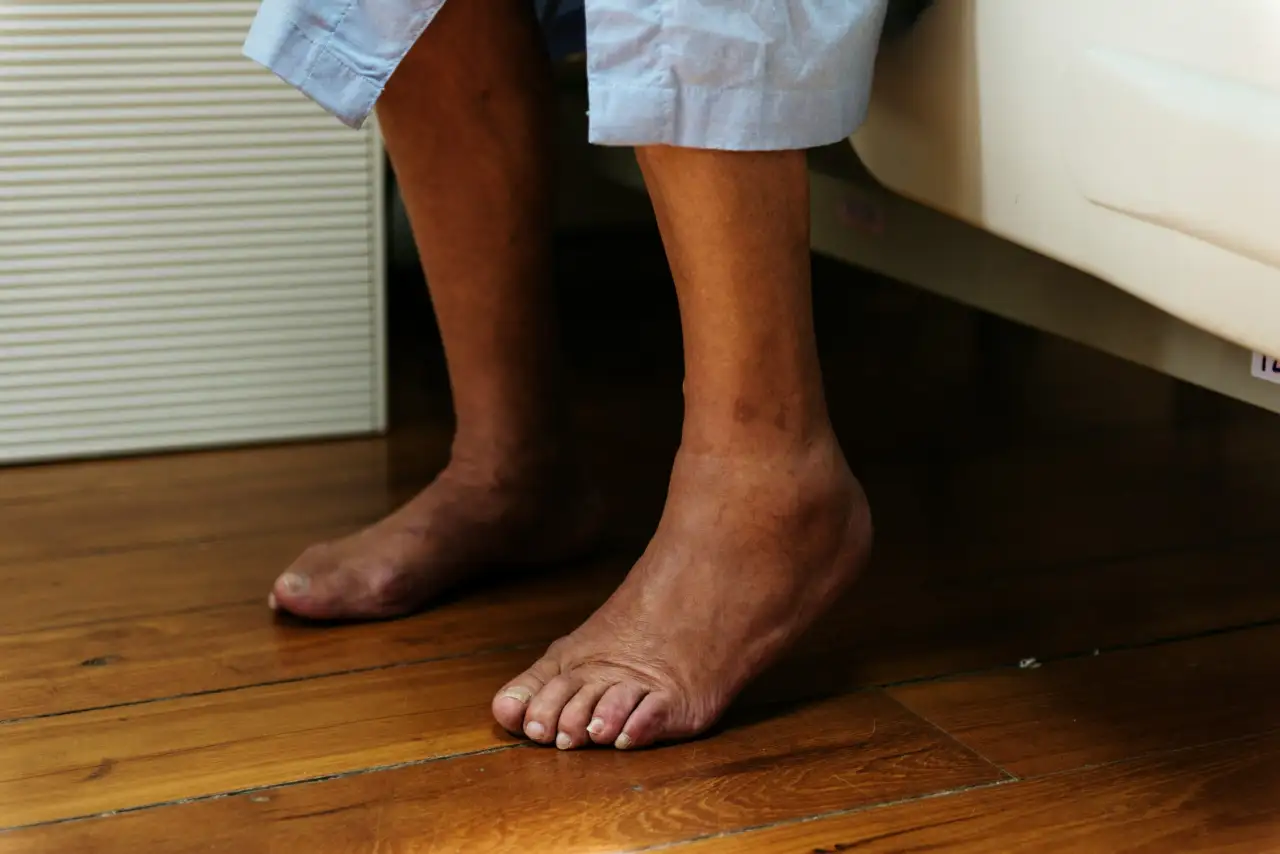
You take your socks off at night and see deep indentations left in your skin. This pitting edema means your heart is failing to circulate blood efficiently against gravity during the day.
The fluid leaks out of your tiny blood vessels and gets trapped in the surrounding tissue. If the swelling extends past your ankles and up to your shins, your heart is under severe strain.
10. Intense Indigestion That Will Not Stop

You might assume you just ate your dinner too late. However, the nerves supplying your heart and your stomach share similar pathways to your brain. A heart struggling for oxygen can easily mimic severe heartburn.
This atypical symptom is especially common in women over 50. If antacids do nothing to relieve the burning sensation, your heart might be the actual culprit.
11. Dizziness When Getting Out of Bed
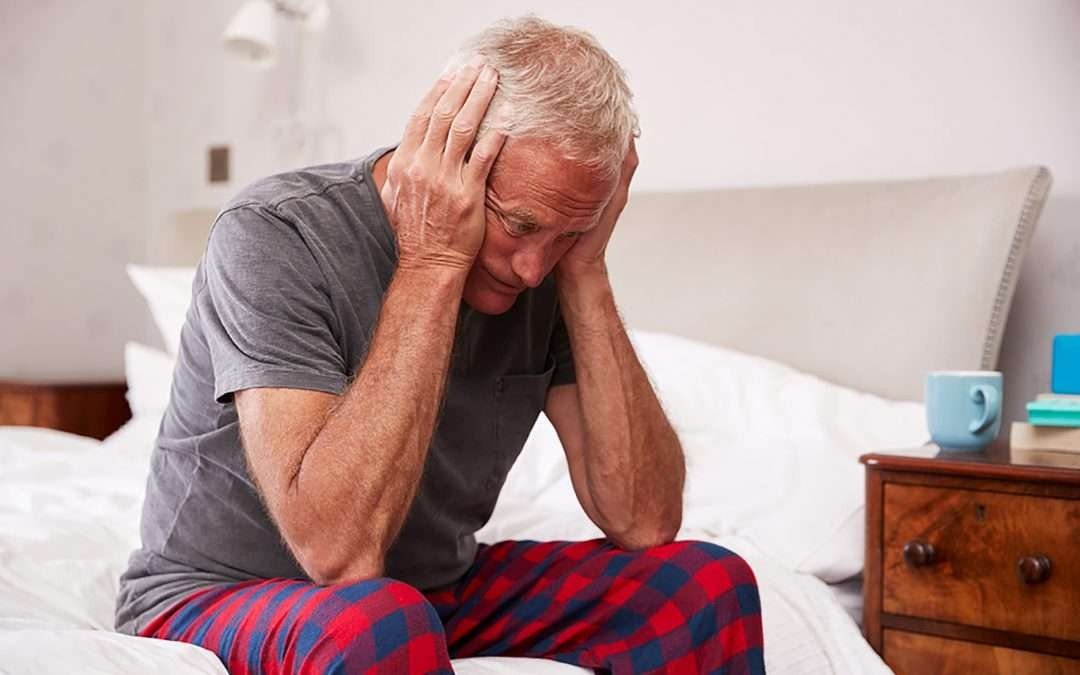
You stand up to use the bathroom and the room suddenly spins. This is called orthostatic hypotension. Your blood pressure drops rapidly because your cardiovascular system cannot adjust to the posture change fast enough.
A healthy vascular system tightens vessels instantly when you stand. If your heart is weak or your arteries are stiff, the blood drains from your head and leaves you dizzy. Sit on the edge of the bed for a full 60 seconds before standing up.
12. Restless Leg Sensations

That crawling and itchy feeling in your legs keeps you tossing and turning. While often linked to iron deficiency, recent vascular studies show a strong connection to poor circulation.
Restricted blood flow damages the tiny peripheral nerves in your legs. This nerve damage causes those unbearable nighttime urges to move. Improving your daily cardiovascular exercise can often quiet these symptoms.
13. Waking Up With a Headache
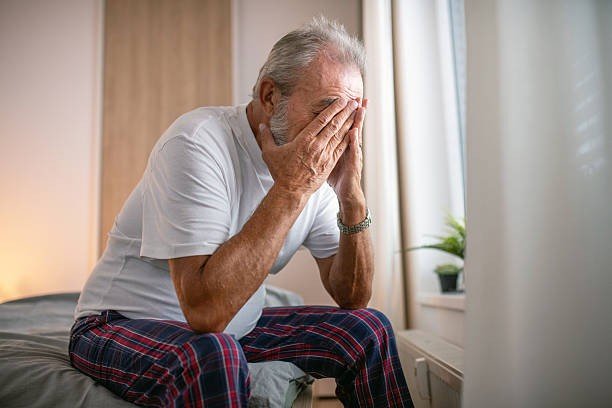
You open your eyes, and your head is pounding. Morning headaches are a massive red flag for untreated sleep apnea. Sleep apnea causes your airway to collapse, halting your breathing dozens of times an hour.
Every time you stop breathing, your oxygen levels plummet, and your blood pressure spikes violently. This deprives your brain of oxygen and leaves you with a dull throb. Left untreated, this condition heavily increases your risk of a stroke.
| Bedtime Habit | How It Affects Your Heart | Best Practice |
| Heavy meals late | Diverts blood flow to digestion, straining the heart. | Finish eating 3 hours before sleep. |
| Alcohol cap | Raises resting heart rate and triggers arrhythmias. | Swap for magnesium-rich herbal tea. |
| Doom scrolling | Spikes cortisol and blood pressure. | Read a physical book to lower heart rate. |
14. Extreme Unexplained Fatigue

You sleep for eight hours but wake up feeling like you ran a marathon. A failing heart diverts available oxygenated blood away from less vital tissues to protect your brain and core organs.
This leaves your skeletal muscles completely starved of energy. No amount of sleep will fix this specific type of fatigue. Your doctor needs to check your ejection fraction to see how much blood your heart actually pumps per beat.
15. Cold and Clammy Skin
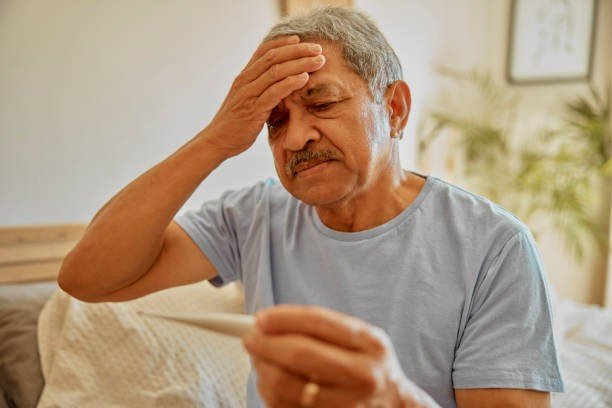
You wake up feeling a cold sweat, yet your skin feels clammy and pale to the touch. This indicates a severe drop in blood output from your heart. Your body restricts surface blood flow to preserve your core temperature.
When this happens without a fever, it is a sign of acute cardiovascular distress. It often accompanies silent heart attacks in older adults.
16. Pain Radiating to the Jaw or Neck
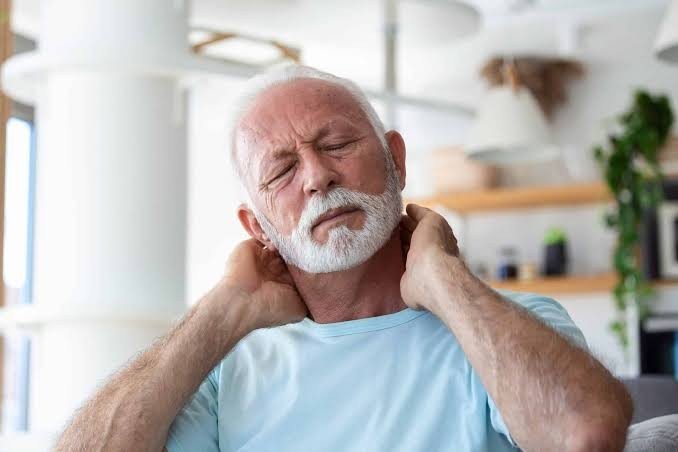
You wake up with a strange stiffness or aching pain in your lower jaw. The vagus nerve connects your heart to your jaw, neck, and left arm. When the heart muscle is damaged, the pain signals travel up these shared nerve pathways.
Many people go to the dentist thinking they grind their teeth at night. If the pain feels more like a dull ache than a sharp tooth issue, get an electrocardiogram right away.
17. Unexplained Nausea During the Night
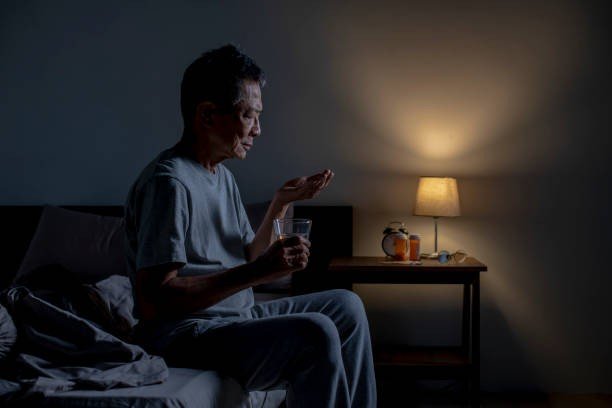
You wake up feeling violently sick to your stomach without any obvious cause. Right-sided heart failure causes fluid to back up directly into your liver and digestive tract.
This congestion physically swells your organs and causes severe nausea. If you also notice tenderness in your upper right abdomen, your cardiovascular system needs immediate medical attention.
18. A Feeling of Impending Doom

You wake up with an intense wave of panic and a feeling that something is terribly wrong. Your body is incredibly smart and can sense microscopic changes in blood chemistry and oxygen levels.
This symptom is widely documented by emergency room doctors right before cardiac events. Trust your gut. If your body wakes you up terrified, do not brush it off as a bad dream.
When To See A Doctor Immediately

- Chest pressure that radiates to your arm or jaw.
- Sudden shortness of breath that does not improve when you sit up.
- Dizziness combined with a fainting spell in the middle of the night.
- Cold sweats accompanying a rapid, irregular heartbeat.
| Symptom | Possible Cardiovascular Cause | Reversible? |
| Waking to pee (Nocturia) | Fluid retention from poor pumping | Yes, with medication and habits. |
| Severe calf cramps | Peripheral Artery Disease | Yes, manageable with exercise and diet. |
| Jaw pain at rest | Coronary artery blockage | Requires urgent medical intervention. |
Your sleep should be a time for your body to repair itself. If your nights are filled with breathless waking, endless bathroom trips, or strange pains, your heart is trying to communicate.
Take these symptoms seriously. Document exactly when they happen and how long they last. Bring this information to your next cardiology appointment so you can get the testing you actually need.
