

A fading sense of smell is often dismissed as a harmless part of aging, but it is actually a critical biological warning system. Olfactory decline leaves you vulnerable to household hazards and serves as an early indicator of severe systemic health issues.
A 2014 University of Chicago study (PLOS ONE) and a 2025 Karolinska Institutet study (JAMA) both strongly link olfactory impairment to malnutrition, emerging dementia, frailty, and an increased risk of mortality.
The olfactory nerve is the only cranial nerve directly exposed to the outside environment. When it loses its ability to regenerate, it often signals that cellular repair mechanisms throughout the rest of your body are also failing.
These are 10 common signs your sense of smell is fading and what they reveal about your underlying health.
1. Your Favorite Meals Suddenly Taste Like Cardboard

Most of what you experience as flavor actually comes from your nose. When you chew food, aromas travel up the back of your throat into your nasal cavity in a process called retronasal olfaction.
If your favorite meals suddenly taste bland or are entirely texture-based, your olfactory receptors are likely struggling to capture those chemical compounds. This is dangerous because it often leads to a severe loss of appetite.
Malnutrition and unexpected weight loss are primary reasons why fading smell is linked to a shorter lifespan. Pay attention to your eating habits.
2. You Are Heavy-Handed With The Salt Shaker

A direct consequence of flavor flattening is the sudden urge to over-season your food. When the subtle notes of herbs and natural food flavors disappear, your brain craves intense basic tastes like salt or pure sugar to register an experience.
This habit creates a secondary health crisis. Piling on extra salt drives up blood pressure and strains your cardiovascular system. Adding extra sugar spikes blood glucose and increases your risk for metabolic disorders.
If you constantly feel like every dish needs a heavy dash of salt before it tastes right, your taste buds are probably fine. Your sense of smell is the actual culprit.
3. The “Phantom Smell” Phenomenon
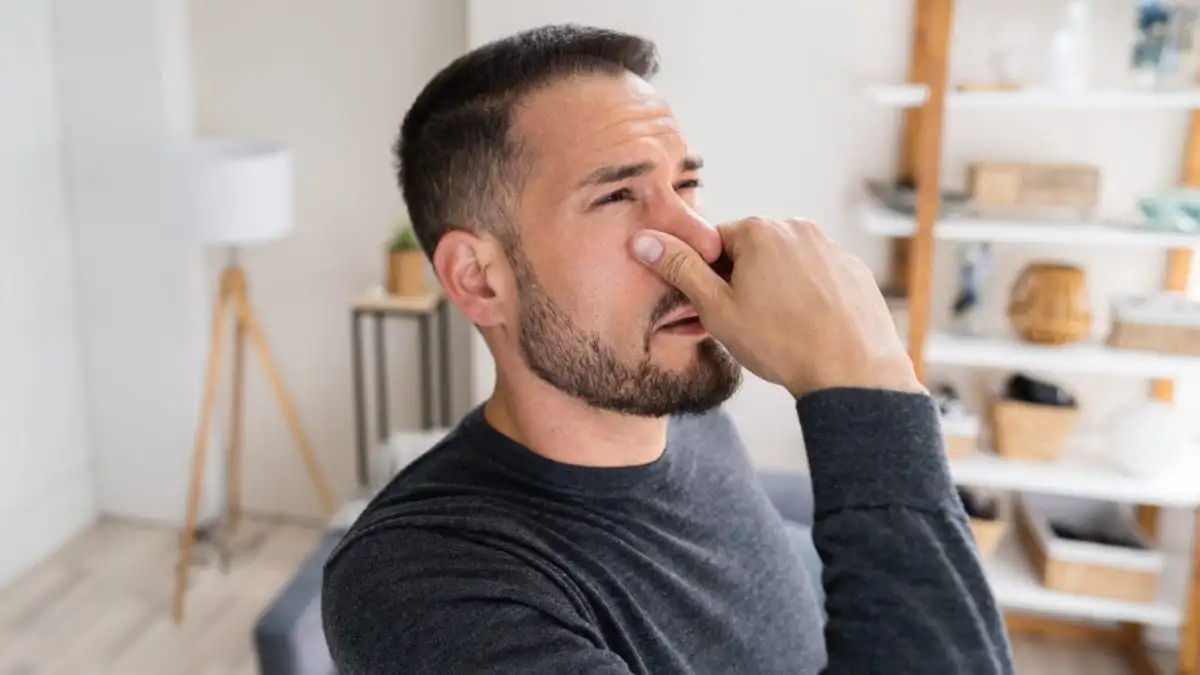
Sometimes a struggling olfactory system misfires completely. You might randomly smell burning rubber, cigarette smoke, or chemical odors when absolutely nothing is there.
This condition is known as phantosmia. It happens when the olfactory bulb in your brain becomes stressed, inflamed, or damaged, causing it to send false signals to your sensory processing centers.
While occasional phantom smells can result from a simple sinus infection, chronic phantosmia can be an early neurological red flag. It is a sign that the brain structures processing environmental data are beginning to degrade.
| Symptom | Possible Benign Cause | When To Call A Doctor |
| Sudden total loss of smell | Acute viral infection, severe sinus blockage | If it does not return within a few weeks of recovery |
| Smelling phantom smoke or chemicals | Temporary sinus inflammation, recent head bump | If it happens frequently or is accompanied by headaches |
| Gradual fading over years | Normal cellular aging, minor environmental damage | If accompanied by memory lapses or tremors |
| One-sided smell loss | Nasal polyp blocking one nostril | Immediately, as it can indicate a localized obstruction |
4. You Cannot Detect Danger Odors

This is the most immediate physical threat associated with olfactory dysfunction. Studies show that a significant percentage of adults over the age of 70 cannot identify the distinct warning odor of natural gas or smoke.
Your ancestral chemical sensory system evolved specifically to keep you alive by detecting environmental hazards. When the olfactory nerve endings deteriorate, you lose this built-in alarm system.
People with an absent sense of smell experience hazardous events like cooking fires or gas leaks at a much higher rate. Relying solely on your nose to check the stove is no longer a safe option.
5. Scented Products Seem To Lose Their Potency

Have you recently complained that your favorite perfume manufacturer must have changed their formula? Maybe you think your laundry detergent is suddenly weaker than it used to be.
Before blaming the manufacturer, consider your own olfactory threshold. As you lose olfactory receptors, it takes a much higher concentration of a scent molecule to trigger your brain.
You might end up applying three or four sprays of cologne instead of one. Ask a trusted friend or family member if your perfume is overpowering to get an objective baseline.
6. You Miss Environmental And Seasonal Scents

Nature is full of subtle, distinct aromas that signal to our brains which season it is. The smell of petrichor after a spring rain, fresh cut grass in the summer, or crisp fallen leaves in autumn are all deeply embedded in our sensory memory.
These environmental scents are often complex and require healthy, sensitive olfactory neurons to detect them fully. When these subtle notes vanish from your daily walks, it is a hallmark sign of early olfactory decline.
Losing these seasonal markers also impacts your mental health. A diminished connection to nature frequently leads to mild depression and a feeling of isolation among older adults.
7. The Refrigerator Russian Roulette

A healthy nose is extremely highly calibrated to detect putrescine and cadaverine. These are the chemical compounds released by decaying food.
When your sense of smell fades, identifying spoiled milk or bad meat becomes a dangerous guessing game. You might look at a carton of milk, check the expiration date, take a sip, and still not realize it has turned sour until it hits your stomach.
This puts you at a high risk of severe food poisoning. As we age, our immune systems are less equipped to fight off foodborne pathogens, making this a critical vulnerability.
8. Household Pet Odors Go Unnoticed

Our homes develop distinct scents, especially if we live with dogs or cats. Usually, we go slightly nose blind to our own pets, but we can still detect the odor of a dirty litter box or a wet dog.
If visitors subtly mention that your house smells strongly of pets and you are completely unaware of it, your olfactory system is likely compromised.
Failing to detect strong ammonia smells from a litter box is a clear indicator of a severe decline in odor identification. It means your nose is missing high-concentration chemical triggers.
9. Nostalgic Scents Stop Triggering Memories

The olfactory bulb has a direct superhighway connection to the amygdala and the hippocampus. These are the brain regions responsible for emotion and memory.
This anatomical link is why the smell of baking bread can instantly transport you back to your grandmother’s kitchen. If you intentionally smell a deeply familiar, nostalgic item and feel absolutely no emotional resonance, the connection is fraying.
Neurologists closely monitor this specific disconnect. The inability to process scent memories is one of the earliest signs of neurodegenerative conditions like Alzheimer’s disease.
10. The Coffee Test Failure
The University of Chicago study used a specific five-scent test to measure mortality risk. They used peppermint, fish, orange, rose, and leather.
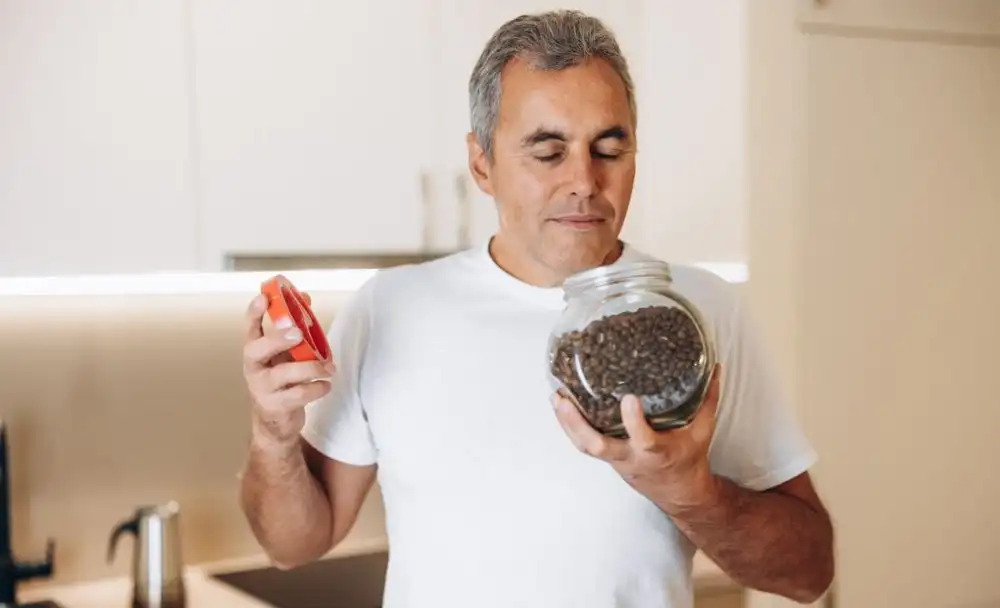
You can perform a similar practical test every morning using coffee. Coffee has a highly complex, robust volatile profile that a healthy nose should pick up from across the room.
If you have to stick your nose directly into the coffee grounds just to get a faint whiff, your olfactory sensitivity has dropped significantly.
| The Clinical 5 Scent Test | What It Represents | Difficulty Level to Identify |
| Peppermint | Strong, cooling menthol trigger | Easiest |
| Fish | Distinct amine compounds | Easy |
| Orange | Citrus terpenes | Moderate |
| Rose | Complex floral esters | Hard |
| Leather | Earthy, deep environmental note | Hardest |
The Real Reason It Predicts Lifespan
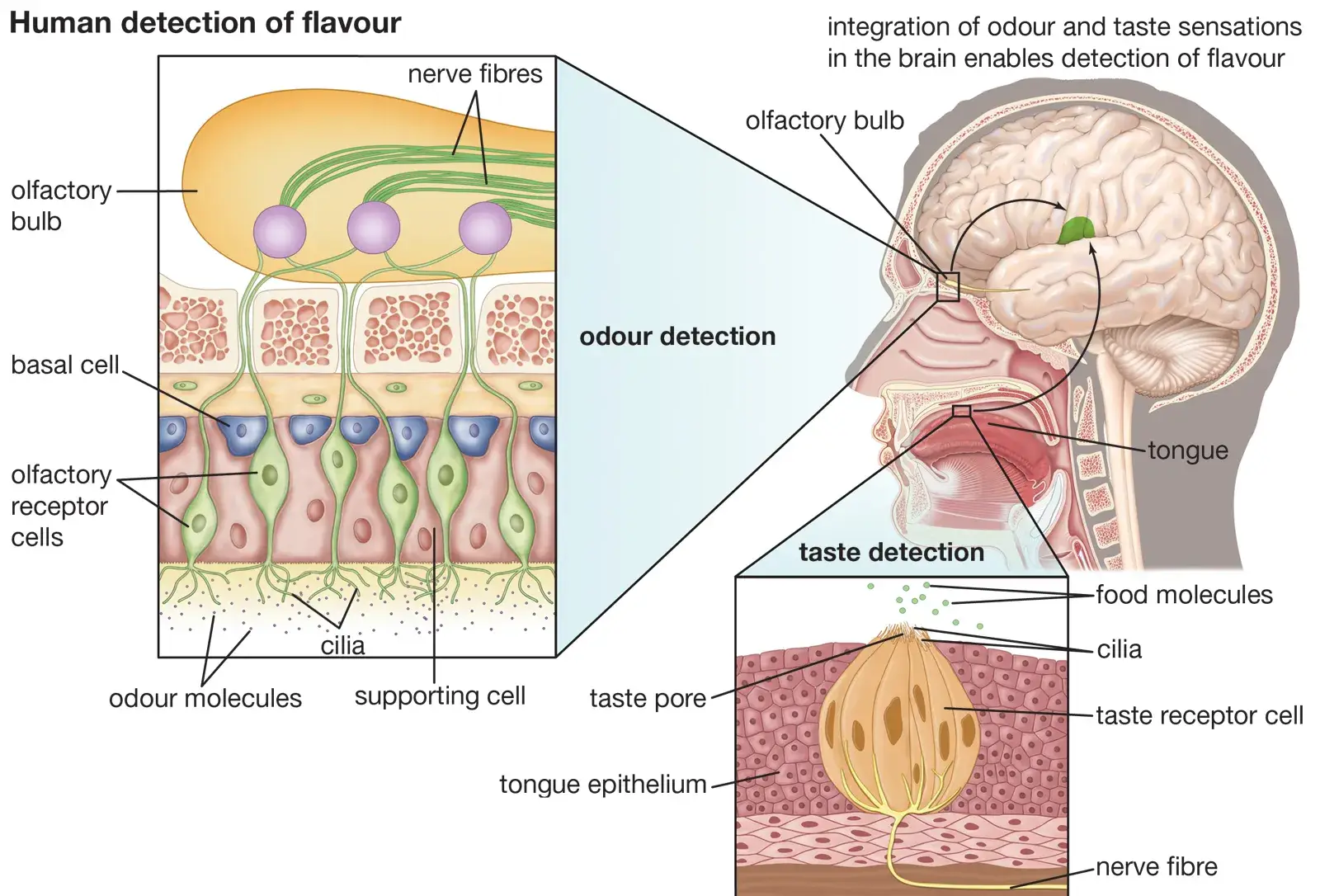
Your olfactory receptor neurons are unique. They are the only nerve cells in the human body that constantly regenerate throughout your life. They rely on a healthy supply of stem cells to replace themselves every few weeks.
When your body starts to slow down its cellular repair mechanisms due to aging or cumulative toxic exposure, the olfactory system is often the first place it shows up.
Furthermore, the olfactory pathways in the brain are the exact areas where the earliest proteins associated with Parkinson’s and Alzheimer’s disease begin to accumulate.
When To See A Doctor?

If you notice your sense of smell fading, do not panic, but do not ignore it either. Seek professional medical evaluation if you experience:
A sudden, unexplained loss of smell that occurs overnight. Smell loss restricted entirely to one nostril. Fading smell accompanied by a noticeable hand tremor, balance issues, or frequent memory lapses. Unexplained weight loss coupled with a sudden disinterest in eating.
Try This Today: Olfactory Training
You can actually work out your nose to help stimulate cellular repair and strengthen neural pathways.
- Gather four distinct scents in jars (essential oils work best: clove, lemon, eucalyptus, and rose).
- Spend 20 seconds deeply inhaling the first scent while focusing entirely on what it is.
- Rest for a few seconds, then move to the next jar.
- Do this simple rotation twice a day, every morning and evening, for at least three months.
- Studies show this conscious practice can actually improve olfactory function and trigger receptor regeneration.
| Health Factor | The Biological Mechanism | Impact on Lifespan |
| Cellular Regeneration | Olfactory stem cells stop dividing and repairing damage. | Signals a systemic slowdown in body-wide tissue repair. |
| Brain Plaque Buildup | Toxic proteins accumulate in the olfactory bulb first. | Precedes visible cognitive decline by several years. |
| Nutritional Deficits | Flavor loss leads to skipped meals and poor diet choices. | Accelerates physical frailty and muscle wasting. |
Your sense of smell is far more than an aesthetic bonus for enjoying food and flowers. It is a vital, active gauge of your neurological and cellular health.
By paying attention to these ten subtle signs, you can catch health issues early and have informed, proactive conversations with your medical team. Do not let this vital warning system fade quietly into the background.
