

Pancreatic cancer is frightening partly because the earliest changes can be easy to mistake for ordinary digestive trouble, aging, or blood sugar problems. But the headline needs one important correction: the body does not always give months of obvious warning.
Early pancreatic cancer often causes no noticeable symptoms at all, which is one reason it can be difficult to detect. Still, some people develop subtle changes before diagnosis, including unexplained weight loss, changes in digestion, jaundice, abdominal or back pain, and newly developing diabetes.
Knowing which combinations deserve medical attention can help people avoid dismissing changes that persist or become more noticeable.
Medical note: These symptoms are far more commonly caused by conditions other than pancreatic cancer. Symptoms alone cannot diagnose cancer.
Why Pancreatic Cancer Can Stay Quiet for So Long
The pancreas sits deep inside the abdomen, behind the stomach. A small tumor cannot usually be felt during a routine physical exam, and it may not interfere with nearby organs enough to cause obvious symptoms.
The National Cancer Institute says pancreatic cancer generally does not have clear early signs or symptoms. Symptoms are more likely to appear as the cancer grows or spreads.
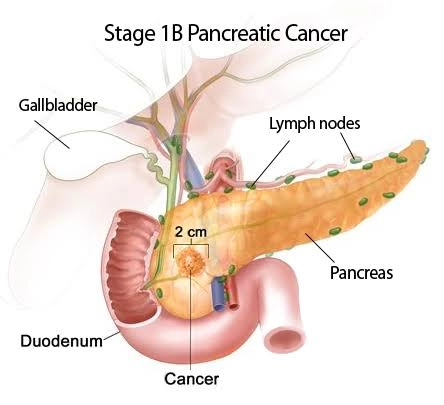
Where the tumor develops also matters. A cancer in the head of the pancreas may block the bile duct while it is still relatively small, while cancers in the body or tail may grow considerably before causing noticeable trouble.
That is why the most useful approach is not looking for one “secret symptom.” It is paying attention when new, unexplained changes begin appearing together or continue getting worse.
| Possible Change | What Someone Might Notice | Why It Deserves Attention |
|---|---|---|
| Jaundice | Yellow eyes or skin | May signal a bile duct blockage |
| Stool or urine changes | Pale stool, dark urine, greasy stool | Can occur when bile flow is disrupted |
| Unexplained weight loss | Clothes becoming loose without dieting | Can accompany pancreatic disease |
| New diabetes | Unexpected rise in blood sugar | Occasionally precedes pancreatic cancer |
| Upper abdominal/back pain | Persistent pain spreading toward the back | Can occur as a tumor grows |
| Appetite changes | Eating less or becoming full quickly | May contribute to weight loss |
None of these automatically means cancer. The pattern, persistence, and combination of symptoms matter much more than one isolated complaint.
1. Diabetes Can Sometimes Appear Before the Cancer Is Found

The pancreas produces insulin, so disease affecting the pancreas can interfere with blood sugar control. In some people, new-onset diabetes develops before pancreatic cancer is diagnosed.
NCI reports that among people with new-onset diabetes, roughly 1 in 100 are diagnosed with pancreatic cancer within three years. That means the overwhelming majority are not, but the relationship is strong enough that researchers continue studying whether certain diabetes patterns could help identify people who need further testing.
A new diabetes diagnosis may deserve extra discussion with a doctor when it occurs unexpectedly in an older adult, particularly when it appears alongside unexplained weight loss, abdominal discomfort, appetite loss, or other suspicious symptoms.
Changes in established diabetes can matter too. Mayo Clinic includes diabetes that suddenly becomes harder to control among the possible signs associated with pancreatic cancer.
A Blood Sugar Change Is Not a Cancer Diagnosis

Type 2 diabetes is extremely common, and pancreatic cancer is not the usual reason someone develops it.
The concern rises when the change seems unusual for that person or occurs alongside several other unexplained symptoms.
2. Unexplained Weight Loss May Start Before Anyone Connects the Dots

Losing weight without trying can be easy to dismiss.
Someone may assume they are eating less because they are getting older, feeling stressed, or simply not as hungry. Yet unexplained weight loss is one of the recognized symptoms of pancreatic cancer.
Several things can contribute. A person may lose appetite, struggle to digest food properly, or experience metabolic changes linked with the disease.
Mayo Clinic notes that pancreatic problems can also interfere with digestive juices, making it harder for the body to absorb nutrients from food.
The keyword is unexplained. Losing a few pounds after deliberately changing diet or exercise is different from steadily losing weight while eating normally.
| Weight Change | Usually Less Concerning | Worth Discussing With a Doctor |
|---|---|---|
| Planned weight loss | Diet or activity changed | No obvious explanation |
| Small fluctuation | Weight returns to normal | Weight keeps falling |
| Temporary appetite loss | Follows a brief illness | Persistent poor appetite |
| Clothes fit differently | Explained by lifestyle changes | Accompanied by pain, jaundice or stool changes |
Persistent unexplained weight loss is not specific to pancreatic cancer, but it deserves evaluation because many medical conditions can cause it.
3. Your Toilet May Reveal Changes Before You Expect Them

Changes in urine and stool may seem unrelated to the pancreas, but they can provide important clues.
A pancreatic tumor can sometimes block the common bile duct. When bile cannot flow normally into the intestine, bilirubin begins building up in the body.
One result can be dark brown urine, sometimes before yellow skin becomes obvious. Stool may become pale, grayish, greasy, unusually foul-smelling, or more likely to float.
A floating stool by itself is common and does not mean pancreatic cancer. Persistent greasy or pale stools combined with unexplained weight loss, jaundice, dark urine, or abdominal symptoms deserve more attention.
Why Stool Can Become Greasy
The pancreas normally releases enzymes that help break down food, particularly fats.
When pancreatic function or bile flow becomes disrupted, fat digestion may become less efficient. That can sometimes produce stools that look oily, pale, bulky, or difficult to flush.
Again, many digestive conditions can produce similar changes. The concern comes from a persistent new pattern, especially when other symptoms appear at the same time.
4. Yellow Eyes Can Be One of the Most Important Signs

Jaundice means the skin or whites of the eyes turn yellow because bilirubin has accumulated in the body.
For pancreatic tumors located near the bile duct, jaundice can sometimes appear while the tumor is still relatively small. The American Cancer Society notes that jaundice is among the first noticeable symptoms for many people who develop pancreatic cancer.
It may come with dark urine, pale stools, or itching.
Jaundice should never simply be watched for several weeks to see if it disappears. Gallstones, hepatitis, liver disease, bile duct problems, and other conditions can also cause it, but all require medical evaluation.
Red Flags
Contact a healthcare professional promptly if you develop yellow eyes or skin, unexplained ongoing weight loss, persistent pale or greasy stools, new dark urine, or continuing upper-abdominal pain.
Seek emergency care for sudden shortness of breath, chest pain, fainting, or major one-sided leg swelling because these can be symptoms of a blood clot.
Safety note: Yellowing of the skin or eyes needs medical assessment even if you otherwise feel well.
5. The Pain May Not Stay in the Abdomen

Pancreatic cancer can cause discomfort in the upper or middle abdomen.
What makes the symptom confusing is that the pain may spread toward the sides or back. Mayo Clinic and NCI both list abdominal or back pain among possible pancreatic cancer symptoms.
Back pain is extraordinarily common, so having it does not mean someone has pancreatic cancer.
The pattern becomes more meaningful when pain is persistent, has no clear muscle or joint explanation, or appears together with weight loss, appetite problems, jaundice, or digestive changes.
Some people may describe a deep abdominal discomfort rather than sharp pain. Others may notice symptoms worsening after eating.
There is no single pain pattern that can reliably identify pancreatic cancer without medical testing.
6. Losing Your Appetite May Seem Like a Small Change

People often pay more attention to weight loss than to what happened before it.
One early change may simply be not wanting food as much as before. Someone may begin leaving part of dinner unfinished, skipping breakfast, or feeling full after eating less.
Loss of appetite is included among pancreatic cancer symptoms by the NCI and Mayo Clinic.
Nausea and vomiting can also occur, particularly if a tumor affects how food moves through the stomach and nearby digestive tract.
These are common symptoms of countless noncancerous conditions. Their significance changes when they continue for weeks or occur with unexplained weight loss and other warning signs.
7. Persistent Itching Can Have an Unexpected Connection

Itchy skin probably would not make most people think about the pancreas.
But when a pancreatic tumor blocks bile flow, bilirubin and other substances associated with bile can accumulate. This can contribute to significant itching, sometimes alongside jaundice, dark urine, and pale stool.
Dry skin, allergies, medications, eczema, and many other problems cause itching much more commonly.
What deserves attention is new, persistent, unexplained itching that appears with signs of jaundice or changes in urine and stool.
8. Fatigue Can Be Easy to Blame on Age

Almost everyone feels tired occasionally.
Pancreatic cancer can also cause fatigue or unusual physical weakness, but this symptom alone is far too broad to point toward cancer. Poor sleep, anemia, medication effects, infections, thyroid disease, stress, and dozens of other issues may cause the same feeling.
A more concerning pattern is fatigue that seems genuinely new and persistent while other unexplained changes are developing.
For example, unusual tiredness accompanied by weight, reduced appetite, new blood-sugar problems, or jaundice warrants a medical conversation rather than simply being attributed to aging.
9. A Blood Clot Can Occasionally Be an Unexpected Clue

Pancreatic cancer can increase the tendency of blood to clot.
Sometimes a clot in a deep leg vein, called deep vein thrombosis or DVT, may be one of the first clues that something is wrong. Symptoms can include pain, warmth, redness, or swelling in one leg.
A clot can become life-threatening if part of it travels to the lungs. Sudden shortness of breath, chest pain, coughing up blood, or fainting requires urgent medical attention.
Most blood clots are not caused by pancreatic cancer. Surgery, immobility, injury, medications, age, and many other conditions are much more common explanations.
Still, an unexplained newly diagnosed clot combined with other pancreatic symptoms may prompt doctors to investigate further.
Which Combination Should Get Your Attention?

One vague symptom rarely tells the whole story.
The more useful signal is a cluster of unexplained changes that appear around the same period and do not resolve.
| Lower-Specificity Symptom Alone | More Concerning Combination |
|---|---|
| Occasional fatigue | Fatigue + unexplained weight loss |
| Ordinary backache | Persistent upper abdominal/back pain + appetite loss |
| Temporary stool change | Pale/greasy stools + dark urine |
| Type 2 diabetes | Sudden new diabetes + unexpected weight loss |
| Itchy skin | Itching + yellow eyes + dark urine |
| Poor appetite for a few days | Persistent appetite loss + continuing weight loss |
This table should not be used as a self-diagnosis tool. It shows why doctors consider the whole clinical picture rather than one symptom.
Why Routine Screening Is Not Offered to Everyone
It would seem logical to simply screen everyone for pancreatic cancer.
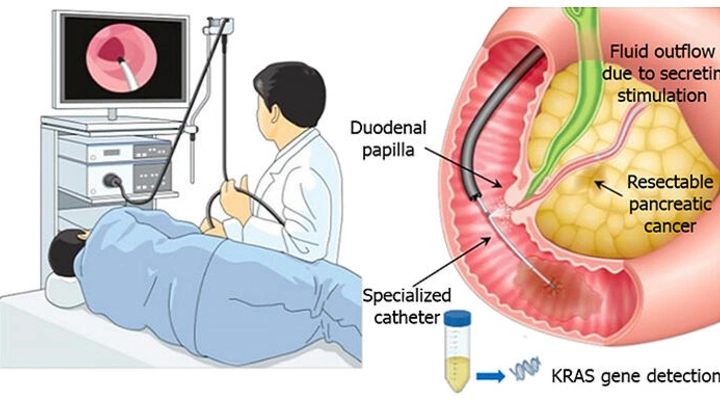
Unfortunately, there is currently no standard pancreatic cancer screening test recommended for average-risk adults who have no symptoms. The cancer is relatively uncommon, and existing testing has not been shown to reduce deaths enough to justify population-wide screening.
The situation is different for some people at particularly high risk because of certain inherited genetic changes or strong family histories. NCI says people at increased risk may be candidates for surveillance or screening programs.
That is why knowing your family history matters.
Someone with several close relatives who have developed pancreatic cancer or a known hereditary cancer syndrome should discuss personal risk with a qualified healthcare professional rather than waiting for symptoms.
Habit Tip
Pay attention to changes from your normal, not isolated symptoms. If your weight, appetite, stool color, urine color, blood sugar, or abdominal comfort changes unexpectedly and stays different, write down when it started and whether other symptoms appeared at the same time.
Bringing that timeline to an appointment can give your healthcare professional much more useful information than trying to remember everything on the spot.
The Biggest Mistake Is Waiting for a “Classic” Symptom

Some people develop jaundice. Others first notice weight loss or pain. Some may develop new diabetes, while others have few noticeable symptoms until the disease has advanced.
That means waiting for every symptom on a checklist can create false reassurance.
At the same time, the opposite mistake is assuming every digestive problem or blood-sugar change means cancer. These symptoms are usually caused by much more common conditions.
If something new persists, worsens, has no clear explanation, or occurs alongside other changes, it warrants proper evaluation.
What a Doctor May Do Next
A doctor will usually begin by reviewing symptoms, medical history, family history, medications, and recent changes in weight or blood sugar.
Depending on the findings, evaluation may involve blood tests and imaging. NCI notes that abdominal ultrasound or CT imaging may be used when investigating symptoms that could be due to pancreatic disease.
Further testing depends on what those first examinations show.
There is no reliable home test that can confirm or rule out pancreatic cancer, so symptoms that remain concerning should not be managed through internet symptom checking alone.
The Real Warning Is Change That Does Not Make Sense
The phrase “your body warns you months before pancreatic cancer” sounds reassuring because it suggests everyone receives an early alarm.
Unfortunately, medicine is not that predictable. Pancreatic cancer may cause no clear early symptoms, and there is no guarantee that someone will receive months of warning.
What some people do experience are changes that, looking back, began before diagnosis: unexpected weight loss, appetite changes, altered digestion, new diabetes, jaundice, or persistent abdominal and back discomfort.
Those symptoms usually have explanations other than pancreatic cancer. But when several appear together, continue without explanation, or steadily worsen, they should not be dismissed simply as aging.
Early evaluation cannot guarantee an early cancer diagnosis. It can, however, help determine why your body has suddenly started behaving differently.
Medical disclaimer: This article is for general education and is not a diagnosis or substitute for care from a qualified healthcare professional.
Sources & Methodology
This article was checked against current guidance from the National Cancer Institute, American Cancer Society, and Mayo Clinic. NCI specifically states that pancreatic cancer often lacks early signs, while the recognized symptom list includes jaundice, unexplained weight loss, appetite loss, abdominal or back pain, digestive changes, fatigue, new-onset diabetes, and blood clots.
Current NCI and American Cancer Society guidance was also used for screening information. Routine pancreatic cancer screening is not recommended for average-risk adults without symptoms, although surveillance may be appropriate for selected people at increased inherited or familial risk.
