
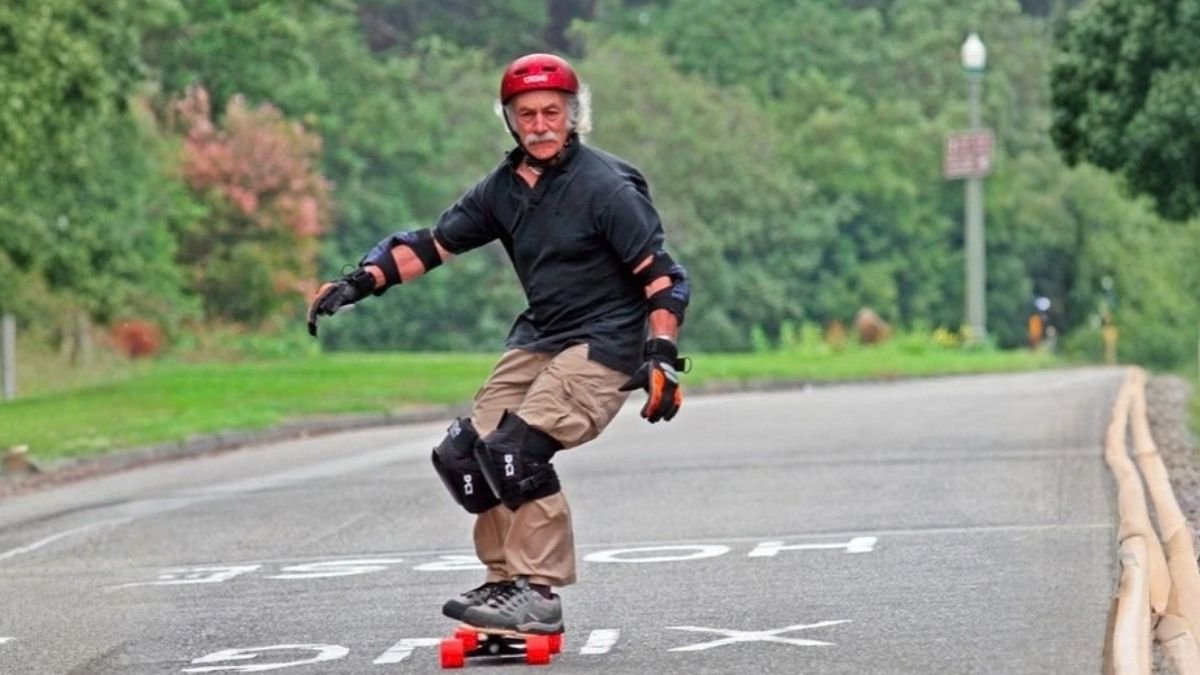
Most people expect balance, strength, and confidence to fade fast after 70.
That loss can make stairs harder, walks shorter, and falls much more dangerous. Yet Lloyd Kahn is still skateboarding at 91, which makes his daily routine hard to ignore.
The surprising part is that his longevity story is not really about the skateboard. It is about a simple pattern of movement that appears throughout his everyday life.
The Skateboard Is Only the Most Visible Part of His Routine
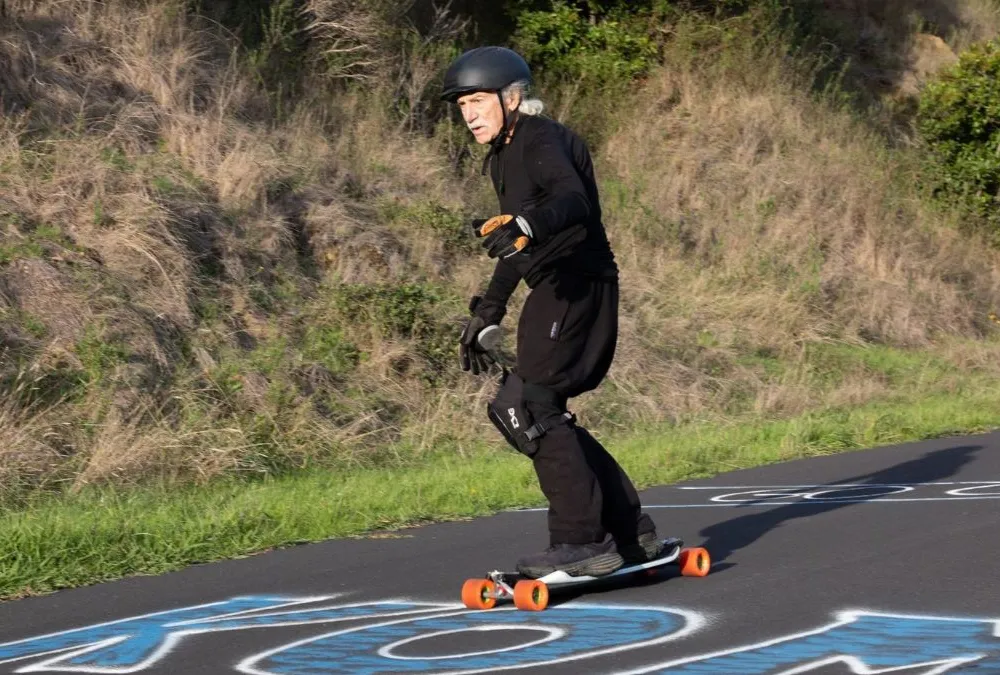
Kahn reportedly did not even start skateboarding until age 65. At 91, recent coverage shows him still skating, paddleboarding, gardening, building things, exercising at home, and staying deeply involved with daily projects.
His home also includes simple movement stations that make exercise part of ordinary life rather than something reserved for a gym visit. That detail may be more useful than the skateboard itself.
His day appears to keep asking his body to do things. He walks. He balances. He bends. He pushes. He pulls. He carries things and works with his hands. That mix lines up remarkably well with current advice for healthy aging.
The CDC says adults 65 and older should combine aerobic activity, muscle strengthening, and balance work each week. The standard target includes at least 150 minutes of moderate activity plus muscle strengthening on at least two days.
| Part of Kahn’s Routine | What It Challenges | Why It Matters With Age | Safer Option for Many Older Adults |
|---|---|---|---|
| Skateboarding | Balance, coordination, reaction time | These skills help the body correct position quickly | Supported balance drills |
| Paddleboarding | Core control, balance, endurance | Core control supports posture and stability | Pool walking or swimming |
| Gardening | Squatting, reaching, carrying, gripping | These movements resemble everyday tasks | Raised bed or container gardening |
| Walking and running | Heart and lung fitness | Aerobic activity supports stamina | Brisk walking |
| Building and home projects | Strength, grip, coordination | These skills support daily independence | Light household tasks |
| Home exercise stations | Strength and mobility | Repeated muscle work helps preserve function | Resistance bands or chair exercises |
The pattern matters because the CDC also recognizes activities such as gardening, yoga, and sports as multicomponent movement. One activity can challenge the heart, muscles, and balance at the same time.
Why Movement Spread Across the Day May Be So Powerful
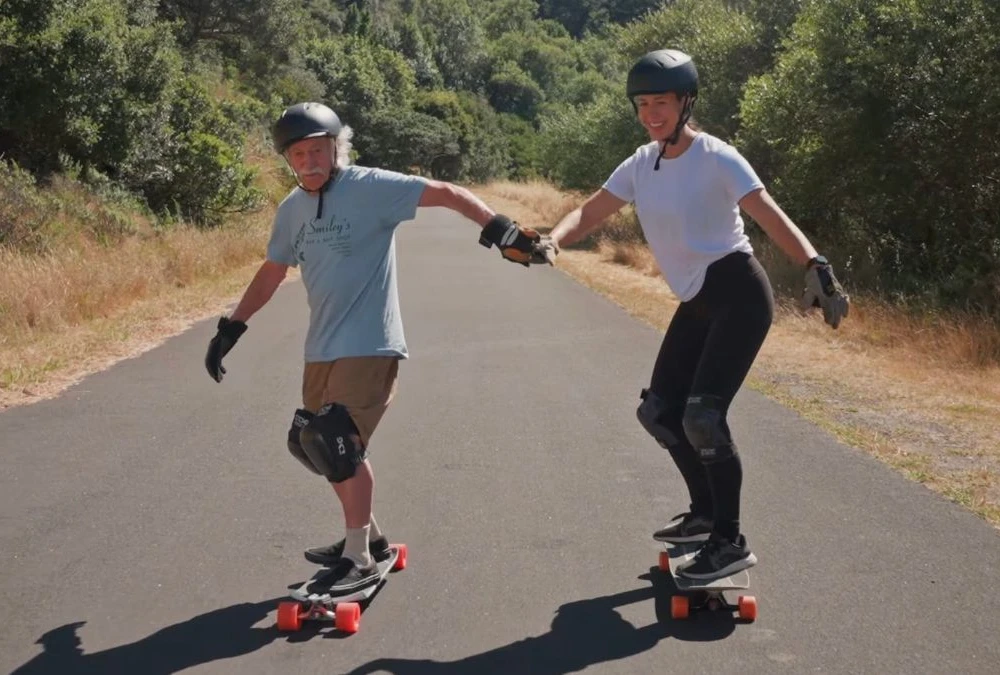
Many people think exercise only counts if it happens in one formal workout. It does not. The CDC notes that smaller periods of physical activity can add up across the day and week. A brisk five-minute walk still contributes to total activity.
That makes Kahn’s lifestyle interesting.
Instead of exercising once and then removing physical effort from the rest of the day, he appears to keep finding reasons to move. Gardening requires reaching and bending. Building requires grip and strength. Paddleboarding demands endurance and balance.
This creates repeated physical signals throughout the day. Muscles are asked to contract. Joints move through different positions. The heart works harder during active periods. The nervous system keeps practicing coordination.
That does not mean people need to stay busy every minute. It means physical ability tends to benefit when it keeps being used.
Older Adults Do Not Need Extreme Exercise to Benefit
Kahn is an unusual example. The research offers a much more reassuring message for everyone else.
In a 2019 study of older women, those averaging about 4,400 steps per day had significantly lower mortality than women averaging roughly 2,700 steps. The association continued improving until about 7,500 steps per day, where it began to level off.
This was an observational study, so it cannot prove that taking a certain number of steps caused longer life. Still, it shows why the familiar 10,000 step target should not make an older adult think a smaller amount is pointless.
A person walking 3,000 steps today may benefit from moving toward 4,000 or 5,000. Someone who has been inactive may begin with much less. More movement than yesterday can be a useful starting goal.
Balance Is Where the Skateboarding Story Gets Interesting
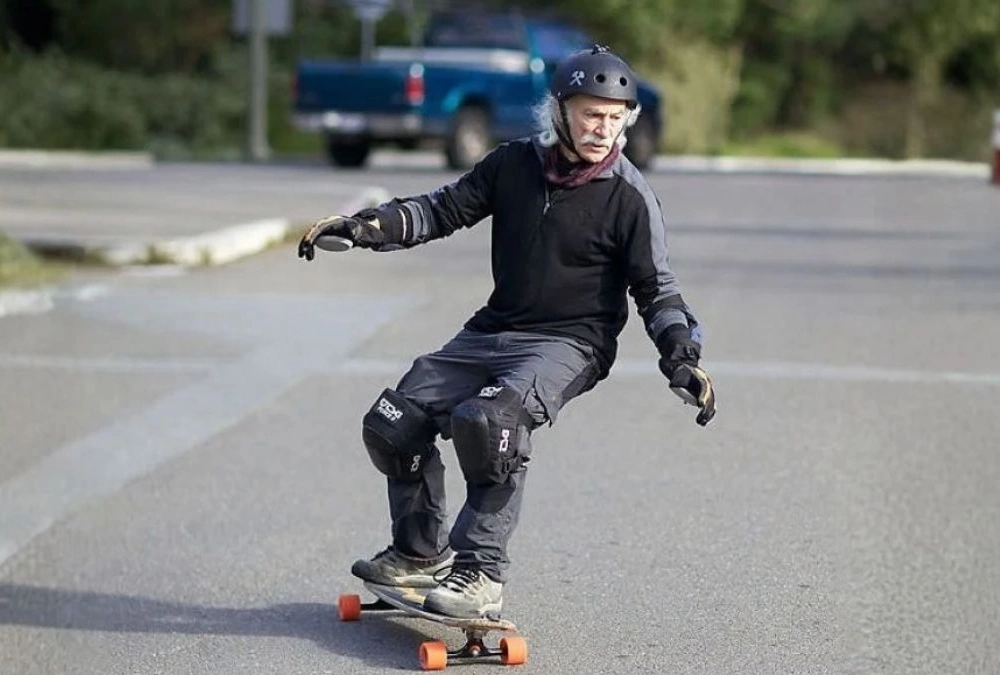
Staying upright on a skateboard requires continuous corrections. The ankles, knees, hips, core, eyes, inner ear, and nervous system all contribute to keeping the body stable. Older adults do not need a skateboard to train those systems.
Balance exercises can include standing on one foot near a sturdy support, heel to toe walking, tai chi, yoga, and controlled movements from sitting to standing. The National Institute on Aging suggests aiming for about three balance sessions each week.
The reason goes beyond athletic skill. Falls can threaten independence.
A systematic review covering 88 trials and 19,478 older adults found that exercise reduced the rate of falls by about 21 percent. Programs that strongly challenged balance and provided more than three hours of weekly exercise showed even greater reductions.
That does not make harder exercise automatically better. The challenge has to match the person.
Strength May Be the Quiet Part of Kahn’s Routine
Muscle strength affects far more than the ability to lift weights. It helps someone rise from a chair, carry groceries, climb stairs, get out of a car, work in the garden, and steady the body after a small stumble.
The National Institute on Aging notes that maintaining an active lifestyle and doing strength work can slow some age related losses in strength and help preserve mobility and independence.
One large study examined 30,162 adults age 65 and older. Those who reported strength training at least twice each week had lower mortality during follow up than those who did not, even after researchers adjusted for several health and lifestyle factors.
Again, that is an association. People who strength train may differ from people who do not in ways that also affect health. Still, it supports the broader case for keeping muscles active.
| Type of Activity | Research Based Target for Adults 65 Plus | What It Supports |
|---|---|---|
| Moderate aerobic activity | At least 150 minutes per week | Heart health, stamina, mobility |
| Vigorous aerobic activity | About 75 minutes per week as an alternative | Cardiovascular fitness |
| Muscle strengthening | At least 2 days per week | Strength and daily function |
| Balance activity | Regularly each week | Stability and fall prevention |
| Multicomponent activity | WHO emphasizes balance and strength on 3 or more days | Functional ability and fall prevention |
CDC guidance supplies the aerobic and strength targets, while WHO guidance recommends multicomponent activity emphasizing balance and strength on three or more days each week for older adults.
Gardening May Be Doing More Work Than It Gets Credit For
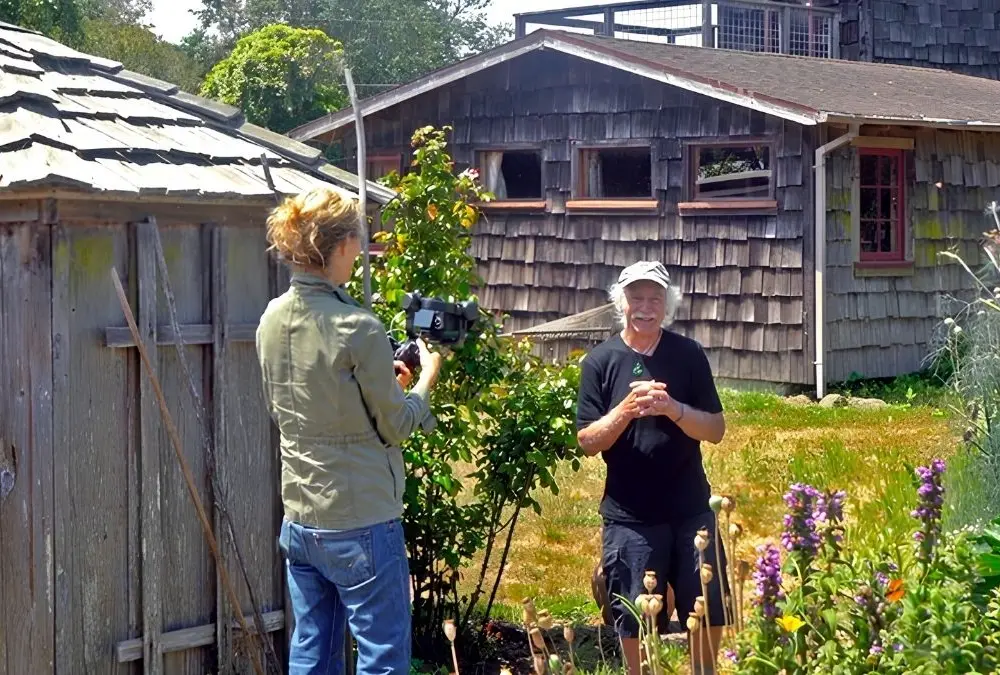
Gardening rarely looks like exercise. But think about the movements involved.
There is standing, walking, reaching, carrying, gripping, digging, squatting, and getting up and down. Depending on the task, several muscle groups work at once.
The CDC specifically lists digging in a garden as one way to strengthen muscles. It also recognizes gardening as an activity that may combine several types of exercise.
This may help explain why Kahn’s routine feels different from a standard workout plan. The activity is connected to something useful. He is not moving solely to complete a fitness target. He has reasons to use his body.
For many older adults, that can make consistency much easier.
He Keeps Giving Himself Reasons to Stay Capable
Kahn’s routine also has something that is difficult to measure on a fitness tracker. He keeps doing things. Recent profiles describe continued skateboarding, paddleboarding, gardening, publishing, building, and experimenting with new activities.
It is important because enjoyable activities can create their own reason to move.
A walk to meet a friend may be easier to repeat than twenty minutes on a machine someone hates. Gardening may keep a person bending and carrying without constantly thinking about exercise.
The best activity is not automatically the hardest one. For many people, it is the activity they will still be doing six months from now.
What You Should Not Copy From a 91 Year Old Skateboarder
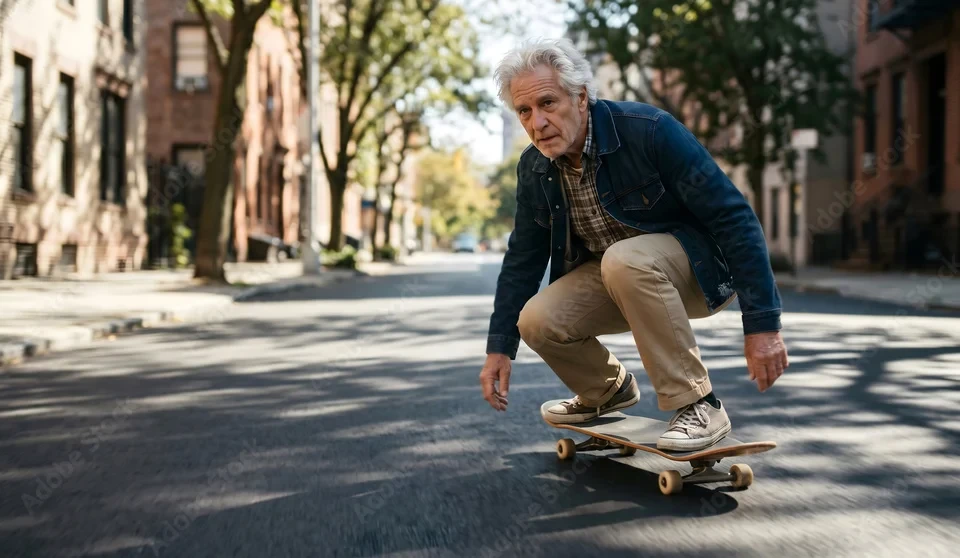
The obvious answer is the skateboard. Someone watching Kahn ride at 91 may think the lesson is to become more fearless. That misses the point.
.His current ability reflects his own history, conditioning, skills, health, and years of practice. A beginner stepping onto a board at an advanced age does not inherit those advantages.
A fall that causes only bruising in one person can cause a hip, wrist, or spinal fracture in someone with fragile bones. Copy the physical qualities instead.
Train balance. Keep leg strength. Walk. Reach. Carry manageable loads. Maintain hobbies that get you out of the chair.
| Instead of Copying This | Try This Lower Risk Option | Simple Starting Point |
|---|---|---|
| Skateboarding | Supported balance practice | 10 to 20 seconds near a counter |
| Running | Comfortable or brisk walking | 5 to 10 minutes |
| Paddleboarding | Pool walking or swimming | A short comfortable session |
| Heavy building work | Resistance bands or light weights | 1 set of 8 to 12 repetitions |
| Long workouts | Short activity periods | Several 5 to 10 minute sessions |
| Difficult yard work | Light gardening | Containers or raised beds |
For strength exercises, the CDC suggests 8 to 12 repetitions as one set. One set can provide benefit, while two or three sets may offer more for people who can do them safely.
How Fast Can More Movement Start Helping?
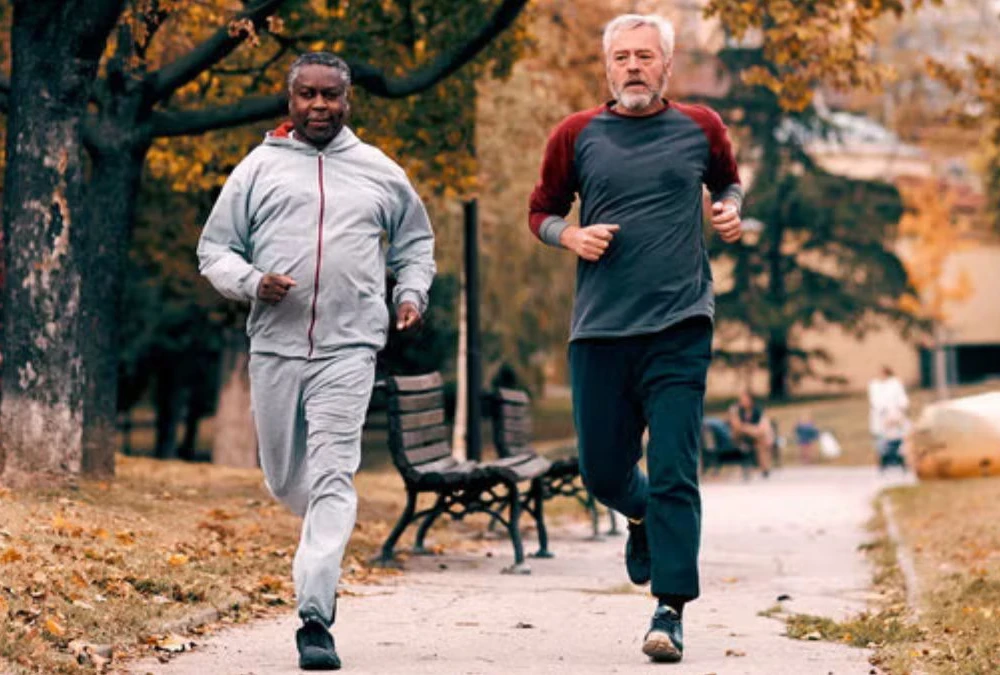
Some effects do not take months. The CDC reports that even a single session of moderate to vigorous physical activity can improve sleep quality, reduce feelings of anxiety, and temporarily lower blood pressure.
Longer term benefits take consistency. Regular activity supports cardiovascular health, bone health, balance, brain health, and the ability to continue living independently.
Strength and balance skills also improve through repeated practice. That makes routine more important than one heroic session.
The Bigger Lesson Behind Skateboarding at 91

Lloyd Kahn makes a remarkable picture because a 91 year old on a skateboard challenges what many people expect aging to look like. But the skateboard may distract from the more useful lesson.
His routine includes movement, strength, balance, outdoor activity, physical work, hobbies, and continued engagement with life. Those are far easier to adapt safely than skateboarding itself.
No research can tell us that these habits caused Kahn to reach 91. Genes, healthcare, sleep, diet, environment, past health, social factors, and simple chance all influence lifespan. What research does support is much narrower and more useful.
Older adults benefit from continuing to move, strengthening muscles, and training balance. The amount does not have to be extreme, and the activity does not have to happen inside a gym.
Kahn’s story simply makes that principle difficult to ignore. Keep using the abilities you want to keep.
