

Your last HbA1c number felt like a report card you didn’t study for. You know the drill: eat better, move more, but nothing seems to move that number.
Ignore it long enough, and it adds up. Higher HbA1c over years is linked to nerve damage, vision loss, and heart disease.
Real studies, not wellness blog guesses, point to specific changes that move HbA1c, some by as much as a point or more.
Below are 15 of them, backed by actual research: exercise types, food order, sleep, monitoring, and more. Pick a few, and give them real time to work.
What is HbA1c?
HbA1c is a blood test that shows your average blood sugar level over the past two to three months. It measures how much glucose has attached to hemoglobin, a protein found in red blood cells.
Doctors use HbA1c to help detect prediabetes and diabetes. It is also used to monitor how well blood sugar is being managed over time. Higher HbA1c levels usually mean blood sugar has stayed high.
1. Do Combined Exercise, Not Just Cardio

A large 2025 analysis of exercise trials in people with type 2 diabetes found that combined training, meaning aerobic plus resistance work in the same routine, produced the biggest HbA1c drop of any exercise type: about 0.74 percentage points.
That’s a meaningful chunk of your number. Muscle used during both cardio and strength work pulls glucose out of your blood more effectively than either type alone.
Actionable detail: Aim for 2 to 3 sessions a week that combine 20 to 30 minutes of aerobic activity with a short strength circuit.
2. Add Resistance Training, Even Without Cardio

If cardio isn’t realistic right now, resistance training alone still helps. A 2026 review found that the best results in overweight adults with type 2 diabetes came from lifting weights 3 times a week for 45 minutes per session.
Muscle is where most of your blood sugar gets used up after a meal. More muscle working means more glucose is cleared.
Actionable detail: Two or three non-consecutive days a week, using bodyweight moves or light dumbbells if you’re starting out.
3. Hit 150 Minutes of Movement a Week

You don’t need to become an athlete. Guidelines call for at least 150 minutes of moderate aerobic activity a week, plus strength work on 2 to 3 days.
Even simple physical activity advice, without a formal program, showed real benefit in a large network meta-analysis of 158 studies covering over 17,000 people.
Actionable detail: Break it into 30-minute chunks, 5 days a week. A brisk walk counts.
| Exercise Type | Average HbA1c Drop | Why It Works |
|---|---|---|
| Combined (aerobic + resistance) | About 0.74 points | Uses two different glucose-clearing pathways |
| High-intensity interval training | About 0.71 points | Short bursts pull glucose into muscle fast |
| Aerobic only | About 0.62 points | Improves how your body uses insulin over time |
| Resistance only | About 0.36 points | Builds muscle, your biggest glucose storage site |
A quick note here, since exercise and diabetes medication interact: check with your doctor before starting a new routine, especially if you take insulin or a sulfonylurea, since your blood sugar could drop too low.
4. Lose 5 to 10 Percent of Your Body Weight
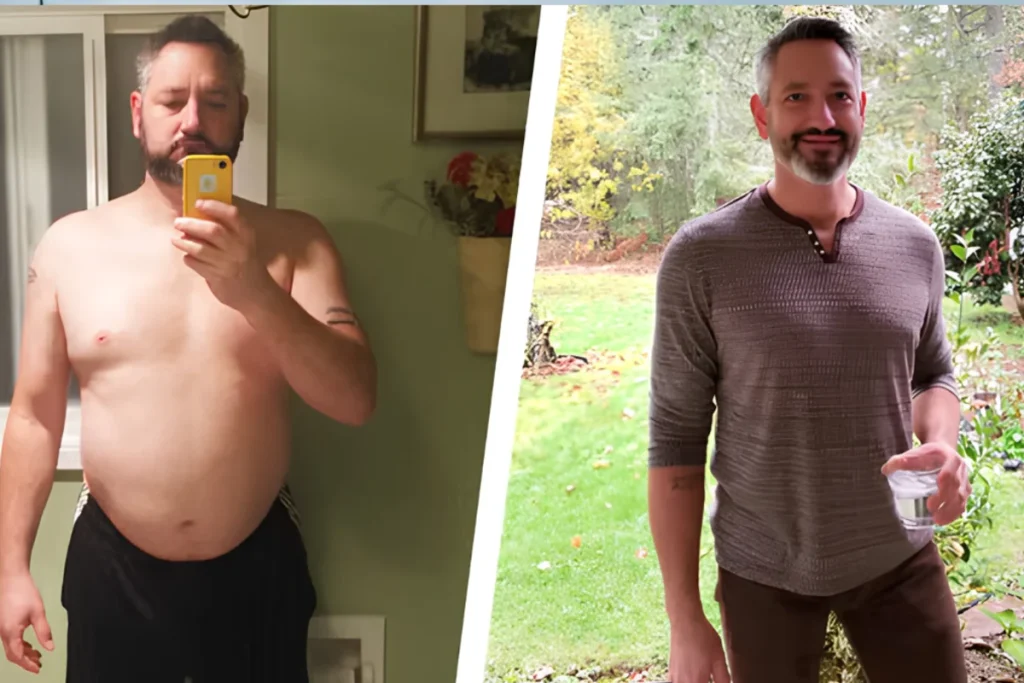
This one has some of the strongest evidence of all. In the DiRECT trial, people who lost more than 10 kilograms had a 46% remission rate after one year, meaning their HbA1c returned to normal without medication.
A separate large study found that losing 10% or more of body weight was linked to a lasting drop in HbA1c and remission rates 4 times higher than with smaller weight loss.
Even a 5% loss in body fat is tied to about a 0.15-point drop in HbA1c. That’s not huge alone, but it adds up with everything else on this list.
Actionable detail: For a 200-pound person, that’s 10 to 20 pounds. Slow and steady, about 1 to 2 pounds a week, holds up better in the long term than crash dieting.
5. Try a Lower-Carb Eating Pattern

A 2025 meta-analysis of 17 trials found low-carb diets lowered A1c by about 0.36 points more than standard diets. A separate analysis found low-carb diets led to diabetes remission in 57% of people, compared with 31% on control diets, at 6 months.
The catch: long-term results often shrink after 12 months if the diet isn’t kept up. This works best as a long-term shift, not a short sprint.
Actionable detail: Cutting refined carbs like white bread, sugary drinks, and pastries is a more sustainable starting point than an extreme carb count.
6. Get More Soluble Fiber
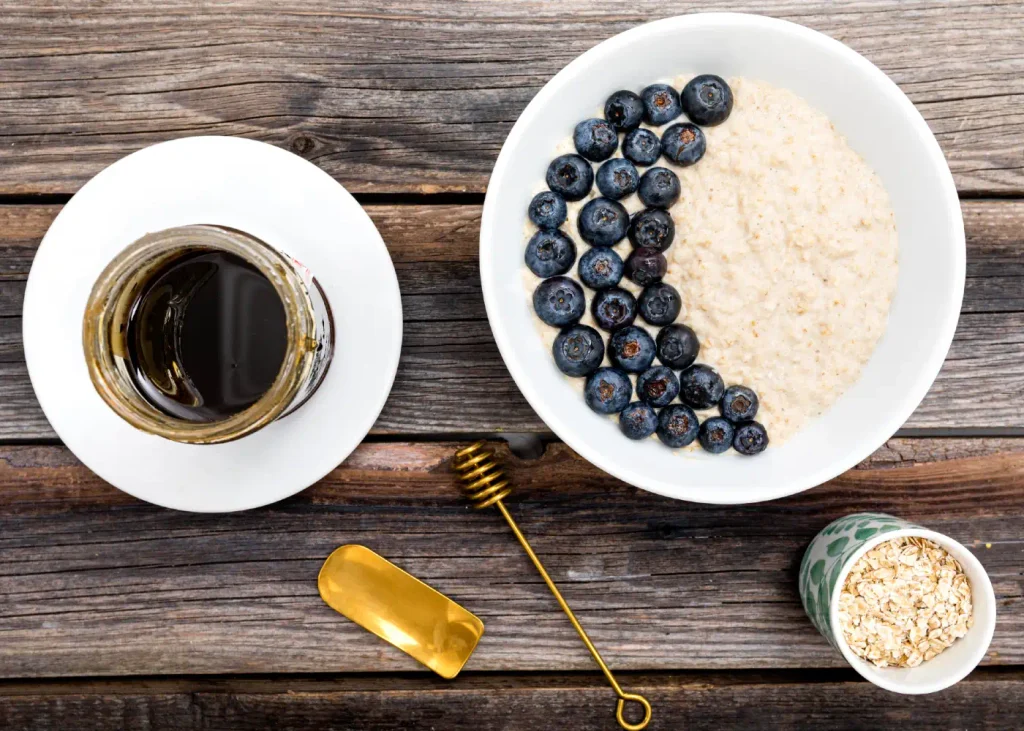
Soluble fiber, the kind in oats, beans, and psyllium, slows digestion and softens blood sugar spikes. A meta-analysis found that about 13 grams a day, roughly one tablespoon of a fiber supplement, lowered HbA1c by about 0.6 points.
Other reviews found more modest drops, in the 0.26 to 0.66 point range, depending on the dose and fiber type.
Actionable detail: Add a cup of oatmeal, black beans, or a psyllium supplement daily. Increase slowly to avoid stomach upset.
7. Change the Order You Eat Your Food

This one surprises people. Eating vegetables and protein before your carbs, instead of digging into the rice or bread first, changes how your body handles the meal.
A study in Diabetes Care found that this simple swap, same food, same amount, different order, cut average post-meal glucose by 28.6% in people with type 2 diabetes.
Actionable detail: At your next meal, eat the salad or vegetables first, then the meat or protein, and save the rice, bread, or pasta for last.
8. Take a Short Walk After Meals

Walking pulls glucose out of your blood right when it’s spiking. A 2022 meta-analysis found that walking breaks after meals lowered blood sugar and insulin more than standing breaks did.
A New Zealand study found that 10 minutes of walking after each main meal lowered daily blood sugar more than one 30-minute walk done at a random time of day.
Actionable detail: Even a 10-minute walk within an hour of eating counts. If you can’t walk, standing up and moving around still helps some.
| Habit | What The Research Found | How Big The Effect Is |
|---|---|---|
| Losing 10%+ body weight | Higher diabetes remission rates | Up to 46% remission at 1 year |
| Low-carb diet, 6 months | More remissions than the standard diet | 57% vs 31% remission |
| Soluble fiber, 13g/day | Slower glucose absorption | About a 0.6-point HbA1c drop |
| Food order, veggies first | Less post-meal glucose spike | 28.6% lower post-meal glucose |
9. Protect Your Sleep

Sleep and blood sugar are more connected than most people realize. A meta-analysis of over 69,000 people found a U-shaped pattern: both short sleep, under 6 hours, and long sleep, over 8 hours, were linked to higher HbA1c compared to 6 to 8 hours.
Poor sleep quality alone was linked to about a 0.35 point higher HbA1c. One trial found that treating insomnia with therapy lowered HbA1c by 0.43 points, a change on par with some medications.
Actionable detail: Aim for a consistent 7 to 8 hours. If you snore heavily or feel exhausted despite sleeping enough, ask your doctor about a sleep apnea check.
10. Consider a Continuous Glucose Monitor
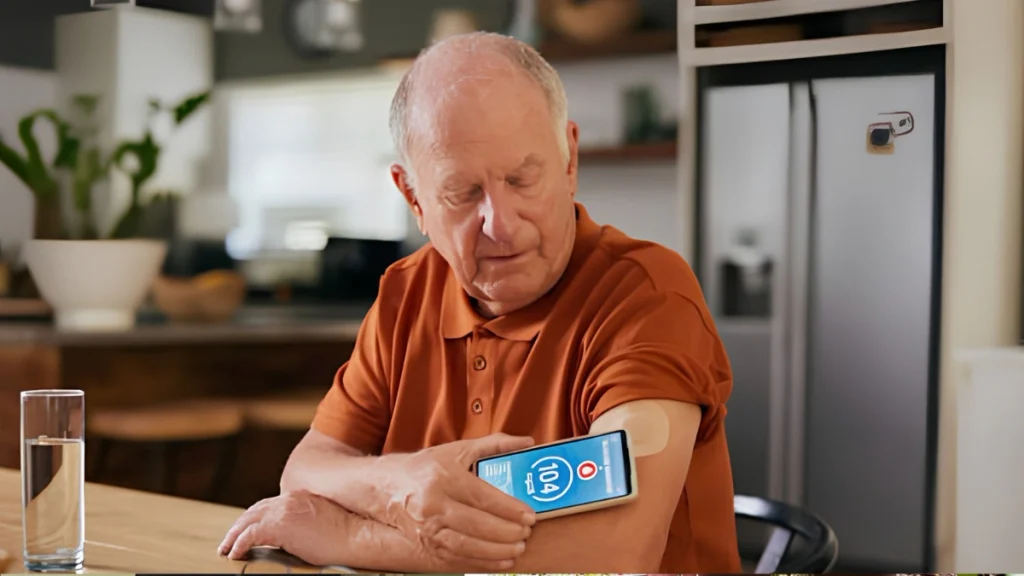
Seeing your blood sugar in real time changes behavior. Multiple studies in people not using insulin found real HbA1c drops after starting a continuous glucose monitor, ranging from about 0.6 points to over 1.5 points, with bigger drops in people who started with higher numbers.
Actionable detail: Ask your doctor if a short-term or ongoing CGM makes sense for you. Even a 2-week trial can show you which meals and habits spike your blood sugar most.
11. Try Apple Cider Vinegar, With Caution

Some small trials suggest apple cider vinegar can lower fasting blood sugar and HbA1c in people with type 2 diabetes. But the studies behind this are small, only a handful of trials with a few hundred people total, and the results vary a lot between them.
Everyone’s body responds differently, so check with your doctor before adding vinegar to your routine, especially if you take medication that lowers blood sugar or have any stomach or esophagus conditions.
Actionable detail: If you try it, a common dose in studies was about 15 to 30 milliliters (1 to 2 tablespoons) diluted in water, taken with a meal. Don’t drink it straight, since it can damage tooth enamel and the esophagus.
12. Cut Back on Alcohol
Heavy drinking makes blood sugar harder to control and adds empty calories that work against weight loss. Some research suggests light drinking may have a small favorable effect on insulin and HbA1c, but this isn’t a reason to start drinking if you don’t already.
Actionable detail: If you drink, stick to the standard guidance of up to one drink a day for women and up to two for men, and never on an empty stomach if you take insulin or a sulfonylurea.
13. If You Smoke, Get Support to Quit

Smokers tend to have higher HbA1c than non-smokers. One study found that after completing a smoking cessation program, HbA1c dropped by about 0.3 points on average within 3 months, even without a change in weight.
Actionable detail: Ask your doctor about cessation programs or medication. Quitting is hard, and support triples your odds of success compared to going it alone.
14. Take Your Medication Exactly as Prescribed
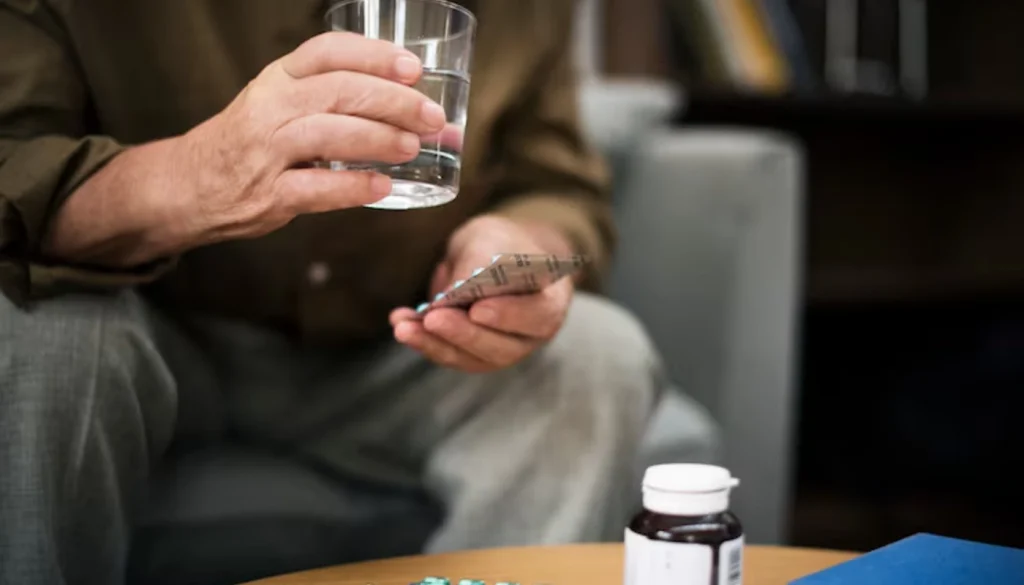
This sounds obvious, but missed doses are one of the biggest reasons HbA1c doesn’t move. Metformin, one of the most common first-line medications, is well known for producing meaningful HbA1c reductions when taken consistently, and newer classes like GLP-1 medications can lower it even more.
Actionable detail: Use a pill organizer or phone reminder. If side effects make you skip doses, tell your doctor. There’s often an alternative.
A short reminder here, since this involves your medication: never adjust or stop a diabetes medication on your own. Talk to your doctor first, especially if you’re making several changes from this list at once.
15. Manage Stress and Check In Regularly

Stress hormones like cortisol raise blood sugar directly. On top of that, stressed people often sleep worse and skip healthy habits, which compounds the problem.
Regular checkups also matter simply because they keep you accountable. People who track their numbers and see their doctor regularly tend to catch problems and successes faster.
Actionable detail: Simple daily stress tools include a 10-minute walk, deep breathing, or even talking to a friend. Book your HbA1c test every 3 months if your levels aren’t yet stable.
Try This Today
- Pick one item from this list, not all fifteen, and start there.
- Take a 10-minute walk after your next meal.
- Eat your vegetables first tonight, carbs last.
- Set a bedtime alarm to protect 7 to 8 hours of sleep.
When to Call Your Doctor Right Away
Making several changes at once, especially around diet and exercise, can lower your blood sugar faster than expected if you’re on medication.
- Shakiness, sweating, confusion, or a racing heart, which can mean your blood sugar dropped too low.
- Blood sugar readings that stay high despite these changes for more than a couple of weeks.
- Unexplained weight loss, extreme thirst, or frequent urination.
