
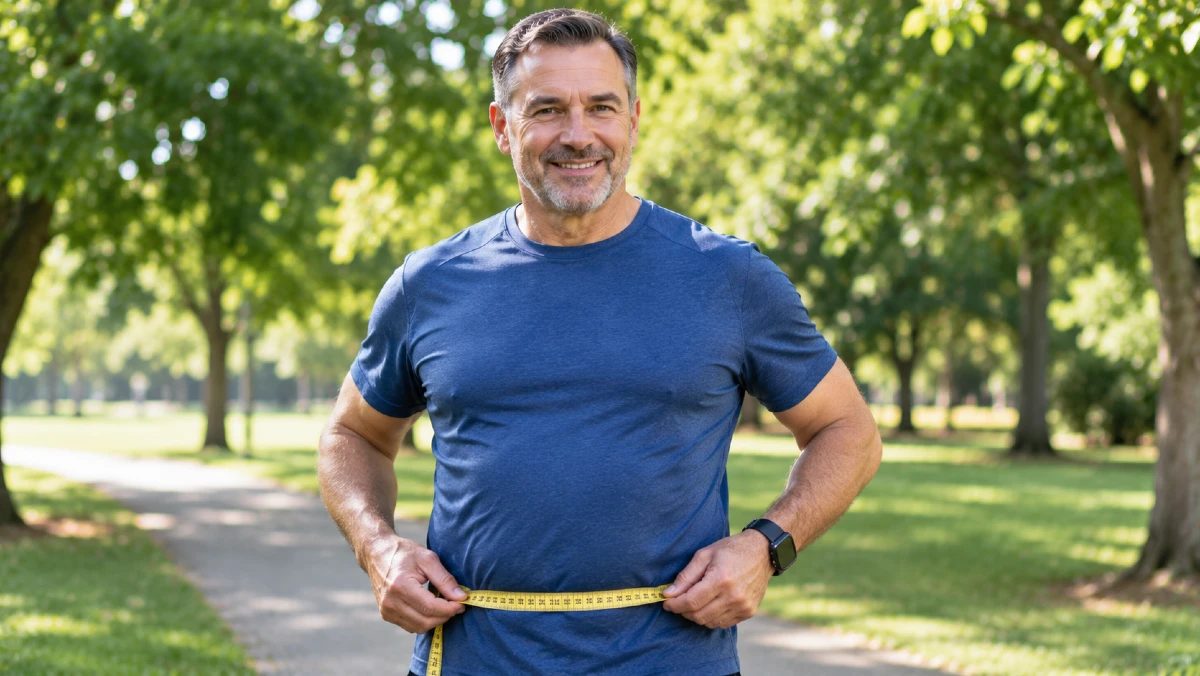
That stubborn waistline can seem impossible to shrink, especially when gym workouts are not part of your routine. Abdominal fat is more than a clothing concern because some of it surrounds vital organs and raises the risk of diabetes and heart disease.
Yet research shows that reducing waist circumference does not require expensive equipment, intense workouts, or hours of exercise. The real difference comes from a few daily habits that work together to reduce body fat, including the deeper fat around your organs.
What Actually Makes Your Waistline Shrink?
The answer begins with understanding the difference between abdominal fat and abdominal muscle. Doing hundreds of crunches can strengthen your stomach muscles, but that does not mean the fat covering them will disappear.
Research consistently shows that reducing overall body fat through physical activity and sustainable eating changes is more effective than trying to burn fat from one specific area. Your body decides where it loses fat, and genetics, age, and hormones influence that pattern.
There are two main types of abdominal fat. Subcutaneous fat sits directly beneath the skin, while visceral fat lies deeper inside the abdomen around organs such as the liver and intestines.
Visceral fat deserves particular attention because excess amounts are associated with insulin resistance, type 2 diabetes, cardiovascular disease, and metabolic health problems. Reducing this deeper fat can improve health even when the change in body weight is relatively modest.
A 2022 systematic review of 25 randomized controlled trials involving 1,686 participants found that aerobic exercise reduced waist circumference by an average of approximately 3.2 centimeters compared with control groups.
That is about 1.3 inches, although individual results varied. The findings also connected reductions in waist size with reductions in visceral fat. PubMed+1
Waist size alone cannot diagnose a health condition or reveal exactly how much visceral fat someone has. People with diabetes, cardiovascular disease, or other medical conditions should discuss major changes to exercise and eating habits with a healthcare professional.
Research Points to Walking as a Powerful Starting Point

Walking may seem too simple to change abdominal fat, but clinical research suggests otherwise. Unlike specialized workouts, walking can be done outside, around the house, or during everyday errands.
Walking increases the amount of energy your body uses throughout the day. When combined with an appropriate eating pattern, this can contribute to the energy deficit needed for fat loss.
A large systematic review published in JAMA Network Open in 2024 analyzed 116 randomized clinical trials involving 6,880 adults with overweight or obesity. Researchers found that greater amounts of aerobic exercise were associated with reductions in body weight, waist circumference, and abdominal fat.
For every additional 30 minutes of weekly aerobic exercise studied, the analysis estimated an average reduction of approximately 0.56 centimeters in waist circumference. This was a statistical association across trials, not a guaranteed reduction for every person adding 30 minutes.
The research also found that at least 150 minutes of moderate to vigorous aerobic exercise per week was associated with clinically meaningful improvements. More activity, up to approximately 300 minutes weekly, was generally associated with greater reductions. PubMed+1
How Much Walking Should You Actually Do?
The Centers for Disease Control and Prevention recommends at least 150 minutes of moderate-intensity aerobic activity weekly for most adults. That can be divided into 30 minutes on five days or shorter sessions spread throughout the week.
A brisk walking pace is one where your breathing becomes faster but you can still hold a conversation. You do not need to walk so quickly that you become exhausted.
| Walking routine | Weekly total | Practical purpose |
|---|---|---|
| 10 minutes daily | 70 minutes | Builds a manageable starting habit |
| 15 minutes twice daily, 5 days | 150 minutes | Meets the general aerobic activity target |
| 30 minutes, 5 days | 150 minutes | Supports cardiovascular health and fat loss |
| 45 minutes, 5 days | 225 minutes | Adds activity for those who can safely tolerate more |
| 60 minutes, 5 days | 300 minutes | Higher weekly volume linked with greater average fat reductions |
The table shows activity targets, not predicted inches lost. Walking speed, overall diet, health status, and consistency all influence the results.
People who have been inactive for months do not need to start with 30 minutes. Even five or ten comfortable minutes can establish a routine that gradually becomes easier to maintain.
Your Food Choices May Matter More Than Your Workout

Walking helps, but waist reduction becomes harder when daily calorie intake consistently exceeds what the body uses. This is why changing what goes onto the plate is often just as important as changing how much someone moves.
According to the CDC, reducing calorie intake accounts for much of the weight loss people experience. Regular physical activity is particularly important for improving health and helping maintain weight loss over time. CDC
The encouraging part is that eating less does not have to mean surviving on tiny portions or eliminating entire food groups. The goal is to choose foods that provide satisfying portions, useful nutrients, and an appropriate amount of energy.
Replace Some Refined Carbohydrates With Vegetables
White bread, refined pasta, and large servings of white rice can be part of a diet, but their portion sizes matter. When these foods dominate the plate, meals may provide more calories than intended while leaving little room for vegetables.
A simple adjustment is to replace part of the starch portion with vegetables. For example, half of a large pasta serving could be replaced with zucchini, mushrooms, broccoli, or spinach.
Vegetables add water, fiber, and volume without adding the same calorie load as many refined grain dishes. This can make meals feel substantial while reducing total energy intake, especially when sauces and added fats are kept reasonable.
Include Protein at Regular Meals
Protein supports muscle maintenance and contributes to fullness after eating. This becomes increasingly useful with age because maintaining muscle helps preserve physical function during weight loss.
Practical options include eggs, fish, chicken, lentils, beans, tofu, and plain Greek yogurt. Adding a protein source to breakfast and lunch may also help some people avoid arriving at dinner excessively hungry.
However, protein is not a special belly fat burner. Its main role is helping create a satisfying eating pattern while supporting muscle health.
Cut Calories From Drinks First
Sugary drinks are an easy source of calories to overlook. A person may pay close attention to meals while regularly drinking soda, sweetened coffee, or fruit drinks containing substantial added sugar.
The CDC reports that a typical 12 ounce can of regular soda contains around 150 calories from sugar. Replacing two such drinks daily would remove roughly 2,100 calories from weekly intake, provided those calories are not replaced elsewhere.
Water, plain sparkling water, and unsweetened tea can make this adjustment relatively simple. There is no need to buy special detox drinks or expensive weight loss beverages. CDC
The Everyday Food Swaps That Make a Real Difference
Small substitutions become more useful when they are repeated consistently. Instead of treating certain foods as forbidden, consider whether there is a satisfying alternative with fewer calories or more fiber.
| Instead of | Try | Why it may help |
|---|---|---|
| Large pasta serving | Smaller pasta serving with extra vegetables | Reduces energy density |
| Sugary soda | Water or unsweetened sparkling water | Removes added sugar calories |
| Creamy salad dressing | Yogurt based dressing with lemon and herbs | Can reduce added fat and calories |
| Sweet breakfast cereal | Plain oatmeal with berries | Adds fiber and improves fullness |
| Large portion of chips | Air popped popcorn | Offers more volume for fewer calories when lightly seasoned |
| Sugary flavored yogurt | Plain Greek yogurt with fruit | Provides protein with less added sugar |
These changes do not automatically cause weight loss. Their benefit depends on overall portions, preparation methods, and what someone eats throughout the rest of the day.
Research also supports the value of improving both diet and activity together. A study involving 7,256 adults, discussed by Harvard Health in December 2025, found that improved Mediterranean diet adherence and greater physical activity were associated with more favorable changes in body fat and waist circumference.
The greatest favorable changes in body fat, particularly visceral fat, appeared among participants who improved both behaviors. Because this was observational research, the findings show an association rather than proving that the changes alone caused the results. Harvard Health
Strength Training at Home Helps Protect Your Progress
Walking is useful for reducing fat, but it should not be the only form of physical activity. Strength training helps maintain muscle, which is particularly important for middle aged and older adults trying to lose weight.
When people lose weight, they may lose some muscle along with fat. Resistance exercises help reduce that loss and improve strength for activities such as climbing stairs, lifting groceries, and standing from a chair.
A 2024 systematic review involving 84 randomized trials and 4,836 participants examined different exercise approaches for reducing visceral fat. Researchers found benefits from aerobic exercise, resistance training, and combinations of both.
Although aerobic and interval exercise generally produced stronger results for visceral fat, resistance training remained a useful part of improving body composition. PubMed
Four Simple Exercises You Can Do Without Equipment
Dopo i 60 anni non serve la palestra: per i muscoli basta fare questo – The Wom Healthy
Chair Squats
Sit in a sturdy chair and stand up slowly without using your hands if possible. Start with 8 to 10 repetitions, using the chair arms for support when needed.
Stronger for Life: Low-Impact Upper Body Workout
Wall Pushups
Stand facing a wall, place your hands against it, and slowly bend your elbows. Push back to the starting position and repeat 8 to 12 times.
Stronger for Life: Low-Impact Legs & Core Workout
Standing Calf Raises
Hold a sturdy chair and slowly lift your heels from the floor. Lower them with control and complete 10 to 15 repetitions.
Standing Knee Raises
Stand upright and lift one knee toward your waist as comfortably as possible. Alternate legs for 10 repetitions per side while holding a stable support if necessary.
Start with one comfortable set of each movement, twice weekly, on nonconsecutive days. Gradually increase repetitions or resistance as strength improves, rather than trying to exhaust yourself during the first session.
These exercises help develop strength and movement control. However, no single exercise specifically removes fat from the waist, and knee raises should not be treated as a substitute for regular aerobic activity.
People with joint problems, balance difficulties, osteoporosis, recent surgery, or cardiovascular conditions may need modified exercises. Ask a qualified healthcare professional which movements are appropriate before beginning a new routine.
The Surprising Role of Sleep in Abdominal Fat

Sleep may seem unrelated to waist size, but poor sleep can make healthy weight management more difficult. Short or irregular sleep may affect appetite, eating behavior, energy levels, and the ability to maintain an exercise routine.
A person who regularly sleeps too little may feel hungrier, prefer convenient calorie dense foods, or have less motivation for physical activity. Over time, these behaviors can make it harder to maintain a healthy energy balance.
The CDC includes adequate sleep and stress management among the habits that support healthy weight. It also recognizes that hormones, medications, medical conditions, and age can influence body weight. CDC
For most adults, aiming for seven to nine hours of sleep is a reasonable starting point. Keeping a consistent bedtime, limiting late caffeine, and creating a dark, comfortable sleeping environment can help.
Sleep alone will not guarantee a smaller waist. It works best as support for better eating patterns and regular physical activity.
What About Belly Fat After 50?

For many people, abdominal fat becomes more noticeable during middle age. Changes in muscle mass, physical activity, sleep, and hormones can affect how body fat is distributed.
Women may notice more abdominal fat during and after menopause as estrogen levels change. Men can also experience changes in muscle mass and fat distribution as they grow older.
These changes do not mean waist reduction is impossible. They do mean that preserving muscle, eating enough nutritious food, and remaining physically active become especially important.
Aggressive diets can be a poor choice for older adults because they may increase the risk of muscle loss or inadequate nutrient intake. A gradual plan is generally more sustainable than skipping meals or drastically restricting food.
For some people, maintaining a stable weight while improving strength and waist circumference may be a more appropriate goal than pursuing rapid weight loss.
How Long Does It Take to Notice a Smaller Waist?
Waist reduction rarely happens on a predictable schedule. Some people notice changes within several weeks, while others require months of consistent habits.
The CDC suggests that gradual weight loss of approximately one to two pounds per week is more likely to be maintained than faster weight loss. However, this is general guidance rather than a target everyone should pursue. CDC
A smaller waist may also appear without a large change on the scale. Exercise can reduce visceral fat and improve body composition even when overall body weight changes relatively little.
The following table gives a realistic framework for monitoring progress without promising specific results.
| Time period | Main focus | What to monitor |
|---|---|---|
| Weeks 1 and 2 | Establish walking and meal habits | Consistency, comfort, energy |
| Weeks 3 and 4 | Gradually increase activity | Walking endurance and strength |
| Weeks 5 to 8 | Maintain a consistent diet and activity | Waist measurement and weight trends |
| Weeks 9 to 12 | Review and adjust habits | Longer-term waist, fitness, and strength changes |
| After 12 weeks | Focus on maintenance | Whether habits remain realistic |
These periods are checkpoints, not guaranteed biological stages of fat loss. Progress depends on starting waist size, dietary intake, activity, health conditions, and individual responses.
Try This Simple Daily Routine Without a Gym

The Daily Habits Worth KeepingWalk for 10 to 15 minutes after breakfast or lunch at a comfortable pace.Replace one sugary drink with water or unsweetened tea.Add vegetables and a protein source to at least two meals.Complete a short home strength routine on two days each week.Keep a consistent bedtime and aim for adequate sleep.
0 of 5 habits selectedReset
No single item on this checklist is a guaranteed fat loss solution. The benefit comes from building a pattern that supports an appropriate calorie intake, regular movement, and muscle health.
Someone who cannot complete all five habits should begin with one or two. Consistency matters more than attempting a demanding routine that becomes impossible to maintain.
Common Mistakes That Can Slow Waist Reduction

Relying Only on Abdominal Exercises
Crunches and sit-ups strengthen the abdominal muscles, but research does not support them as an effective way to selectively remove belly fat. A smaller waist generally requires changes in overall body fat rather than repeatedly exercising one area.
Eating Healthy Foods in Very Large Portions
Foods such as nuts, olive oil, avocados, and whole grains can be part of a nutritious diet. However, their calories still contribute to overall energy intake, so portions remain relevant.
Exercising Hard but Moving Very Little Otherwise
A short workout is useful, but remaining inactive for most of the day can limit total movement. Regular walking, household tasks, and standing breaks create additional opportunities to be active.
Expecting Results Within Seven Days
Early fluctuations in waist size may reflect digestion, bloating, or changes in fluid balance rather than meaningful fat loss. Evaluate trends over several weeks instead of reacting to individual measurements.
When Should You Speak With a Doctor?

Most gradual changes in waist circumference relate to body composition, but a growing abdomen is not always caused by fat. Persistent bloating, fluid accumulation, and certain medical conditions can also change abdominal size.
Seek medical evaluation if you notice:
- Rapid or unexplained abdominal swelling, particularly when accompanied by leg swelling.
- Persistent bloating, abdominal discomfort, vomiting, or unexplained weight loss.
- Sudden changes in abdominal size without a clear explanation.
- New digestive symptoms that continue or become progressively worse.
Severe abdominal pain, fainting, or difficulty breathing requires urgent medical attention. These symptoms should not be treated as ordinary weight gain.
