

You want to keep your memory sharp as you age, but it’s hard to tell which daily habits are worth your time. A risk you can’t feel, like high blood pressure, can quietly damage the blood vessels that supply your brain.
The habits neurologists follow to protect their own brains offer a clue about where to start, and one begins with a number you may already have.
The Daily Habits Neurologists Follow to Protect Their Own Brains
These routines come from published interviews with neurologists. Some fit into an ordinary day, while others, such as strength training or hiking, happen during the week or whenever the opportunity comes up.
1. Know Your Blood Pressure

Stroke neurologist Bruce Ovbiagele keeps track of his blood pressure, cholesterol, and blood sugar. High blood pressure can damage the vessels that supply the brain, even when you feel fine. If you can’t remember your last reading, look it up in your patient portal or ask for it at your next visit.
In the SPRINT follow-up, adults with hypertension and elevated cardiovascular risk who received more intensive treatment had a lower combined risk of mild cognitive impairment or probable dementia over a median of seven years. The result for probable dementia alone was inconclusive.
2. Give Your Walk or Ride a Soundtrack

Ovbiagele plays music on his stationary bike, which makes a familiar workout more enjoyable. Regular aerobic exercise helps manage blood pressure and blood sugar, two factors that matter for the blood vessels supplying your brain.
Try a 10-minute walk or bike ride with a playlist you look forward to hearing. If the weather often stops you, choose an indoor route or activity you can use on those days. Short walks count toward your weekly activity, so a busy afternoon can still include some movement.
3. Train the Muscles You Use Every Day

Ovbiagele does pushups, and neurologist Majid Fotuhi lifts weights after some of his bike workouts. Strength training helps preserve the muscle you need to get out of a chair, carry groceries, and keep doing the activities you enjoy.
The CDC recommends muscle strengthening at least twice a week for adults 65 and older. Pick two days that usually have room in them. Wall pushups or resistance band exercises are examples you can do at home if they suit your abilities.
4. Move When a Task Ends

Ovbiagele uses a standing desk so he can spend part of his workday on his feet. You can borrow the cue without buying a desk. When a phone call ends or the credits roll, get up and walk around the room if you’re able.
A short walk gets your leg muscles working and adds movement to time you’d otherwise spend sitting. Choose a cue that already happens most days, like putting down your lunch plate. That gives you a specific moment to act.
5. Take the Stairs When They’re a Good Option

Ovbiagele usually takes the stairs at work. Climbing steps makes your legs and heart work harder, turning an ordinary trip between floors into a brief chance to move.
If stairs feel comfortable, start with one well-lit flight and use the handrail. If pain or balance makes stairs difficult, a short walk on level ground is another way to add movement. Mayo Clinic advises keeping stairs clear and well lit to reduce fall hazards.
6. Make Your Next Catch-Up a Walking Date

Ovbiagele hikes with his spouse. Walking with someone pairs movement with a conversation that asks you to listen, pay attention, and respond. Both physical activity and social engagement were part of the U.S. POINTER trial’s lifestyle programs.
Try putting a regular walk on the calendar with a friend, neighbor, or family member. Pick a route and pace that let both of you talk comfortably. A familiar loop gives you one less thing to organize each time.
How to tell how hard you’re working
| Activity | What the effort feels like | Weekly guidance for adults 65 and older |
|---|---|---|
| Moderate aerobic activity | You can talk, but singing is difficult. | Aim for 150 minutes if your abilities allow. Short walks can count toward the total. |
| Vigorous aerobic activity | You can say only a few words before pausing for breath. | If vigorous activity suits you, 75 minutes is an alternative to 150 minutes of moderate activity. |
| Muscle strengthening | The last few repetitions feel challenging. | Work the major muscle groups on at least two days. |
| Balance activity | You have to steady yourself as your weight shifts. | Include balance practice, such as standing on one foot near a sturdy counter for support. |
The CDC recommends adapting activity to your health and abilities.
These activity targets are general guidelines. If a health condition, recent surgery, or balance problem limits how you move, ask your healthcare provider which activities and starting pace are safe for you.
7. Put Produce into Meals You Already Eat

Ovbiagele aims for at least five servings of fruit or vegetables a day. Produce supplies fiber and is a regular part of eating patterns recommended for heart and brain health. His routine is easiest to borrow when you start with meals you already know how to make.
Stir frozen spinach into soup, put tomatoes on a sandwich, or add an apple to lunch. If you often buy produce and forget about it, keep one option where you’ll see it when you open the fridge or reach for a snack.
8. Make Your Usual Snack Easy to Grab
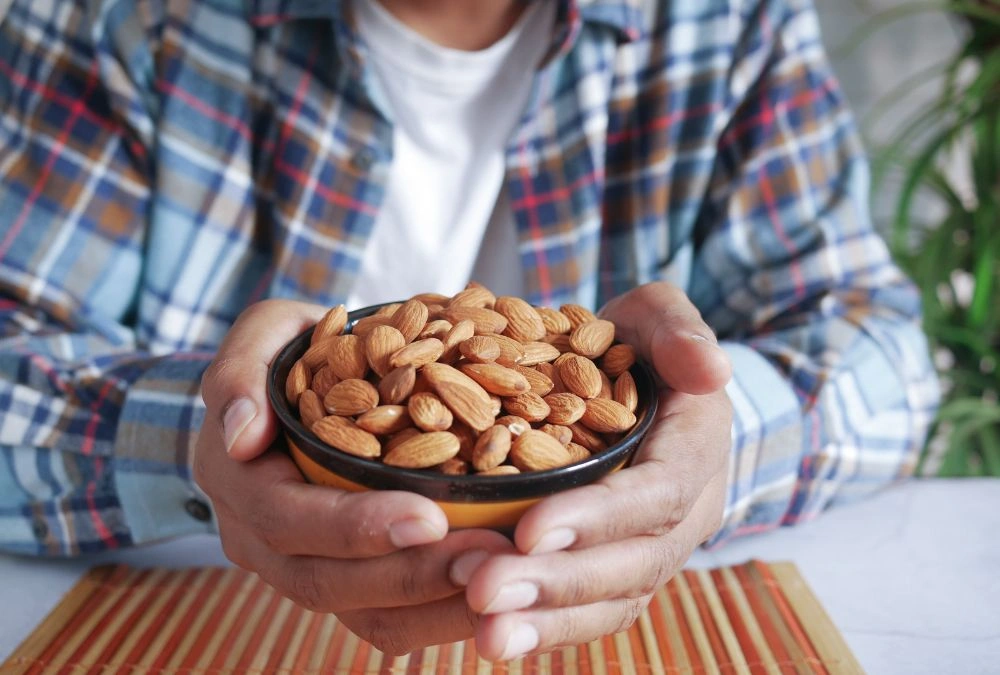
Ovbiagele reaches for almonds when he wants a snack. Nuts supply unsaturated fats and are part of the MIND eating pattern, along with leafy greens, beans, and whole grains. That’s where the example fits into the research, as one part of what people eat regularly.
If nuts are safe for you, put a small portion of unsalted almonds in a container before you’re hungry. Keep it where you normally look for a snack, or pack it when you know you’ll be out for the afternoon.
9. Find One Fish Dinner Worth Repeating

Salmon with vegetables is one of Fotuhi’s dinner options. Salmon supplies omega-3 fats, including EPA and DHA, and fits the Mediterranean style of eating that he describes.
Choose a version that fits your budget and cooking routine. Canned salmon on whole grain toast works for a quick lunch, while salmon and vegetables can share a baking pan for dinner. A meal you can put together on an ordinary Tuesday is easier to keep in the rotation.
10. Use Olive Oil Where It Already Makes Sense

Neurologist Faye Begeti uses olive oil as her main cooking fat. Replacing butter with olive oil in a dish shifts the mix toward unsaturated fat. Try it first where the flavor fits, such as roasted vegetables or a dressing with lemon juice.
Think of the swap in the context of the meals you eat all week. Studies of the MIND diet examine a full eating pattern, so the effect of a single cooking fat on your memory remains uncertain.
11. Choose a Breakfast You Can Make Half Awake
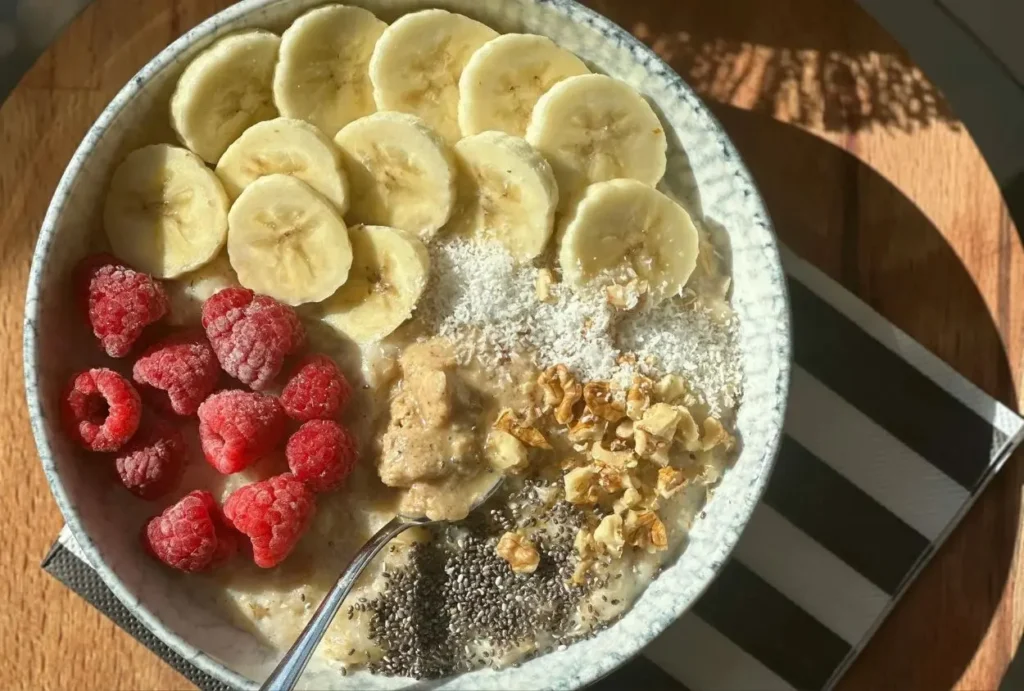
Fotuhi often has oatmeal with raisins and banana. Oats give him a regular source of whole grains, and the fruit adds sweetness and fiber. The practical part is having a breakfast that takes little thought on a busy morning.
If you usually rush out the door, put plain oats in the fridge the night before and add a banana when you’re ready to eat. You can also make a few servings at once if you prefer a hot breakfast.
12. Add Berries to Something You Already Like

Fotuhi adds blueberries to plain Greek yogurt. Blueberries get their color from plant pigments called anthocyanins, and berries are among the foods emphasized in the MIND diet. The diet research addresses what people eat overall, so it leaves open how much any single food contributes.
If fresh berries cost too much or spoil before you finish them, keep a bag of frozen berries on hand. Thaw a small portion in the fridge overnight and stir it into yogurt the next day.
13. Prepare the Part of Dinner That Usually Slows You Down

Neurologist Myrna Cardiel grills poultry on weekends and pairs it with fresh or frozen vegetables during the week. Having the main ingredient ready lowers the time and effort it takes to put a meal together on a busy evening.
Look at what usually makes you abandon a dinner plan. If cooking the protein takes too long, prepare that part ahead. If chopping vegetables is the hurdle, keep frozen vegetables you can heat as needed.
14. Have a Fallback Meal for the Nights Plans Fall Through

Fotuhi tries to prepare food at home and sometimes makes an omelet with spinach, mushrooms, and tomatoes. A familiar meal gives you control over what goes into it and makes it easier to use the vegetables you have. His omelet is one example you can adapt to what’s in your kitchen.
Pick one meal you can make quickly without a recipe. Eggs and greens work if you have them, or you could keep canned beans, frozen vegetables, and brown rice ready for a quick bowl.
What the MIND diet studies actually found
| Study | What researchers compared | What they found |
|---|---|---|
| 2024 observational study | The usual diets of adults 45 and older and how closely they matched the MIND pattern | People whose diets more closely matched the pattern were less likely to develop cognitive impairment. The study found an association. |
| 2023 randomized trial | A MIND diet and a comparison diet in 604 older adults with a family history of dementia. Both groups received guidance on mildly reducing calories. | After three years, changes in thinking scores and brain scans were similar in both groups. |
One study tracked what people usually ate, while the other tested whether assigning a particular diet led to better results. Together, they show why it’s worth being cautious about claims that one food will improve memory.
15. Put on Your Helmet Before Every Bike Ride

Neurologist Richard Davenport wears a helmet when he cycles. A helmet helps protect against head injury, and the 2024 Lancet Commission identifies traumatic brain injury as a potentially modifiable risk factor for dementia.
Keep your helmet beside your bike or with your riding shoes so you reach for it before leaving. Use it on familiar routes and short errands, where it can be easy to treat the ride as too routine to think about.
16. Keep a Book Going Between Other Things

Ovbiagele usually has a nonfiction book in progress. Following an argument or recalling a detail from an earlier chapter asks you to use attention and memory together. A book you genuinely want to return to gives you a reason to do that regularly.
Read a few pages and pause to explain one idea in your own words. If you prefer audiobooks, try doing the same thing when a chapter ends or bring up one detail the next time you talk with a friend.
17. Give One Conversation Your Full Attention

Begeti limits when she checks Instagram and mutes group chats. Each alert gives you another reason to look away from the person or page in front of you. Her routine helps cut those interruptions during activities she wants to focus on.
Mute one busy chat during dinner or while you read. If you need to stay reachable for family, start with the alerts you can comfortably turn off and pick a time to catch up afterward.
18. Start a Better Night of Sleep With a Steady Wake Time

Stroke neurologist Carolyn Brockington makes an effort to maintain good sleep habits. Sleep supports attention and memory, and the CDC recommends seven to eight hours for adults 65 and older. A regular wake time gives you a concrete place to start if your schedule changes from day to day.
Choose a time you can keep most mornings and give yourself enough time in bed to get the sleep you need. If you regularly wake unrefreshed, pay attention to how often it happens and what anyone who shares your room notices.
When to call your doctor about sleep
Ask your healthcare provider about sleep apnea if you notice any of these signs. Someone who shares your room may pick up on breathing changes before you do.
- Frequent loud snoring.
- Breathing pauses that someone notices while you sleep.
- Gasping for air during sleep.
- Frequent daytime sleepiness even after spending enough time in bed.
19. Practice Something You’re Still Learning

Neurologist Lara Marcuse took up piano in her mid-40s and sometimes practices only a few bars. Playing asks her to read, listen, and coordinate her hands at the same time. As she gets familiar with one passage, the next gives her something new to work on.
Choose a skill you’d enjoy getting a little better at, such as playing a song or taking photos with a new camera setting. Give yourself one small task for the next session so you can sit down and begin.
What to track if sleep still feels off
| What you notice | What to write down | What the record can show |
|---|---|---|
| Your schedule changes often | Bedtime and wake time | How much your sleep timing shifts across the week |
| You wake more than once | When you wake and whether you get back to sleep | How often your sleep is interrupted |
| You feel tired during the day | Overnight sleep, naps, caffeine, alcohol, and medications | Details your clinician can use to assess your sleep quality |
The CDC suggests using a sleep diary and talking with a healthcare provider if sleep problems recur.
Try This Today
- Look up your last blood pressure reading and save it for your next visit.
- Take a short walk after lunch at a pace that feels comfortable.
- Mute one busy group chat while you eat dinner or read.
- Set tomorrow’s alarm for a wake time you can keep most days.
Where to start if 19 habits feel like too many
Pick one health number to follow up on and one routine you can repeat this week. In the two-year U.S. POINTER trial, 2,111 adults ages 60 to 79 at increased risk of cognitive decline took part in programs combining exercise, diet, mental and social activity, and health monitoring. Those who received more structure and support improved slightly more on thinking tests than those in the self-guided program.
Whether that difference will translate into fewer dementia diagnoses remains open. For tomorrow, the most practical place to start may be a reading you can look up, a walk you can put on the calendar, or a bedtime that gives you enough room to sleep.
