

You finish reading something useful, then struggle to explain it an hour later. You recognize the words when you look back, but the details disappear when you need them.
That means more time rereading and less confidence using what you learned. These 20 memory tricks offer practical ways to help information stick, starting with how you review it.
The list covers remembering facts, understanding ideas, learning sequences, and finding information when your mind goes blank. Start with the first two techniques, then choose others that fit what you need to remember.
These strategies support learning and everyday recall. They do not diagnose memory problems or replace treatment for a condition affecting thinking or memory.
1. Close the Page Before Reviewing

After reading a short section, hide it and explain what you remember. This is retrieval practice, which turns review into an attempt to recover information rather than another encounter with the answer.
A major research review rated practice testing among the most useful learning techniques across different learners and materials. Start with one paragraph and write its main point without looking, then check what you missed.
2. Space Your Practice Across Different Days

Review the same material on separate days instead of squeezing every repetition into one sitting. The gap makes you recover information after some forgetting, which can improve retention compared with closely packed repetitions.
For a practical starting point, revisit something tomorrow, several days later, and the following week. Those intervals are examples rather than a proven formula, since useful spacing depends partly on how long you need to remember the material.
3. Turn Your Notes Into Questions

A note gives you the answer, while a question makes you search for it. That difference matters because recognizing a familiar sentence can feel like knowledge even when you cannot produce the information yourself.
Change “The three stages are…” into “What are the three stages, and what happens in each?” Answer before revealing the notes, then check accuracy so missing details become the focus of the next review.
4. Test Yourself After the Familiarity Fades

Do not judge learning only by how easy something feels immediately afterward. In a 2006 study, repeated reading helped more on a test after five minutes, but earlier recall practice produced better retention after two days or one week.
That finding explains why a smooth rereading session can create misplaced confidence. Check an important idea the next day without notes, when the page is no longer fresh in your mind.
Which Memory Tricks Deserve the Most Practice?
A 2013 review compared 10 common learning techniques rather than assuming every method worked equally well. Its ratings concerned how broadly and reliably a technique helped, not whether it could ever be useful.
| Technique | Review rating | What that means for your routine |
|---|---|---|
| Practice testing | High utility | Make recalling information a regular part of review |
| Distributed practice | High utility | Return to material across separate sessions |
| Self explanation | Moderate utility | Explain connections and reasoning, then verify them |
| Interleaved practice | Moderate utility | Mix suitable problem types rather than assuming universal benefits |
| Highlighting and rereading | Low utility | Use selectively instead of relying on them alone |
5. Ask Why the Fact Is True

A disconnected fact gives memory little to work with. Asking why it makes sense can connect it to knowledge you already have, an approach researchers call elaborative interrogation.
For example, someone learning that spacing helps retention might ask why several separated reviews differ from several immediate repetitions. Write a short explanation, then verify it against the source, because a convincing explanation can still be wrong.
6. Explain the Steps, Not Just the Answer
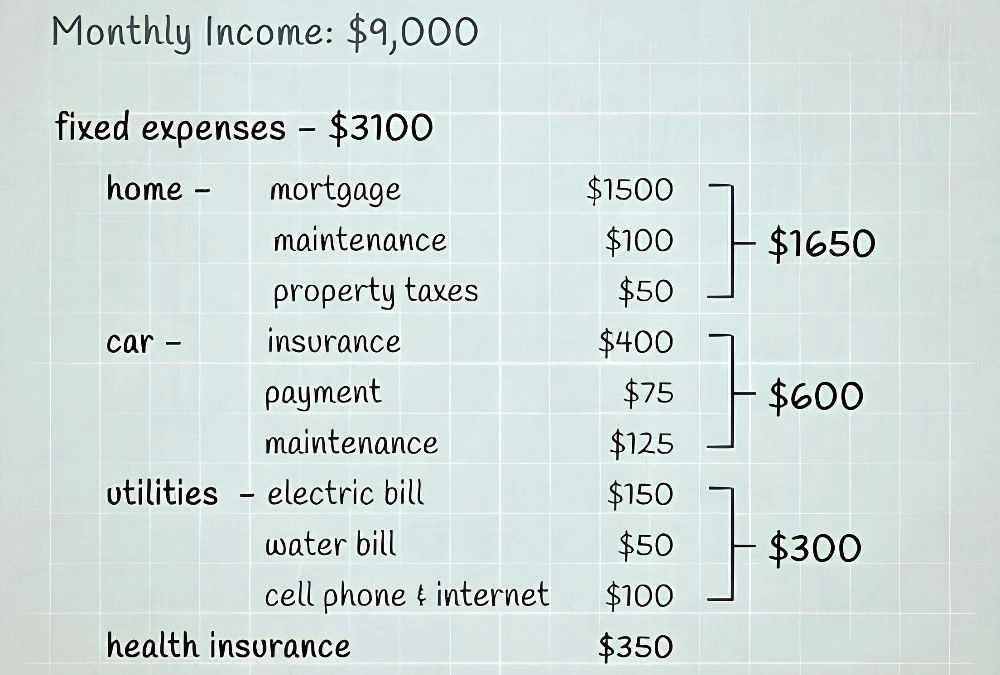
When learning a process, talk through why each step belongs there. Self-explanation encourages attention to relationships that can disappear when someone copies a finished example.
For a household budget, explain why fixed expenses come before deciding what remains for flexible spending. If you cannot explain a step without repeating the original wording, return to that specific gap rather than rereading everything.
7. Mix Related Problems Once the Basics Make Sense

Doing the same kind of problem repeatedly lets you predict the next move. Interleaving mixes related problem types, giving you practice deciding which method applies.
Someone learning percentages could alternate discount, tax, and percentage change problems instead of completing a long block of each. Research supports benefits in suitable settings, but beginners may still need clear instruction and initial practice before mixing tasks.
8. Group Details Into Meaningful Chunks
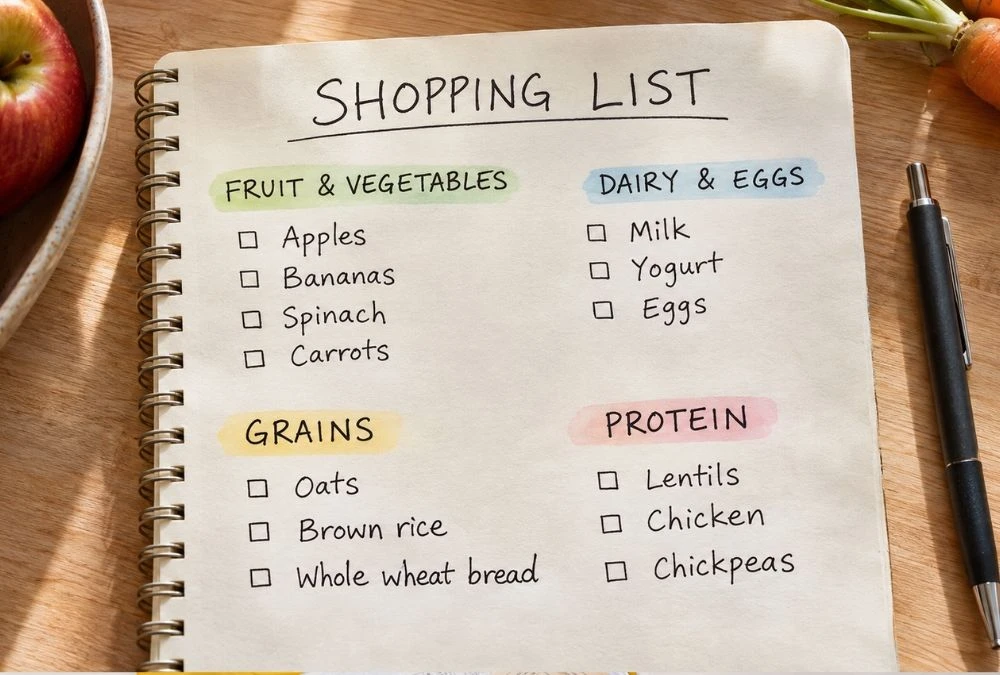
Chunking organizes separate pieces into units that belong together. Remembering a number as several familiar groups can be easier than treating every digit as an unrelated item.
The useful part is the structure, not simply inserting spaces. Group a shopping list by meals or food categories, or divide a process into preparation, action, and checking, so each group cues its contents.
9. Give a Short List an Acronym

An acronym uses initial letters to provide a compact reminder of several items. Cleveland Clinic includes mnemonics among its practical memory techniques, with the familiar rainbow cue “Roy G. Biv” as an example.
Create one for a small list you genuinely need, then practice expanding every letter without looking. The letters help retrieve the list, but they cannot replace understanding what each item means or when to use it.
10. Put an Ordered List Along a Familiar Route
The method of loci, often called a memory palace, links information to locations you know well. Mentally walking through those places supplies an ordered set of retrieval cues.
Start with five locations in your home and place one vivid image at each. Research has examined this method in memory athletes and in previously untrained people receiving six weeks of practice, so it deserves more patience than a single attempt.
11. Draw the Idea Instead of Copying It Again

A simple sketch can make you select and represent meaning rather than reproduce words. Across seven experiments, researchers found that drawing words improved later recall compared with writing them.
Try sketching a cycle, a relationship, or an object connected to the information. Artistic skill is not the goal, and the word learning findings do not mean every elaborate diagram will improve understanding of difficult material.
12. Say Selected Facts Aloud

Speaking a word can give it a more distinctive memory record than reading it silently. Researchers call this the production effect, which has been studied extensively using words and other learning materials.
Choose a few important names, terms, or definitions and say them clearly during review. Keep a separate check on understanding, since research on reading text aloud has found memory benefits without corresponding gains in comprehension.
Match the Method to the Memory Job
Different techniques provide different kinds of help. Choose a method based on what you need to retrieve, rather than trying to use every trick for every task.
| What you need to remember | Method worth trying | Important limitation |
|---|---|---|
| Related details or numbers | Meaningful chunks | Groups work best when their structure makes sense |
| A short set of labels | Acronym | Remembering initials does not establish understanding |
| Items in a particular order | Familiar route | Building and rehearsing the route takes practice |
| Concrete terms or relationships | Simple drawing | Strong word recall findings do not prove benefits for every topic |
| Selected words or definitions | Speaking aloud | Better memory does not necessarily mean better comprehension |
The distinctions above come from clinical guidance and research on mnemonic training, drawing, and the production effect. They describe suitable applications rather than a ranking of guaranteed results.
13. Try a Question Before You Know the Answer
Before reading a section, attempt one relevant question about it. Research on pretesting suggests that even an unsuccessful attempt can improve later learning when the correct information follows.
For example, ask what separates short-term storage from lasting memory before reading an explanation. Then deliberately check and correct your answer, since the technique involves learning from the answer rather than repeatedly rehearsing a guess.
14. Leave a Quiet Gap After Learning

Immediately switching from a lesson to messages, videos, or another demanding task introduces more information. A quiet pause may give newly learned material a less crowded period in which to settle.
In a 2012 study, researchers compared ten minutes of wakeful rest with a spot-the-difference game after participants learned stories. Try a brief quiet rest after an important session, while recognizing that this is a promising strategy rather than a guaranteed effect from every break.
15. Clear Distractions Before Information Arrives

Sometimes the problem starts before remembering is possible. If attention keeps switching during a conversation or lesson, the information may never receive enough processing to be learned clearly.
Mayo Clinic recommends limiting distractions and avoiding too many tasks at once when trying to remember. Put the phone out of reach, close unrelated tabs, and give the material a short period of focused attention before deciding that your memory failed.
16. Use a Specific Clue When Your Mind Goes Blank

Instead of repeating “What was it?” try reconstructing relevant details. Harvard Health recommends describing the person, place, experience, or fact you are attempting to recall.
For a forgotten name, think about where you met, what you discussed, or how the person was introduced. These details can supply retrieval cues, although they do not guarantee that the missing information will return immediately.
17. Move Routine Reminders Out of Your Head
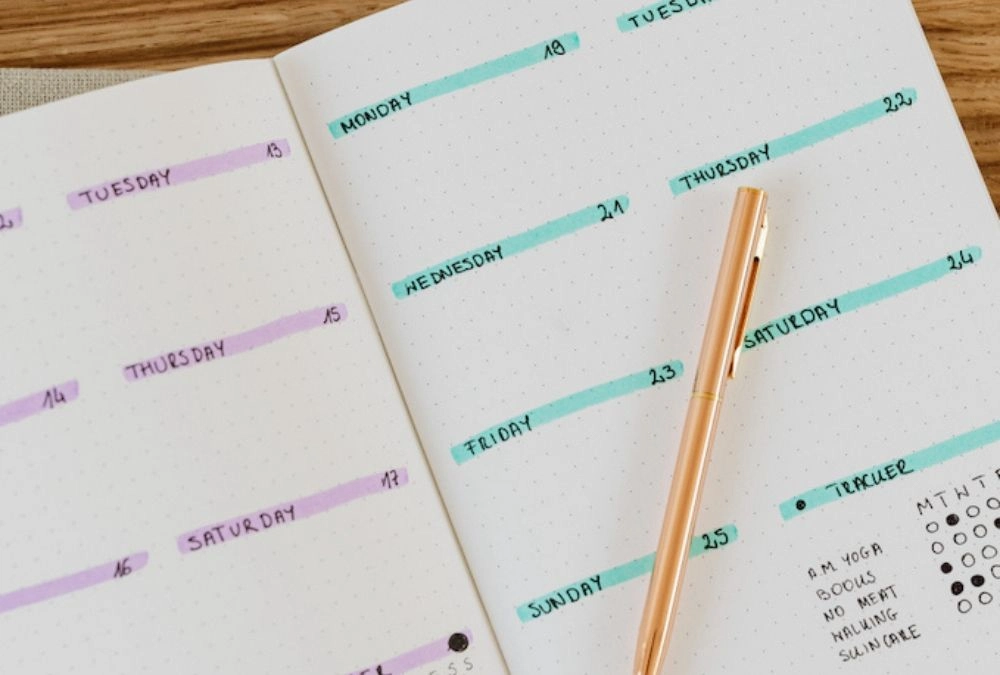
Appointments and errands do not need to compete with everything you are learning. A reliable calendar or notebook stores those details externally, reducing the need to keep mentally rehearsing them.
Use one main system and review it at consistent points in the day. This is a practical memory aid rather than proof that unaided recall has improved, and its usefulness depends on checking the system you chose.
18. Protect Sleep Instead of Adding Another Late Review

Sleep supports memory formation and consolidation, the processes involved in establishing and stabilizing memories. Poor sleep can also make it harder to pay attention during the next learning session.
Mayo Clinic recommends seven to nine hours of sleep regularly for adults. When choosing between another exhausted rereading session and adequate sleep, remember that learning depends on both the practice session and the condition of the person doing it.
Why Immediate Confidence Can Be Misleading
The 2006 testing effect experiments compared studying and recall practice using prose passages. The pattern changed depending on when the final test occurred, which is a useful warning against judging a method only by immediate performance.
| Final test timing | Pattern reported in the experiments | Practical lesson |
|---|---|---|
| Five minutes later | Repeated studying performed better than repeated testing | Fresh familiarity can help immediate performance |
| Two days later | Prior testing produced better retention | A method that feels harder can support later recall |
| One week later | Prior testing retained its advantage | Judge learning after a meaningful delay |
19. Ask About the Same Idea in Different Ways

Repeatedly using the exact same question can tie recall closely to that wording. Research on variable retrieval suggests that changing retrieval cues can strengthen the benefits of spaced recall practice.
For a new concept, first ask for its definition, later request an example, and then ask how it differs from a similar idea. Keep the underlying information accurate while varying the route you use to reach it.
20. Make Highlighting Lead Somewhere
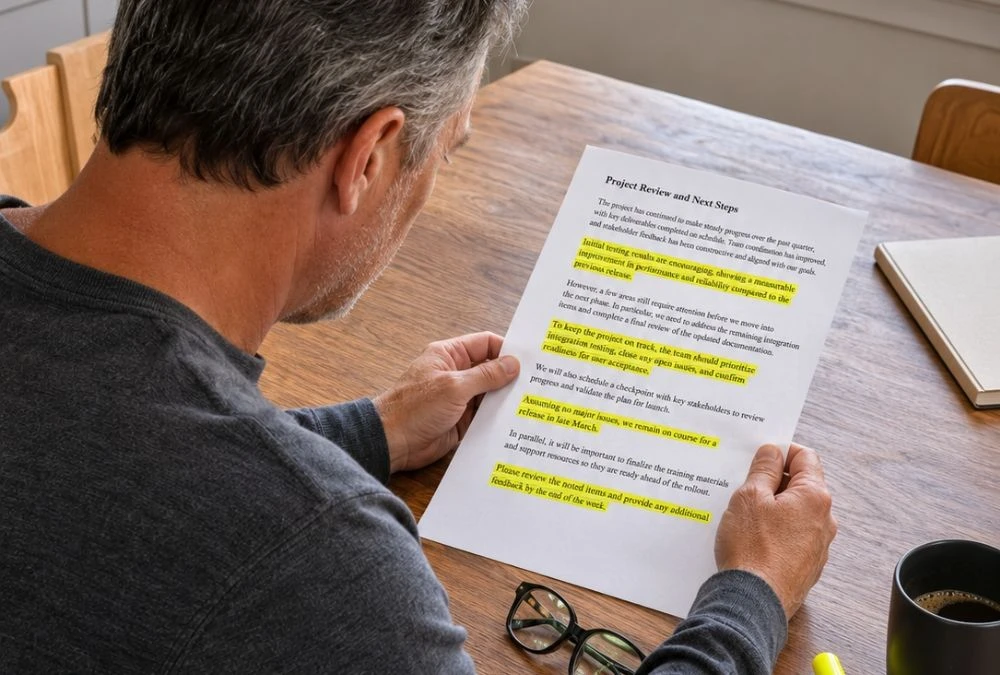
Highlighting can identify material worth revisiting, but a colored sentence does not show that you can remember it. The useful next step is turning that marked information into something you must produce.
After highlighting a key passage, close the page and explain its meaning or sketch its structure. Cornell’s learning guidance emphasizes actively recalling information in forms such as writing, diagrams, and graphs, making review a task rather than another visual pass.
Try This Today
Choose something small enough to review without turning the exercise into a project. The following routine combines retrieval and spacing, the two techniques with particularly broad research support.
- Read one short section about something you genuinely want to learn.
- Close it and write three points you remember without checking.
- Compare your answer with the source, correcting missing or inaccurate details.
- Set a reminder for tomorrow, then try recalling the information before reopening it.
Start With Two Changes You Can Repeat
You do not need to turn all 20 techniques into a daily checklist. Begin by recalling information before looking at it again and returning to it across separate days, then add a task-specific method when it helps.
Use delayed recall to check what actually stayed with you. A useful routine gives you accurate feedback, manageable practice, and another chance to strengthen what you missed.
