
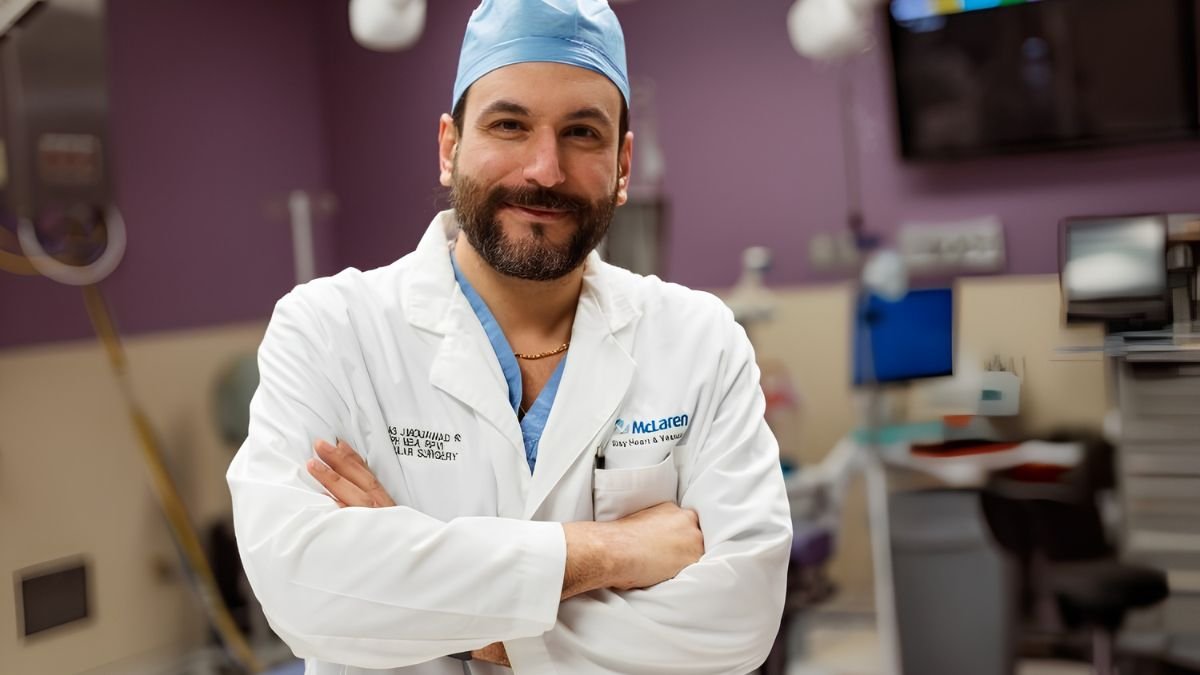
You feel a dull ache in your calf when you walk to the mailbox, and you chalk it up to getting older. Then the ache turns into a tight cramping sensation that forces you to sit down before you can finish your errands.
Then the ache turns into a tight, burning cramp that forces you to sit down before you can finish your daily errands. You might assume you just need to stretch, but ignoring this seemingly harmless pain is a direct path to a life-threatening vascular event.
Ignoring this seemingly harmless muscle cramp is a direct path to a life-threatening vascular event. Turns out there is one specific leg symptom that signals a massive circulatory crisis, and most people have never heard of it.
1. The Hidden Warning Sign in Your Legs
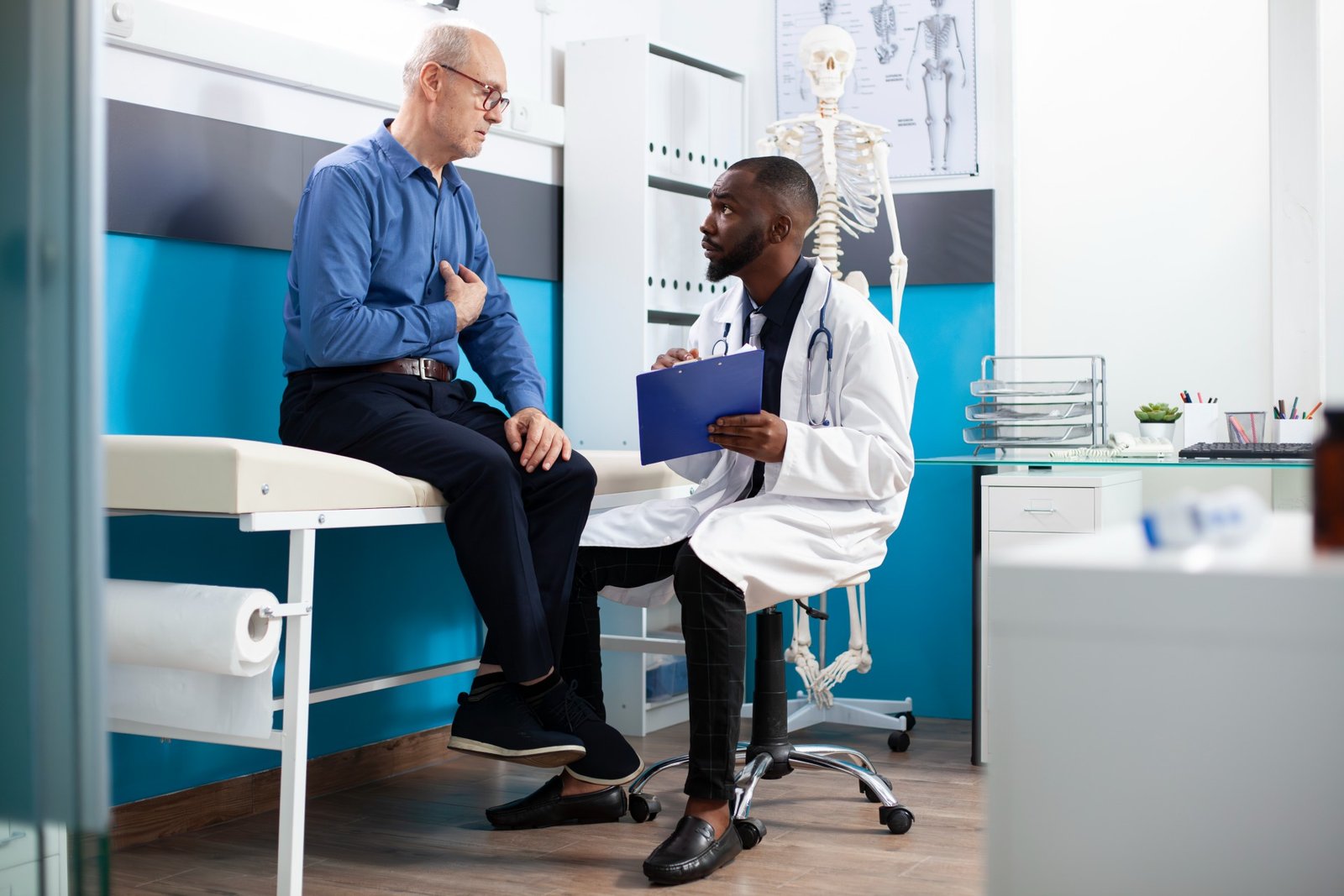
Richard has worked as a vascular surgeon for over two decades. He spends his days in the operating room dealing with the devastating aftermath of ignored symptoms. He sees the same tragedy unfold week after week in his hospital.
Patients come to his clinic when their toes turn blue, or they cannot walk across the room. By that time, the damage is extremely severe. Richard always asks them when they first noticed a problem in their legs.
2. The Predictable Pattern of Claudication
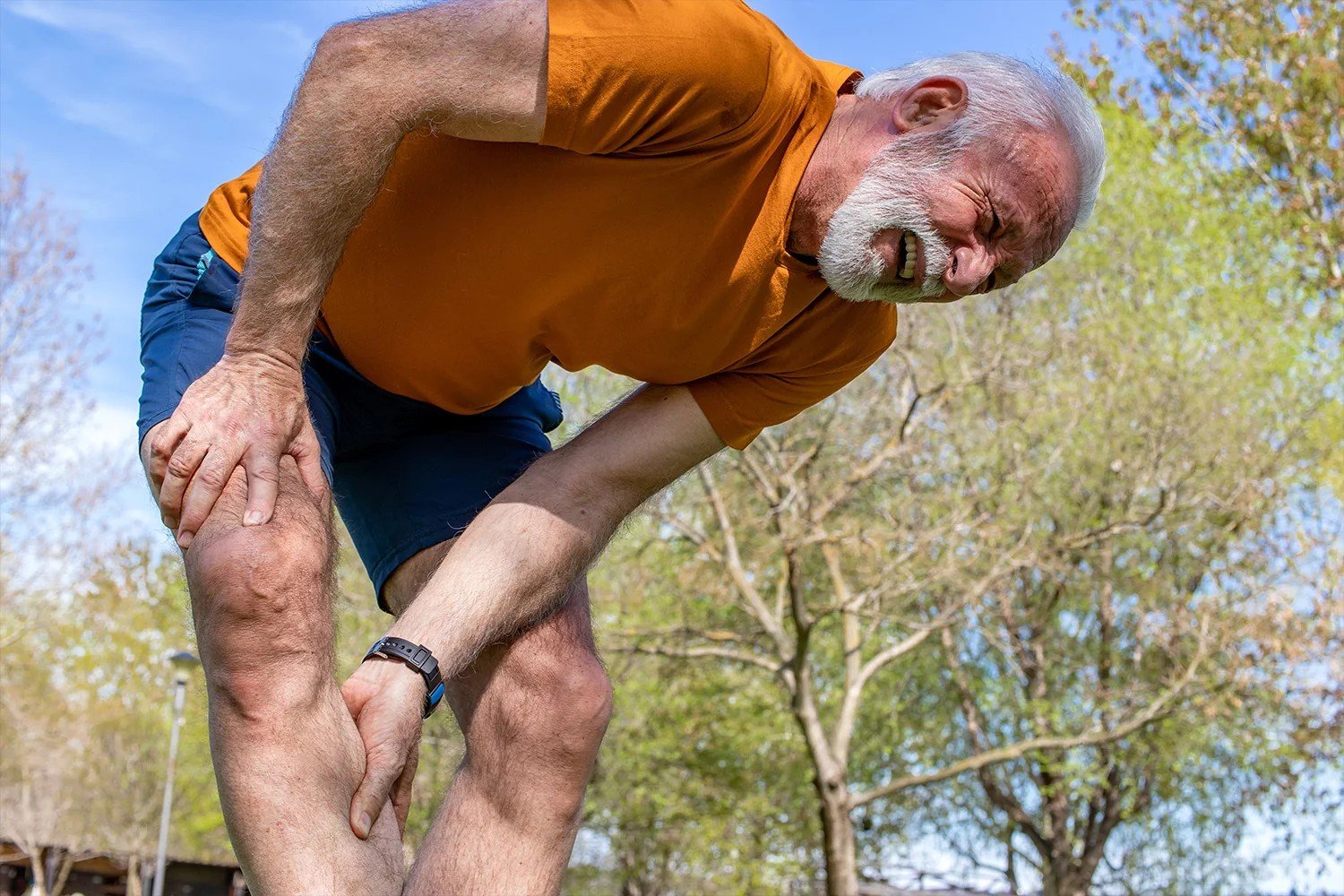
The answer is almost always identical. They felt a strange cramping in their calf months or even years ago. They assumed they slept in a bad position or needed to eat more potassium.
This hidden danger is known as claudication. It is the hallmark symptom of a widespread condition called Peripheral Artery Disease. People often confuse it with a standard muscle cramp.
3. How Plaque Chokes Your Leg Arteries
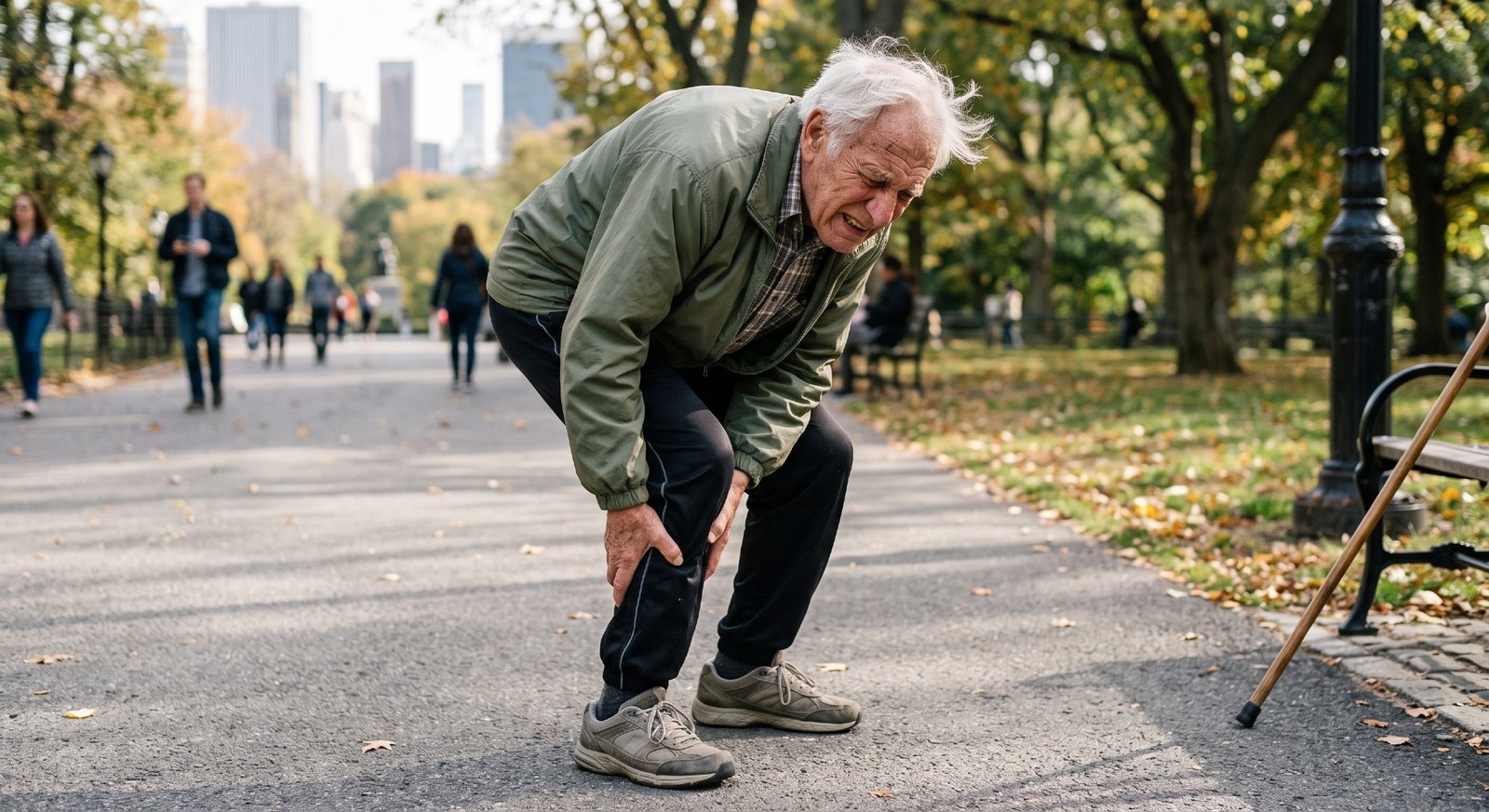
Claudication happens predictably when you exert yourself. The cramping occurs because your leg muscles are begging for oxygen. The arteries leading to your legs are so clogged with plaque that the blood cannot get through.
A normal Charley horse happens because of dehydration or muscle fatigue. It strikes suddenly and goes away with stretching. Claudication is completely different and far more sinister.
4. The Pain That Stops With Rest

When you stop walking and rest, the pain slowly fades within just a few minutes. Your leg muscles suddenly need less oxygen, so the tiny trickle of blood squeezing through the plaque is temporarily enough to satisfy them.
This predictable pattern tricks people into thinking the problem is minor or just a sign of poor stamina. They sit down on a bench, the pain vanishes, and they assume they simply needed to catch their breath.
5. The Ticking Clock For Heart Attacks
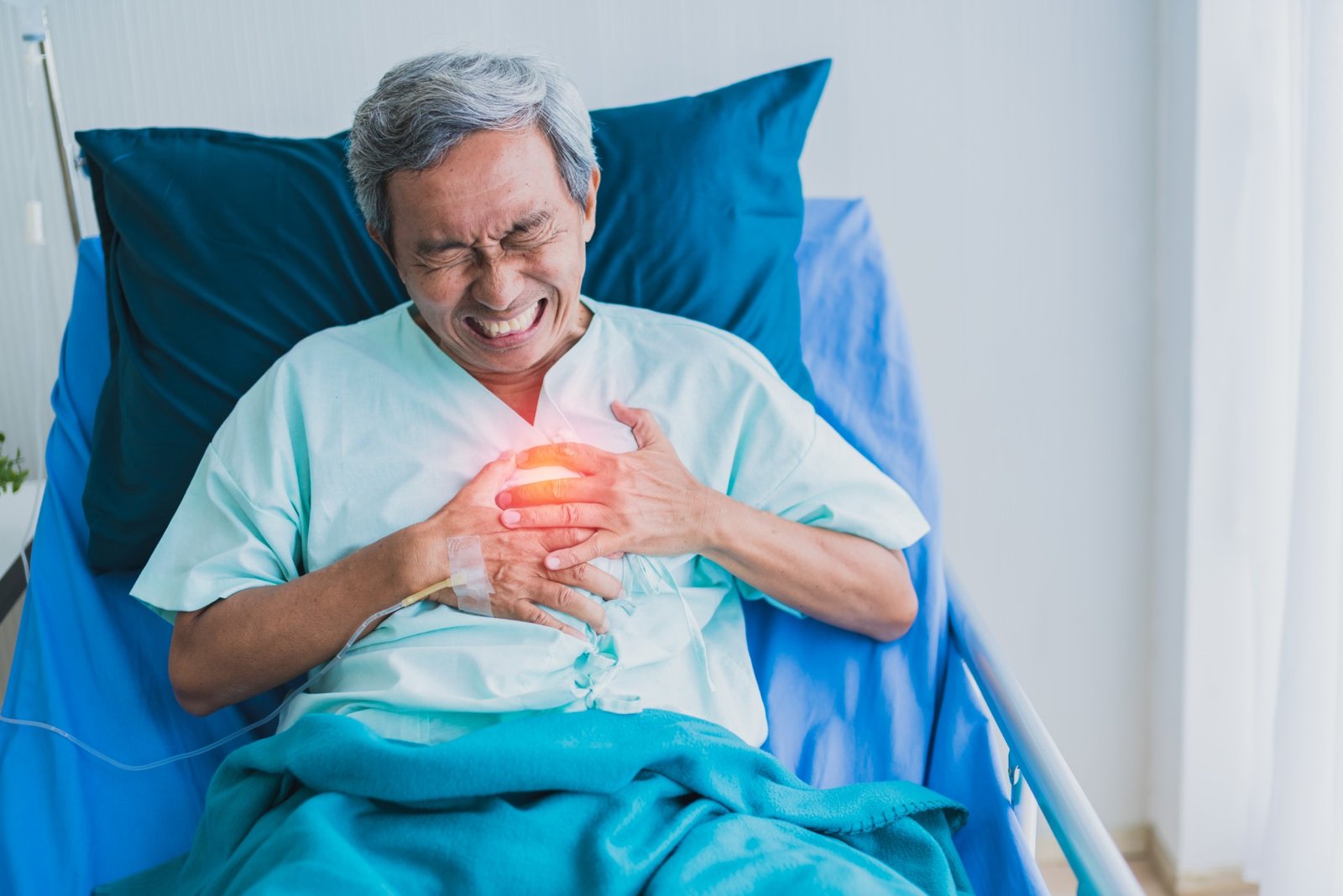
Richard notes that patients who ignore this symptom are sitting on a ticking time bomb. The plaque blocking the leg arteries is also building up in the heart and the brain.
Patients with untreated claudication have an incredibly high risk of experiencing a fatal heart attack or stroke within five years.
| Vascular Condition | Typical Sensation | What Is Actually Happening | Primary Danger |
| Peripheral Artery Disease | Predictable cramping when walking that stops with rest | Plaque is restricting arterial blood flow to the muscles | Major predictor of future heart attacks and strokes |
| Deep Vein Thrombosis | Sudden throbbing pain or swelling in one leg at rest | A blood clot has formed inside a deep vein | Clot can travel to the lungs and cause instant death |
| Simple Muscle Cramp | Sharp sudden spasm that resolves quickly | Muscle fatigue or mineral imbalance | Harmless and highly reversible with stretching |
6. The Sudden Threat of Deep Vein Thrombosis
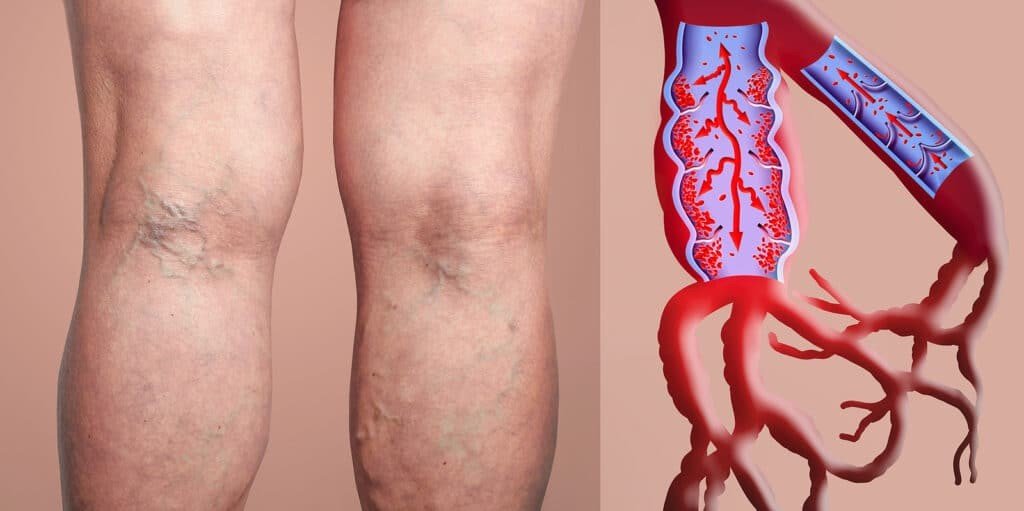
There is another variation of this leg pain that presents an immediate mortal threat. This is called Deep Vein Thrombosis.
While Peripheral Artery Disease develops slowly over years, Deep Vein Thrombosis happens quickly. A blood clot forms deep inside the leg vein.
7. Recognizing The Clot Symptoms
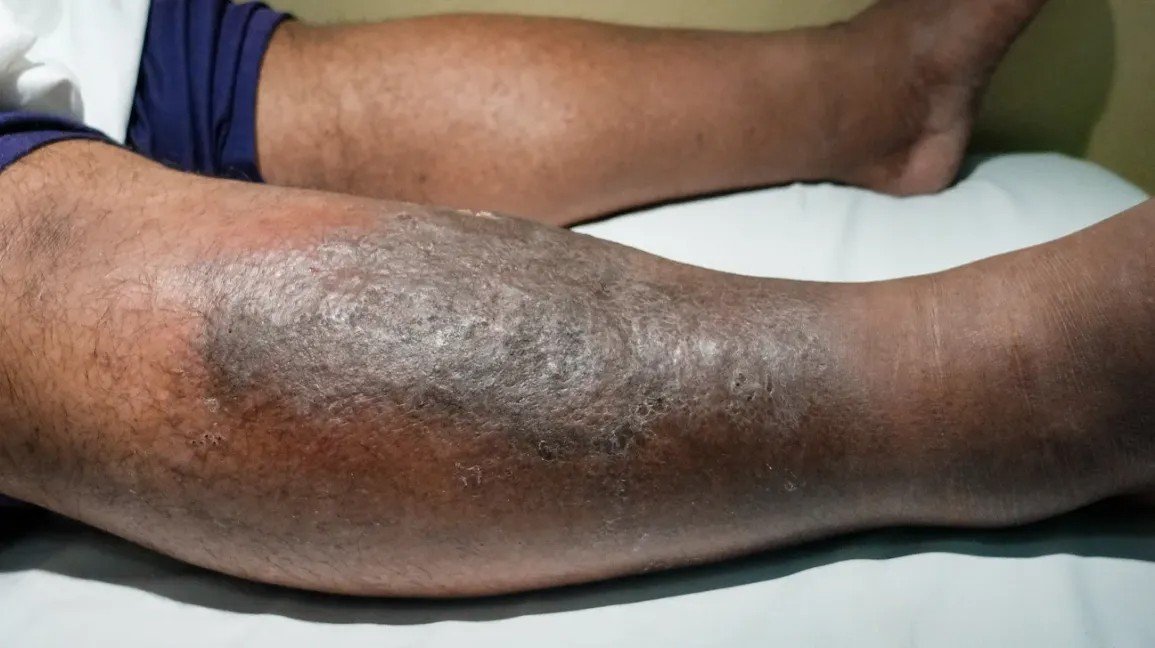
The leg might swell slightly, feel unusually warm to the touch, or throb with a deep ache even when you are completely still. You might also notice a strange red or purple discoloration spreading across your calf.
Because the pain often feels like a heavy bruise, many patients think they just pulled a muscle while sleeping or walking. They assume the ache will go away on its own and push through the day.
8. Why Massaging A Blood Clot Is A Fatal Mistake
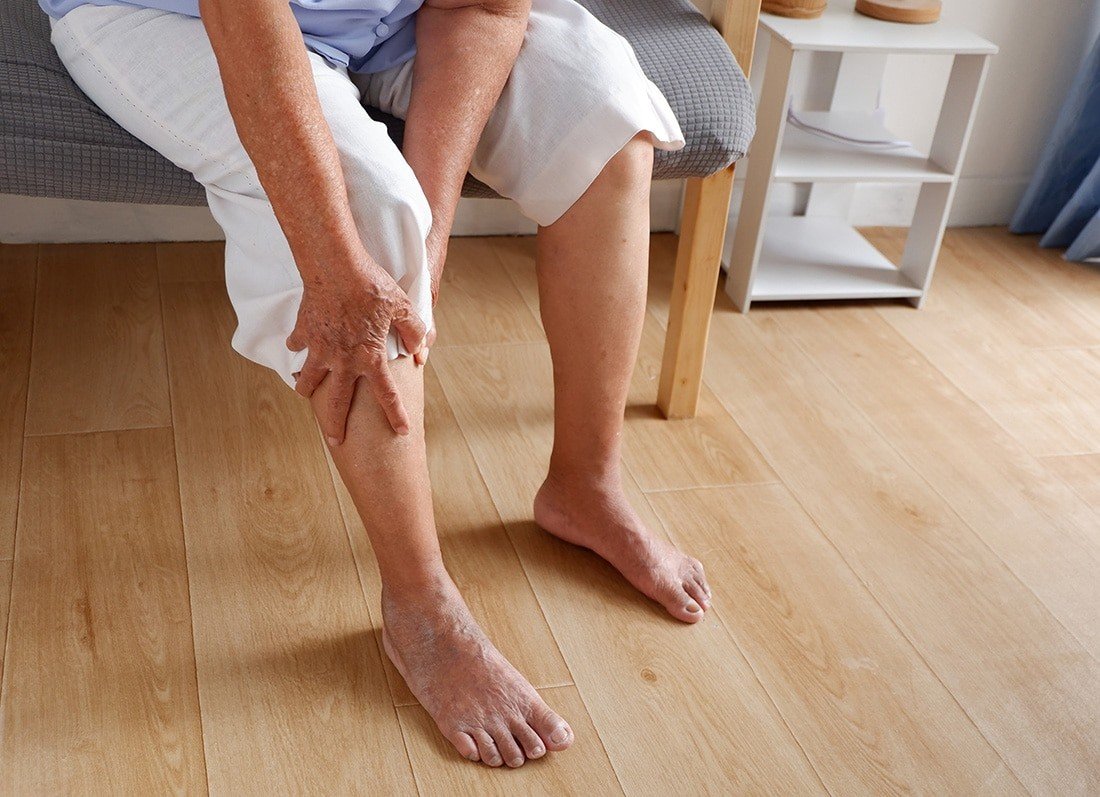
People instinctively reach down and vigorously massage their aching leg to relieve the intense discomfort. They try to work out what they believe is a stubborn muscle knot.
Richard warns his patients that this natural reaction is actually a fatal mistake. Pressing firmly on a deep vein clot can easily break it loose from the vein wall. Once that fragile clump of blood breaks free, you face an immediate and terrifying medical emergency.
9. The Journey From A Leg Vein To The Lungs
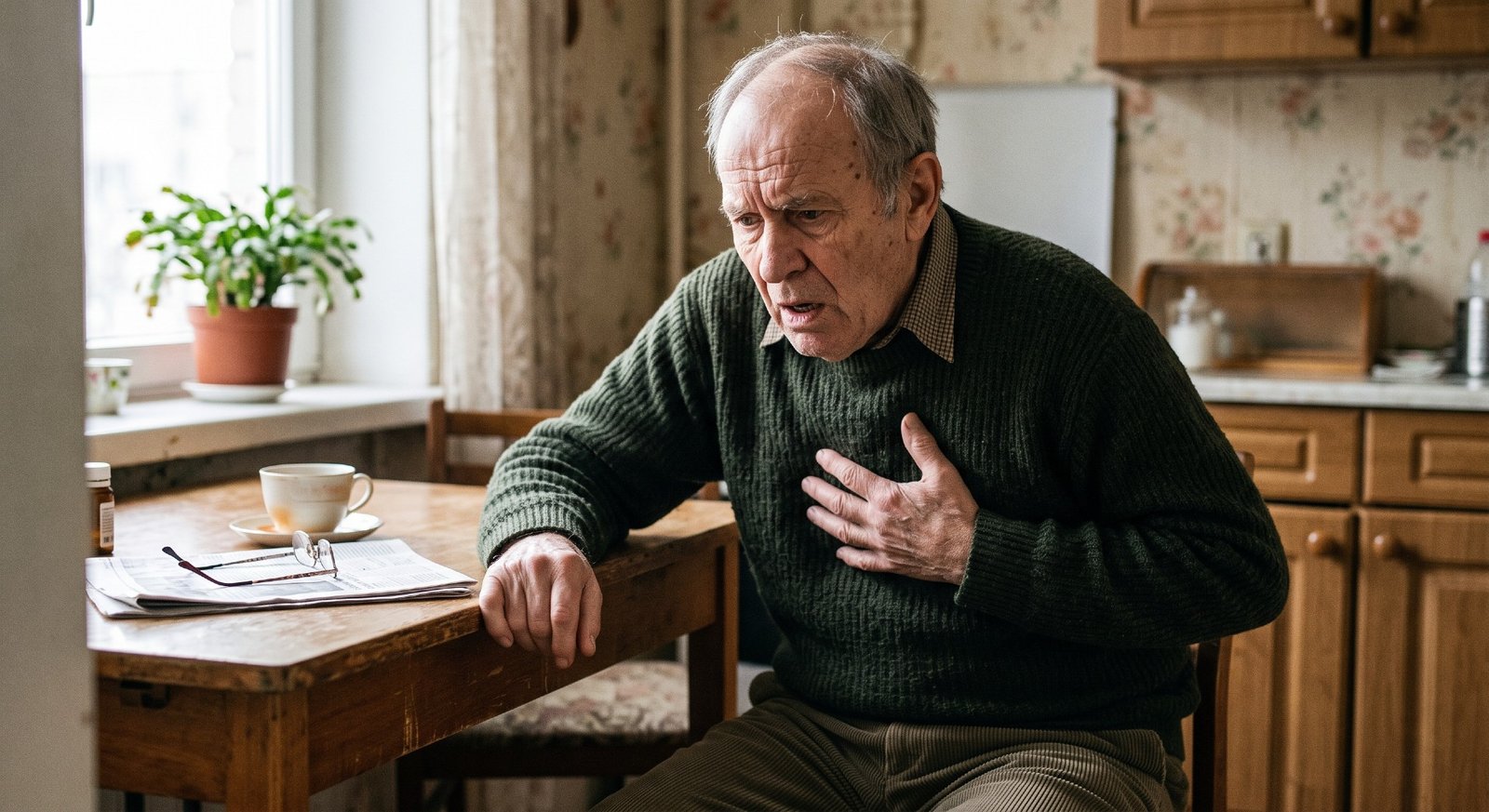
The free-floating clot acts like a plug moving rapidly up a one-way highway. It travels straight up your leg veins, passes through the right side of your heart, and shoots directly into your lungs.
Once there, it gets wedged firmly inside a pulmonary artery and completely cuts off your oxygen supply. This devastating blockage is called a pulmonary embolism. Because it suffocates the body from the inside out, a severe pulmonary embolism is frequently fatal in a matter of minutes.
10. Tracking Your Walking Distance Accurately
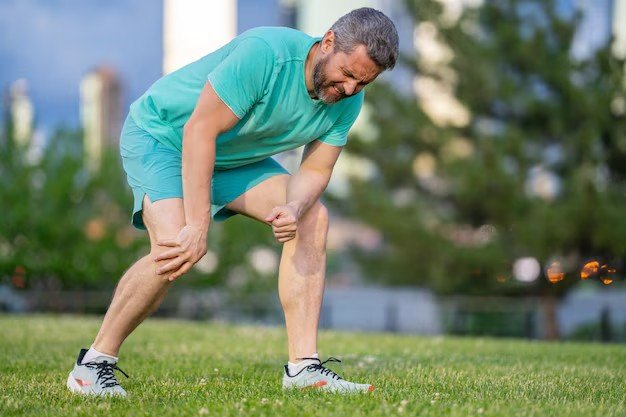
Understanding the difference between these sensations is literally a matter of life and death. You must pay attention to exactly when the pain starts and stops.
Richard advises his patients to track their walking distance meticulously. If your leg starts burning after exactly two blocks every single day, you are dealing with a mechanical blockage.
11. Identifying A Mechanical Blockage

A pulled muscle does not operate on a strict distance schedule. This predictable limit is your best diagnostic clue at home. It tells you exactly how far your blood can travel before the oxygen supply runs out.
| Leg Symptom | Most Likely Cause | Reversible Status | When To Seek Care |
| Cramp after exact distance | Arterial plaque buildup | Highly manageable | Schedule regular doctor visit |
| Sudden swelling in one calf | Blood clot in deep vein | Requires medication | Go to emergency room now |
| Cold toes with pale skin | Severe arterial blockage | Requires intervention | Urgent medical evaluation |
| Night cramps during sleep | Hydration or nerve issues | Easily reversible | Mention at next checkup |
12. The Simple Ankle Brachial Index Test
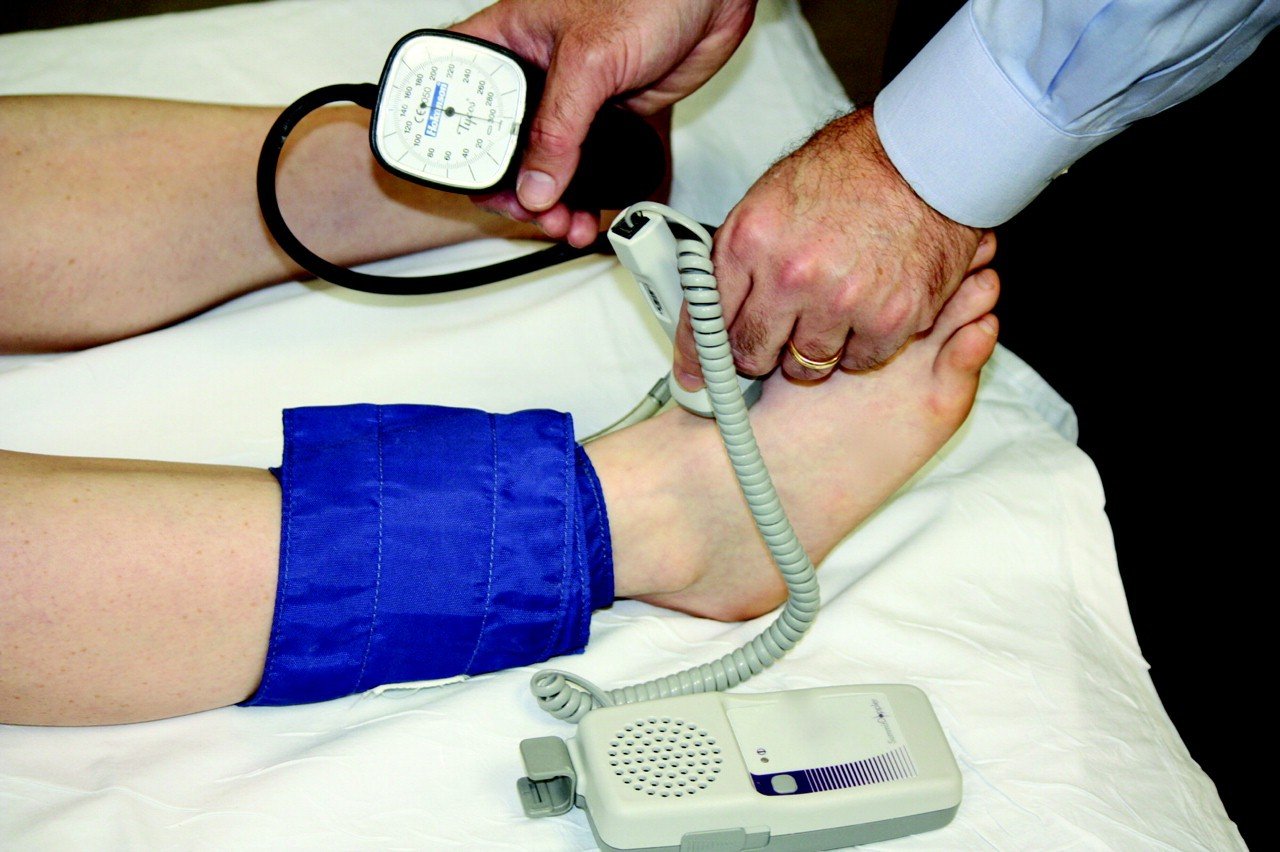
The diagnostic process for discovering these blockages is actually incredibly simple and completely painless. You do not have to endure invasive procedures or spend hours inside a claustrophobic scanning machine to find out what is happening inside your legs.
Medical professionals use a basic tool called the Ankle Brachial Index to check your overall vascular health in just a few minutes. The process feels exactly like getting your routine blood pressure checked during a standard physical exam.
13. Comparing Blood Pressure Levels
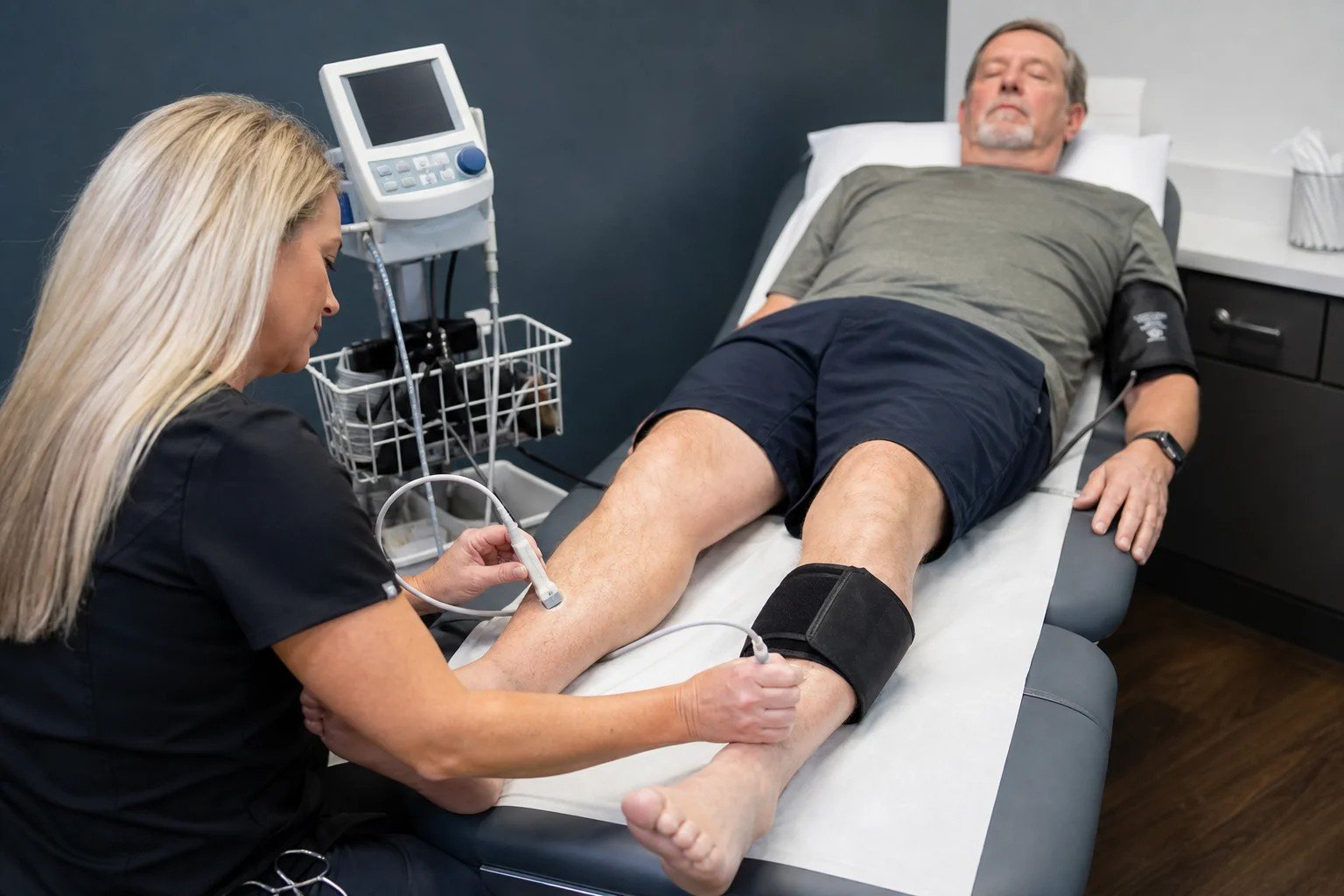
This clever test compares the systolic blood pressure in your arm directly to the blood pressure in your lower leg. A doctor or nurse will inflate standard cuffs on your limbs while listening to the blood flow with a special handheld ultrasound device.
In a healthy circulatory system, the blood pressure readings at both locations should be practically identical. If the pressure reading in your ankle is significantly lower, it definitively proves that blood is getting trapped behind a hardened wall of plaque somewhere along the way.
14. Catching Arterial Blockages Early
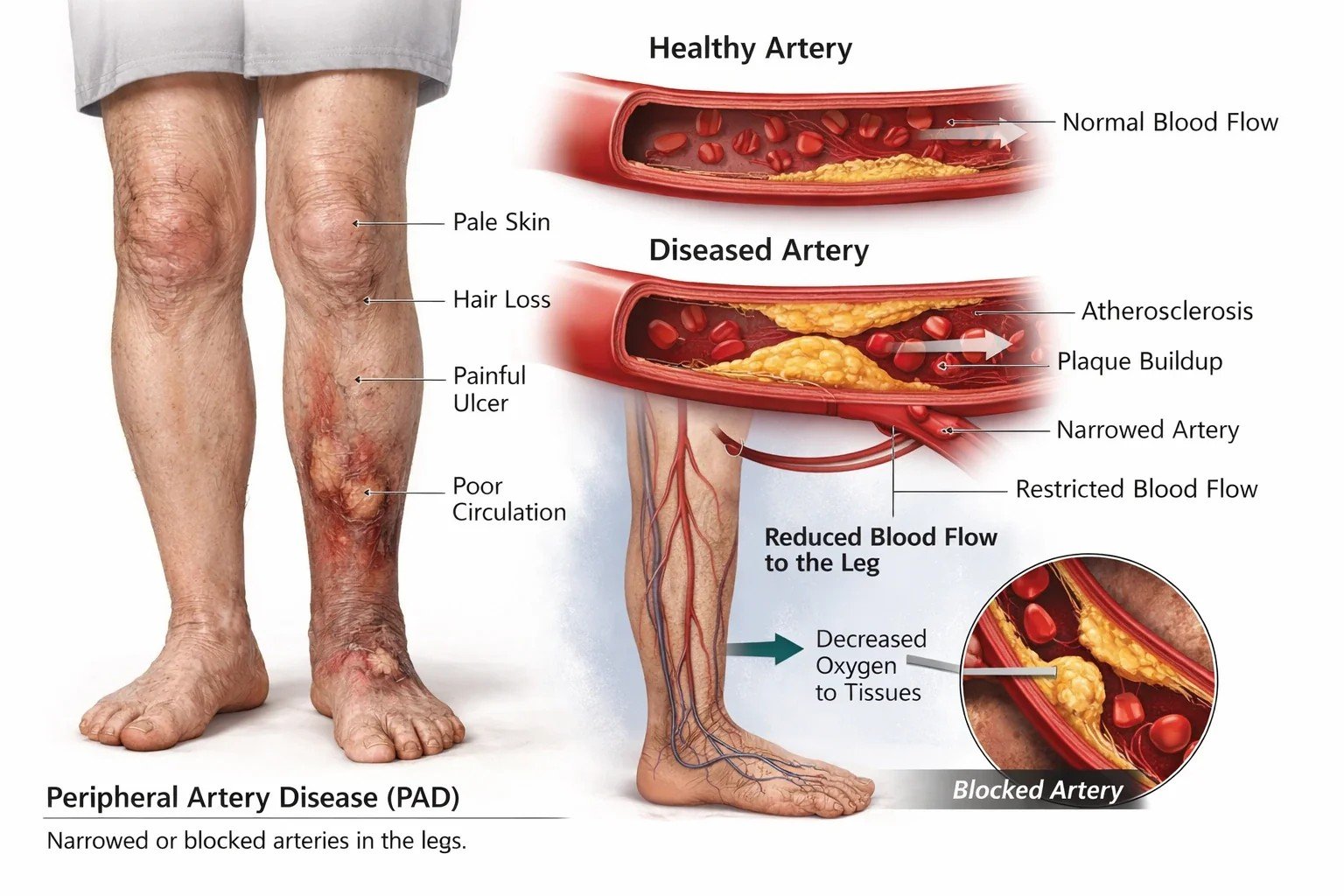
Richard relies heavily on this quick test to catch severe arterial blockages long before they require an emergency operation. Finding the plaque buildup early gives you a critical window of opportunity to intervene before your leg tissue begins to die from oxygen starvation.
The earlier you spot the narrowing of your arteries, the easier it is to halt the damage naturally. You can actually train your own body to grow brand new blood vessels around the blockages if you start the process early enough.
15. The Miracle of Vascular Angiogenesis
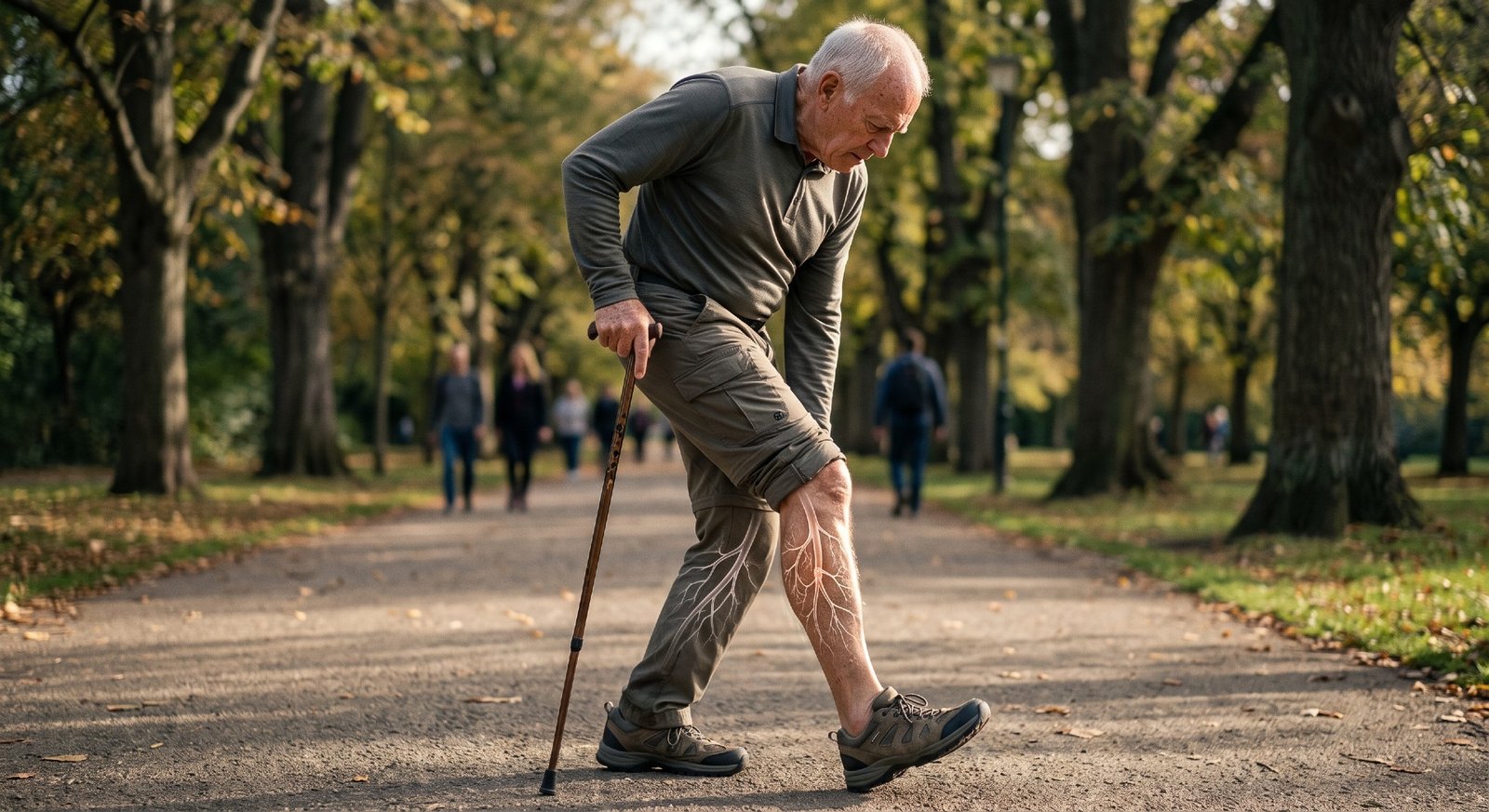
This fascinating biological reversal process is called angiogenesis. When you safely push your leg muscles just to the edge of the claudication pain, your tissue begins to crave more oxygen.
In response to this controlled physical stress, your body releases powerful chemical growth factors into your bloodstream. These chemical messengers instruct your circulatory system to literally sprout tiny new detour vessels called collaterals.
16. Reversing Damage Through Supervised Exercise
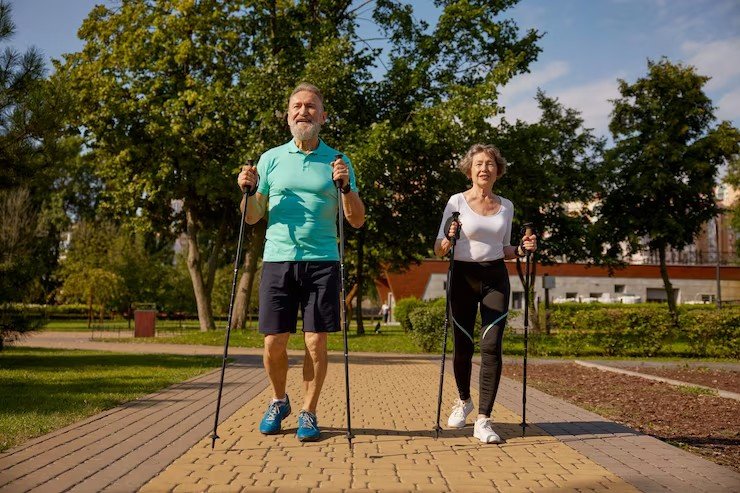
It definitely takes time and consistent dedication to grow these microscopic collateral pathways effectively. You have to commit to a structured walking program where you intentionally walk until the mild pain starts, rest, and then walk again.
Repeating this specific cycle under medical supervision over a period of three to six months physically alters the vascular map of your legs. If you stick with it, the results can eliminate your daily cramping and save you from needing artificial surgical stents or risky bypass operations.
17. The Role of Sugar In Plaque Formation
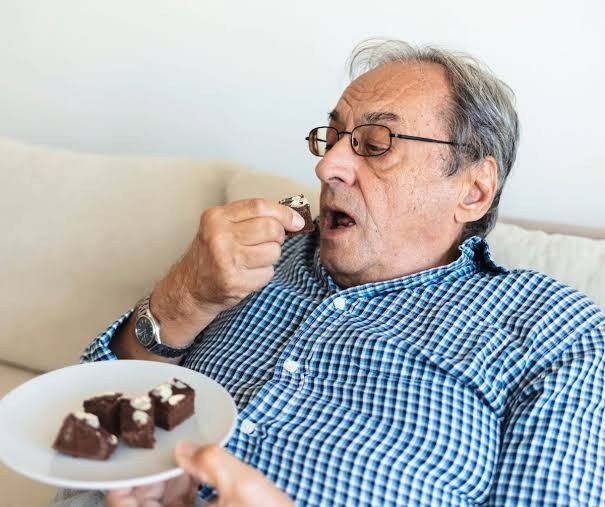
You also need to look at your dinner plate. Richard tells his patients that they cannot walk their way out of a terrible diet. The inner lining of your blood vessels needs specific nutrients to remain slick and flexible.
Processed foods and massive amounts of refined sugar destroy this inner lining. Once the lining is damaged, sticky cholesterol particles embed themselves in the walls and form hardened plaque.
18. Boosting Nitric Oxide With Leafy Greens

Your diet should focus heavily on foods that boost nitric oxide production. Nitric oxide is a molecule that signals your blood vessels to open wider. This helps blood rush past the narrowed sections of your arteries.
Leafy greens are packed with natural nitrates that your body converts into nitric oxide. Spinach and arugula are excellent choices for vascular repair. Beets are another incredibly powerful food for expanding your blood vessels naturally.
19. The Immediate Vascular Benefits of Quitting Smoking
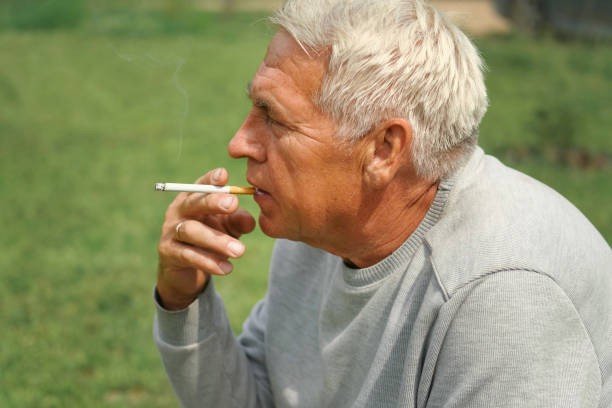
Smoking is the single most destructive habit for your vascular system. The chemicals in cigarettes directly attack your blood vessels and accelerate plaque formation faster than anything else.
Quitting smoking is the very first step Richard demands of his patients. Within just weeks of quitting, the inflammation in your vascular system begins to drop.
| Daily Action | Impact on Circulation | Target Frequency |
| Drink a large glass of water upon waking | Thins blood and improves flow volume | Every single morning |
| Do calf raises at your desk | Pumps stagnant blood out of lower legs | Every hour during work |
| Walk until mild pain starts | Forces body to build new blood vessels | Daily with doctor approval |
| Eat a serving of leafy greens | Boosts nitric oxide to widen vessels | At least once per day |
20. Listening To Your Body Before It Is Too Late
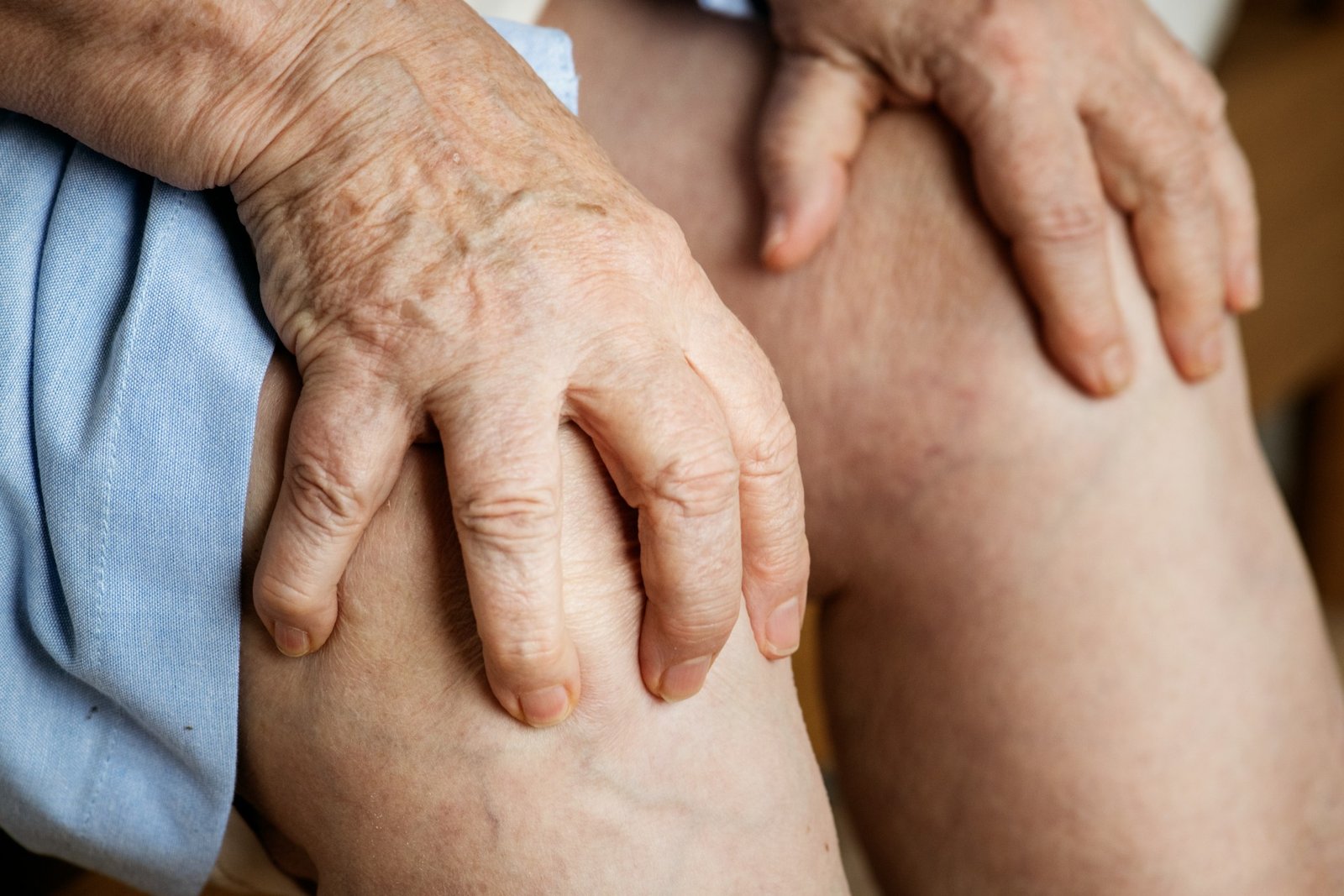
Richard wants everyone to understand that leg pain is a messenger. Your body is trying to warn you about a systemic failure before it destroys your heart or brain. Listen to the warning and take action before the damage becomes permanent.
Do not let embarrassment or denial keep you away from a simple vascular screening. A quick ultrasound or pressure test can reveal the truth about your arteries in minutes. That small investment of time is exactly what separates the patients who recover from the patients who end up on the operating table.
