

A routine eye exam can sometimes reveal more than a vision problem. Changes involving the optic nerve, visual field, or eye movements can occasionally point to a problem affecting the brain or the pressure inside the skull.
That does not mean every headache, blurry spell, or eye problem is a brain tumor. These symptoms are common and often have much simpler causes. But when several unusual changes appear together, or symptoms keep getting worse, they deserve proper medical attention.
The important part is knowing which changes should not simply be brushed aside.
Before making assumptions based on symptoms alone, talk with a qualified healthcare professional. Many of the signs below can occur with conditions that have nothing to do with a brain tumor.
Why an Eye Exam Can Reveal Clues About the Brain
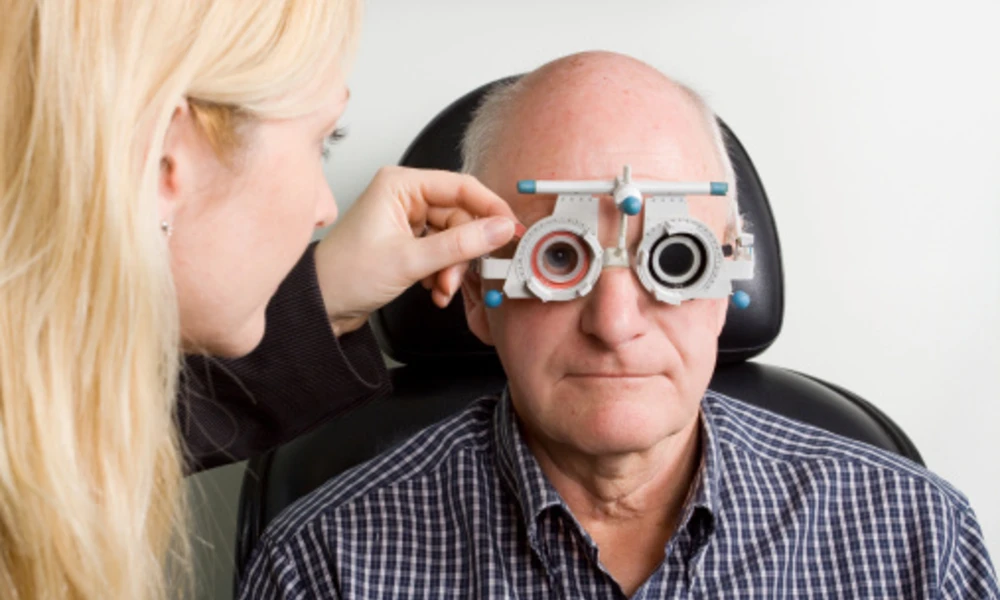
The optic nerve connects the eye to the brain. During an eye examination, an eye doctor can examine the optic nerve and retina and may also assess visual fields and eye movements.
One important finding is papilledema, which means swelling of the optic discs caused by increased pressure inside the skull. Brain tumors are one possible cause, although infections, bleeding, blood clots, certain medications, and other conditions can also increase pressure.
Brain tumor symptoms vary greatly because they depend on the tumor’s location, size, and growth rate. Some tumors cause few symptoms at first, while others affect vision, movement, speech, balance, or thinking.
Here are 16 changes worth knowing.
1. Blurred Vision That Keeps Returning

Occasional blurry vision can come from something as simple as dry eyes or an incorrect glasses prescription.
But persistent or progressively worsening blurred vision deserves an examination, particularly when it appears alongside headaches, nausea, balance problems, or other neurological changes. Vision changes are among the symptoms doctors consider when evaluating possible brain tumors.
2. Double Vision
Seeing two images instead of one can happen when the eyes are not moving together properly.
Problems involving certain nerves that control eye movement can produce double vision. Brainstem problems and increased pressure inside the skull are among the conditions that can affect these pathways.
New double vision should not simply be blamed on getting older.
3. Losing Part of Your Side Vision

Peripheral vision is what you see toward the sides while looking straight ahead.
A tumor affecting parts of the visual pathway can interfere with side vision. Tumors near the optic chiasm, where the optic nerves cross, can produce changes in the visual field of both eyes.
An eye doctor can check this with formal visual field testing.
4. Brief Episodes of Vision Going Gray or Black

Some people experience short episodes in which their vision becomes gray, dim, or briefly disappears.
Cleveland Clinic notes that transient visual obscurations can occur with papilledema and may last only several seconds, sometimes after a change in posture.
That symptom has several possible causes, so it should be assessed rather than self-diagnosed.
5. Headaches That Are New or Getting Worse

Headaches are extremely common, and most headaches are not caused by brain tumors.
The concern is a new pattern: headaches that progressively worsen, headaches that wake someone from sleep, or headaches accompanied by other neurological symptoms. These patterns are among the reasons medical sources recommend evaluation.
| Headache pattern | Why it deserves attention |
|---|---|
| New or changing pattern | Different from your usual headaches |
| Increasing frequency | Headaches are becoming more frequent |
| Increasing severity | Pain is becoming progressively worse |
| Morning headaches with other symptoms | Can occur with increased pressure |
| Headache plus vision changes | May need neurological or eye evaluation |
6. Nausea or Vomiting Without an Obvious Cause

Nausea by itself is rarely enough to point toward a brain tumor.
The concern rises when unexplained nausea or vomiting occurs with headaches, vision changes, dizziness, or other neurological symptoms. Increased pressure inside the skull can produce nausea and vomiting in some people.
Repeated unexplained vomiting should be discussed with a healthcare professional.
7. New Problems With Balance

Feeling unusually unsteady can have many causes, including inner ear problems, medications, low blood pressure, and neurological conditions.
Brain tumors affecting areas involved in coordination can cause balance problems or difficulty walking.
A new balance problem becomes more concerning when it continues or appears alongside vision, speech, or weakness symptoms.
8. Dizziness That Keeps Returning

Repeated dizziness, especially when accompanied by double vision, difficulty walking, hearing changes, weakness, or other neurological symptoms, deserves evaluation. Tumors affecting the brainstem or structures involved in balance can produce these combinations.
The symptom itself does not prove that a tumor is present.
9. Weakness or Numbness on One Side

A new weakness or loss of sensation on one side of the body can occur when a problem affects the brain area responsible for movement or sensation.
Brain tumor symptoms can include weakness or numbness affecting part of the body, sometimes on one side.
Sudden weakness or numbness is an emergency symptom because stroke and other urgent conditions must also be considered.
10. Trouble Finding Words

You know what you want to say, but suddenly cannot find the right word.
Problems with speech or understanding language can occur when areas involved in language are affected. Brain tumors are one possible cause, although stroke, seizures, migraine, and other neurological conditions can also produce language problems.
A sudden change should receive urgent medical attention.
11. New Memory or Concentration Problems

Everyone forgets things occasionally.
A noticeable change in memory, concentration, thinking, or orientation is different. Brain tumors can affect these functions depending on their location.
Pay attention when other people begin noticing a change that you may not recognize yourself.
12. Personality or Behavior Changes

A person may become unusually confused, irritable, withdrawn, impulsive, or different from their normal behavior.
Changes in personality, mood, thinking, or behavior can occur with some brain tumors because different parts of the brain control these functions.
A gradual change is worth discussing with a healthcare professional, particularly when other neurological symptoms are present.
13. A First-Time Seizure

A seizure can have many causes, and one seizure does not automatically mean a brain tumor.
However, a first seizure in an adult requires prompt medical assessment. Brain tumors are among the possible causes doctors consider.
If someone has a first seizure, emergency medical evaluation is appropriate.
A first seizure, sudden loss of consciousness, or sudden neurological change should not be evaluated through an online symptom list. Seek urgent medical care.
14. Unusual Eye Movement

Your eyes normally move together in a coordinated way.
Problems involving the brainstem or the nerves that control eye movement can cause abnormal eye movements, double vision, or difficulty moving the eyes in a particular direction.
An eye doctor may notice these changes during an examination, even when the patient comes in for another reason.
15. Drooping or Changes Around One Eye

A noticeable change around one eye can sometimes involve the nerves that control the eyelid or eye movement.
Brain and nerve conditions can produce changes involving facial movement, eye alignment, or eyelid position.
A new change should be examined rather than assumed to be ordinary aging.
16. Several Symptoms Appearing Together

This may be the most useful point on the entire list.
A single headache or episode of blurry vision usually does not tell doctors what is happening. But multiple new symptoms that develop together or progressively worsen deserve more attention.
For example, a person might notice worsening headaches along with vomiting, vision changes, balance problems, or weakness. Medical sources consistently emphasize that symptoms depend on the location and behavior of a brain tumor, so the combination and progression matter.
| Symptom | Possible connection | What to do |
|---|---|---|
| Vision changes | Optic pathway or pressure-related problems | Arrange a medical evaluation |
| Persistent headache | Many possible causes | Get checked if new or worsening |
| Balance problems | The brain or inner ear causes | Evaluation is appropriate if persistent |
| Weakness or numbness | Neurological causes | Urgent assessment if sudden |
| Speech problems | Neurological causes | Urgent assessment if sudden |
| Seizure | Several possible causes | Prompt medical assessment |
