

Michelle had a diet soda in her hand when she read the study that changed everything. She had spent years recommending sugar-free sweeteners to clients trying to lose weight or manage diabetes, telling them it was the smarter swap.
Then she read what one sweetener was actually doing to their blood, and she has not recommended it since. The study did not just surprise her. It quietly reversed one of the most common pieces of advice in nutrition.
Before making any changes to your diet based on this article, talk to your doctor, especially if you have an existing heart condition, diabetes, or a history of blood clots.
The Study That Made A Nutritionist Change Her Mind
Michelle is not the type to overreact to a single headline. She reads a lot of studies that never change her practice. This one was different because of where it came from and how large it was. Researchers at the Cleveland Clinic, led by cardiologist Dr.
Stanley Hazen tracked over 4,000 people across the United States and Europe and found that those with higher blood erythritol levels were at elevated risk of experiencing a major adverse cardiac event such as heart attack, stroke, or death. The results were published in the journal Nature Medicine in February 2023.
That is not a small observational blip. It is one of the more rigorously designed studies to look at a sweetener most people assume is completely harmless.
What Erythritol Actually Is, And Why It’s Everywhere
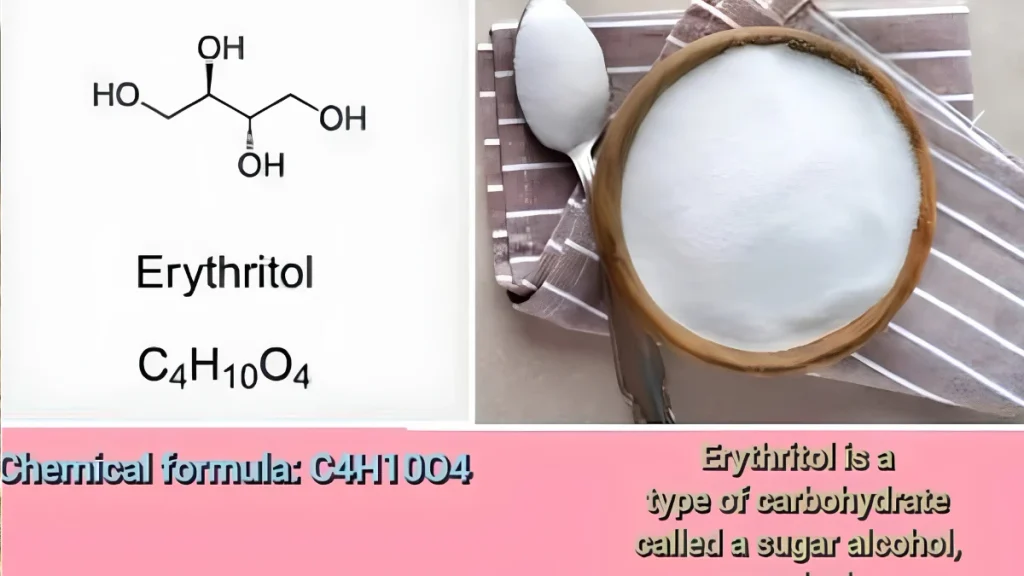
Before this study, Michelle recommended erythritol constantly, and for good reason. Erythritol is a sugar alcohol that is about 70 percent as sweet as sugar and is produced through fermenting corn.
It shows up in sugar-free, low-carbohydrate, and keto-branded products, and it is a common ingredient in name-brand sugar substitutes.
The human body creates low amounts of erythritol naturally, but when it is used as a sweetener, erythritol levels can end up more than 1000-fold greater than what naturally occurs in food.
Why Sugar Alcohols Affect Your Blood
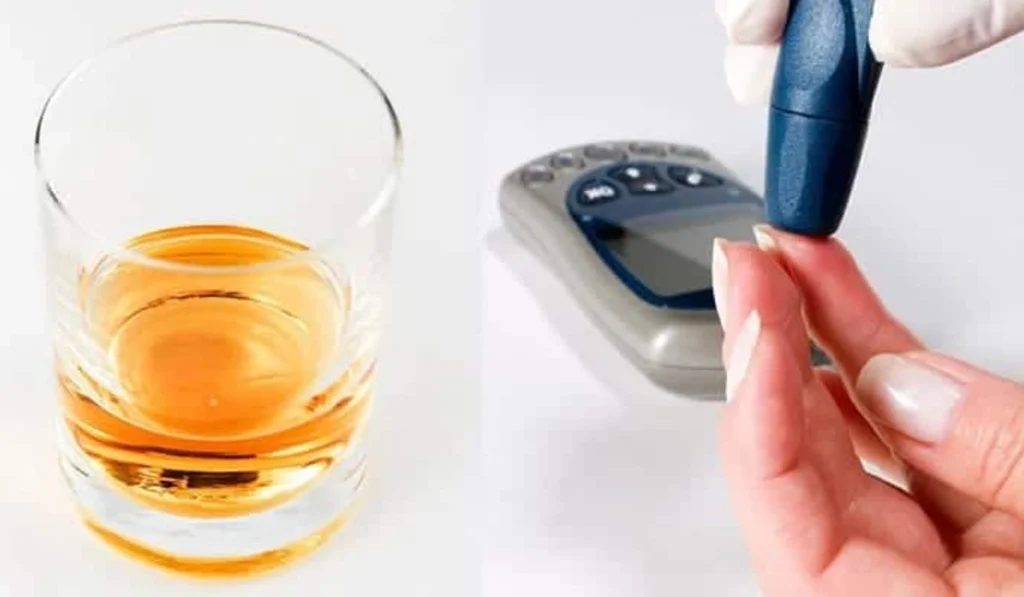
This is the piece most articles skip, and it is the piece that actually convinced Michelle. After ingestion, erythritol is poorly metabolized by the body. Instead of being broken down like regular sugar, it goes straight into the bloodstream and mostly leaves through urine, which means it lingers in circulation far longer than most people would guess.
The researchers also ran lab experiments and found that adding erythritol directly to platelets, the blood cells responsible for clotting, made those platelets more reactive. Sugar did not have this effect. That distinction matters because it points to erythritol itself, not sugar in general, as the trigger.
Everyone’s cardiovascular risk profile is different, so a single blood marker does not mean the same thing for every person. Please review your own risk factors with a doctor before making dietary changes.
The Follow-Up Study That Sealed It For Michelle
If the first study raised a question, the second one answered it more directly, and this is the part that made Michelle actually clear out her pantry.
In a follow up intervention study published in the journal Arteriosclerosis, Thrombosis and Vascular Biology, researchers gave ten healthy people a drink with 30 grams of erythritol, while ten others received a drink with 30 grams of regular glucose.
The erythritol group showed levels of the sweetener in their blood that rose more than 1,000 times higher than before the experiment, and their platelets became significantly more prone to clotting.
The glucose group showed no such effect. According to Dr. Hazen, the study was the first direct head-to-head comparison of ingesting glucose versus erythritol on multiple measures of platelet function, and the results were not close.
It’s Not Just Erythritol
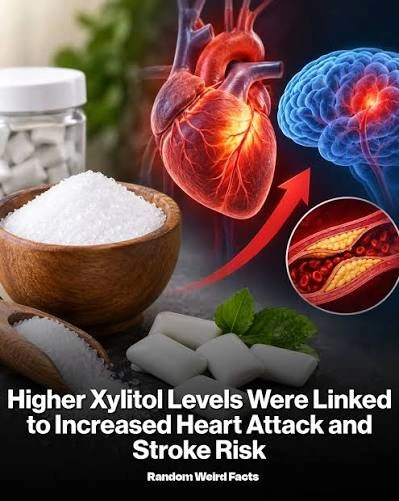
Michelle initially assumed this was a one-ingredient problem. It is not. A related sugar alcohol called xylitol has shown a similar pattern.
Researchers found that people with high levels of xylitol in their blood had a 50 percent higher risk of cardiovascular events than those with lower levels, and lab testing in healthy patients before and after drinking a xylitol-sweetened beverage showed the same enhanced clotting behavior.
That is the detail that made Michelle stop recommending sugar alcohols as a category, rather than just avoiding one brand or product.
Why This Matters More For Certain People

This is where Michelle gets the most direct with her clients now.
People with conditions like obesity, diabetes, or existing heart disease are often specifically advised to use sugar substitutes to help manage weight or blood sugar.
Those same people are also the ones already at higher baseline risk for heart attack and stroke, which means the group most likely to reach for these products may be the group with the least room for added cardiovascular risk.
One cardiologist involved in the research put it plainly: products interpreted by many people as the healthier option may be unknowingly putting high risk individuals at even greater risk for clotting events.
What The Research Does Not Say
Michelle is careful here because this is where a lot of headlines overreach.
This research shows an association and a plausible clotting mechanism. It does not prove that a sugar-free drink will cause a heart attack in a healthy person with no other risk factors.
The researchers themselves have said more studies are needed, and that long-term safety, especially in people already at higher cardiovascular risk, still needs further examination.
Naturally Occurring vs. Added: The Distinction That Matters
Not all erythritol exposure is equal, and this nuance is one Michelle repeats often.
| Source | Typical Erythritol Level | Should You Worry |
|---|---|---|
| Grapes, watermelon, mushrooms | Naturally occurring, very low amounts | No, no need to avoid these foods |
| Fermented foods (wine, cheese, soy sauce) | Naturally occurring, low amounts | No |
| Sugar-free chewing gum and candies | Added moderate amounts | Worth moderating, especially with frequent use |
| Zero sugar sodas and “keto” branded drinks | Added, can be very high per serving | Worth reconsidering, particularly for high risk individuals |
The natural background levels found in whole foods are nothing like the concentrated doses added to processed low-sugar products, and that gap is the entire basis of the concern.
What Michelle Swapped Into Her Own Kitchen

Quitting artificial sweeteners did not mean quitting flavor. It meant getting more deliberate about labels.
Michelle started reading ingredient panels specifically for the words erythritol, xylitol, and sugar alcohol, rather than trusting a front-of-package “zero sugar” claim
She leaned more on small amounts of real sugar, fruit-based sweetness, or simply retraining her palate to want less sweetness overall.
Try This Today: A Simple Label Reading Habit

The Daily Habit That Actually Works
- Flip the package over before buying anything labeled “sugar free,” “zero sugar,” or “keto friendly,” and check the ingredient list for erythritol, xylitol, or “sugar alcohol.”
- If a product lists one of these as a top three ingredients, treat it as an occasional item rather than a daily staple.
- Replace one sugar-free soda or flavored drink a day with sparkling water and a splash of real fruit juice.
- If you have diabetes or heart disease, bring your current sweetener use to your next appointment rather than waiting for it to come up.
- Choose small amounts of real sugar over large amounts of sugar substitute when you do want something sweet, since research so far has not shown the same clotting effect from glucose.
Reading Labels Is Harder Than It Sounds
This is a gap Michelle wishes more people knew about.
Sugar alcohols fall into an ingredient category that is not required to be listed individually on Nutrition Facts labels in the same detailed way added sugars are. That means the exact amount of erythritol in a product is not always transparent, even when you know to look for it on the ingredient list.
This is part of why researchers have specifically called measuring artificial sweetener exposure difficult, and why labeling requirements are considered part of the problem.
Who Should Be Most Cautious

Michelle now flags this conversation early with certain clients.
When To Talk To Your Doctor About Sweetener Use
- You have a personal or family history of heart attack, stroke, or blood clots.
- You manage diabetes, obesity, or metabolic syndrome and regularly use sugar free products as a sugar substitute.
- You experience new or unexplained symptoms like chest pain, sudden weakness, or shortness of breath, which always warrant immediate medical attention regardless of diet.
- You consume erythritol or xylitol-sweetened products daily and have any existing cardiovascular risk factors.
If you experience chest pain, sudden weakness, slurred speech, or shortness of breath, seek emergency medical care immediately rather than waiting to review your diet.
What Nutritionists Are Actually Recommending Now

Michelle is not alone in shifting her advice. Authors of the original Cleveland Clinic study specifically recommended that consumers talk to their doctor or a nutritionist for personalized recommendations about their food choices, rather than assuming every sugar substitute is automatically the safer option.
Other registered dietitians interviewed following the research echoed a similar theme: the conversation is more nuanced than “sugar bad, substitute good.”
A Timeline Of How Fast The Evidence Built
| Milestone | What Happened |
|---|---|
| February 2023 | Cleveland Clinic study of over 4,000 people links high blood erythritol to heart attack, stroke, and death, published in Nature Medicine |
| Following months | Additional dietitians and medical centers begin publicly reevaluating sugar alcohol recommendations |
| 2024 | Follow up intervention study directly compares erythritol to glucose, confirms increased platelet clotting activity, published in Arteriosclerosis, Thrombosis and Vascular Biology |
| 2025 and beyond | Growing calls among researchers for regulatory agencies to reevaluate erythritol’s “generally recognized as safe” classification |
Seeing it laid out this way is part of what convinced Michelle this was not a passing scare. It was a building built over several years of research by the same team.
Common Mistakes People Make With This News

The biggest mistake Michelle sees is people swinging back to regular sugar as if it is automatically safer. That is not what this research shows either.
The second mistake is assuming all sweeteners behave the same way. This research is specific to certain sugar alcohols, particularly erythritol and xylitol, not every sugar substitute on the market.
The third mistake is panic over occasional exposure. A once in a while sugar free treat is a very different exposure pattern than a daily habit of multiple servings.
FAQS
Should everyone stop using erythritol immediately?
Not necessarily. The concern is strongest for people who already have cardiovascular risk factors and who consume it regularly, which is exactly the group researchers and Michelle rediscussing discuss it with a dAretor.
Is stevia or monk fruit affected by this research?
This specific body of research focused on erythritol and xylitol, both sugar alcohols. It did not establish the same clotting mechanism for other sweetener categories, though long-term safety data on many sweeteners remains limited overall.
How long does erythritol stay in the blood after eating it?
Following consumption of an amount found in many processed foods, markedly elevated blood levels were observed for days, well above the levels associated with enhanced clotting risk in lab testing.
What does Michelle recommend instead?
Smaller amounts of real sugar when needed, whole fruit for sweetness, and treating “sugar-free” labeling as a prompt to check ingredients rather than a guarantee of safety..
