
Kidney function drops quietly for years before you ever feel a single symptom. By the time your ankles swell up and exhaustion sets in for good, irreversible damage is already done. Turns out one common daily routine silently accelerates this destruction, and stopping it now changes everything.
Robert works as a clinical nephrology nurse in a busy dialysis center. He watches patients spend up to twelve hours a week hooked to life-sustaining machines because their internal filters finally gave out.
The kidneys are a pair of fist-sized organs located near the middle of your back. They act as your body’s private sanitation department. They filter roughly 200 quarts of fluid every single day. They remove waste products, excess water, and toxins.
1. The Hidden Reality Of Kidney Decline

Robert works as a clinical nephrology nurse in a busy dialysis center. He watches patients spend up to twelve hours a week hooked to life-sustaining machines because their internal filters finally gave out.
People often ask him how this happens so fast. He always corrects them. It rarely happens fast. The decline takes years. It leaves breadcrumbs along the way. Most people just do not know what to look for until it is too late.
2. The Anatomy Of Your Internal Filters
The kidneys are a pair of fist-sized organs located near the middle of your back. They act as your body’s private sanitation department. They filter roughly two hundred quarts of fluid every single day.
They pull out waste products, extra water, and toxins. They send all of that out of your body as urine. When they work well, you never think about them. When they start to fail, toxins back up into your bloodstream and create a cascade of systemic issues.
3. The One Daily Habit Ruining Your Kidneys
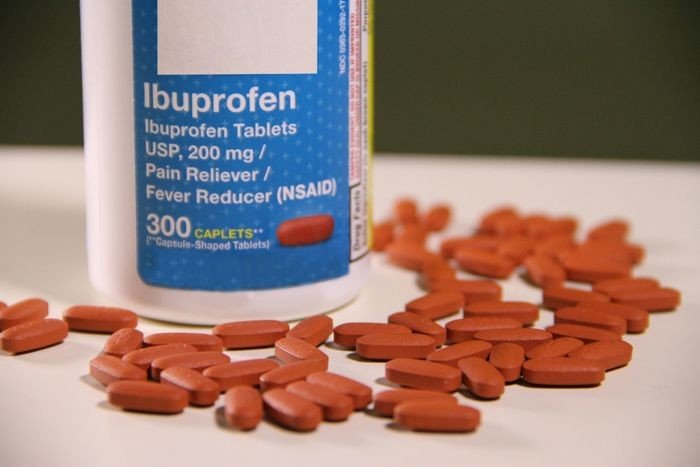
Robert sees the same story play out almost every day on the clinic floor. A patient starts having chronic lower back pain or arthritis in their knees. They start taking over-the-counter pain relievers to get through the workday. They take ibuprofen or naproxen. These are known as nonsteroidal anti-inflammatory drugs.
They take two pills in the morning. They take two more in the afternoon. They do this for months or even years. This is the exact habit that sends thousands of people into renal failure.
4. How Pain Pills Constrict Blood Flow

These medications work by blocking certain enzymes in your body that cause pain and swelling. That part is great for a sore knee. But those same enzymes also produce chemicals called prostaglandins.
Prostaglandins keep the blood vessels leading into your kidneys wide open. When you block them every day with chronic pain medication use, those blood vessels constrict. Your kidneys are suddenly starved of oxygen and blood flow.
5. Why Dehydration Multiplies The Danger

The delicate filtering units inside the kidneys begin to die off from the lack of oxygen when blood vessels constrict. This process gets supercharged if you take these medications while slightly dehydrated.
Water is the vehicle your body uses to transport waste. Without enough water, the concentration of toxins rises. The kidneys must work twice as hard with half the blood supply.
6. Safe Alternatives For Daily Pain Management

Robert stresses that occasional use of an over-the-counter pill for an acute injury is generally fine for a healthy person. The danger lies in the daily unmonitored use for chronic aches. You have to find safer ways to manage inflammation.
| Pain Relief Method | Kidney Risk Level | How It Works In The Body | Best Use Case |
| Ibuprofen and Naproxen | High Risk (Daily Use) | Constricts renal blood vessels | Short-term acute injuries |
| Acetaminophen | Lower Risk | Acts on the central nervous system | Fever and mild daily aches |
| Turmeric and Curcumin | Minimal Risk | Lowers systemic inflammation | Chronic mild joint discomfort |
| Physical Therapy | Zero Risk | Rebuilds supporting muscles | Long-term mobility issues |
7. High Blood Pressure As The Silent Accomplice
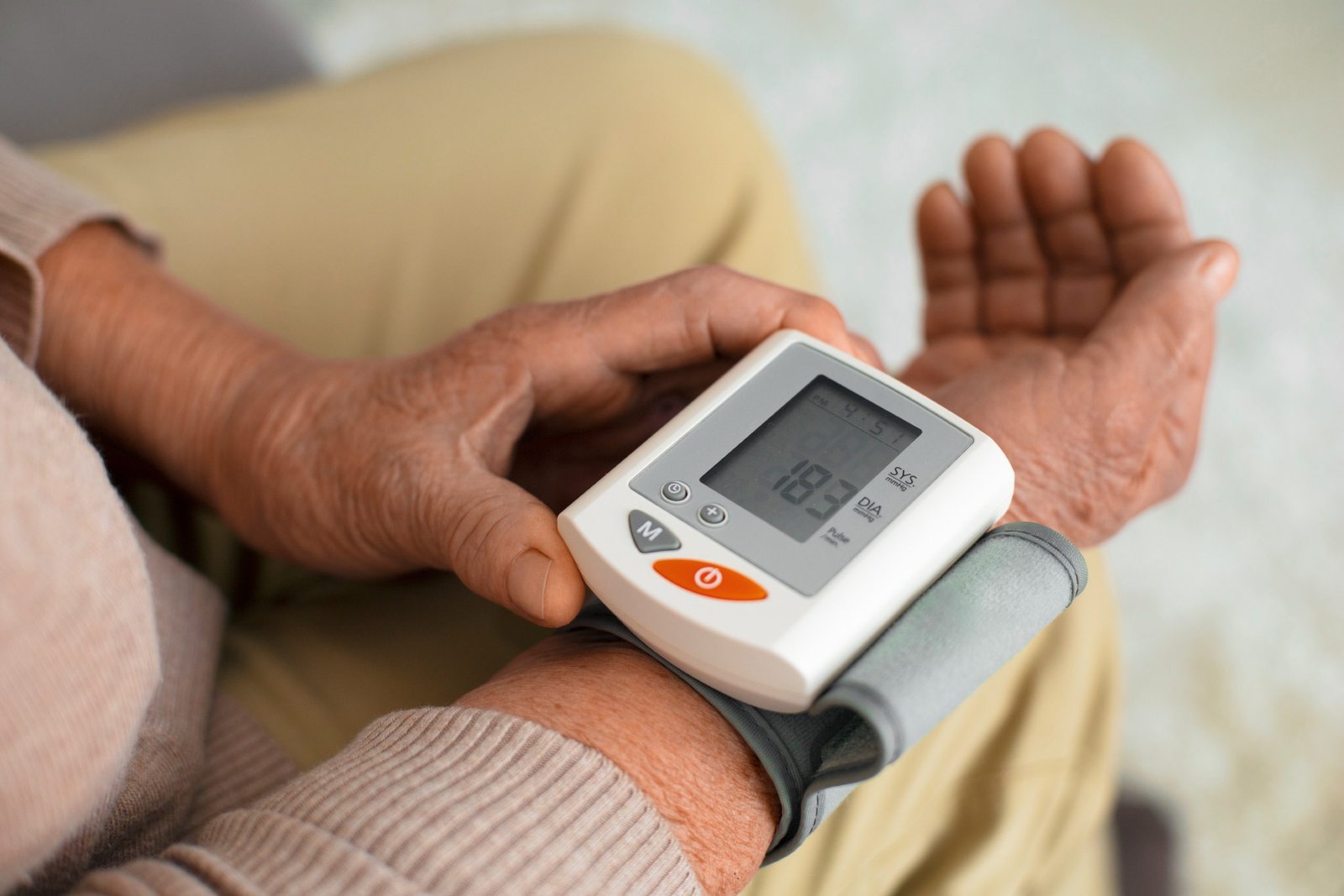
Painkillers are not the only threat. High blood pressure is the ultimate accomplice to kidney failure. Your blood vessels are like garden hoses. High blood pressure turns the faucet on full blast.
The delicate blood vessels inside the kidneys take a constant beating from this high-pressure flow. Eventually, they scar over and harden. They lose their ability to filter anything.
8. The Scraping Effect Of Unmanaged Blood Sugar
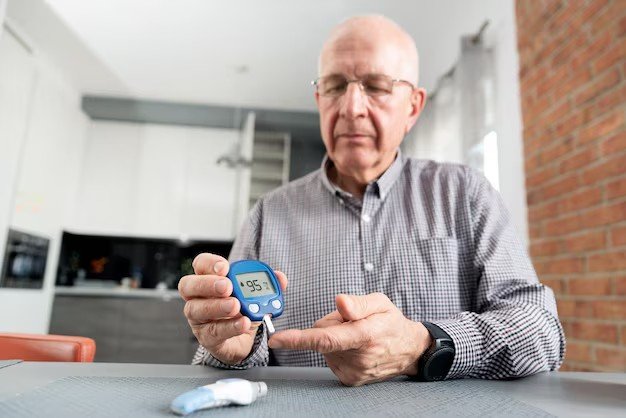
The next major culprit is unmanaged blood sugar. High glucose levels in your blood act like shards of glass scraping the inside of those same delicate vessels. Diabetes is the leading cause of chronic kidney disease in adults.
If you take daily ibuprofen while walking around with unchecked blood pressure and high blood sugar, you create a perfect storm for organ failure.
9. Stage One And Two Suffer In Silence

Kidney disease has five distinct stages. Stages one through three are almost entirely silent. You will not feel a pinch. You will not feel an ache in your back. The damage happens at a microscopic level.
The filtering units slowly die off one by one. The remaining healthy units take on the extra workload to compensate.
10. The Foamy Urine Warning Sign
By the time you reach late stage three or stage four, the toxin buildup becomes too large to ignore. Your body starts throwing up red flags. The first is foamy urine. This is not just a few bubbles from a fast stream.
This looks like the foam you see when scrambling eggs. It happens because damaged kidney filters allow protein to leak from your blood into your urine. Albumin is a protein that belongs in your blood. When it spills into the toilet bowl, it foams up.
11. Swelling In The Ankles And Eyes
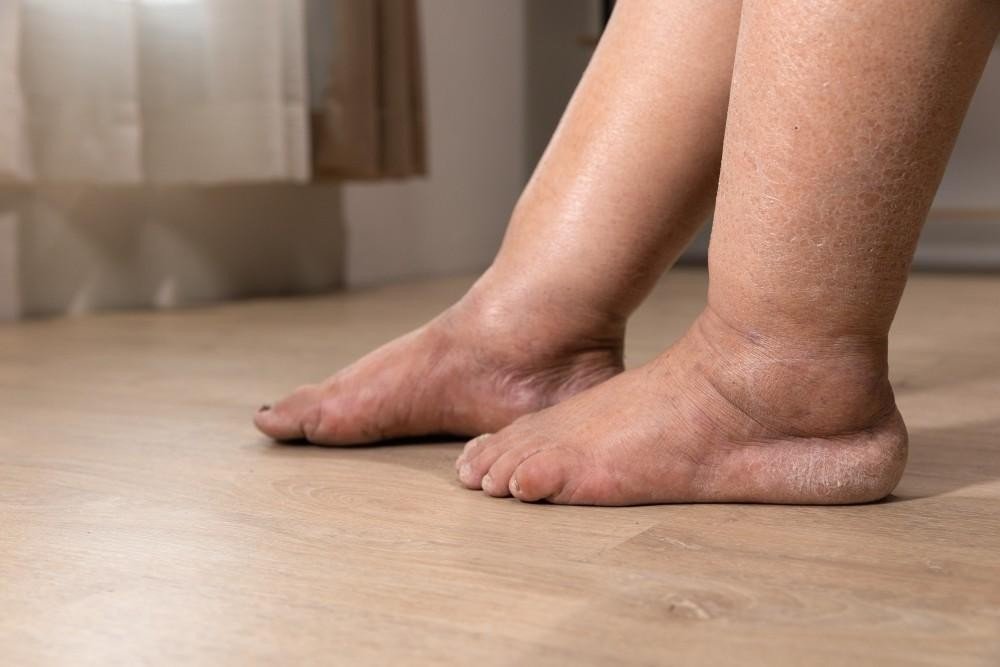
When the kidneys fail to remove excess sodium and fluid, gravity takes over. The extra water pools in your lowest points. Your ankles, feet, and calves will look swollen and feel tight.
You might also notice severe puffiness around your eyes when you first wake up. This is a direct result of the protein leak mentioned earlier. The loss of protein changes the pressure in your blood vessels and allows fluid to seep into surrounding tissues.
12. Exhaustion And The Link To Anemia

Healthy kidneys produce a hormone called EPO. This hormone tells your bone marrow to make red blood cells. Red blood cells carry oxygen to your brain and muscles. Failing kidneys stop making enough EPO.
This leads directly to anemia. You feel bone tired, cold, and completely unable to concentrate. Sleep does not fix this type of exhaustion.
13. The Strange Taste Of Uremia
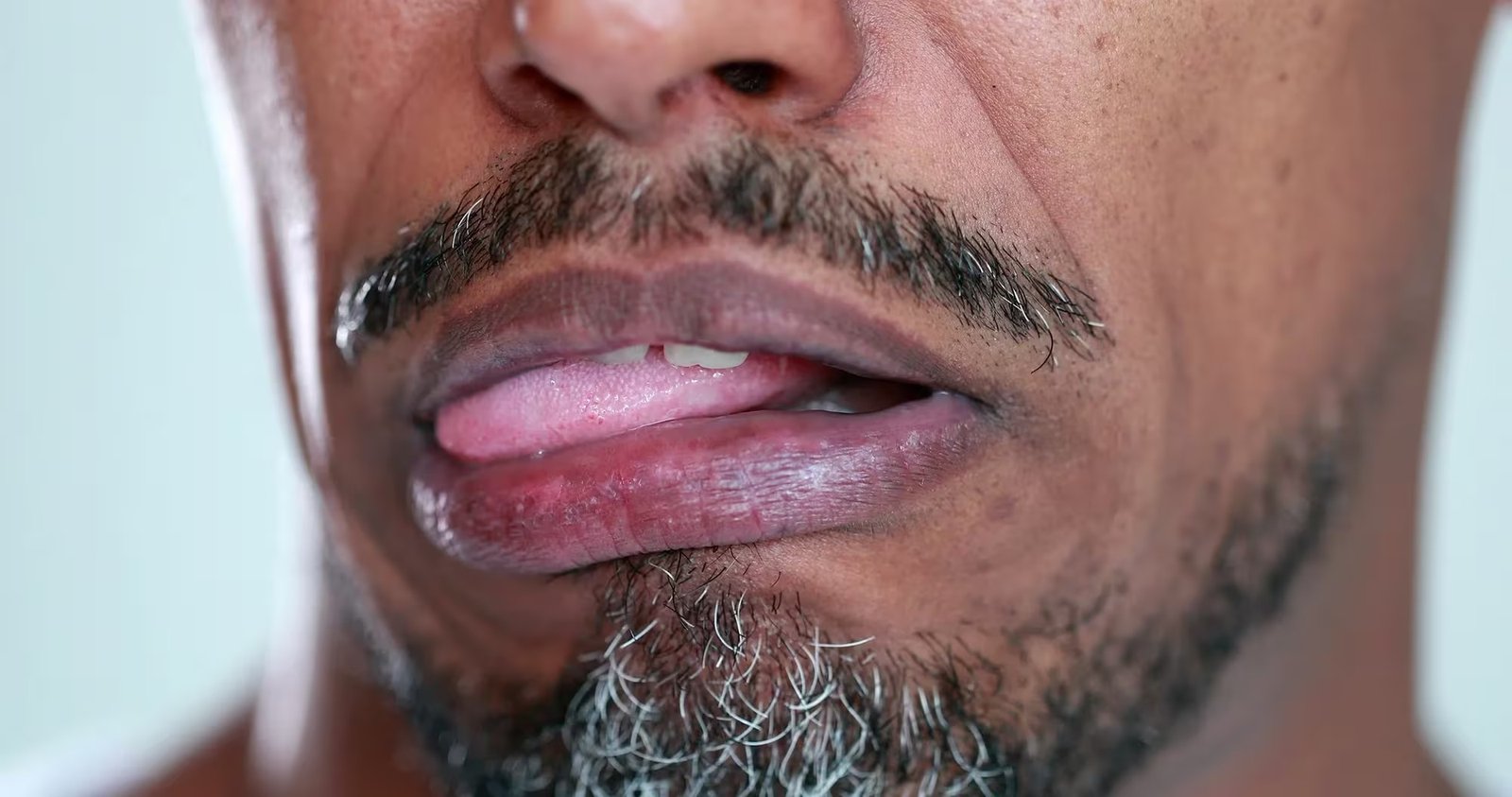
Uremia is a condition where waste products literally build up in your blood. Patients often tell Robert that meat suddenly tastes awful to them. They describe a persistent metallic taste in their mouth.
Some people even notice that their breath smells faintly like ammonia. The toxins are circulating through your entire body and altering your sense of taste and smell.
14. Nighttime Bathroom Trips

You might find yourself getting out of bed three or four times a night to use the bathroom. The damaged kidney filters lose their ability to concentrate urine.
They try to flush out the waste by producing more fluid. This forces you to constantly empty your bladder during the night.
| Warning Sign | Underlying Cause | Reversible Status | When To See A Doctor |
| Foamy Urine | Protein leaking through damaged filters | Treatable if caught early | Noticeable daily |
| Swollen Ankles | Fluid retention from sodium buildup | Manageable with diet and medication | Pressing leaves an indent |
| Persistent Exhaustion | Lack of EPO hormone causing anemia | Treatable with medical support | Sleep does not help |
| Metallic Taste | Uremia toxin buildup in the blood | Requires urgent medical care | Food tastes completely wrong |
15. The Essential Blood Tests You Need
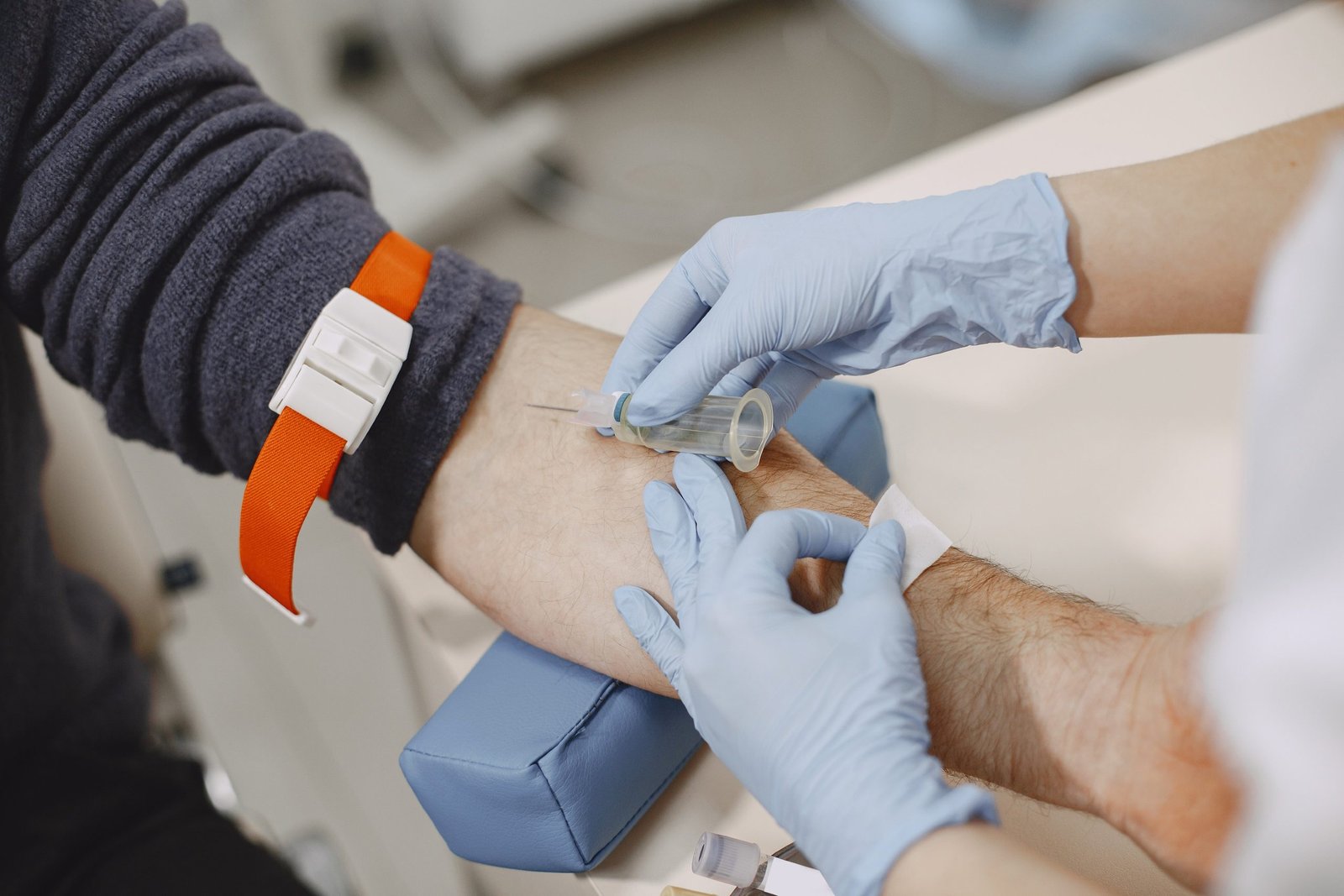
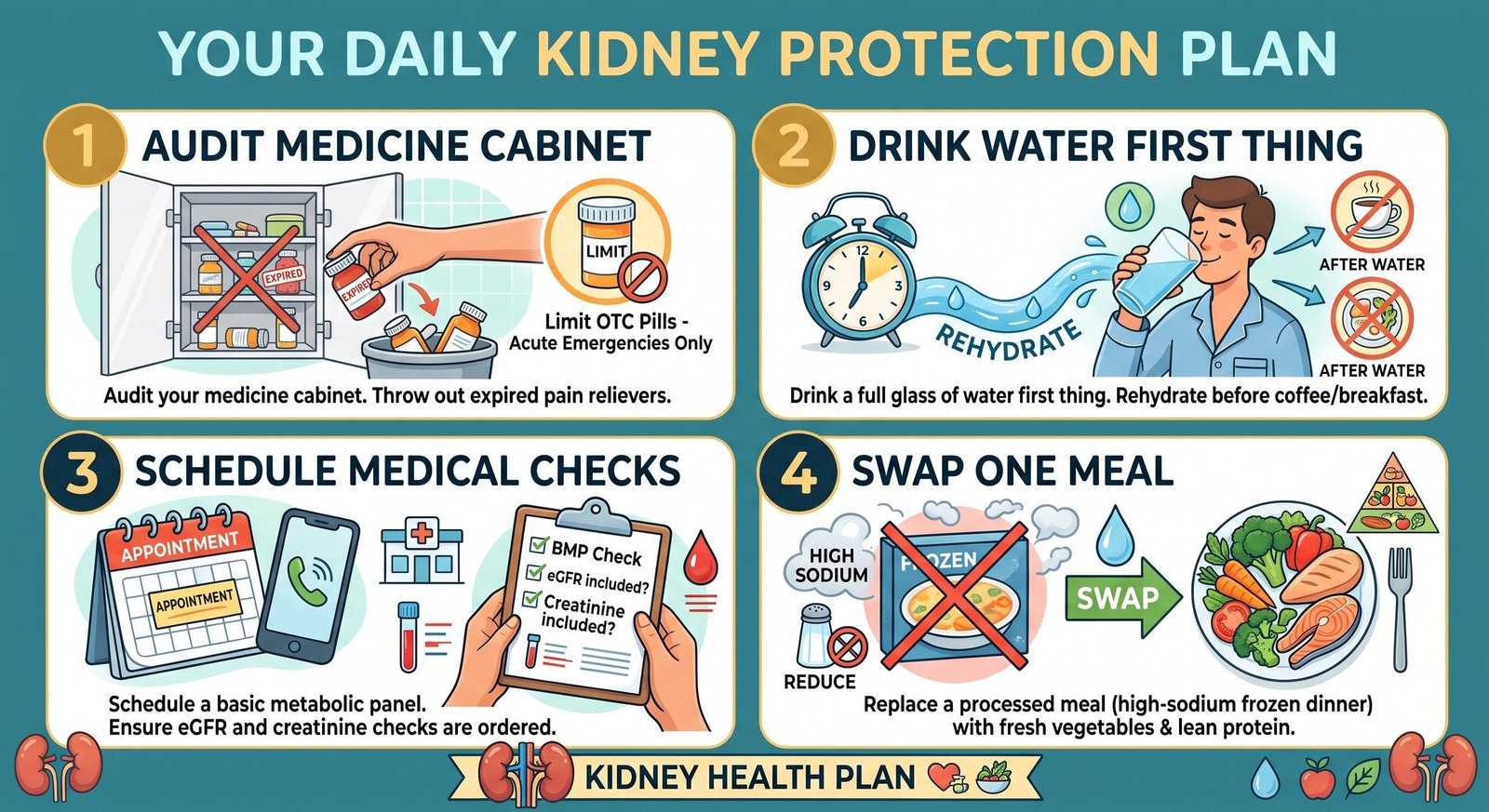
You do not have to wait for symptoms to appear. The best way to stop the damage is to catch it while it is still completely silent. Robert advises every patient over the age of forty to ask for a specific set of blood and urine tests during their annual physical.
A basic metabolic panel checks your blood for creatinine. Creatinine is a waste product from muscle breakdown. Healthy kidneys filter it out easily. If your creatinine levels are rising, your filters are struggling.
16. Understanding Your Filtration Rate

Your doctor uses this creatinine number to calculate your eGFR. This stands for estimated Glomerular Filtration Rate. It is basically a percentage score for your kidney function.
You also need a urine test to check for albumin. This catches protein leaks long before you ever see foam in the toilet.
| eGFR Score | Kidney Health Stage | What It Means For You | Action Required |
| 90 or higher | Stage 1 (Normal) | Filters are working optimally | Maintain a healthy lifestyle |
| 60 to 89 | Stage 2 (Mild) | Slight loss of function | Monitor blood pressure and meds |
| 30 to 59 | Stage 3 (Moderate) | Significant damage present | See a specialist for intervention |
| 15 to 29 | Stage 4 (Severe) | Critical loss of filtering ability | Prepare for advanced treatments |
| Below 15 | Stage 5 (Failure) | Kidneys can no longer sustain life | Dialysis or transplant required |
17. Rebuilding A Kidney Safe Lifestyle

If your numbers show early signs of stress, you can slow or even halt the progression. The human body is remarkably resilient when you remove the source of the injury. You must rethink your relationship with hydration and sodium.
High sodium intake forces your body to hold onto extra water. This drives your blood pressure up, which in turn batters your kidney filters. Read nutrition labels carefully and keep your total sodium intake low.
Your Daily Kidney Protection Plan