

Bloating after small meals, a racing heart at rest, fatigue, and dizziness can seem unrelated. But when they keep appearing together, they may point to problems in the autonomic nervous system, including vagal pathways.
These signs matter because persistent digestive issues, fainting, abnormal heart rate changes, or trouble swallowing may need proper testing. The 15 symptoms below show when the pattern deserves a closer look.
These symptoms do not diagnose vagus nerve damage. Many other conditions can cause them, so persistent or worsening symptoms should be discussed with a healthcare professional.
What It Can Mean When Your Vagus Nerve Is Dysfunctional
The vagus nerve is cranial nerve X. It travels from the brainstem through the neck and chest, and innervates organs including the heart, lungs, esophagus, and digestive tract.
Cleveland Clinic notes that the left and right vagal nerves contain about 75 percent of the nerve fibers in the parasympathetic nervous system. These pathways help regulate digestion, heart rate, blood pressure, swallowing, speech, and other automatic functions.
When people say their vagus nerve is dysfunctional, they may actually be describing several different problems. These include direct vagus nerve injury, broader autonomic dysfunction, or an excessive vagal reflex such as vasovagal syncope.
That distinction matters because one problem can contribute to a fast resting pulse, while another can suddenly slow the pulse and drop blood pressure.
1. You Feel Bloated After Ordinary Meals

Frequent bloating can occur when food moves through the stomach more slowly than normal. The vagus nerve helps control muscles in the stomach and small intestine, so damage to this pathway can interfere with normal movement of food.
NIDDK lists excessive bloating among the symptoms of gastroparesis. Diabetes is the most common known underlying cause, and diabetes can damage the vagus nerve as well as other nerves and specialized cells involved in stomach movement.
Track whether bloating begins shortly after eating and whether it appears with nausea, prolonged fullness, or vomiting. A repeated cluster is more useful to a clinician than bloating by itself.
2. A Few Bites Make You Feel Completely Full

Feeling full much sooner than expected is called early satiety. It is one of the classic symptoms NIDDK lists for gastroparesis.
The stomach normally relaxes to accept food, then uses coordinated contractions to move that food onward. Abnormal nerve signaling can interfere with that process, leaving you uncomfortable after an unusually small amount.
For several days, note roughly how much you can eat before you feel full. Tell your doctor if early fullness is becoming frequent or is making it hard to eat enough.
3. Your Meal Feels Like It Sits in Your Stomach for Hours

Early fullness happens while you are eating. Prolonged fullness means you still feel stuffed long after the meal should have passed through the stomach.
NIDDK specifically lists feeling full long after eating as a gastroparesis symptom. Gastroparesis slows or stops movement of food from the stomach into the small intestine even though there is no physical blockage.
Pay attention to the clock. If lunch regularly leaves you feeling uncomfortably full well into the afternoon or evening, that timing is worth mentioning during a medical visit.
4. Nausea Keeps Returning Without a Clear Trigger

Nausea can have dozens of causes, but persistent nausea combined with early fullness and bloating deserves attention. It is another common symptom of delayed stomach emptying.
A large multicenter study examined 242 people with chronic gastroparetic symptoms. Autonomic abnormalities were common, and parasympathetic dysfunction was associated with more severe symptoms and delayed gastric emptying.
Write down whether nausea starts before food, during a meal, immediately afterward, or several hours later. That pattern can help narrow the possible causes.
5. You Vomit After Eating

Repeated vomiting is a stronger warning sign than mild indigestion. If the stomach cannot empty properly, food may remain there too long and contribute to nausea and vomiting.
Vomiting should never automatically be blamed on the vagus nerve. Infections, medication effects, obstruction, migraine, pregnancy, metabolic problems, and many other conditions can cause it.
Seek medical help promptly if vomiting continues for more than an hour, contains blood, resembles coffee grounds, or occurs with severe abdominal pain, breathing trouble, extreme weakness, or fainting.
The Digestive Pattern at a Glance
| What You Notice | What May Be Happening | What Is Worth Tracking |
|---|---|---|
| Full after a few bites | Early satiety or impaired stomach accommodation | How much you can eat |
| Full for hours | Delayed stomach emptying may be involved | How long fullness lasts |
| Bloating and belching | Food may be moving more slowly | Which meals trigger it |
| Frequent nausea | Abnormal gastric motility is one possibility | Timing before or after food |
| Repeated vomiting | Delayed emptying or another GI disorder may be present | Frequency and appearance |
| Poor appetite | Fullness and nausea may reduce food intake | Weight and daily intake |
NIDDK also lists hypothyroidism, some autoimmune conditions, neurological disorders, viral illnesses, and vagus nerve injury after digestive surgery among known causes of gastroparesis.
6. Heartburn Keeps Showing Up With Fullness and Bloating

Heartburn by itself is extremely common. But recurring reflux alongside early fullness, belching, nausea, and bloating may suggest that the upper digestive tract deserves a closer look.
Both NIDDK and Cleveland Clinic include heartburn or acid reflux among symptoms that can appear with gastroparesis or vagus nerve problems.
Notice whether reflux is appearing as part of a bigger meal related pattern. Persistent symptoms should be evaluated rather than treated indefinitely without knowing the cause.
7. Your Bowel Habits Change Along With Other Symptoms

The autonomic nervous system affects more than the stomach. Nerve problems can also change movement through the intestines.
The 2026 American Diabetes Association Standards of Care list gastroparesis, constipation, diarrhea, and fecal incontinence among possible gastrointestinal manifestations of diabetic autonomic neuropathy.
A new change in bowel habits is not proof of vagal dysfunction. Keep track of frequency, consistency, bleeding, pain, and whether the change persists for more than a few days.
8. Your Heart Races While You Are Resting

The parasympathetic nervous system helps restrain heart rate during rest. When cardiovascular autonomic control becomes impaired, a persistent fast resting heart rate can sometimes appear.
The 2026 ADA standards describe a resting heart rate above 100 beats per minute as one possible sign of advanced cardiovascular autonomic neuropathy. Early disease, however, may cause no obvious symptoms and may first appear as reduced heart rate variability.
A pulse above 100 does not mean your vagus nerve is damaged. Fever, dehydration, anemia, thyroid disease, stimulants, medications, infection, anxiety, and abnormal heart rhythms can all make the heart beat faster.
Try This Today: Track the Pattern Before Trying to Fix It
The most useful first step is often observation rather than trying to force a vagus nerve response.
- Keep a seven day symptom log. Record meals, bloating, nausea, dizziness, palpitations, and unusual fatigue.
- Write down your pulse during palpitations if you can check it safely. Note whether you were lying down, sitting, standing, or exercising.
- Rise slowly when dizziness is a problem. Give yourself a moment after standing before you start walking.
- Pay attention to hydration. Dehydration can worsen dizziness and tachycardia, although anyone with heart or kidney disease should follow their clinician’s fluid guidance.
- Bring the record to your appointment. A clear timeline can help your clinician decide whether blood work, heart monitoring, stomach emptying tests, or autonomic testing is appropriate.
Slow breathing may also influence parasympathetic activity. A 2022 systematic review screened 1,842 abstracts and included 223 studies, finding increases in several vagally mediated heart rate variability measures during and after voluntary slow breathing.
That does not mean slow breathing repairs an injured vagus nerve. Think of it as a relaxation technique that can influence autonomic activity, not as a cure or diagnostic test.
9. At Other Times, Your Pulse Becomes Unusually Slow
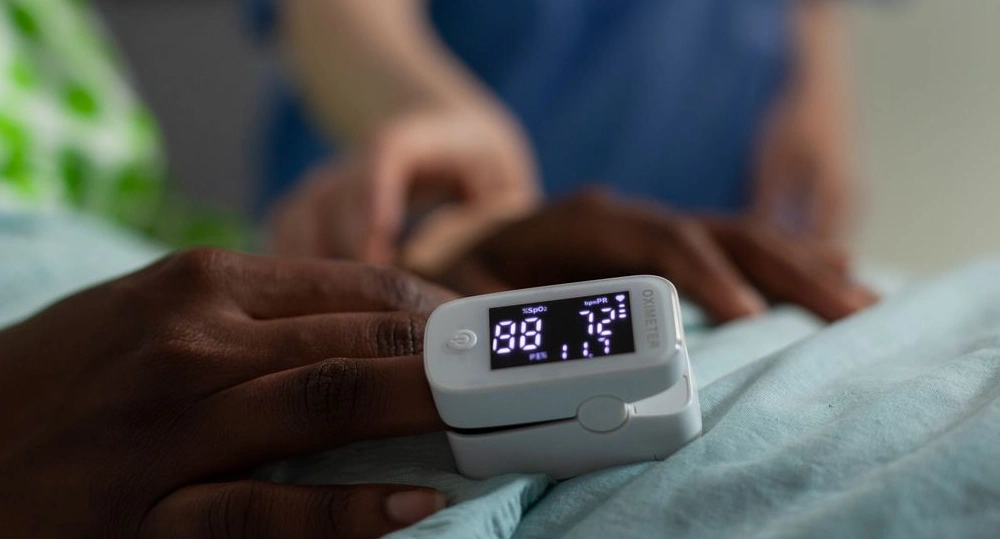
Vagus related symptoms do not always involve a racing heart. An excessive vagal reflex can do the opposite.
During vasovagal syncope, heart rate slows while blood vessels widen. Blood pressure falls, less blood reaches the brain, and fainting can follow.
That is why internet language about simply having a “weak vagus nerve” can be misleading. Different autonomic problems can create opposite heart rate responses.
10. You Feel Dizzy Soon After Standing Up

When you stand, your cardiovascular system must rapidly adjust to gravity. If the autonomic response is not working properly, blood pressure may fall or heart rate may rise abnormally.
Orthostatic hypotension is generally defined as a fall of at least 20 mmHg in systolic blood pressure or 10 mmHg in diastolic pressure within three minutes of standing. Johns Hopkins also notes that POTS involves a heart rate increase of at least 30 beats per minute within the first 10 minutes of standing in adults, after other causes are excluded.
Repeated standing dizziness deserves medical attention when it comes with fainting, chest symptoms, palpitations, or severe fatigue.
Heart rate and blood pressure cutoffs are clinical clues, not a home diagnosis. Dehydration, blood loss, medication effects, anemia, heart conditions, and other nervous system disorders can produce similar changes. A clinician should interpret repeated abnormal readings in the context of your full medical history.
Three Autonomic Patterns That Can Look Similar
| Pattern | Typical Change | Common Clues | What Makes It Different |
|---|---|---|---|
| Resting tachycardia | Heart rate stays unusually fast at rest | Palpitations, exercise intolerance | Can occur in advanced autonomic neuropathy |
| Orthostatic hypotension | Blood pressure falls after standing | Dizziness, weakness, faint feeling | Defined by a 20 mmHg systolic or 10 mmHg diastolic fall |
| POTS pattern | Heart rate rises markedly after standing | Palpitations, fatigue, brain fog, nausea | Adult criterion includes a rise of at least 30 beats per minute within 10 minutes |
| Vasovagal episode | Heart rate and blood pressure fall | Warmth, nausea, sweating, tunnel vision | Can briefly reduce blood flow to the brain |
Johns Hopkins lists fatigue, palpitations, lightheadedness, nausea, brain fog, and exercise intolerance among common POTS symptoms. POTS is diagnosed only after orthostatic hypotension, acute dehydration, and blood loss are ruled out.
11. You Faint or Feel Like You Are About to Faint

Vasovagal syncope is one of the clearest examples of the vagus nerve being involved in a dramatic body response. A trigger causes heart rate and blood pressure to fall suddenly, reducing blood flow to the brain.
Before fainting, some people develop lightheadedness, warmth, nausea, blurred vision, tunnel vision, or a cold clammy sweat. During the episode, observers may notice a slow, weak pulse.
Mayo Clinic says recovery usually begins in less than one minute, but standing again within about 15 to 30 minutes can trigger another episode. If you feel faint, lying down and raising your legs can help maintain blood flow to the brain.
A first unexplained faint still needs medical evaluation because heart and brain conditions can also cause loss of consciousness.
12. Swallowing Has Become Harder

The vagus nerve sends branches to the throat, larynx, and esophagus. That gives it an important role in the muscle movements involved in swallowing.
Cleveland Clinic specifically lists difficulty swallowing or loss of the gag reflex among possible signs of vagus nerve problems.
Pay attention if food feels stuck, swallowing repeatedly causes coughing, or meals are becoming difficult. Persistent or worsening swallowing trouble deserves medical evaluation because structural and neurological problems can also cause it.
13. Your Voice Stays Hoarse

A persistent change in your voice is easy to blame on allergies, a cold, or overuse. But branches of the vagus nerve also supply muscles in the voice box.
Cleveland Clinic includes hoarseness, wheezing, and loss of voice among possible signs associated with vagal problems.
The useful clue is persistence. A voice that stays hoarse for weeks or changes together with swallowing difficulty should be checked rather than treated as a vagus nerve issue at home.
14. Your Appetite Drops and Your Weight Starts Falling

Early fullness, nausea, and prolonged stomach emptying can make it difficult to eat enough. Over time, that can reduce calorie intake and contribute to unintended weight loss.
Cleveland Clinic lists loss of appetite, getting full quickly, and unexplained weight loss among signs that may occur with vagus nerve disorders. NIDDK also warns that gastroparesis can contribute to malnutrition.
Check whether clothes are becoming looser or your weight is falling without an intentional diet change. Unexplained weight loss deserves medical evaluation regardless of whether vagal dysfunction is suspected.
15. Fatigue Comes With Palpitations and Poor Exercise Tolerance

Fatigue alone is one of the weakest clues on this list. Poor sleep, anemia, infection, thyroid disease, depression, medication effects, nutritional deficiencies, and dozens of other problems can make you tired.
Fatigue becomes more relevant to autonomic dysfunction when it repeatedly appears with standing dizziness, palpitations, nausea, brain fog, or difficulty exercising. Johns Hopkins includes each of these among symptoms that can occur with POTS.
The combination matters more than the tiredness itself. If walking across a room or standing in line suddenly produces racing heart, weakness, and lightheadedness, tell your clinician exactly what happens and how quickly it starts.
The Biggest Clue Is the Pattern, Not One Symptom

A bloated stomach does not prove the vagus nerve is damaged. Neither does fatigue, reflux, constipation, dizziness, or a fast heartbeat.
What raises more useful questions is a repeated cluster. Bloating plus early fullness plus nausea may point toward a stomach emptying problem. Standing dizziness plus palpitations plus fatigue may suggest a broader autonomic issue.
Likewise, warmth, nausea, tunnel vision, and a slow pulse before fainting can fit a vasovagal episode. Each pattern points clinicians toward a different set of tests rather than one universal “vagus nerve reset.”
Doctors may use tests such as an electrocardiogram, heart monitor, echocardiogram, tilt table testing, blood tests, gastric emptying studies, or other examinations depending on the symptoms. Mayo Clinic notes that fainting evaluations may include testing for abnormal heart rhythms and anemia, while Cleveland Clinic lists gastric emptying studies among tests used for suspected vagal problems affecting digestion.
Red Flags: Stop Reading and Get Medical Help

Some symptoms on this list should not be managed with breathing exercises, cold water, supplements, or attempts to “stimulate” the vagus nerve.
- Chest pain, severe trouble breathing, or a very fast or very slow heartbeat with significant dizziness or weakness.
- A first unexplained faint, fainting during exercise, repeated fainting, or loss of consciousness followed by poor recovery.
- Vomiting blood, vomit that resembles coffee grounds, sudden severe abdominal pain, or vomiting that lasts more than an hour.
- Worsening swallowing trouble, serious dehydration, or unexplained weight loss with poor food intake.
NIDDK advises prompt medical help for severe abdominal pain, blood in vomit, prolonged vomiting, breathing difficulty, extreme weakness, fainting, and signs of dehydration. Mayo Clinic also advises medical assessment after fainting, particularly when it has not happened before.
When Symptoms Need More Than a Vagus Nerve Explanation
| Symptom | Why It Deserves Attention | Sensible Next Step |
|---|---|---|
| First unexplained faint | Heart or neurological causes may need to be excluded | Arrange medical assessment |
| Fainting during exercise | Can suggest a more serious cardiovascular cause | Seek prompt medical care |
| Persistent racing heart | Rhythm, thyroid, anemia, dehydration, and other causes are possible | Ask about an ECG or appropriate evaluation |
| Blood in vomit | May indicate gastrointestinal bleeding | Seek urgent medical care |
| Vomiting for more than one hour | Dehydration and electrolyte problems can develop | Contact a healthcare professional promptly |
| Worsening swallowing trouble | Nutrition and airway safety can become concerns | Arrange medical evaluation |
| Unexplained weight loss | May signal malnutrition or another illness | Discuss it with your clinician |
Why “Reset Your Vagus Nerve” Is Too Simple

There is real science behind changing autonomic activity. Slow breathing, for example, can influence heart rate variability and parasympathetic activity.
But changing an autonomic measurement for a short period is not the same as repairing nerve damage. Direct vagus nerve injury from diabetes or surgery is very different from vasovagal fainting, POTS, stress related symptoms, or temporary changes in heart rate variability.
Even the research on patients with chronic stomach symptoms shows how mixed the picture can be. In the study of 242 patients, 89 percent of those with diabetes and 74 percent of those with idiopathic symptoms showed a low sympathetic response to autonomic challenge, while parasympathetic dysfunction was linked with delayed gastric emptying and more severe upper digestive symptoms.
That is why the safest question is not, “How do I reset my vagus nerve?” A better question is, “What is causing this pattern of symptoms?”
What to Remember
The vagus nerve has real connections to the stomach, heart, throat, and other organs. Damage or abnormal autonomic signaling can therefore produce symptoms that seem unrelated at first.
But none of these 15 signs can diagnose vagus nerve dysfunction on their own. Persistent clusters, especially digestive problems with early fullness, cardiovascular symptoms with standing, fainting episodes, swallowing trouble, or unexplained weight loss, deserve proper assessment.
A simple seven day symptom record can give your doctor far more useful information than guessing whether your vagus nerve is “weak” or “overactive.”
This article is for informational purposes only and is not a substitute for professional medical advice, diagnosis, or treatment. Always consult a doctor or qualified healthcare professional before changing your medications, diet, exercise routine, fluid intake, or treatment plan, especially if you have an existing health condition. Seek urgent medical care for severe or rapidly worsening symptoms.
