
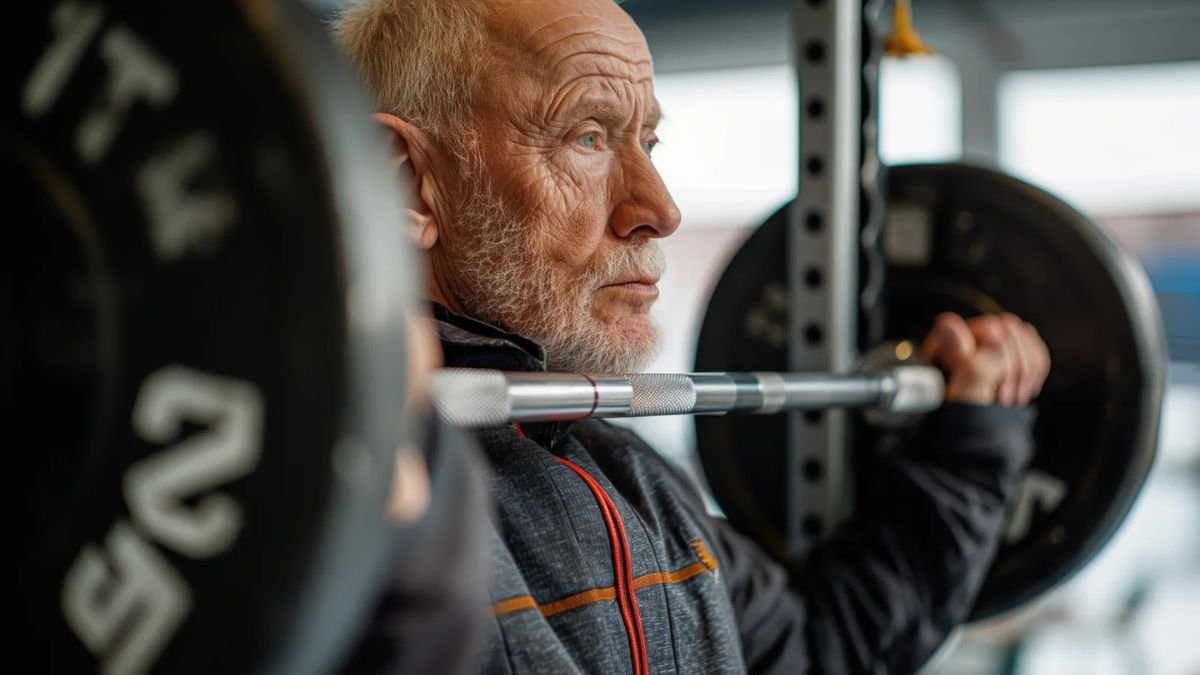
Jain stared at the piece of paper in his hands and saw the word osteoporosis stamped right next to his name. The diagnosis felt like a sudden life sentence of fragility. One slip on a rug or a simple misstep on the stairs could mean a shattered hip, a total loss of independence, and a permanent move to an assisted living facility.
Turns out there is one highly specific protocol that changes bone density so much that her doctor demanded a second scan just to verify the massive improvement.
Turns out there is one highly specific physical protocol that rapidly changes older bone density. This overlooked method rebuilt his failing skeleton so drastically that his primary doctor demanded a second scan just to verify the massive improvement.
1. The Standard Advice That Fails Older Men

At 72 years old, Jain assumed his bones would only get weaker over time. Most doctors tell women of a certain age to simply take a generic calcium supplement and go for a daily walk around the neighborhood.
Jain tried that conventional approach for years with strict dedication. His bone density continued to drop steadily anyway.
2. What a DEXA Scan Actually Tells You
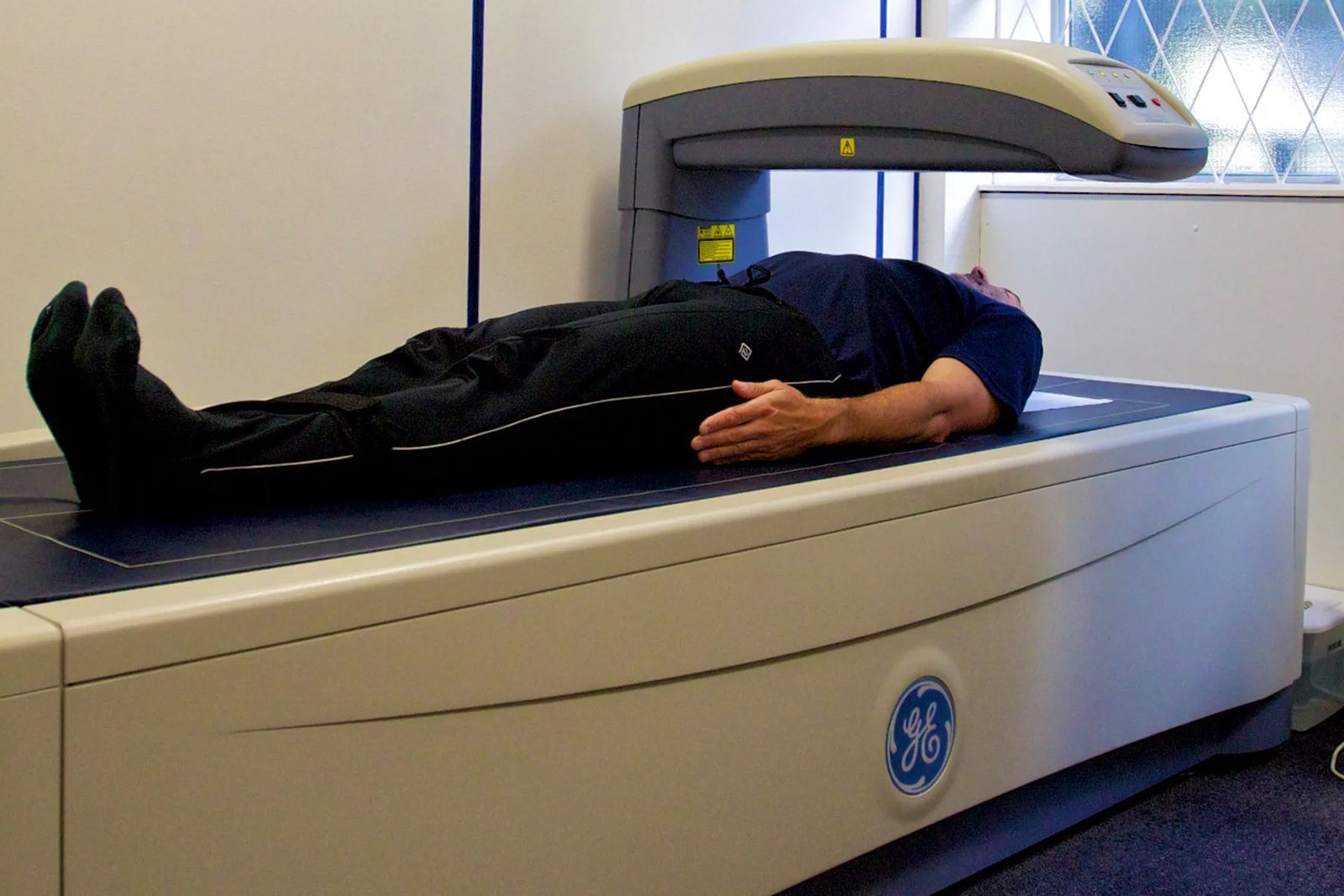
A DEXA scan measures your bone mineral density through low-level X-rays. It gives you a specific number called a T-score. This score compares your current bones to the skeleton of a healthy young adult at peak mass. A score of zero is exactly average and healthy.
Once your score drops below a negative 2.5, medical professionals officially diagnose you with osteoporosis. Jain had a T score of negative 2.8 in his lumbar spine. He was losing bone mass significantly faster than his body could naturally replace it.
| DEXA Scan T Score | Medical Category | What It Actually Means For Your Body |
|---|---|---|
| Above negative 1.0 | Normal Bone Density | Your bones are as dense as a healthy young adult. |
| Negative 1.0 to negative 2.5 | Osteopenia | You have low bone mass and a higher risk of developing osteoporosis. |
| Below negative 2.5 | Osteoporosis | Your bones are highly porous and at a severe risk of fracturing from minor falls. |
3. The Hidden Truth About Bone Remodeling
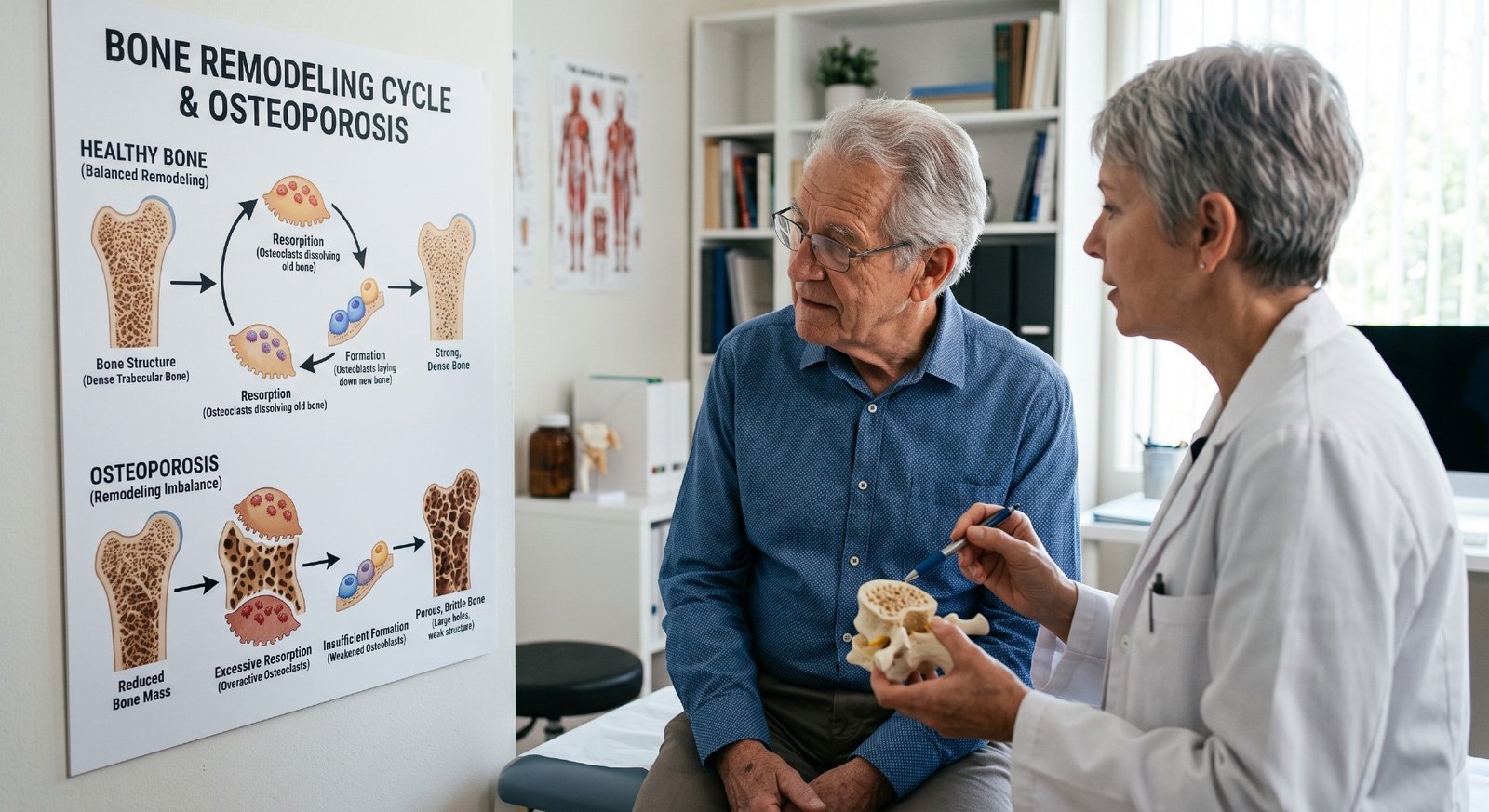
Bones are not dead structures like the wooden beams holding up an old house. They are active living tissues that constantly break down and rebuild themselves. This continuous biological process is called remodeling. Your skeleton actually replaces itself entirely every ten years.
Cells called osteoclasts clear away old and damaged bone tissue. Cells called osteoblasts come in right behind them and lay down fresh new bone matrix. As we age and estrogen drops rapidly after menopause, the osteoclasts start working much faster than the osteoblasts. You inevitably lose more tissue than you build.
4. Why Walking Fails to Build Strong Bones
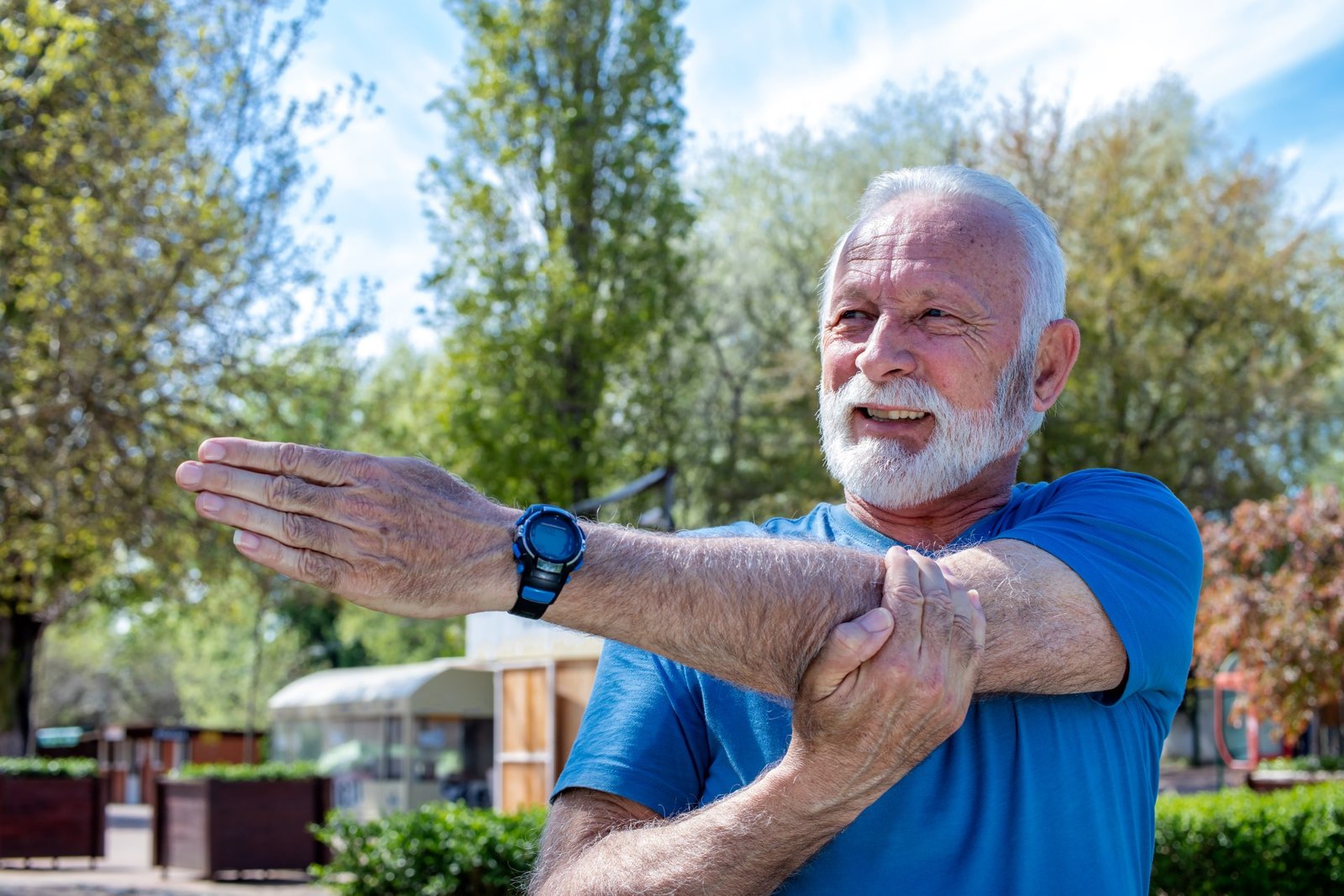
Walking and gentle stretching do not create enough physical stress to signal the osteoblasts to work harder. The human body is highly efficient with its daily resources.
It will not spend massive amounts of energy building dense bones unless it absolutely has to survive in your immediate environment. You have to give the body a compelling physical reason to adapt.
5. The Groundbreaking LIFTMOR Clinical Trial
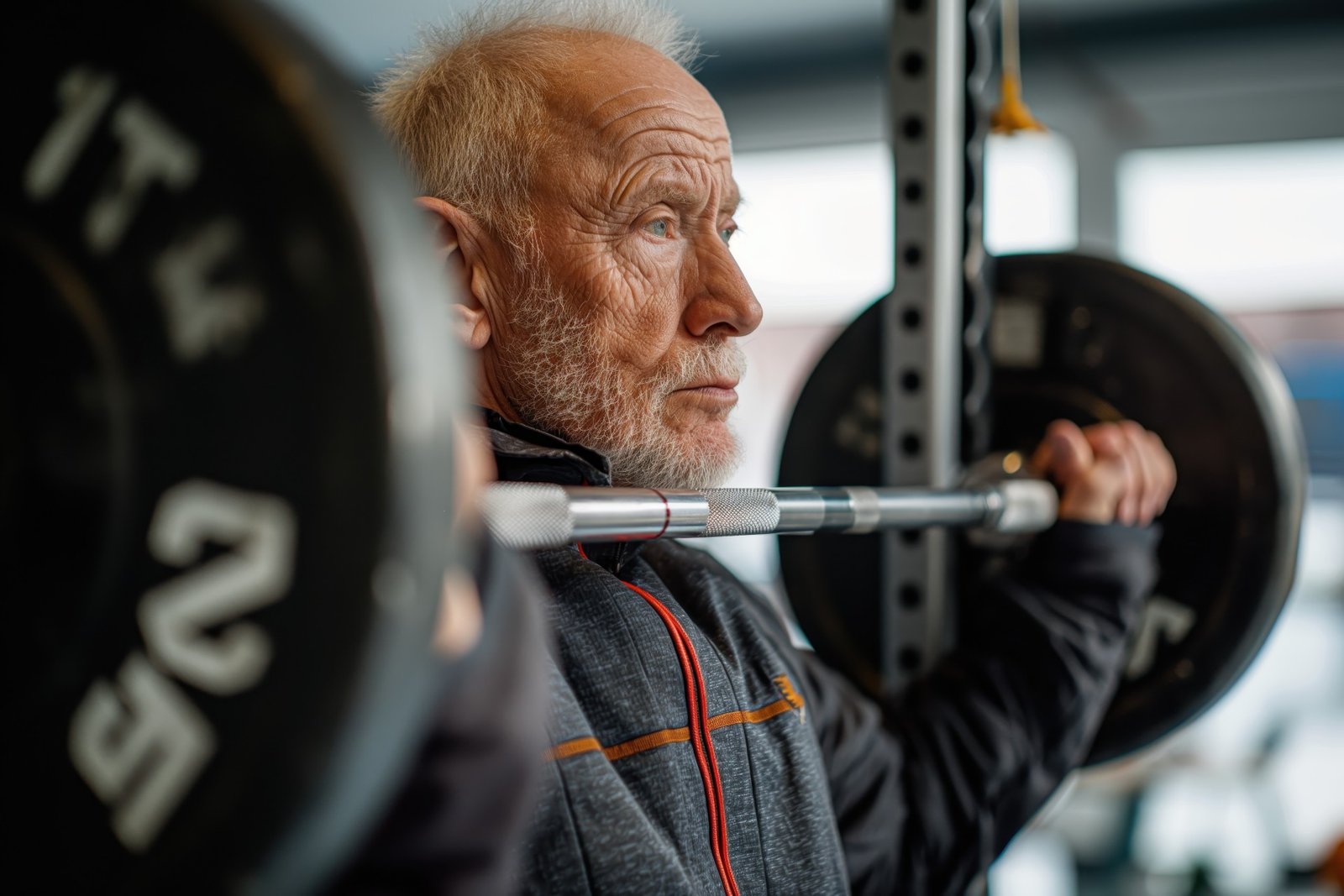
Jain started reading medical journals and discovered a clinical trial out of Australia called the LIFTMOR study.
Researchers wanted to see what would happen if older men with low bone mass lifted heavy weights instead of doing gentle aerobics. They took men in their 60s and 70s and had them perform high-intensity resistance training.
6. Shattering Medical Expectations
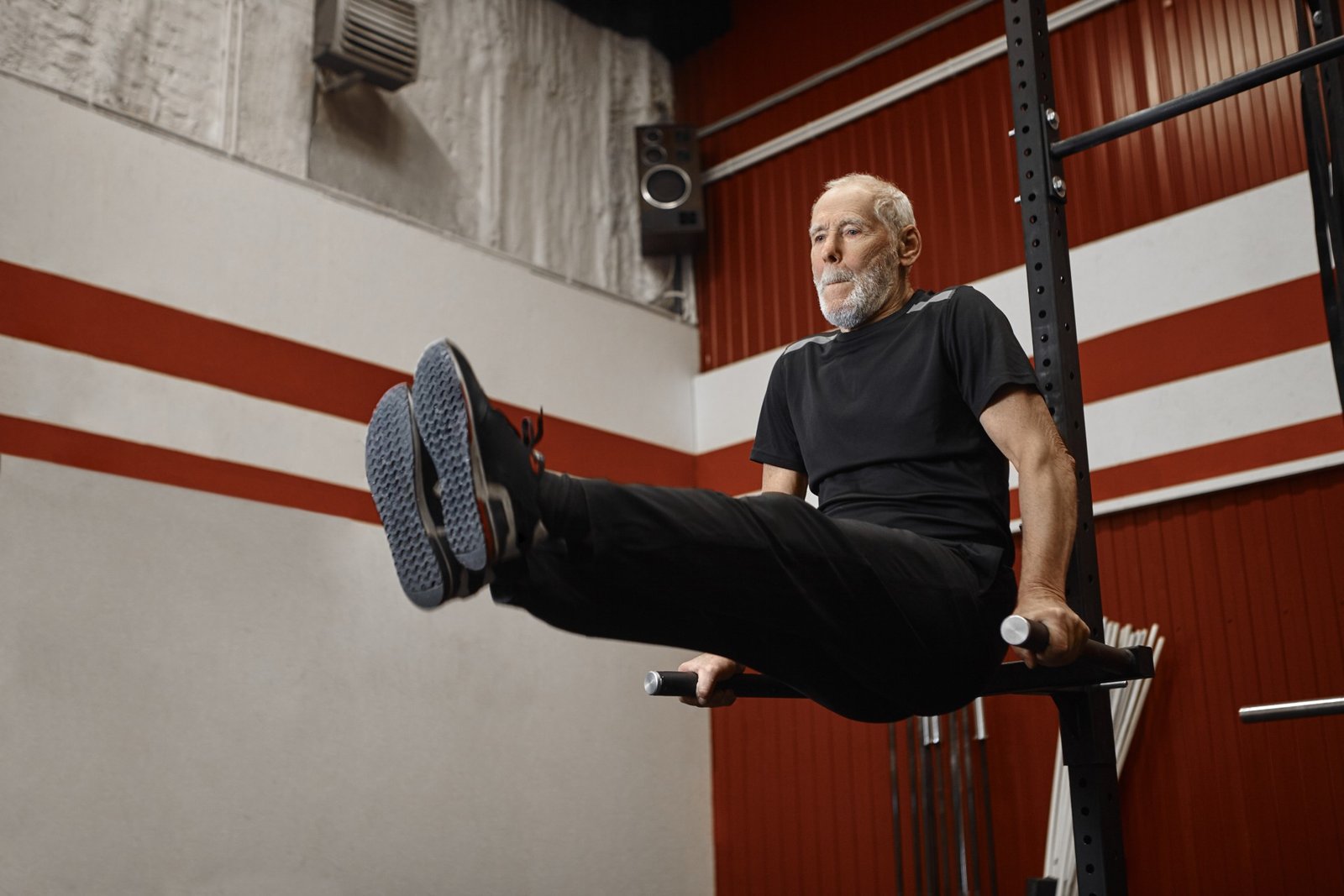
This experimental protocol included heavy deadlifts, overhead presses, and jump squats under close professional supervision. Many conservative doctors initially thought this protocol was incredibly dangerous.
They worried these fragile women would suffer severe fractures right there in the gym facility. The actual results shocked the established medical community entirely.
7. Wolff’s Law and the Science of Mechanical Stress
The men doing the heavy lifting did not break their bones. They actually built significant new bone mass and improved their physical stature.
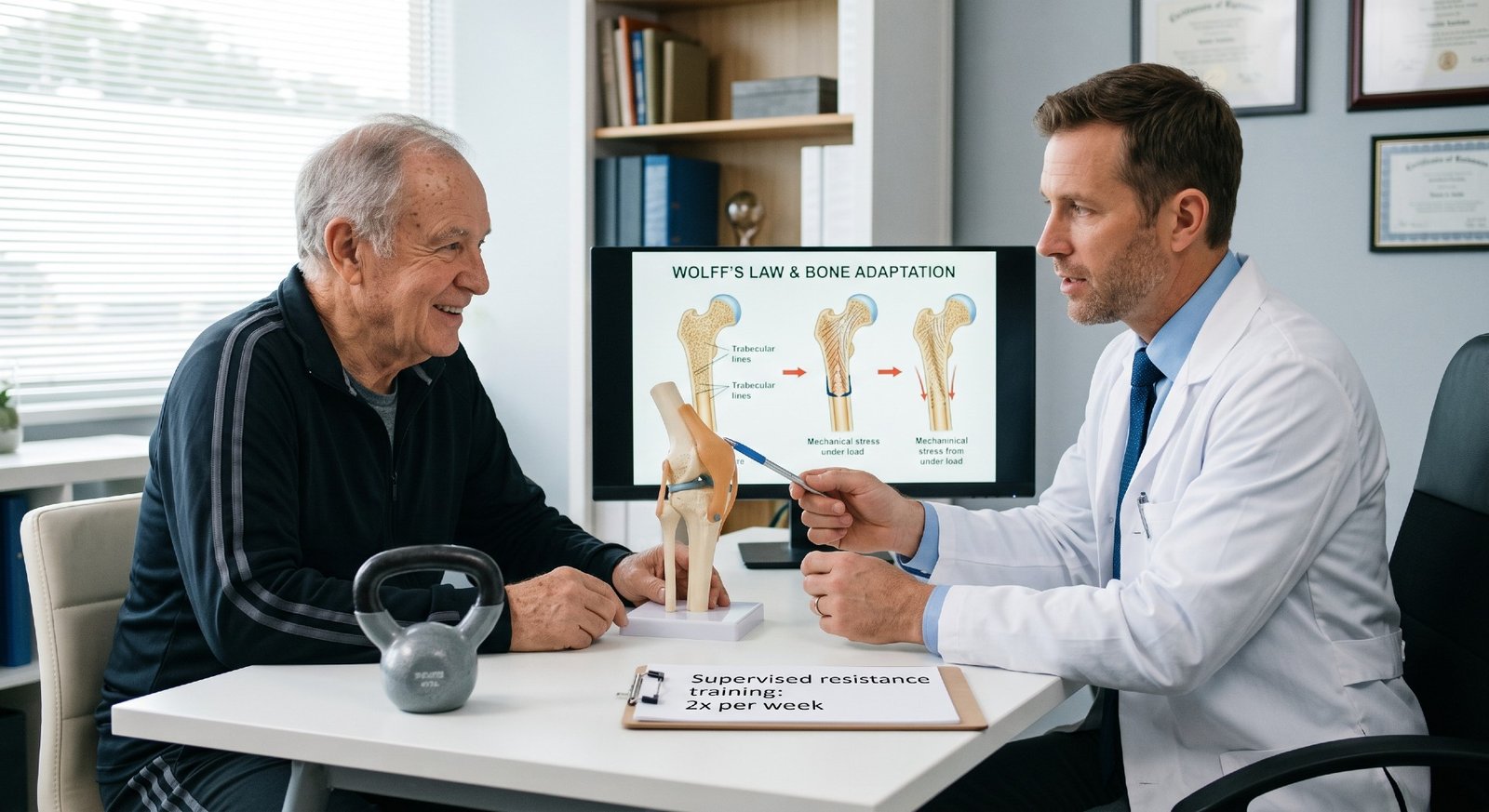
Jain found a qualified physical therapist who understood this exact clinical science. They started a supervised resistance training program exactly twice a week.
This heavy physical stress on the skeleton triggers a biological rule called Wolff’s Law. Wolff’s Law states that bone in a healthy person will adapt to the specific loads under which it is placed.
8. The Electrical Signals Inside Your Skeleton
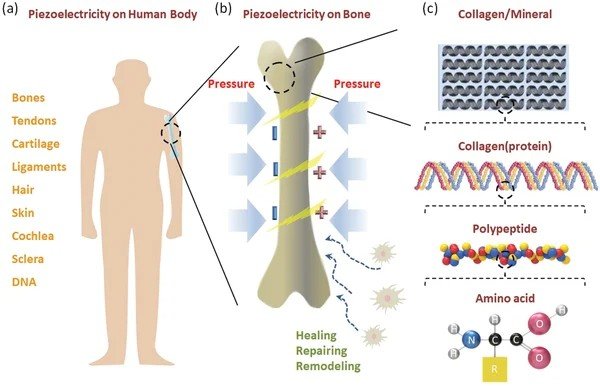
If loading on a particular bone increases significantly, the bone will remodel itself over time to become much stronger. When you pick up a heavy weight, your muscles pull incredibly hard against your tendons.
Those tendons pull directly against your bones. That mechanical pulling action creates tiny electrical charges in the bone tissue called piezoelectric forces. These electrical signals wake up the osteoblasts and force them to build thicker bone walls.
9. The Calcium Myth and Dangerous Plaque
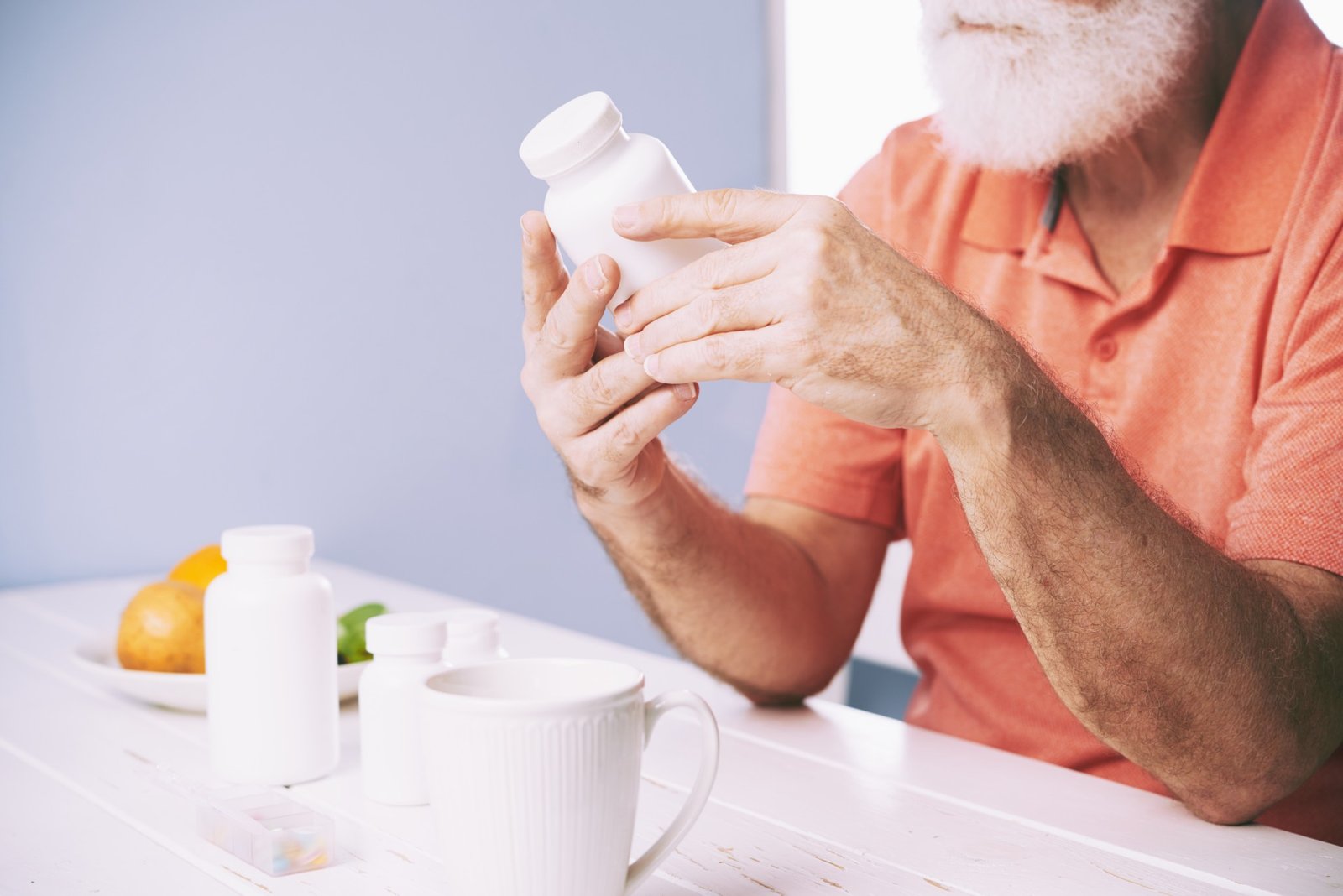
The heavy barbell exercise alone was only half the equation for Jain. He also had to completely overhaul how he fed his skeletal system. Most people mistakenly think swallowing large calcium pills builds bones automatically.
Taking a massive dose of isolated calcium without the right supporting nutrients is completely useless and potentially harmful.
10. The Risk of Arterial Calcification
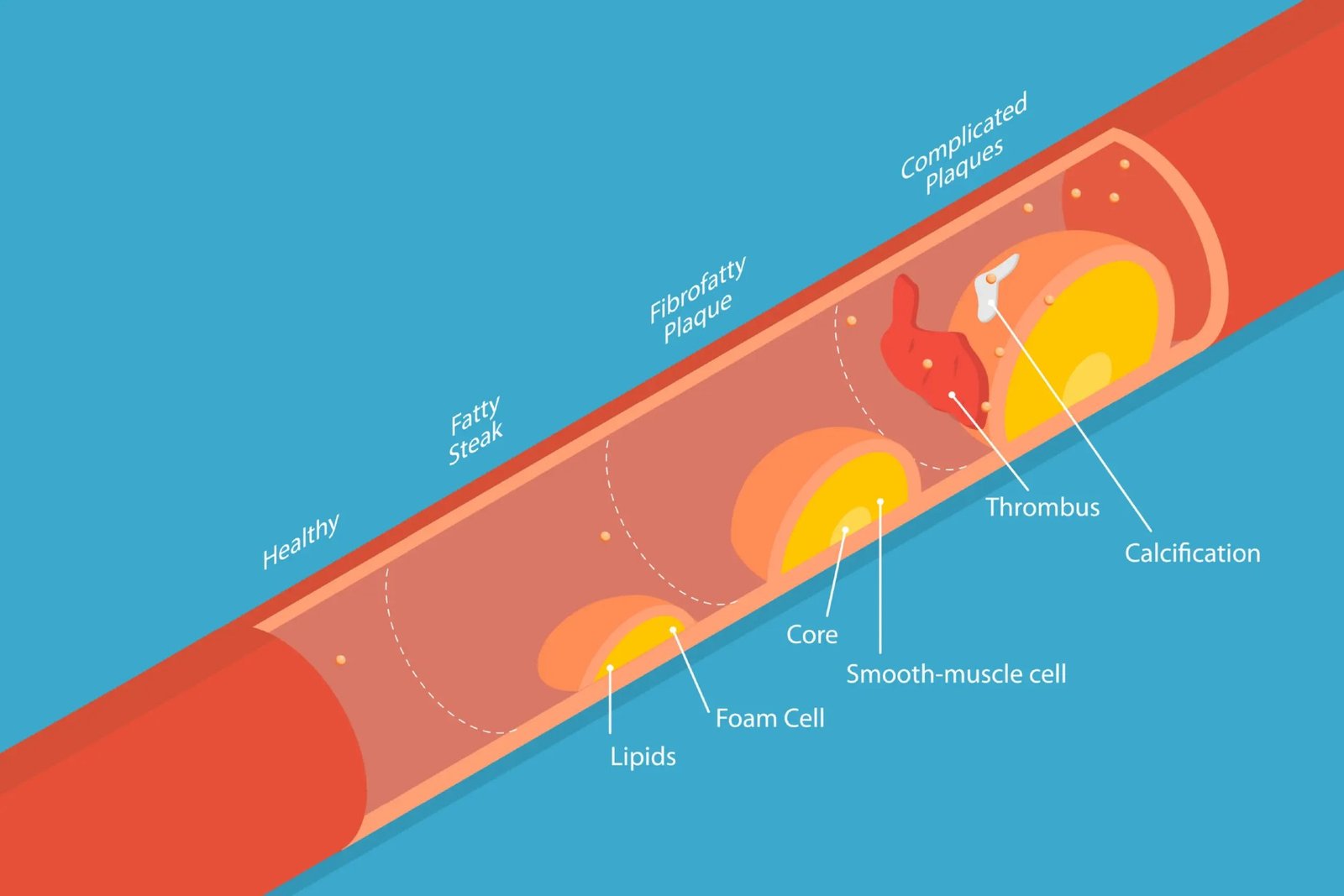
Calcium floating around freely in your blood will not magically find its way into your skeleton. It often ends up settling in your arteries to form dangerous cardiovascular plaque.
It can also crystallize into painful kidney stones instead of building strong hips and spines. Jain learned he needed a specific combination of vitamins to direct the calcium traffic safely inside his body.
11. Vitamin K2 as the Biological Traffic Cop
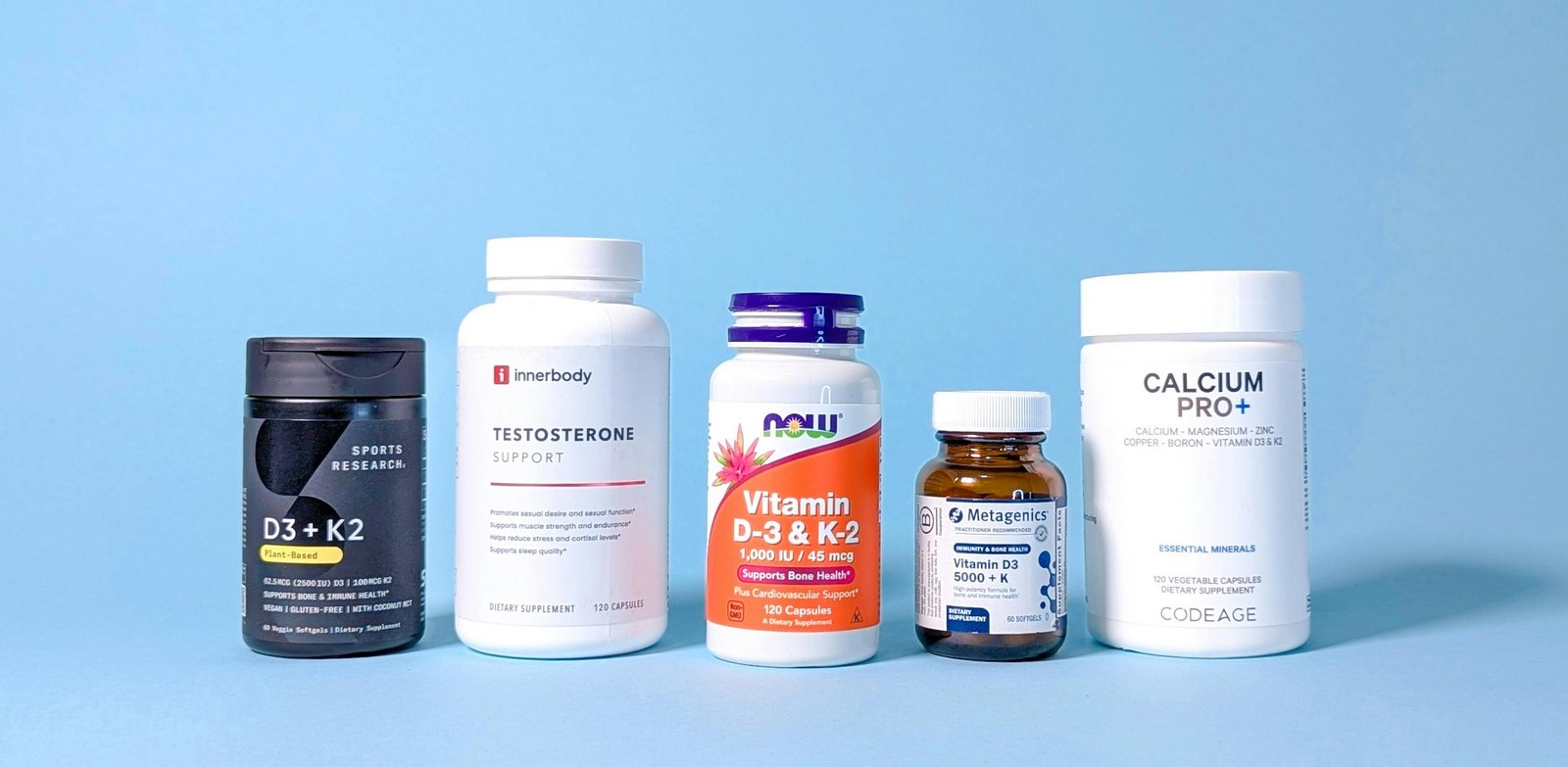
Vitamin D3 helps your gut absorb the calcium from the food you eat. But Vitamin K2 is the actual biological secret weapon for skeletal strength. Vitamin K2 activates a highly specialized protein called osteocalcin.
Osteocalcin takes the free calcium out of your bloodstream and binds it directly into the hard bone matrix. Without adequate Vitamin K2, that calcium is like a massive pile of bricks sitting on a construction site with absolutely no workers to build the wall. You must have the activation protein to secure the minerals.
| Nutrient | Primary Skeletal Function | What Happens If You Are Deficient |
|---|---|---|
| Calcium | Provides the raw physical building blocks for bone mass. | Bones become porous and brittle over time. |
| Vitamin D3 | Pulls calcium from your intestines into your blood. | Calcium passes right through your digestive tract unused. |
| Vitamin K2 | Directs calcium away from arteries and into the bones. | Calcium builds up as plaque in your heart vessels. |
| Magnesium | Activates Vitamin D and regulates calcium absorption. | Vitamin D remains inactive and useless in your system. |
12. Magnesium as the Missing Activator
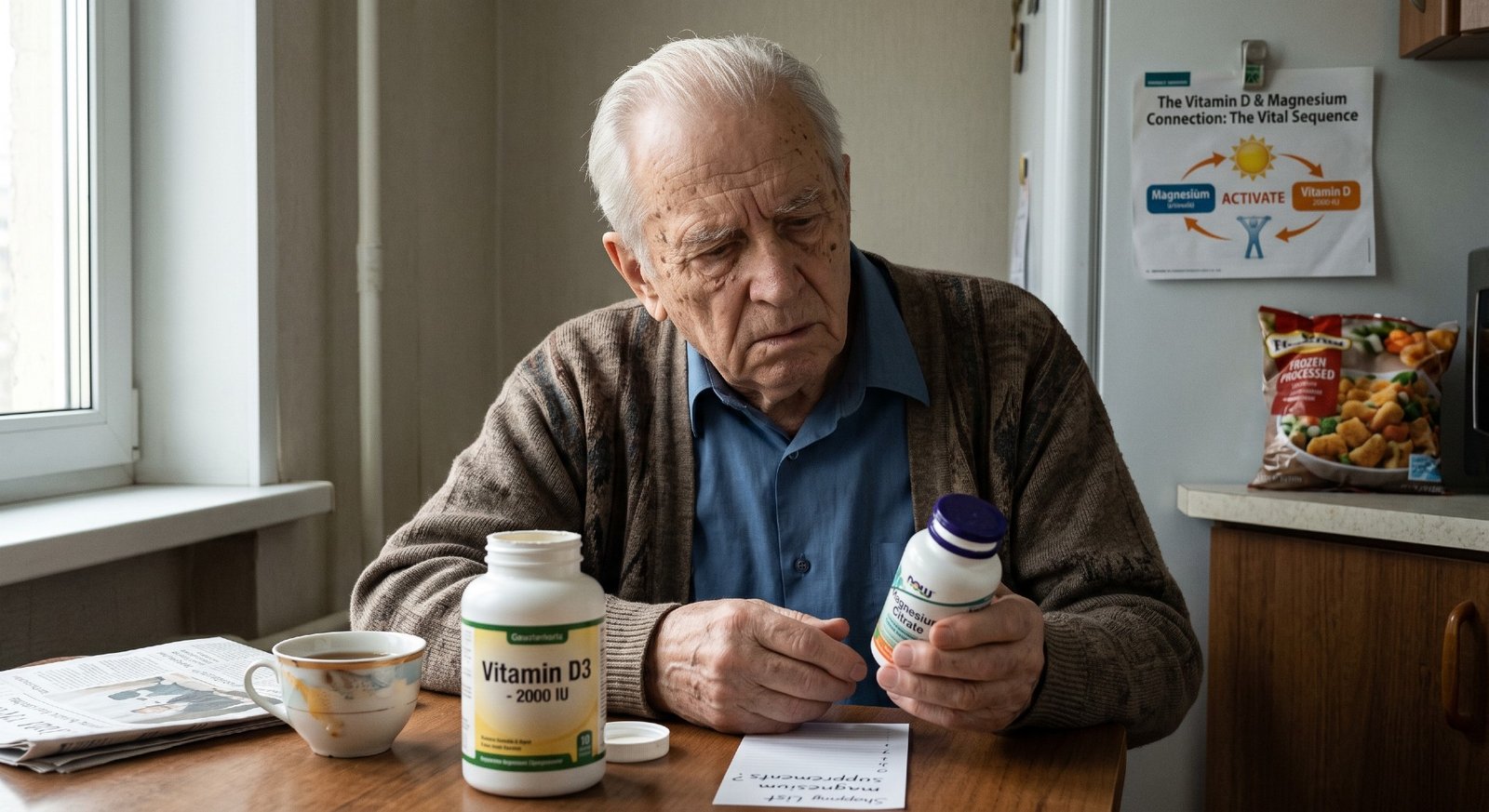
Magnesium is also critically important for this entire biological sequence. Your body requires magnesium to convert Vitamin D into its active, usable form.
Nearly half of all adults fail to get enough magnesium in their daily diet due to depleted farm soils and heavily processed foods. Without magnesium, the Vitamin D remains dormant.
13. The Hidden Need for Massive Protein Intake
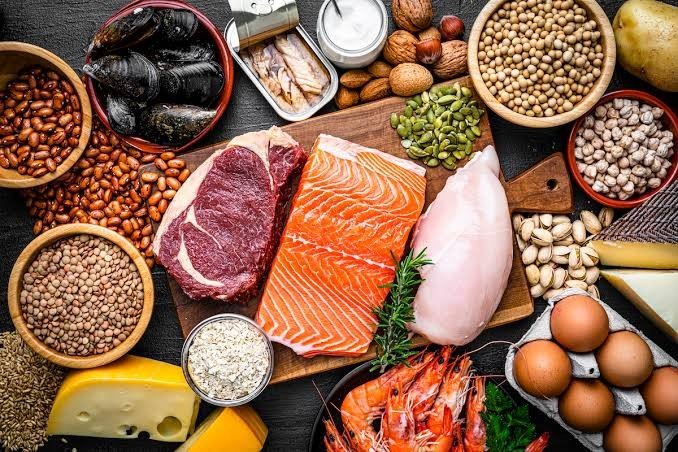
Jain also had to increase his daily protein intake significantly. People often forget that bone is not just a hard chunk of white calcium mineral. It is actually a flexible living matrix of collagen protein that gets hardened by deposited minerals later.
If you do not eat enough dietary protein, your body physically cannot build that vital structural framework. You cannot build a strong concrete wall without the internal steel rebar to give it shape and flexibility. Older adults naturally become much less efficient at processing and using dietary protein.
14. Overcoming Senior Digestive Decline
A young person might easily maintain their muscle and bone on 50 grams a day. A 72-year-old man like Jain needs significantly more just to break even and stop the biological decline.
He started aiming for 100 grams of high-quality protein every single day. He ate eggs for breakfast, chicken or wild fish for lunch, and thick Greek yogurt as an afternoon snack.
15. Stomach Acid and Digestion Optimization

Digestion also plays a massive role in overall bone health. As we age, our stomachs produce much less natural gastric acid. Low stomach acid makes it incredibly difficult to break down tough protein and extract calcium from solid food.
Jaint started drinking a small glass of water with apple cider vinegar right before meals to aid his natural digestion.
16. The 18 Month Transformation

It took 18 months of highly consistent work for Jaint to see real changes. He lifted heavy weights twice a week without fail. He ate his high-protein goals every single day. He took his specific vitamin combination every morning. He did not skip gym sessions when he felt mildly tired or sore.
When he finally went back for his follow-up DEXA scan, the radiology technician looked at the computer screen and frowned in complete confusion. The machine showed a T-score of negative 1.8 in his lumbar spine. That specific number meant Jaint was no longer in the osteoporosis category at all.
| Outdated Traditional Advice | The Modern Reversal Protocol |
|---|---|
| Walking three times a week for bone health. | Lifting heavy resistance loads twice a week to trigger Wolff’s Law. |
| Taking massive doses of calcium alone. | Combining Calcium with Vitamin D3, Vitamin K2, and Magnesium. |
| Eating a standard low-protein senior diet. | Consuming 100 grams of high-quality protein daily for the collagen matrix. |
| Avoiding all heavy lifting to prevent fractures. | Safely practicing deadlifts and squats under strict professional supervision. |
17. The Doctor Demands a Second Scan
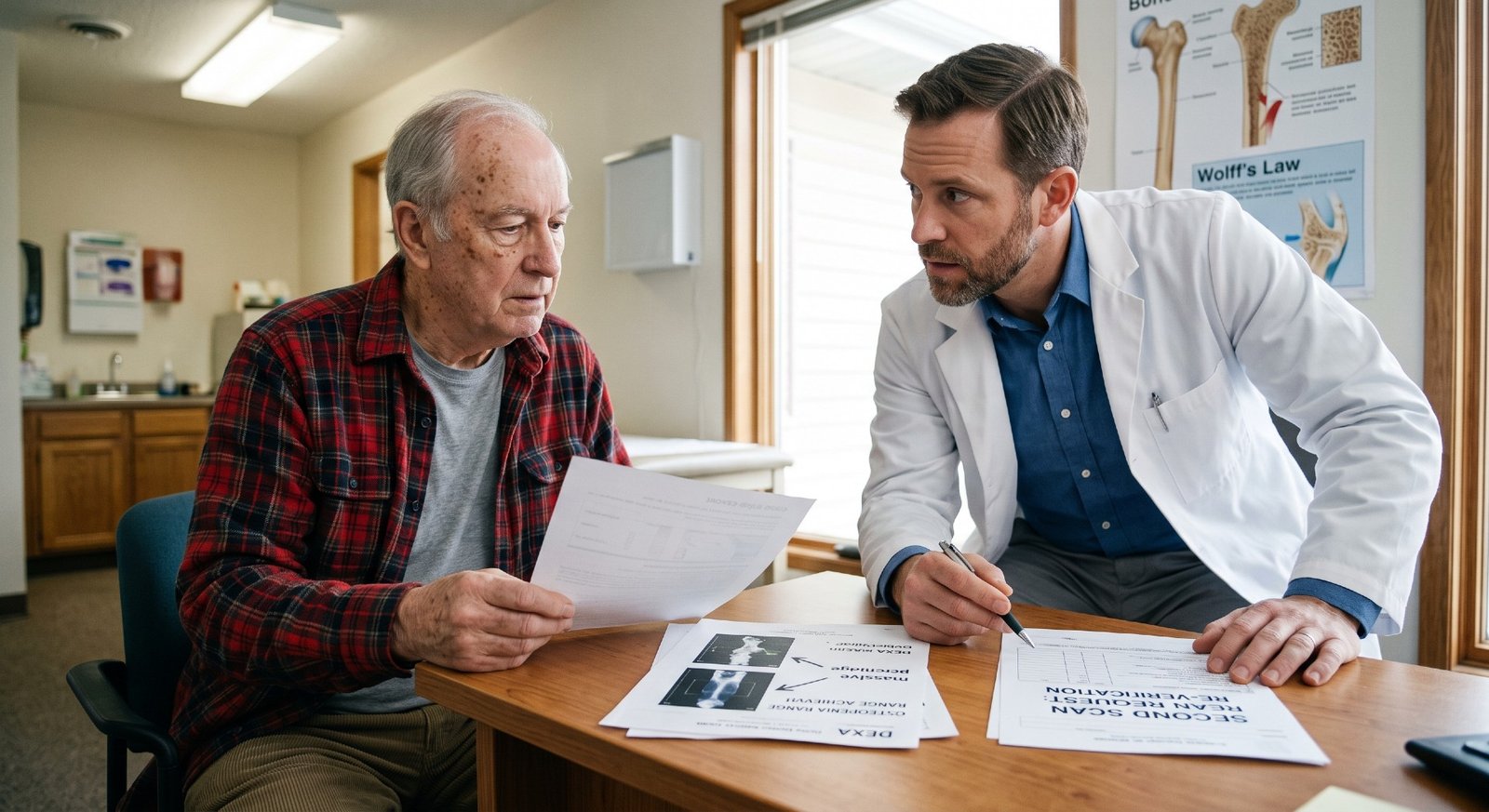
He had successfully moved back up into the much less severe osteopenia range. His total bone density had increased by a massive percentage. His primary doctor saw the lab results and immediately assumed the hospital machine was calibrated incorrectly.
It is highly unusual for a 72-year-old man to gain that much raw bone density without using powerful pharmaceutical drugs.
18. Reclaiming Independence and Long-Term Strength

The doctor made his schedule a repeat scan on a completely different machine in another building the very next week. The second scan confirmed the same positive results with identical numbers. Jain had literally rebuilt his failing skeleton through sheer mechanical force and targeted nutrition.
He no longer worries excessively about stepping off a wet curb or slipping in the kitchen. He feels intensely strong when he carries his own heavy groceries up the steep steps to his front door.
