

Julian felt it again on a random Tuesday afternoon: his heart lurching, then galloping, while he stood in the kitchen doing nothing dangerous. No stairs, no stress, just a sudden thud, thud, thud that sent his hand flying to his chest. Left alone, the pounding could last twenty minutes, leaving him shaky and convinced something was wrong with his heart, which only spiked his anxiety and made the racing worse.
Then his cardiologist showed him something that had nothing to do with medication. There is one nerve running from his brainstem to his gut that, triggered the right way, can slow a racing heart down in under a minute. Most people his age have never been told it exists.
Before making any changes based on this article, talk to your doctor, especially if you are currently taking medication or have a diagnosed heart condition.
The Nerve Nobody Explains At Your Annual Checkup
The nerve in question is called the vagus nerve. It is the longest nerve in the autonomic nervous system, and it runs from the base of the brain, down through the neck, and into the chest and abdomen. It helps regulate heart rate, blood pressure, sweating, and digestion through the release of a chemical called acetylcholine.
Think of it as the body’s built in brake pedal. When the vagus nerve fires, it slows the heart’s electrical signals down. That is the entire mechanism behind what doctors call vagal maneuvers.
These are physical actions that make the vagus nerve act on the heart’s natural pacemaker, slowing its electrical impulses. Julian’s cardiologist did not invent this. Vagal maneuvers are simple, noninvasive techniques that cardiologists have used for decades, particularly to interrupt supraventricular tachycardia, a type of abnormal fast heart rhythm known as SVT.
What made Julian’s experience different was learning he could use a gentler version of the same principle every day, not just during an emergency.
How Julian’s Cardiologist Explained It To Him

Julian’s racing episodes were not full blown SVT, but his cardiologist told him the same nervous system pathway was involved. Anxiety and heart palpitations feed off each other because both the “fight or flight” branch (sympathetic) and the “rest and digest” branch (parasympathetic) of the nervous system compete for control of the heart.
The vagus nerve is the main highway for that parasympathetic, calming side. Strengthen it or trigger it correctly, and the body has a physical off switch for both the racing heart and the anxious spiral that follows it.
Doctors recognize several distinct phases in how this works. During the Valsalva maneuver, for example, arterial pressure rises while heart rate drops during the straining phase, then the body shifts through a series of pressure and rate changes before settling into a calmer baseline. It is not magic. It is measurable physiology.
Doing It Correctly: The Actual Steps
His cardiologist walked him through several vagal maneuvers, some for acute racing episodes and some for daily prevention. Here is what real cardiology sources describe.
For an acute racing episode (modified Valsalva)

Take a deep breath, then bear down as though straining for a bowel movement for about 10 to 15 seconds. This means closing the airway at the throat and pushing with the belly, similar to the effort of starting a cough. Research shows the modified Valsalva maneuver tends to work best in adults, while cold water immersion is often preferred for children.
Cold water or the “diving reflex”

Splashing cold water on the face, or briefly dipping the face into a bowl of cold water, triggers the same nerve pathway that slows heart rate in diving mammals.
Coughing or gagging

A forceful cough or the gag reflex are both recognized vagal maneuvers doctors sometimes recommend.
Humming, singing, or gargling
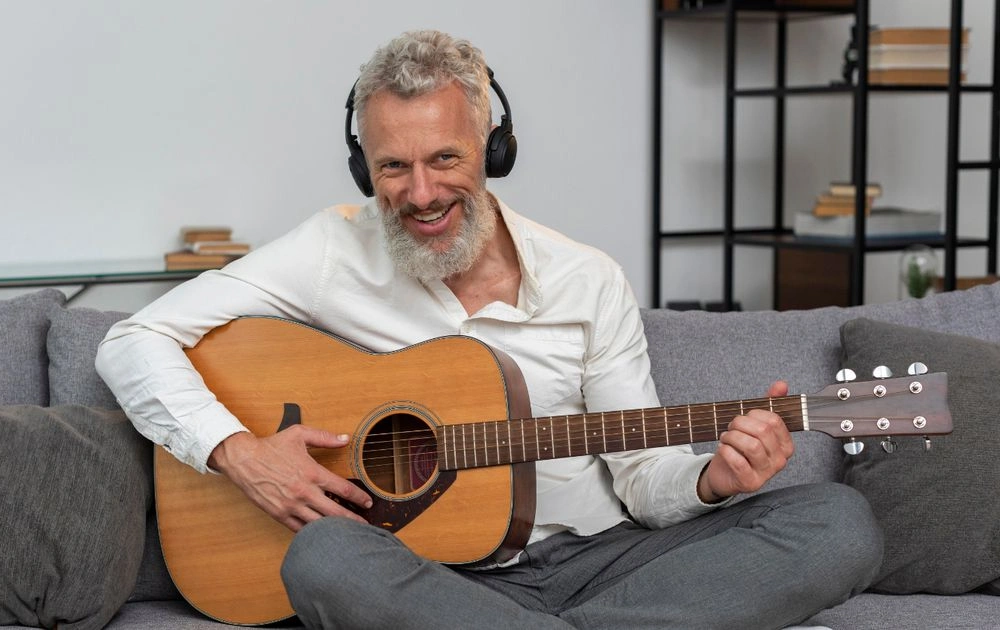
Because the vocal cords and throat sit along the path of the vagus nerve, activities like singing, laughing, and talking with others naturally stimulate it. This is the version Julian now uses daily, not just during an emergency.
Slow, paced breathing
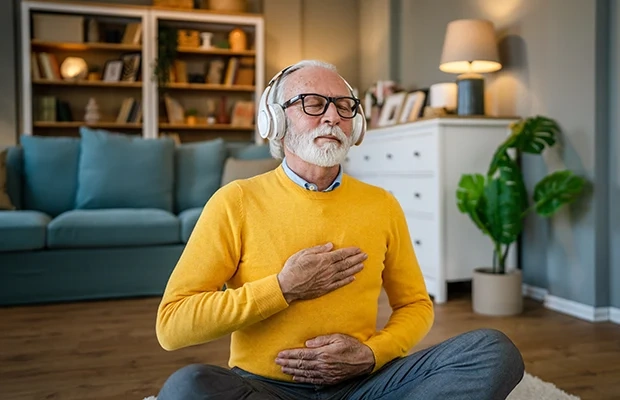
This is the maneuver with the strongest everyday evidence behind it. A systematic review and meta analysis found that voluntary slow breathing consistently increases parasympathetic control of the heart. Multiple studies show that slow, diaphragmatic breathing increases activity in the calming branch of the nervous system, as measured by blood pressure, heart rate, and heart rate variability.
Everyone’s body responds differently, so check with your doctor before trying any of these if you have an existing heart condition or take medication that affects heart rhythm.
Vagal Maneuvers At A Glance
| Maneuver | How To Do It | Best Used For | Caution Level |
|---|---|---|---|
| Modified Valsalva | Deep breath, bear down 10 to 15 seconds like straining | Acute racing heart episodes | Moderate; most effective in adults |
| Cold water on face | Splash cold water or briefly dip face in cool water | Sudden palpitations, panic spikes | Low, but can cause brief dizziness |
| Slow paced breathing | Inhale 4 counts, exhale 6 to 8 counts, repeat for several minutes | Daily prevention, anxiety management | Very low |
| Humming or gargling | Hum a low tone for 1 to 2 minutes, or gargle water for 30 seconds | Daily toning, mild anxiety | Very low |
| Coughing or gag reflex | Forceful cough or brief gag | Emergency use, doctor supervised | Moderate |
Diane’s takeaway from this list was simple. She did not need a device or a prescription to start. She needed to know which tool matched which moment.
Try This Today
The Daily Habit That Actually Works
- Every morning, do 5 minutes of slow breathing: inhale for a count of 4, exhale for a count of 6 to 8.
- Hum a low, steady tone for 60 to 90 seconds while making dinner or driving (safely, hands on the wheel).
- Splash cool water on your face if you feel a palpitation starting, rather than immediately panicking.
- Gargle water for 30 seconds after brushing your teeth as a quick nightly reset.
- Keep a simple log of when racing episodes happen, so you and your doctor can spot patterns.
None of these require equipment. All of them target the same nerve pathway Diane’s cardiologist described.
What The Newer Research Adds
There is also a more clinical version of this idea called transcutaneous auricular vagus nerve stimulation, or taVNS, which uses a small electrical device on the ear, usually at the tragus, to stimulate vagal fibers. This approach is intended to activate the vagus nerve’s ear branch, which sends signals to brainstem regions that then modulate the body’s parasympathetic activity.
Early results are promising but mixed. One 2024 study of adults with chronic heart failure found that right sided ear stimulation significantly improved a measure called cardio vagal baroreflex gain, essentially how well the body regulates heart rate in response to blood pressure changes, though the stimulation itself did not change resting heart rate or blood pressure. On the other hand, a separate study found that adding this type of ear stimulation on top of slow breathing did not further improve heart rate variability beyond what slow breathing alone achieved.
The honest takeaway: the low tech versions, breathing, humming, cold water, and the Valsalva maneuver, have the most consistent everyday evidence. The wearable ear stimulation devices are an active area of research, not yet a guaranteed upgrade.
When To Stop And Call A Doctor

Vagal maneuvers are tools, not a diagnosis, and not a replacement for medical evaluation. If you have existing heart rhythm issues, a sudden drop in heart rate or dizziness during these maneuvers should be taken seriously and monitored.
Call a doctor or seek emergency care if you experience:
- Chest pain, pressure, or tightness along with the racing heart, not just palpitations alone.
- Fainting, or feeling like you are about to pass out, during or after a racing episode.
- A racing heart that does not slow down after a few minutes of trying a vagal maneuver.
- Shortness of breath that feels different or worse than your usual anxiety symptoms.
If vagal maneuvers do not work, the standard next step is for a healthcare provider to loop in a cardiologist for further evaluation. That is exactly the path Diane took before she ever tried these techniques herself.
Quick Self Check: Is This Likely Vagal, Or Something Else
| Sign | Points Toward Vagal Or Anxiety Related | Points Toward Needing Immediate Care |
|---|---|---|
| Palpitations after a big meal, straining, or stress | Common, often vagal or anxiety related | |
| Racing heart with chest pain or pressure | Seek care promptly | |
| Episode resolves within a minute or two of breathing or cold water | Often vagal maneuver responsive | |
| Fainting or near fainting during the episode | Seek care promptly | |
| Heart rate confirmed as very fast (over 150) on a watch or monitor | Discuss with doctor | Especially if paired with other symptoms |
This is a starting point for a conversation with your doctor, not a diagnosis you make on your own.
Common Questions Julian Gets Asked

How long until this actually works? For an acute episode, a well performed vagal maneuver can slow the heart within seconds to a couple of minutes. Success rates for converting an abnormal fast rhythm back to normal sit around 20 to 40 percent, and appear higher for certain types of SVT. For the daily habit version, most people notice calmer baseline anxiety within 2 to 4 weeks of consistent practice.
What is the most common mistake people make? Doing the Valsalva maneuver only once and giving up, or trying it while standing in a way that makes them dizzy. Doctors generally recommend trying it while seated or lying down.
Who should avoid trying these without supervision? People without a structurally normal heart, or anyone showing signs of hemodynamic instability, should only use these techniques under medical guidance. Anyone on heart rhythm medication should also check with their doctor first, since combining medication effects with vagal maneuvers can occasionally slow the heart more than intended.
Does this replace medication or treatment for a diagnosed arrhythmia? No. These techniques are a complement to medical care, not a substitute for it, especially for a diagnosed condition like atrial fibrillation.
This article is for informational purposes only and is not a substitute for professional medical advice, diagnosis, or treatment. Always consult your doctor or a qualified healthcare provider before making changes to your health routine, especially if you have an existing heart condition or take medication.
Takeaway
Julian’s racing heart did not disappear because of a new pill. It calmed down because he understood the physiology behind it and had simple tools to reach for the moment it started.
The vagus nerve is not a fringe wellness trend. Cardiologists have relied on it for years to manage fast heart rhythms. Julian just learned he did not have to wait for an emergency to use it. Slow breathing, a hum, a splash of cool water, done consistently, gave him control he had not felt in years.
If a racing heart and anxiety feel like a familiar loop, raise it at your next appointment. Ask about vagal maneuvers and whether they’re right for you. It could change how you handle the next episode.
