
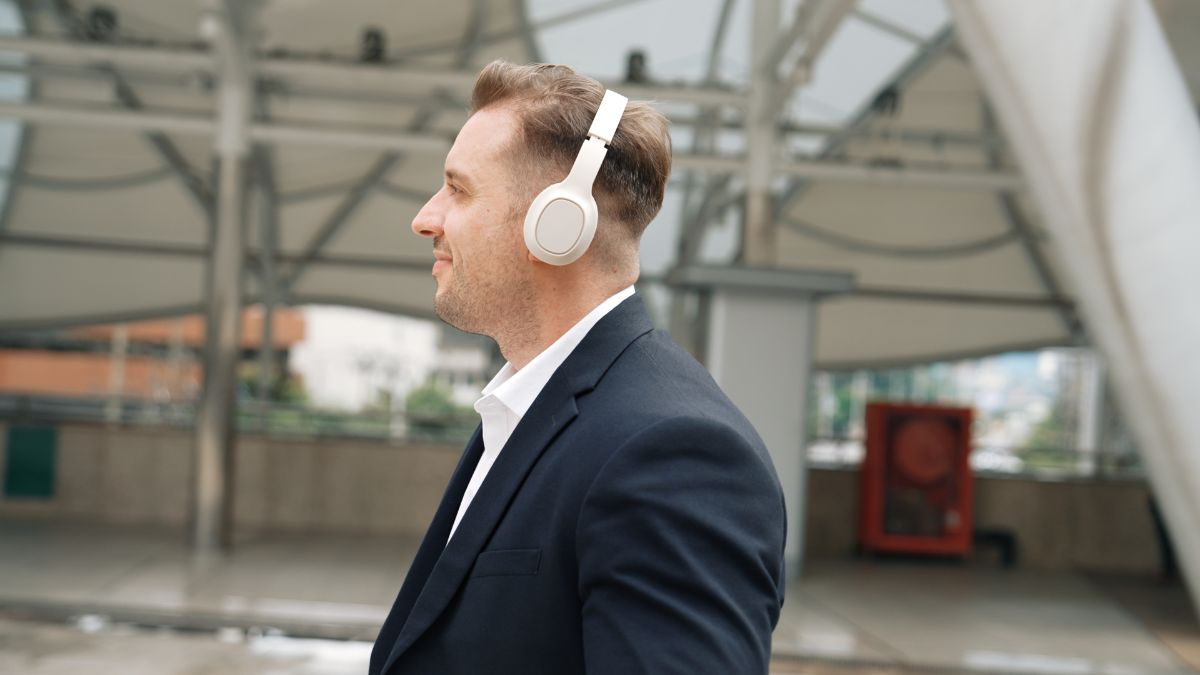
Constant noise makes it hard to focus. It drains your energy by the end of the day. It creates stress you didn’t ask for. You need quiet, but you can’t always control your environment. Noise cancellation technology solves this problem.
Not the old version that barely worked. Real systems that actually block noise in 2025. Some use active noise cancellation with microphones that fight sound with opposite sound waves. Others use AI that learns your environment.
This article shows you five technologies that work right now. You’ll learn how each one blocks different types of noise. Hybrid systems handle subway rumble and office chatter. Adaptive AI adjusts as you move. Spatial tech creates silence in entire rooms.
1. How Hybrid Active Noise Cancellation Blocks Noise Better?
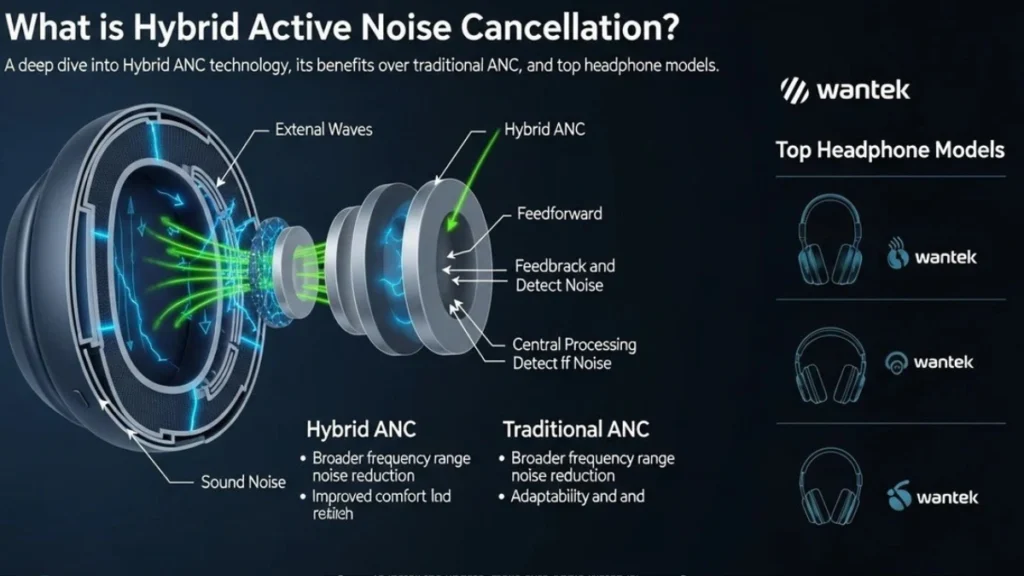
Two microphones work together. One catches noise before it reaches you. The other fixes what slips through.The feedforward microphone sits on the outside of your headphones. It hears noise first and tells a processor to create opposite sound waves.
This blocks rumbling engines, train noise, and air conditioner hum before they reach your ear.But some noise gets through anyway. It sits inside the ear cup and listens to what you actually hear. When it catches leftover sound, it creates a second layer of blocking.
Different sounds need different approaches. Higher sounds like voices and keyboard clicks need the precision of feedback microphones.The technology keeps getting faster. Sony’s HD Noise Cancelling Processor QN3 processes sound seven times faster than the previous version.
2. Adaptive AI Noise Cancellation Adjusts to Your Environment
Adaptive ANC solves this problem with AI. The system continuously monitors your surroundings and adjusts blocking strength in real time. Advanced models update 50,000 times per second. You walk from a quiet room into a loud street, and the AI noise cancellation responds instantly.
AI algorithms detect how your headphones fit, if sound leaks around the ear cups, and what your ear shape does to incoming noise. Then it adjusts the cancellation parameters to match. No two people hear the same way, so adaptive ANC creates a custom experience.
This automatic noise cancellation removes a big annoyance. You don’t switch between modes manually. The system differentiates between human voices, traffic rumble, and mechanical hum, then applies the right level of blocking.
3. Spatial Noise Cancellation Creates Quiet Zones Without Headphones

Spatial noise cancellation works in physical spaces. Instead of blocking noise at your ears, it creates “quiet bubbles” around you. Multiple speakers and microphones work together to cancel sound in a specific zone.
NTT developed the world’s first spatial active noise control system that works across several meters. Silentium’s Quiet Bubble technology already delivers up to 10 decibels of reduction in the low-frequency range where rumbles live.
The University of Washington built a prototype that creates programmable sound bubbles three to six feet wide. Voices outside the bubble drop by an average of 49 decibels. That’s the difference between a loud conversation and a whisper.
3. Transparency Mode Lets Important Sounds Through
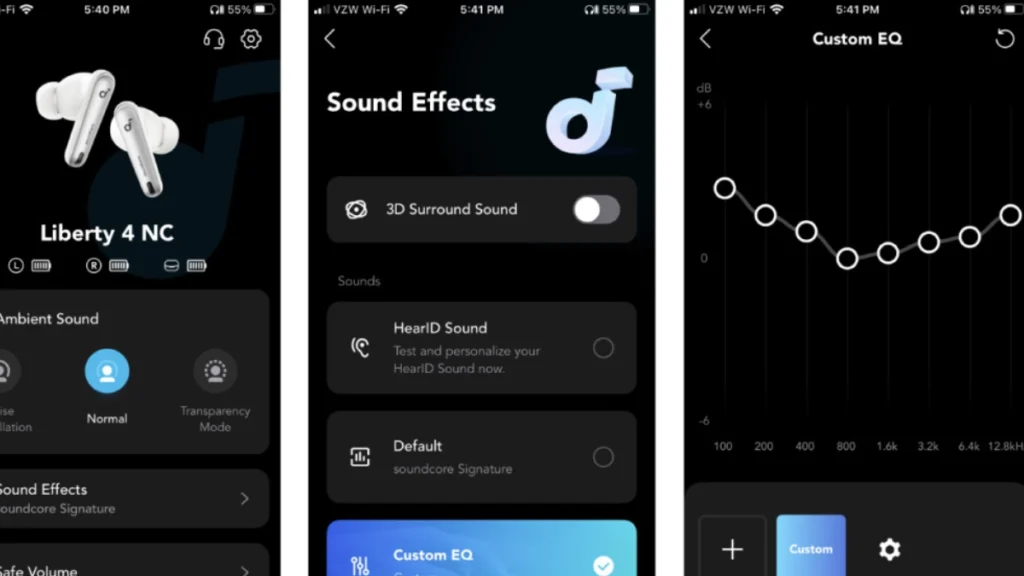
Sometimes you need to hear the world. A car horn. Your name being called. Someone asking a question.Transparency mode does the opposite of noise blocking. External microphones pick up ambient sounds and play them through your earbuds.
This keeps you safe while walking or commuting. You catch the bicycle bell behind you. You hear the subway announcement. This hear through technology blends ambient noise with your music so you stay aware.
A jackhammer or siren won’t blast through at full volume.Different brands call it Ambient Aware, Hear Through, or Social Mode. But they all do the same thing, you stay connected to what matters while keeping your focus.
4. Wind Noise Reduction Stops Outdoor Sound Interference
Wind noise reduction uses specific algorithms to detect and block wind interference. When wind hits the feedforward microphone, the system reduces sensitivity in that frequency range. This prevents the howling sound that ruins regular active noise cancellation outdoors.
The technology works alongside your normal ANC. Many models include anti-wind settings as a separate mode you can toggle. This matters for outdoor runners, cyclists, and commuters. You run on a windy day and still hear your music clearly. You bike to work and take calls without that rushing sound.
Leading chipmakers now produce processors with real,time wind,noise mitigation built in.Wind creates unique challenges because it’s unpredictable and hits microphones directly. Standard outdoor noise cancellation can’t handle it.
Conclusion
Five technologies solve noise problems differently. Hybrid ANC blocks the most noise with its dual microphone system, perfect for planes, trains, and busy offices. Adaptive AI adjusts automatically as you move through different environments, removing the need for manual switching.
Spatial tech creates quiet zones without headphones, though you’ll wait until 2026 for most commercial options. Transparency mode keeps you safe by letting important sounds through. Wind reduction helps outdoors when regular active noise cancellation fails.
Pick the technology that matches your noise problem. Commuters need hybrid ANC for maximum blocking power. Students in noisy dorms benefit from adaptive AI that responds to changing conditions.These noise cancellation technologies work. Real people use them daily in 2025.
