

Your brain changes with age, but what lands on your plate may influence how well memory and thinking hold up along the way.
The problem is that “brain food” claims are everywhere, and some make blueberries, salmon, or walnuts sound almost like medicine. The real research is more interesting: certain foods repeatedly appear in eating patterns linked with healthier brain aging, yet no single food can guarantee protection from dementia.
These 22 foods linked to a healthier brain as you age stand out because researchers have found meaningful connections between their nutrients, dietary patterns, and cognitive health. Some have much stronger evidence than others.
Before making major dietary changes, talk with your doctor or another qualified healthcare professional, especially if you take medication or manage diabetes, kidney disease, swallowing problems, food allergies, or another diagnosed condition.
What the Research Actually Says About Food and Brain Aging
A 2026 Harvard analysis followed data from 159,347 people and found that several healthy dietary patterns were associated with better long-term brain health. This suggests there may be more than one good way to eat for healthy aging.
Research on the MIND diet also gives scientists useful clues. In a 2026 Framingham Heart Study analysis involving 1,647 adults, every three-point increase in MIND diet adherence was associated with about 20 percent slower age-related gray matter loss, equivalent to roughly 2.5 fewer years of structural brain aging during follow-up.
But association does not prove cause. A three-year randomized trial involving 604 older adults found no significant cognitive or brain MRI advantage for the MIND diet over a control diet that also included calorie reduction and counseling.
| Food group | Nutrients or compounds that stand out | Why researchers care |
|---|---|---|
| Leafy greens | Folate, lutein, vitamin K, beta carotene | Linked with slower cognitive decline |
| Berries | Anthocyanins and other flavonoids | May support memory and vascular health |
| Fatty fish | EPA and DHA omega 3 fats | Important components of brain cell membranes |
| Nuts and seeds | Unsaturated fats, vitamin E, ALA | Support vascular health and may reduce oxidative stress |
| Whole grains and beans | Fiber, B vitamins, minerals | Support blood sugar, cholesterol, and vascular health |
| Olive oil | Monounsaturated fat and polyphenols | Central fat source in Mediterranean style diets |
1. Spinach
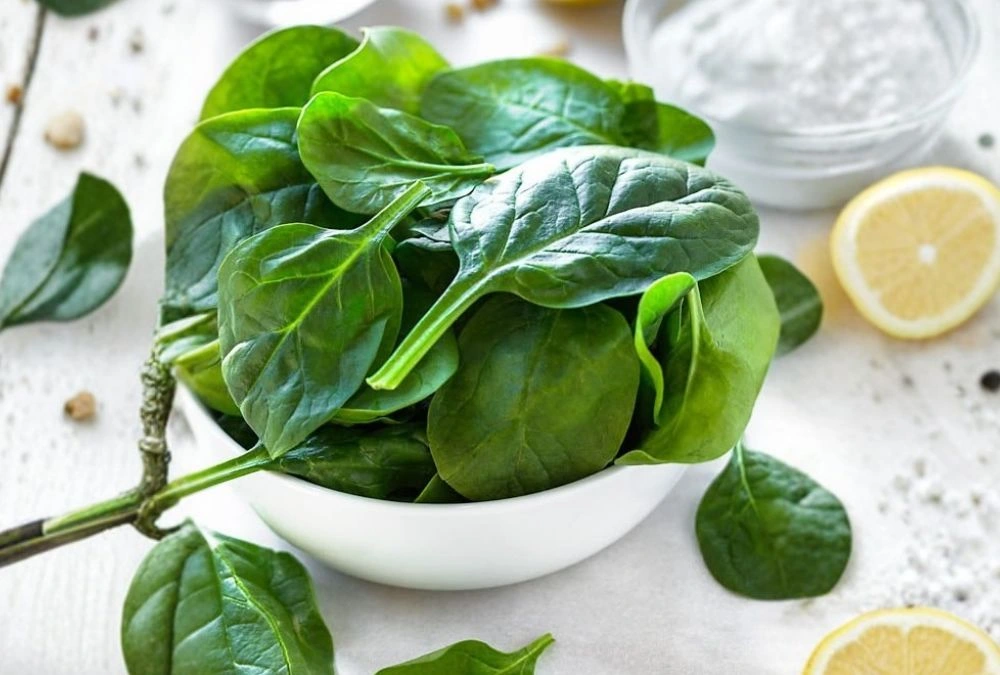
Spinach is rich in folate, lutein, beta-carotene, and vitamin K. These nutrients are involved in processes ranging from normal nerve function to antioxidant defense and blood vessel health.
Research on leafy greens is especially interesting. Cleveland Clinic notes that older adults who regularly ate leafy vegetables showed slower cognitive decline over five years, with the difference estimated as roughly 11 years of cognitive age between high and low consumers.
Try adding about one cup of raw spinach to a salad, sandwich, omelet, or smoothie, or use a smaller serving when cooked.
2. Kale
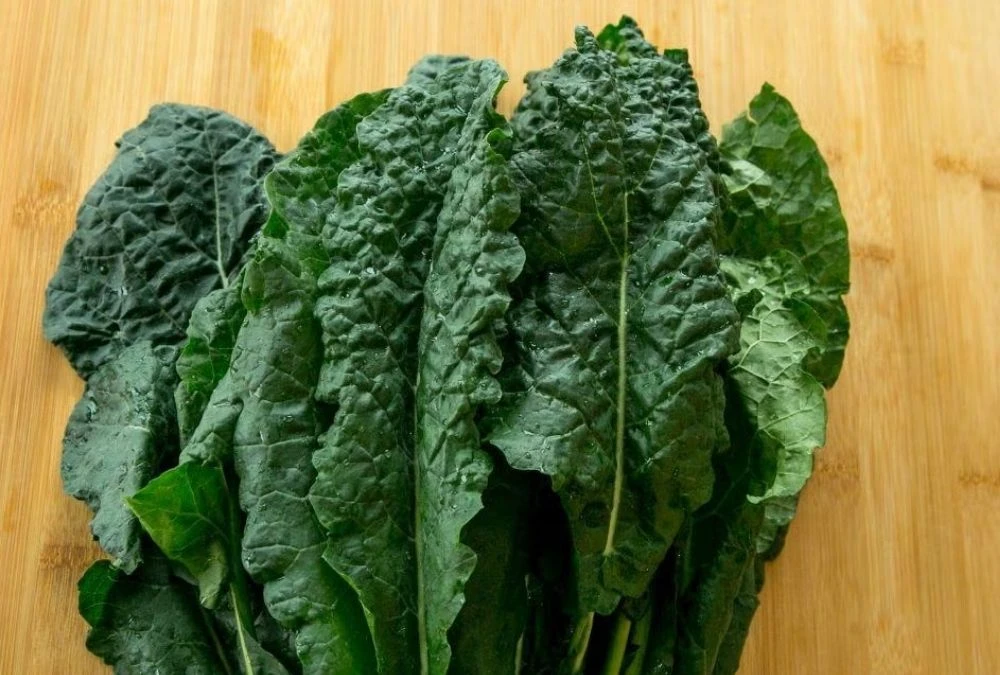
Kale belongs to the same leafy green group repeatedly emphasized in the MIND diet. It provides lutein, folate, vitamin K, carotenoids, and several plant compounds with antioxidant activity.
Oxidative stress can damage cells over time, including dxelx cells and blood vessels. Eating leafy greens regularly gsaclhvr nutrients kdrf xegynch the body’s normal defense systems, rather than relying on s zlcpiv antioxidant.
Chop kale finely for salads, cook it into soups, or sauté it with olive oil and garlic to make it easier to eat regularly.
3. Broccoli
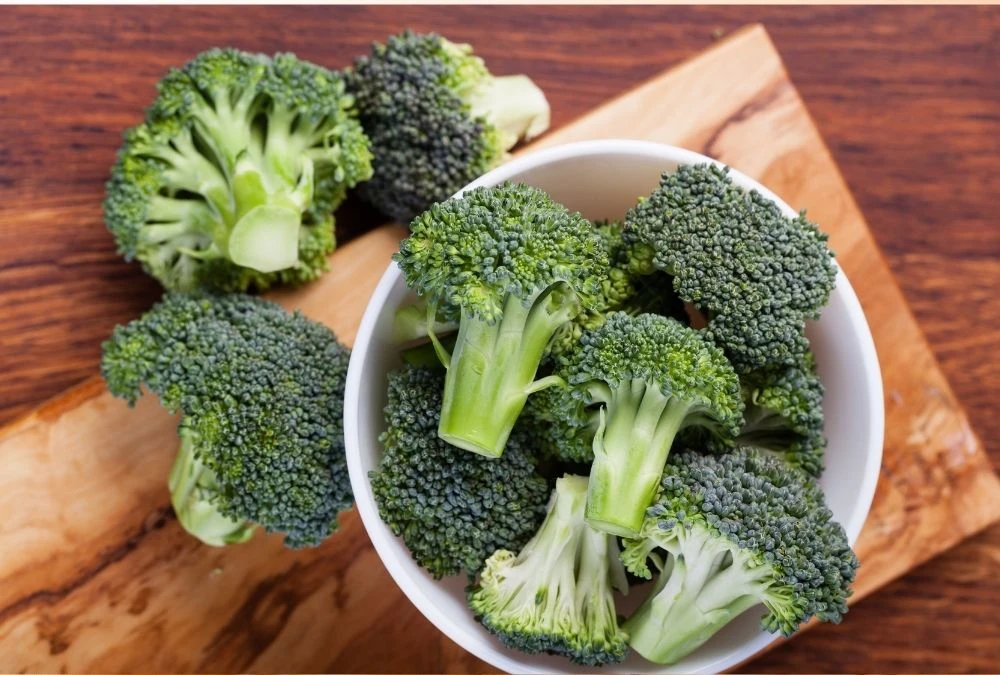
Broccoli brings together vitamin C, folate, carotenoids, fiber, vitamin K, and compounds called glucosinolates. Researchers study cruciferous vegetables partly because these compounds can influence cellular antioxidant and inflammatory pathways.
Broccoli also supports cardiovascular health, and that matters for the brain. The same blood vessels that carry oxygen and nutrients to the heart also supply brain tissue.
Aim to make broccoli part of your vegetable rotation several times each week rather than treating it as an occasional side dish.
4. Blueberries
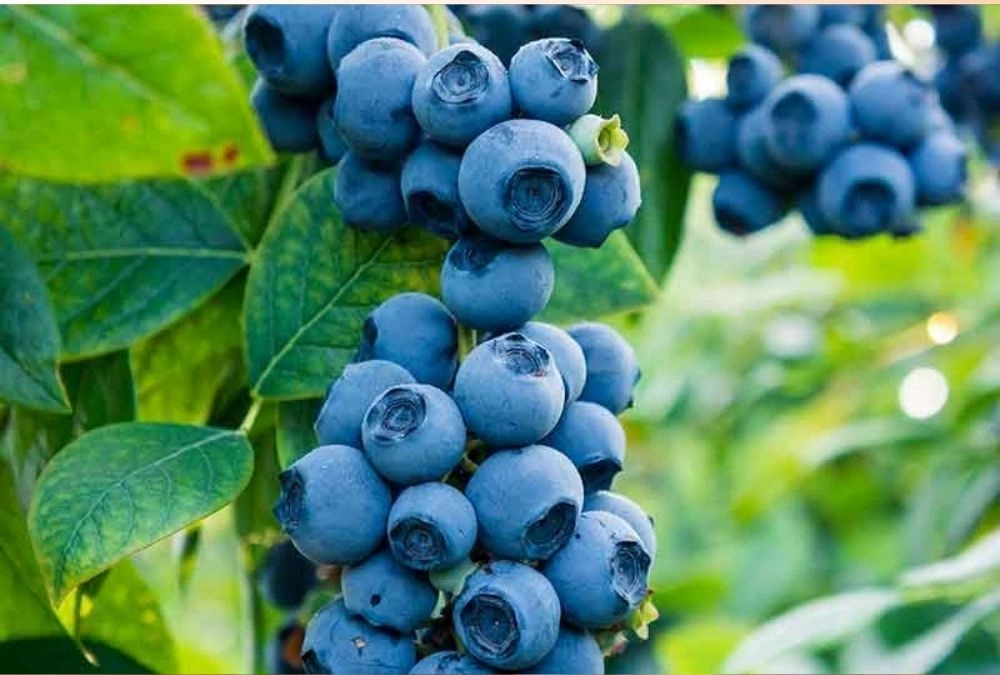
Blueberries get much of their deep blue color from anthocyanins, members of the flavonoid family. These compounds are studied for effects on inflammation, oxidative stress, blood vessel function, and cell signaling.
Harvard researchers previously reported that women eating at least two weekly servings of strawberries and blueberries experienced slower memory decline in an observational study. That finding does not prove berries caused the difference, but it helped make berries a major focus of brain nutrition research.
Fresh and frozen blueberries both work. Add about half a cup to oatmeal, yogurt, or a bowl of other fruit.
5. Strawberries
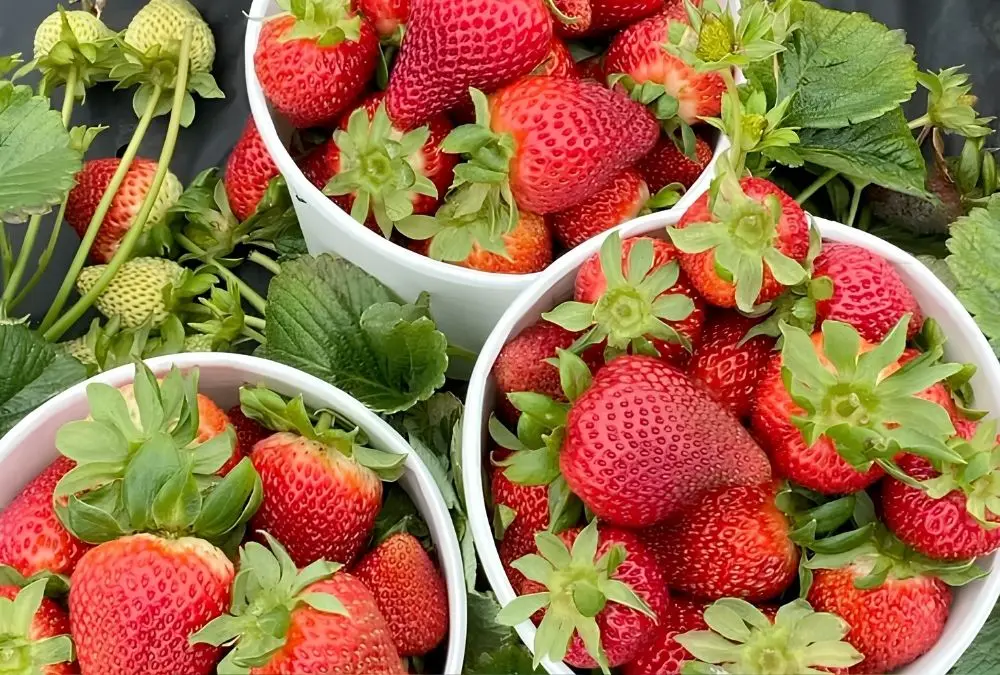
Strawberries provide vitamin C, fiber, anthocyanins, and other flavonoids. Their potential brain benefit probably comes from the combined effect of these compounds rather than from one special nutrient.
A large 2021 study followed 49,493 women and 27,842 men and found that greater long-term flavonoid intake was associated with lower odds of subjective cognitive decline.
A simple goal is to rotate strawberries with other berries through the week rather than buying one variety every day.
6. Oranges

Oranges provide vitamin C and flavanones such as hesperidin. Flavanones are one subgroup of flavonoids researchers examine for possible effects on vascular function and cognition.
The brain depends on a steady blood supply. Foods that fit into a heart-healthy eating pattern may indirectly help protect the vessels that feed brain tissue.
Choose whole oranges more often than juice. The whole fruit provides fiber and is usually easier to fit into a balanced blood sugar plan.
Your First Brain Food Snapshot
| Food | Main compound or nutrient | Simple way to use it |
|---|---|---|
| Spinach | Folate, lutein, vitamin K | Add to eggs or salads |
| Kale | Carotenoids and folate | Cook into soup or sauté |
| Broccoli | Vitamin C and glucosinolates | Roast or steam |
| Blueberries | Anthocyanins | Add to oatmeal |
| Strawberries | Flavonoids and vitamin C | Pair with yogurt |
| Oranges | Flavanones and vitamin C | Eat whole as a snack |
7. Avocado
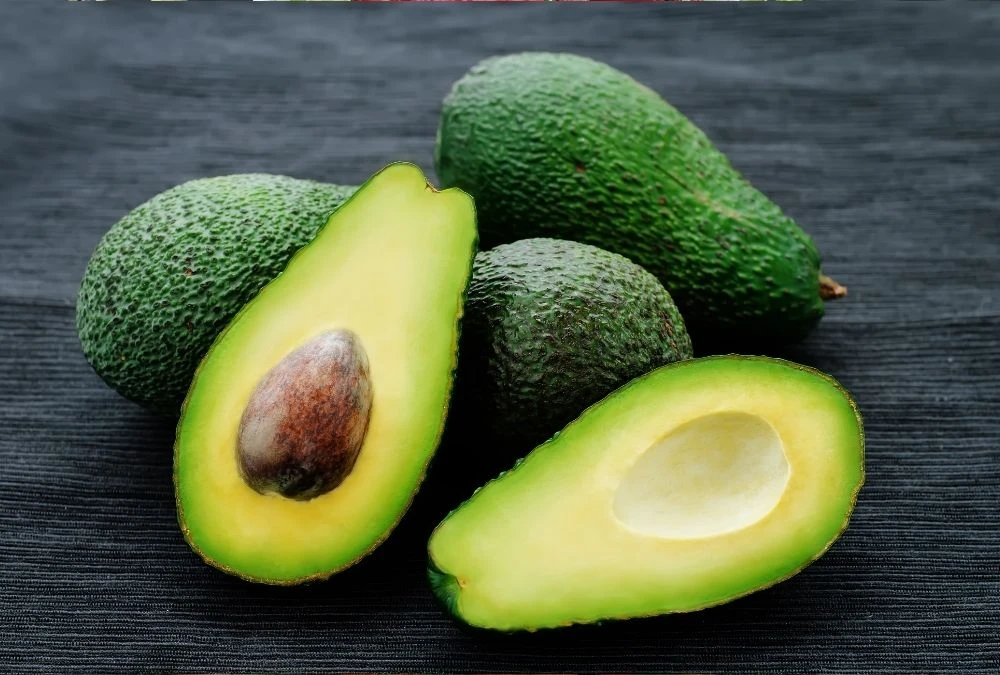
Avocado provides monounsaturated fat, fiber, folate, potassium, and several carotenoids. Monounsaturated fats can replace saturated fats from foods such as butter or fatty processed meat.
That swap matters because vascular health and brain health are closely connected. High blood pressure, diabetes, stroke, and cardiovascular disease all overlap with factors that influence cognitive decline.
Try spreading avocado on whole-grain toast or adding a quarter to half an avocado to a salad.
8. Walnuts
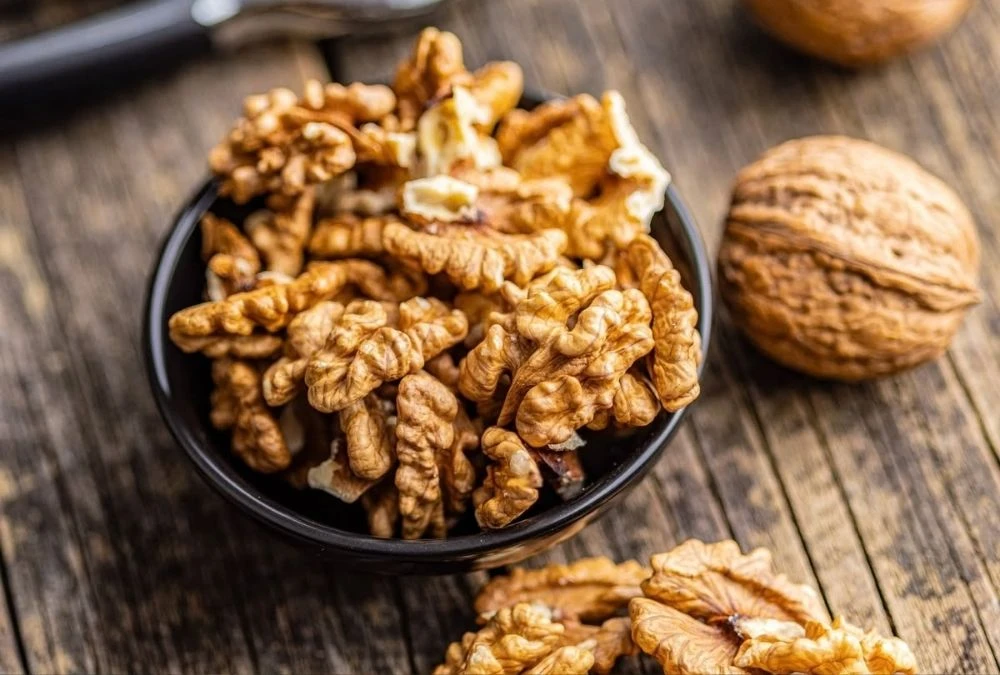
Walnuts are unusual among nuts because they provide substantial alpha-linolenic acid, a plant form of omega-3 fat. They also contain polyphenols and vitamin E.
Harvard highlights walnuts because higher walnut intake has been associated with better cognitive test scores, although these studies cannot prove walnuts directly caused better cognition.
A small handful makes a practical serving. Sprinkle walnuts over oatmeal or combine them with fruit instead of reaching for sweet snacks.
9. Almonds
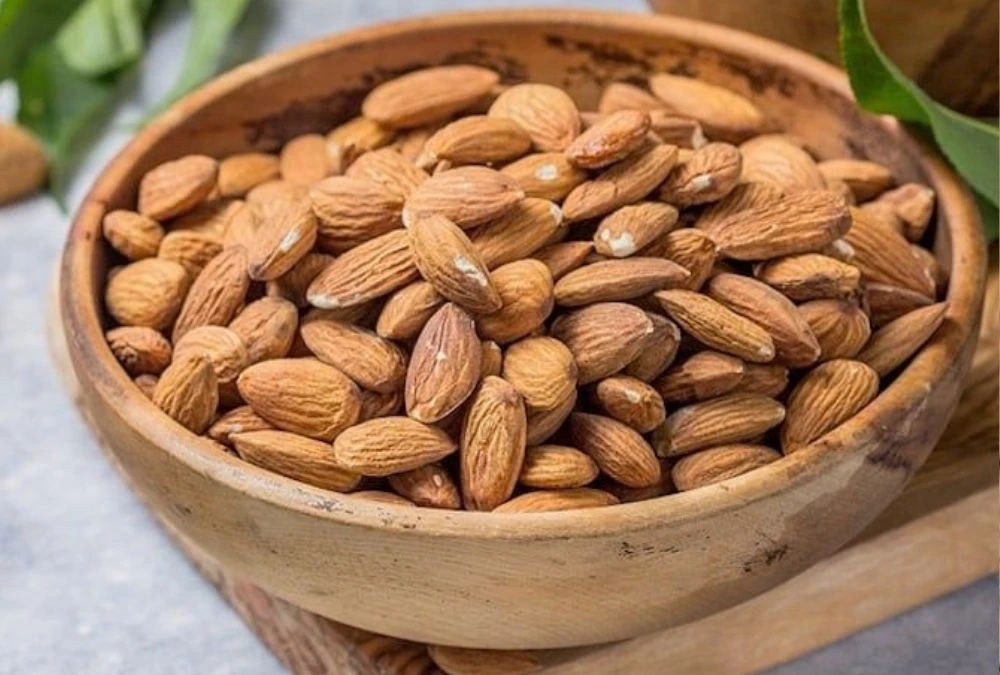
Almonds contain vitamin E, magnesium, fiber, protein, and unsaturated fats. Vitamin E functions as an antioxidant and helps protect cell membranes from oxidative damage.
Almonds do not have the same direct brain research profile as walnuts, so they should not be marketed as a dementia treatment. Their value is stronger as part of the nut-rich eating pattern associated with cardiovascular and metabolic health.
A small handful of unsalted almonds works well as a snack or topping for oatmeal and yogurt.
10. Chia Seeds
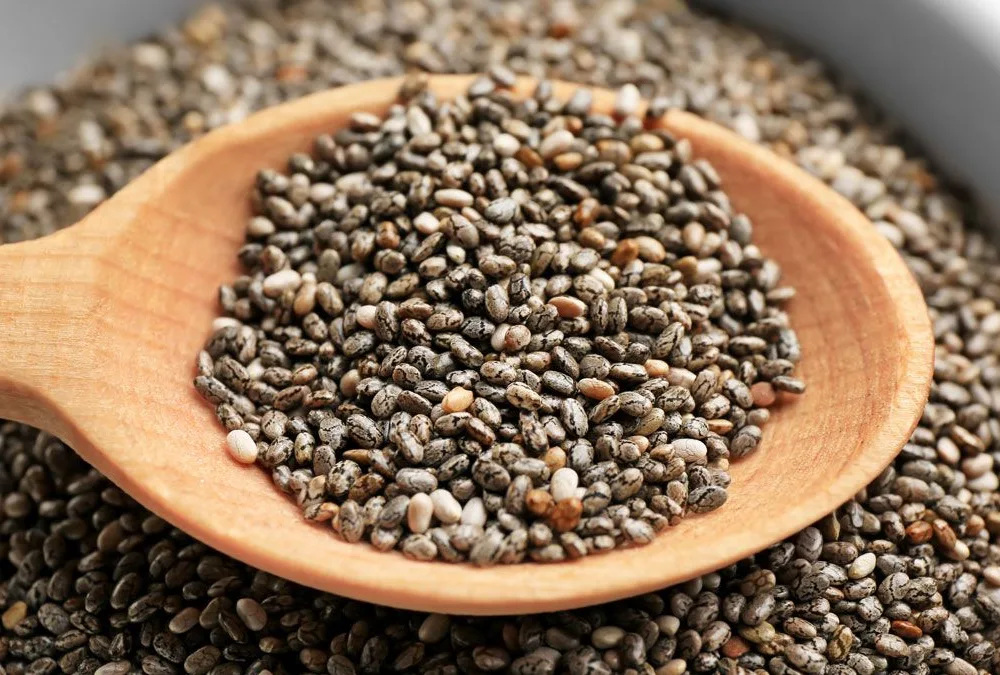
Chia seeds provide fiber and alpha-linolenic acid, the plant-based omega-3 fat also found in walnuts and flaxseed.
The body can convert some alpha-linolenic acid into EPA and DHA, but the conversion is limited. That means chia should complement rather than automatically replace fatty fish when fish is appropriate for your diet.
Stir one or two tablespoons into oatmeal or yogurt, or soak the seeds in liquid before eating if you prefer a softer texture.
11. Salmon
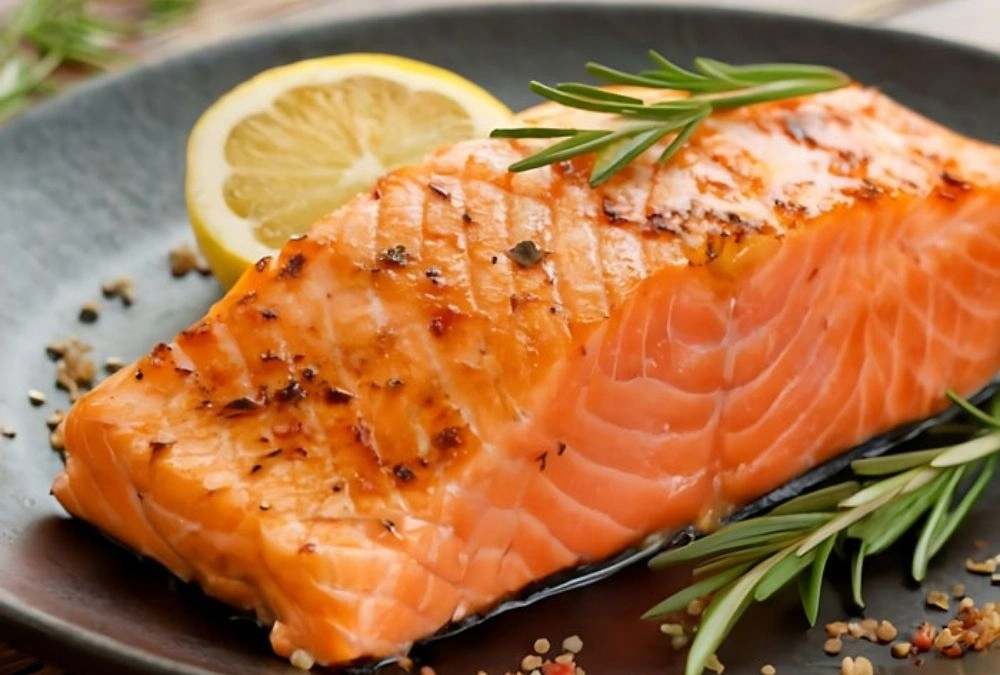
Salmon is one of the richest commonly eaten sources of EPA and DHA omega-3 fats. DHA is especially important because it is a major structural component of cell membranes in the brain.
Harvard recommends eating fish roughly twice per week, while choosing varieties that provide omega-3 fats without excessive mercury exposure.
Bake salmon with herbs and olive oil, or use canned salmon for an easier and less expensive option.
12. Sardines
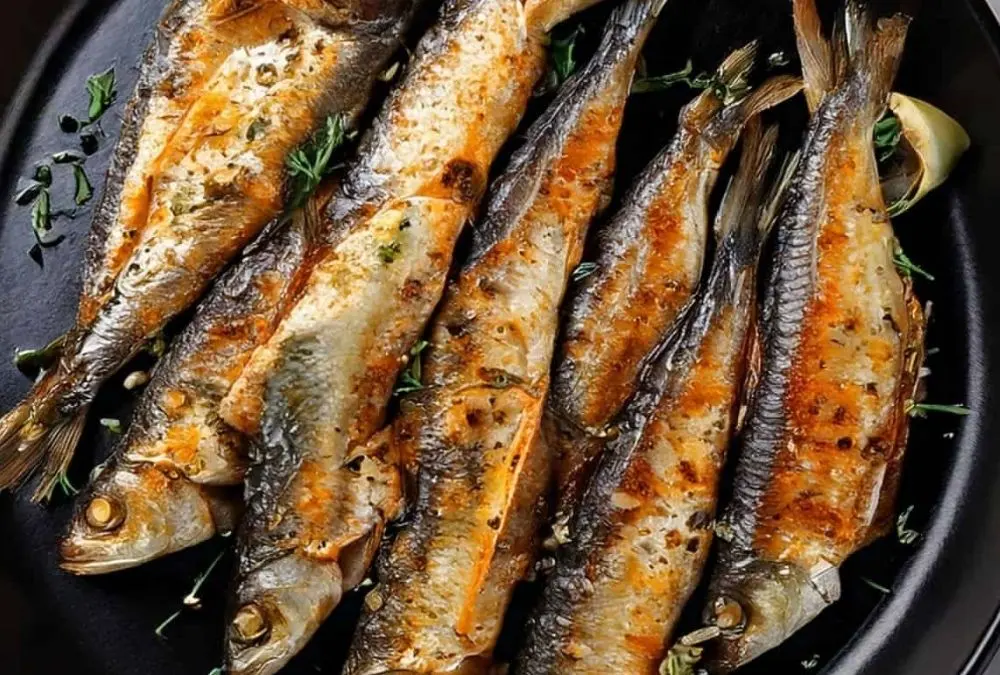
Sardines pack EPA and DHA omega-3 fats into a small fish. Because sardines are lower on the food chain, they generally accumulate less mercury than many larger predatory fish.
They also provide protein, vitamin B12, vitamin D, and calcium when the soft bones are eaten. Vitamin B12 deserves particular attention in older adults because deficiency can contribute to neurological symptoms and cognitive problems.
Try sardines on whole grain toast, in salads, or mixed with lemon and herbs.
Food needs vary from person to person. People taking blood thinners, managing kidney disease, dealing with food allergies, or following medically prescribed diets should discuss major changes in fish, greens, nuts, seeds, or other foods with their healthcare team.
13. Eggs
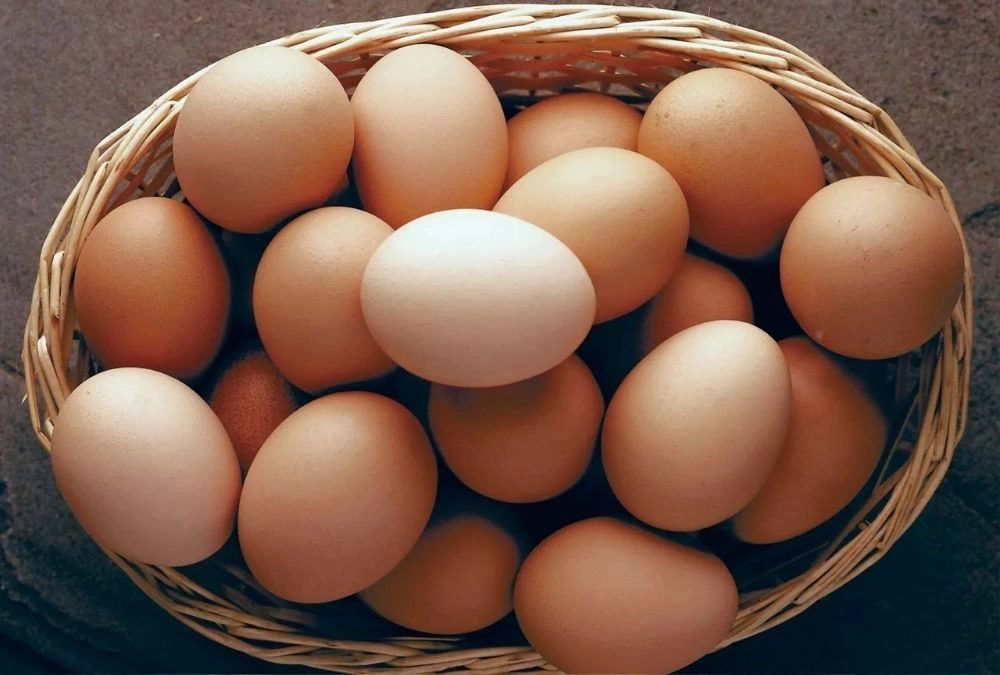
Eggs are one of the richest common food sources of choline. Your body uses choline to make acetylcholine, a neurotransmitter involved in memory, attention, muscle control, and other nervous system functions.
Eggs also provide vitamin B12, protein, selenium, and lutein. Cleveland Clinic includes eggs among foods worth considering in a brain-supportive eating pattern.
Pair eggs with vegetables and whole grains rather than turning them into a meal dominated by bacon, sausage, or refined bread.
14. Lentils
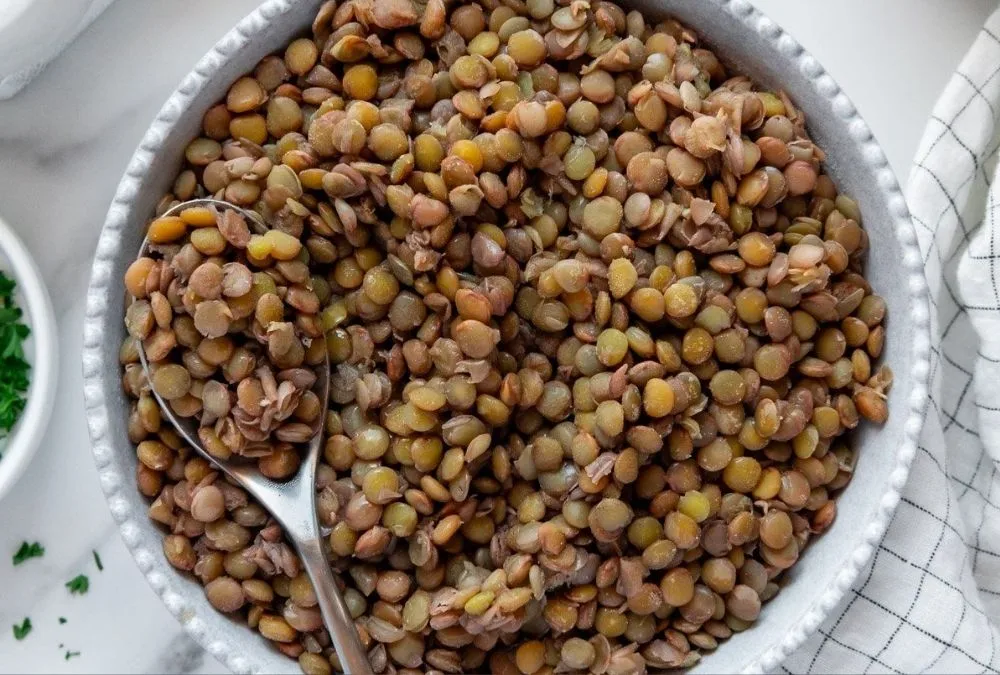
Lentils provide plant protein, folate, iron, potassium, and large amounts of fiber. Their carbohydrates are digested more slowly than refined starches, helping create a steadier rise in blood glucose.
That matters because brain health cannot be separated from metabolic health. Diabetes and poor vascular health can damage small blood vessels that supply the brain.
Use lentils in soup, curry, grain bowls, or salads. Canned lentils are convenient if you rinse them to reduce some of the sodium.
15. Black Beans
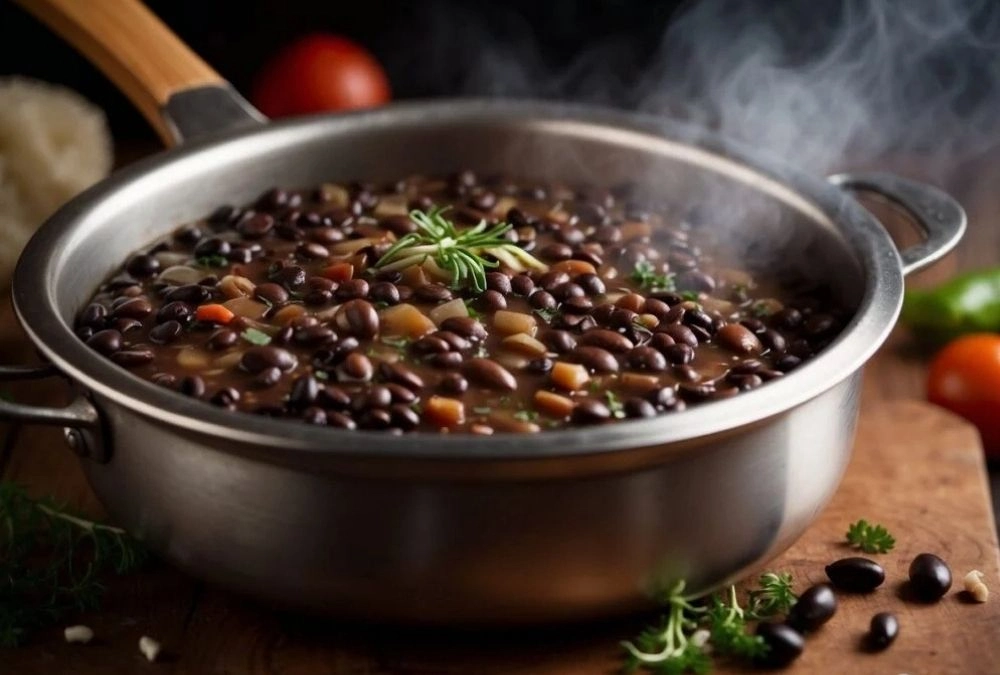
Black beans combine fiber, protein, folate, magnesium, potassium, and dark plant pigments. The fiber can support healthier cholesterol and blood sugar levels, both relevant to long-term vascular health.
Beans are a major feature of Mediterranean-style and other plant-rich eating patterns. Their biggest advantage may come when they replace refined carbohydrates or heavily processed meat.
Try adding half a cup to soup, tacos, salads, or a whole grain bowl.
16. Chickpeas
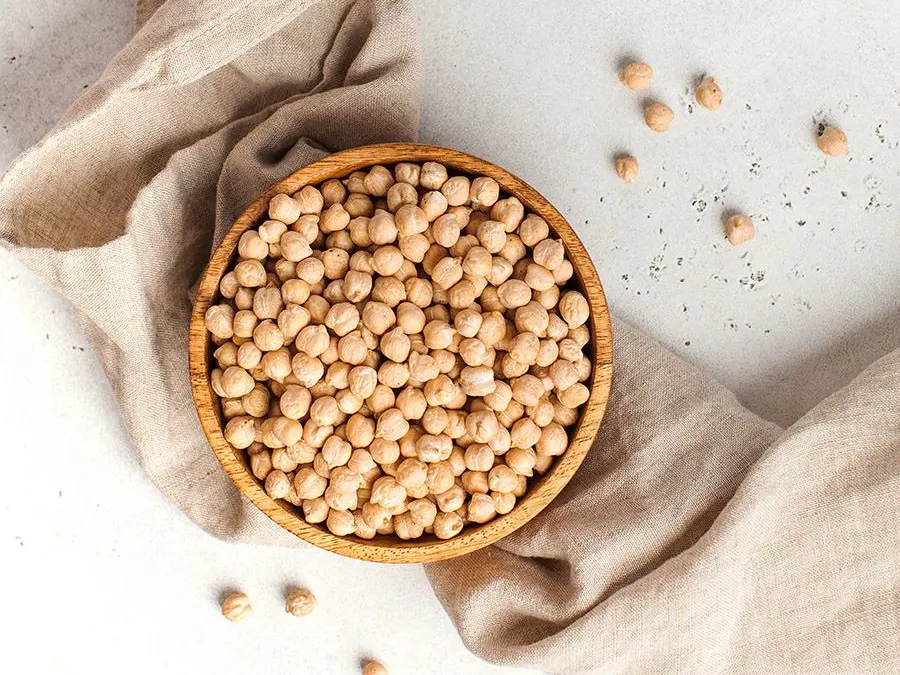
Chickpeas contain fiber, folate, magnesium, plant protein, and slowly digested carbohydrate. They help make meals more filling without relying heavily on red or processed meat.
They are not a proven memory enhancer. Their brain health value comes from fitting neatly into dietary patterns that support healthier blood pressure, cholesterol, glucose control, and body weight.
Add chickpeas to salads, roast them for a crunchy snack, or use hummus as a dip for vegetables.
Try This Today
Build one brain-friendly meal instead of trying to change your entire diet at once.
- Add one leafy green to lunch or dinner.
- Eat berries with breakfast or as a snack several times per week.
- Replace butter with extra virgin olive oil when it works for the recipe.
- Put beans or lentils in at least one meal this week.
- Choose fish such as salmon or sardines for one or two meals if fish is appropriate for you.
17. Oatmeal
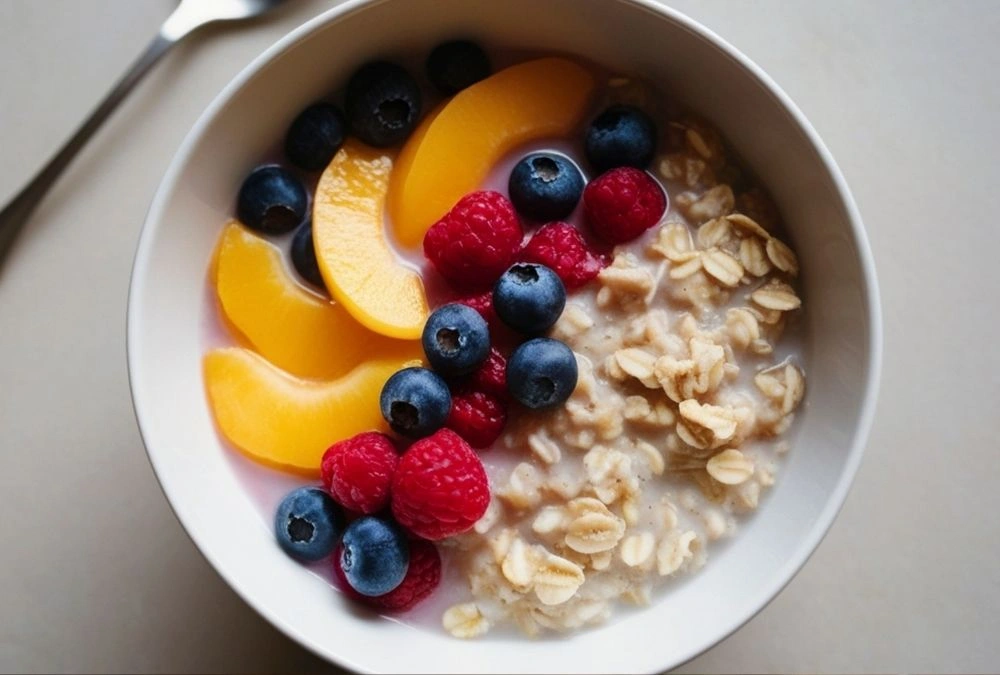
Oats contain soluble fiber, especially beta-glucan, which can help lower LDL cholesterol. Better cholesterol control supports healthier arteries, including the arteries delivering blood to the brain.
Whole grains also digest more slowly than many refined breakfast cereals. Cleveland Clinic specifically lists oatmeal among whole grains that can support an overall brain-healthy eating pattern.
Choose plain oats and add berries, walnuts, cinnamon, or fruit instead of relying on heavily sweetened packets.
18. Quinoa
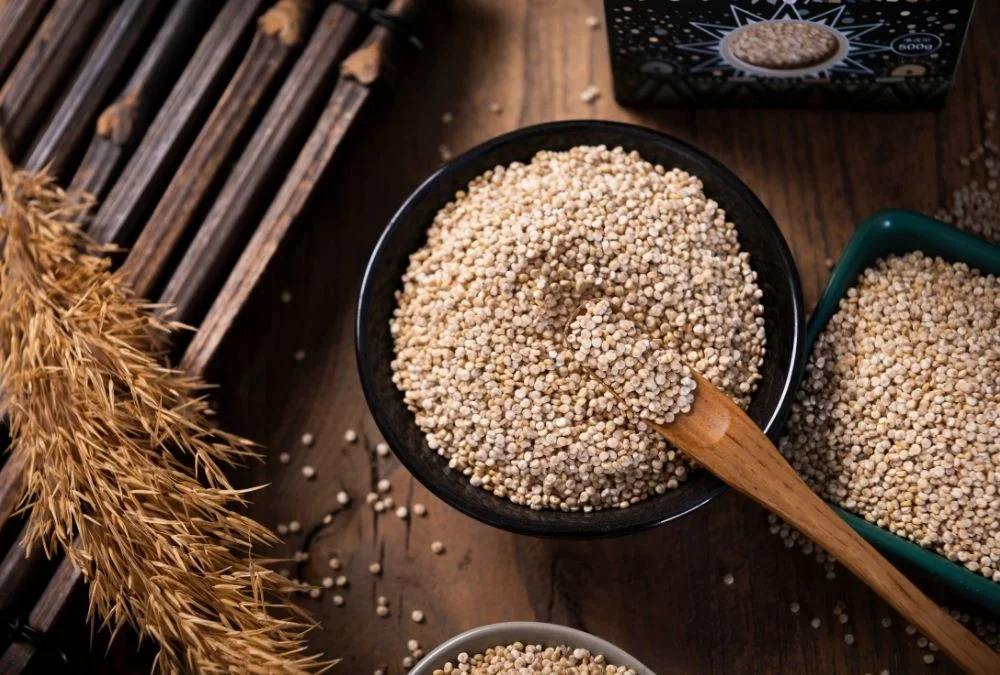
Quinoa provides fiber, magnesium, folate, iron, and complete plant protein. It can replace refined grains while giving a meal more protein and micronutrients.
There is limited evidence that quinoa itself directly improves memory. Its stronger case comes from being a nutrient-dense whole-grain alternative within dietary patterns linked with better cardiovascular and metabolic health.
Use quinoa under roasted vegetables, chickpeas, greens, or fish instead of refined rice or pasta.
19. Extra Virgin Olive Oil

Extra virgin olive oil contains monounsaturated fat and polyphenols that have antioxidant and anti-inflammatory effects in laboratory research. It is also the main added fat in traditional Mediterranean-style eating patterns.
Cleveland Clinic cites research linking intake above 7 grams per day with lower dementia related mortality compared with little or no olive oil consumption. This is observational evidence, so it cannot establish that olive oil itself prevented dementia.
Use olive oil to dress vegetables, cook at moderate temperatures, or replace butter and other fats higher in saturated fat.
20. Tomatoes
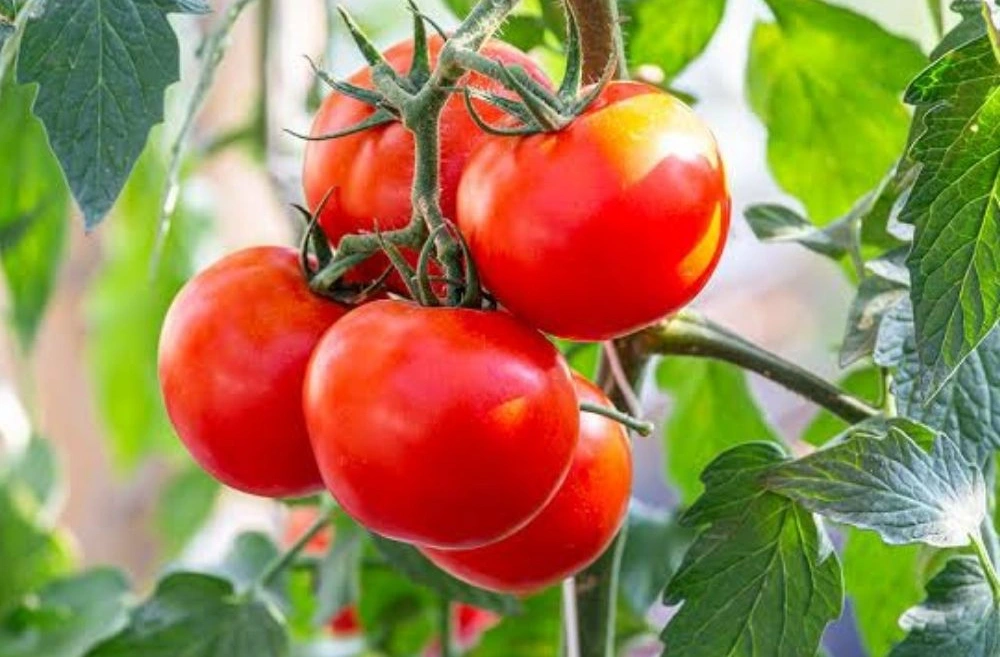
Tomatoes are rich in lycopene, a red carotenoid with antioxidant properties. They also contribute vitamin C, potassium, folate, and other plant compounds.
Evidence specifically connecting tomatoes with slower cognitive decline is much weaker than the evidence for leafy greens, berries, fish, or overall Mediterranean eating. Their strength is that they fit naturally into a plant-rich diet that supports vascular health.
Cook tomatoes with a small amount of olive oil. Fat helps the body absorb carotenoids such as lycopene.
21. Dark Cocoa
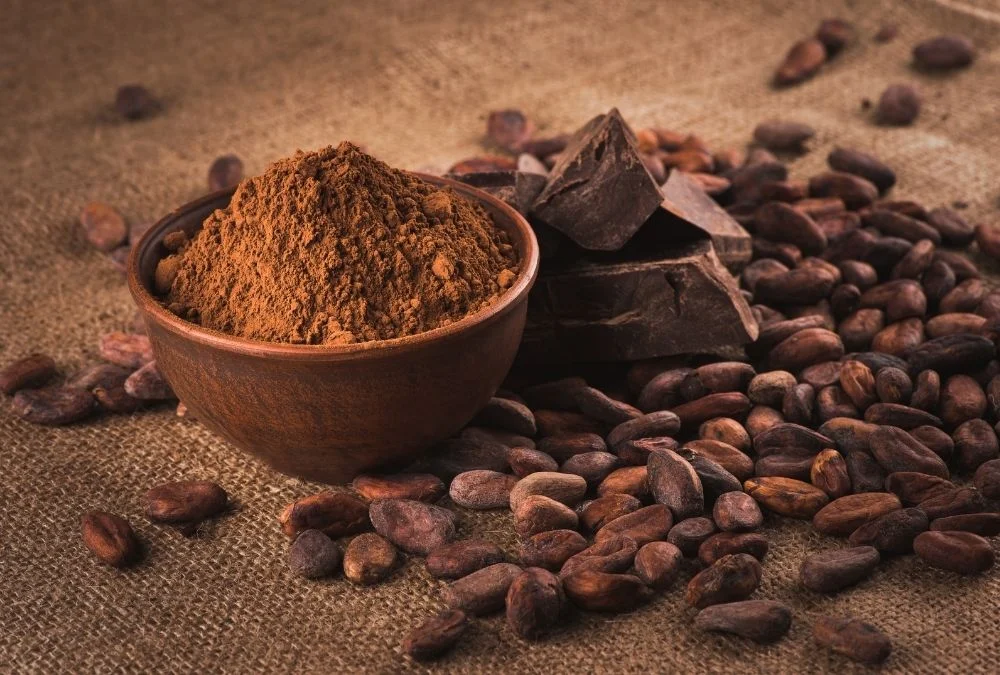
Cocoa contains flavanols that researchers study for effects on blood vessel function and blood flow. Some clinical studies have explored whether cocoa flavanols can influence aspects of cognition, although results are not strong enough to call chocolate a treatment for memory loss.
The catch is sugar and calories. A candy bar loaded with sugar and saturated fat is not equivalent to unsweetened cocoa or a modest portion of high cocoa dark chocolate.
Use unsweetened cocoa in oatmeal or yogurt, or keep portions of dark chocolate modest.
22. Unsweetened Tea

Tea contains flavonoids, including catechins in green tea, as well as caffeine in wide varieties. Caffeine can temporarily increase alertness, and some observational research links tea consumption with cognitive outcomes.
Harvard also points to research showing that caffeine may influence memory consolidation. In one Johns Hopkins experiment, participants who received 200 milligrams of caffeine after studying images performed better on a memory task the next day.
Choose unsweetened tea rather than turning it into a high-sugar drink. If caffeine interferes with sleep, switch to decaffeinated tea later in the day because good sleep is also important for brain health.
Which Foods Have the Strongest Research Behind Them?
Not all 22 foods deserve equal billing. Some sit directly inside the strongest dietary evidence, while others are supported more by their nutrients and their place in a healthy overall eating pattern.
| Food or group | Evidence for brain health | What the evidence really means |
|---|---|---|
| Leafy greens | Relatively strong observational evidence | Higher intake is associated with slower cognitive decline |
| Berries | Strong observational evidence | Flavonoid rich berries are linked with healthier memory aging |
| Fatty fish | Moderate to strong evidence within healthy diet patterns | Omega 3 fats have important brain roles, but fish does not guarantee dementia prevention |
| Walnuts and nuts | Moderate observational evidence | May support brain and vascular health |
| Whole grains and legumes | Strong evidence for cardiometabolic health | Brain benefit may partly come through healthier blood vessels and glucose control |
| Extra virgin olive oil | Growing observational and clinical interest | Fits strongly within Mediterranean style eating |
| Eggs | Nutrient based evidence | Choline supports normal nervous system function, but eggs are not a dementia treatment |
| Tomatoes, avocado, chia, cocoa | Supportive but less direct evidence | Useful foods within a balanced pattern rather than proven cognitive protectors |
The evidence also contains an important reality check. In the three-year randomized MIND trial, cognition improved in both groups, but researchers found no statistically significant difference between the MIND diet group and the comparison group.
That is exactly why the safest message is not “eat this and prevent dementia.” The better message is that food is one piece of a larger brain health strategy that also includes physical activity, sleep, blood pressure control, social connection, hearing care, and treatment of medical conditions.
A Simple Serving Guide for the Week
| Food category | Practical target | Easy example |
|---|---|---|
| Leafy greens | Most days if tolerated | Spinach at lunch, kale at dinner |
| Berries | Several times per week | Half a cup with breakfast |
| Fish | About twice weekly | Salmon one night, sardines another |
| Nuts | Small portions most days | Small handful of walnuts or almonds |
| Beans or lentils | Several meals weekly | Lentil soup or chickpea salad |
| Whole grains | Replace refined grains often | Oatmeal, quinoa, brown rice |
| Olive oil | Use as a main added fat | Salad dressing or vegetable cooking |
| Tea | According to caffeine tolerance | Unsweetened green or black tea |
These are practical food pattern examples rather than prescriptions. Your calorie needs, medical conditions, medication use, allergies, appetite, and dietary restrictions can change what makes sense for you.
Red Flags: Memory Changes That Deserve Medical Attention
Occasional forgetfulness can happen with normal aging, but some changes should not simply be blamed on getting older.
Contact a healthcare professional if you notice:
- Memory problems that interfere with paying bills, cooking, driving, medication use, or other familiar tasks.
- Getting lost in familiar places or becoming increasingly confused about time or location.
- Major new changes in judgment, language, personality, or ability to solve ordinary problems.
- Sudden confusion, trouble speaking, facial drooping, weakness, severe headache, or loss of balance. Sudden neurological symptoms can be an emergency and need immediate medical care.
Memory problems can also have treatable causes, including medication effects, sleep disorders, depression, thyroid disease, vitamin B12 deficiency, infection, hearing problems, and other medical conditions.
What Is Worth Remembering
The strongest evidence does not point to one magic food. It points to a plate that repeatedly contains vegetables, leafy greens, berries, beans, whole grains, nuts, fish, and healthy unsaturated fats.
Some of these foods provide omega-3 fats. Others deliver flavonoids, folate, carotenoids, vitamin E, fiber, or choline.
The bigger benefit may come from how those foods work together while also supporting blood pressure, cholesterol, blood sugar, and blood vessel health.
Research remains imperfect. Even the major randomized MIND trial did not find a significant advantage over its comparison diet after three years, while newer observational studies continue to find links between healthier dietary patterns and slower brain aging.
That makes the smartest approach fairly simple: eat for your heart, your blood vessels, and your metabolic health, and your brain may benefit too.
