

After 50, it is easy to settle into routines that feel comfortable but ask very little of your brain. Over time, that can mean fewer chances to practice memory, attention, problem-solving, and learning new skills.
The good news is that staying mentally engaged does not require expensive brain training or endless puzzle apps. Some of the best hobbies that keep your mind active and engaged after 50 are ordinary activities that make you learn, remember, move, create, or connect with other people.
The key is choosing something you enjoy enough to repeat, but that still makes your brain work a little. Research on healthy aging suggests that novelty, challenge, physical activity, and social connection may all contribute to better cognitive health.
Staying mentally active can support healthy aging, but hobbies are not a treatment for dementia or other neurological conditions. Talk with a healthcare professional if you notice changes in memory, thinking, or daily functioning.
Why the Right Hobby Can Challenge More Than Memory
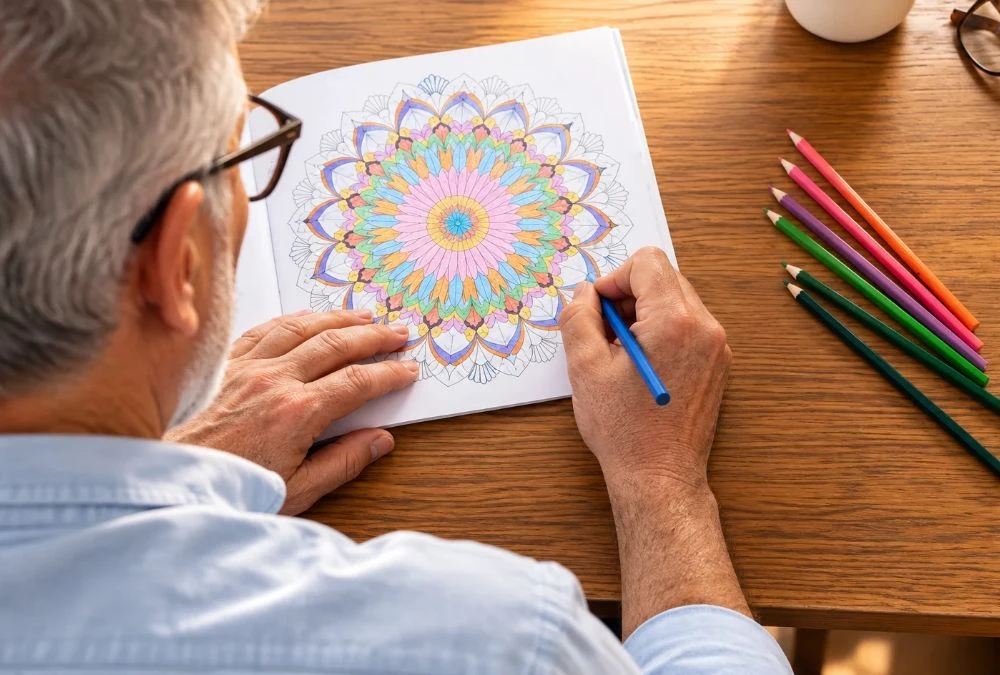
Your brain does not use one single system for thinking. Reading calls on language and attention, dancing adds coordination and memory, while chess asks you to plan several steps ahead.
That is why variety matters. A hobby that combines several mental demands may give you more stimulation than repeating one easy activity you have mastered years ago.
| Hobby Type | Main Mental Demand | Extra Benefit |
|---|---|---|
| Reading | Attention, language, memory | Easy to adjust difficulty |
| Dancing | Sequencing, coordination, memory | Adds physical movement |
| Music | Timing, listening, motor control | Requires repeated learning |
| Strategy games | Planning, working memory | Encourages problem solving |
| Gardening | Planning, sensory processing | Adds light physical activity |
| Group hobbies | Conversation, recall, attention | Builds social connection |
1. Read Books Outside Your Usual Comfort Zone

Reading asks your brain to follow ideas, remember characters, interpret meaning, and connect new information with what you already know. A long-term study of nearly 2,000 older adults found that regular reading was associated with lower odds of cognitive decline.
Make the hobby slightly harder by changing genres. If you usually read mysteries, try history, science, biographies, or literary fiction so your brain has new material to process.
2. Learn a New Language

Learning a language makes your brain repeatedly retrieve words, distinguish sounds, remember grammar, and switch between meanings. That combination challenges memory, attention, and mental flexibility.
You do not need to become fluent. Start with 10 to 20 minutes several days a week, then practice speaking simple phrases aloud rather than only memorizing vocabulary.
3. Play a Musical Instrument

Playing an instrument requires your eyes, ears, hands, memory, timing, and attention to work together. A 2024 review of 13 studies involving more than 500 adults found that musical instrument training was linked with improvements in several executive skills.
Start with a simple instrument and one short piece of music. The goal is not perfect performance, but repeated practice that forces your brain to coordinate new information.
4. Take Up Dancing

Dancing gives the brain more to manage than many people realize. You must remember steps, respond to rhythm, control balance, judge space, and sometimes coordinate with another person.
Research on older adults has repeatedly linked dancing with cognitive engagement. Try a beginner class once or twice a week, especially one that teaches new sequences instead of repeating the same routine.
5. Learn Photography

Photography can become surprisingly demanding when you move beyond simply pointing a phone camera. You begin thinking about light, distance, composition, timing, settings, and visual patterns.
In the well-known Synapse Project, older adults who learned demanding new skills such as digital photography showed greater improvements in episodic memory than people assigned to less demanding activities. Participants spent an average of about 16.5 hours per week learning over three months.
6. Try Quilting, Sewing, or Knitting

These hobbies require planning, pattern recognition, hand control, counting, and sustained attention. Learning a new stitch or following an unfamiliar pattern adds another level of mental work.
Quilting was also one of the demanding activities tested in the Synapse Project. The important part was not simply being busy, but learning a skill that remained challenging.
7. Start Gardening
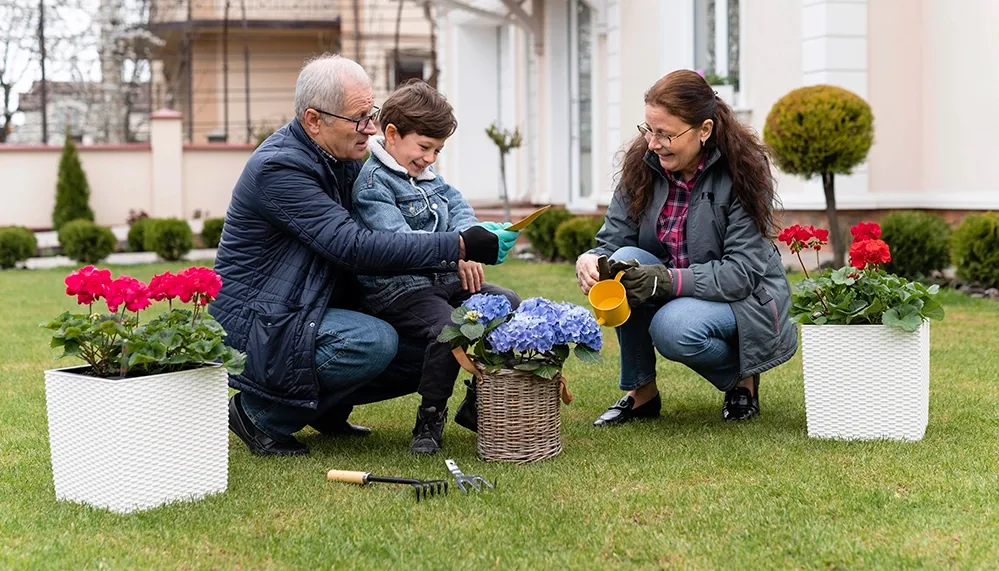
Gardening combines planning with physical movement and constant small decisions. You remember watering schedules, track seasons, watch for pests, judge soil conditions, and adjust when plants do not behave as expected.
Make the hobby more mentally engaging by growing something unfamiliar. Keeping a simple garden notebook can add memory, observation, and planning to the activity.
Quick Reference: What Different Hobbies Challenge
| Hobby | What It Challenges | Practical Starting Point | Why It Stays Interesting |
|---|---|---|---|
| Language learning | Recall and listening | 10 to 20 minutes several days weekly | New vocabulary keeps appearing |
| Photography | Visual processing and planning | Learn one camera setting at a time | Each setting creates a new problem |
| Dancing | Memory and coordination | One beginner class weekly | New sequences require recall |
| Gardening | Planning and observation | Grow three unfamiliar plants | Conditions change constantly |
| Instrument practice | Timing and motor control | Practice one short song | Progress creates new challenges |
8. Play Chess or Other Strategy Games
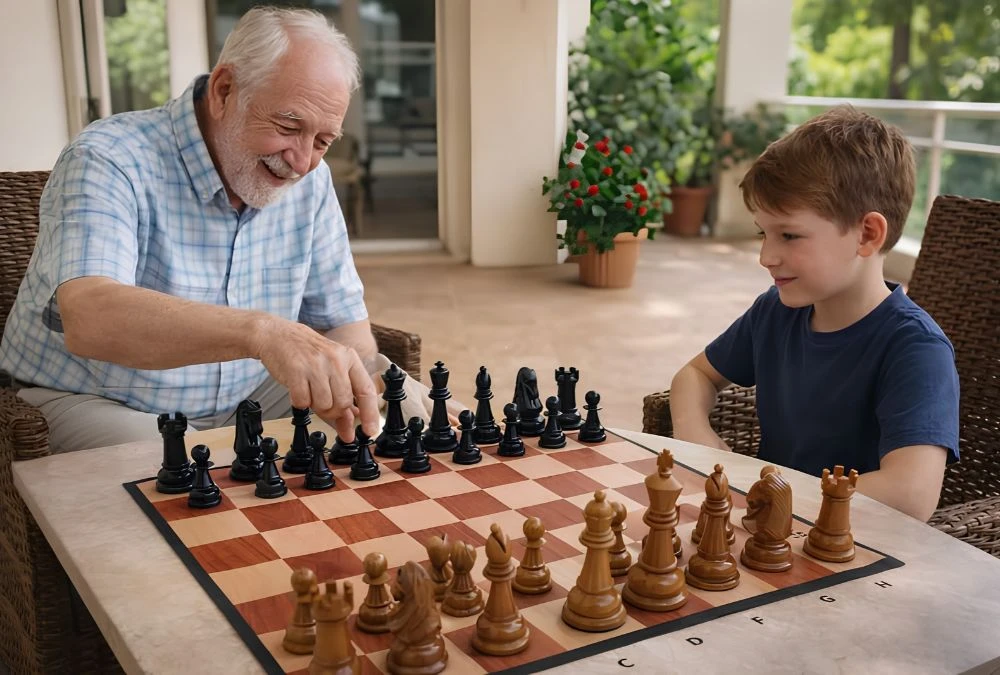
Chess asks you to hold information in mind, predict consequences, notice patterns, and change plans when the situation shifts. Similar demands appear in checkers, bridge, strategy board games, and certain card games.
Play against people who are slightly better than you. If every game becomes automatic, the mental challenge drops.
9. Play Card Games With Other People
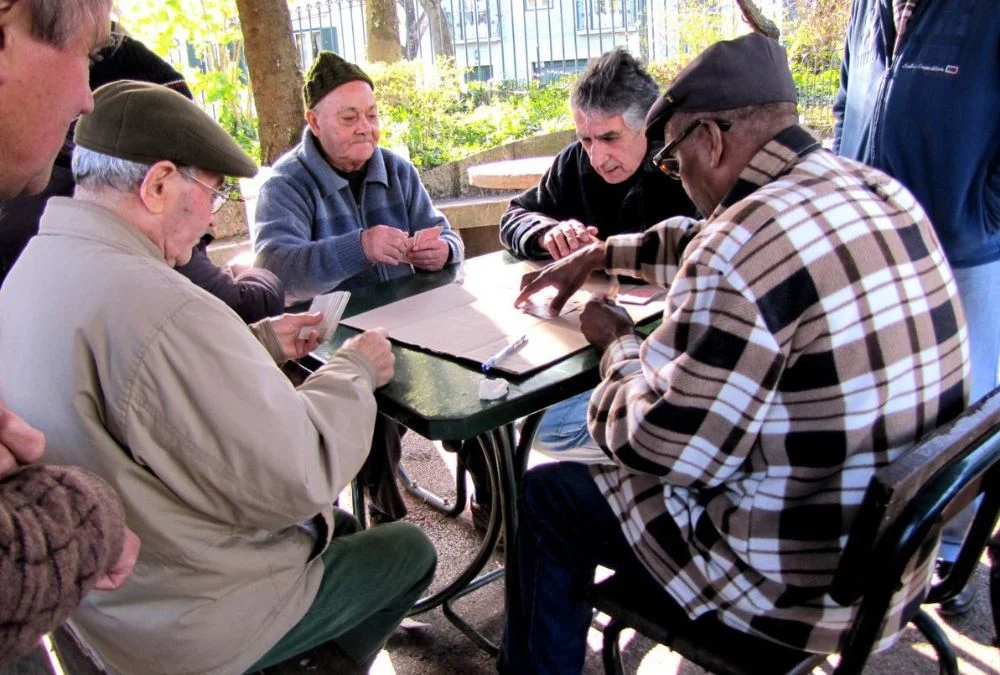
Card games can combine memory, calculation, attention, strategy, and social interaction. Games such as bridge, rummy, hearts, and spades require you to watch what other players do while remembering your own plan.
Playing with other people adds conversation and social connection, which are also associated with healthy cognitive aging. A weekly game night can provide both mental and social stimulation.
10. Work on Crosswords and Word Puzzles

Crosswords require vocabulary retrieval, memory, spelling, and flexible thinking. They can be especially useful when the clues force you to search for words that are not immediately available.
Do not rely on one puzzle type forever. Rotate between crosswords, word searches, logic puzzles, number puzzles, and trivia so the challenge does not become too predictable.
Individual abilities and health conditions vary. Choose hobbies that are safe for your mobility, vision, hearing, and overall health, and speak with your doctor if you are unsure whether an activity is appropriate for you.
11. Build Jigsaw Puzzles
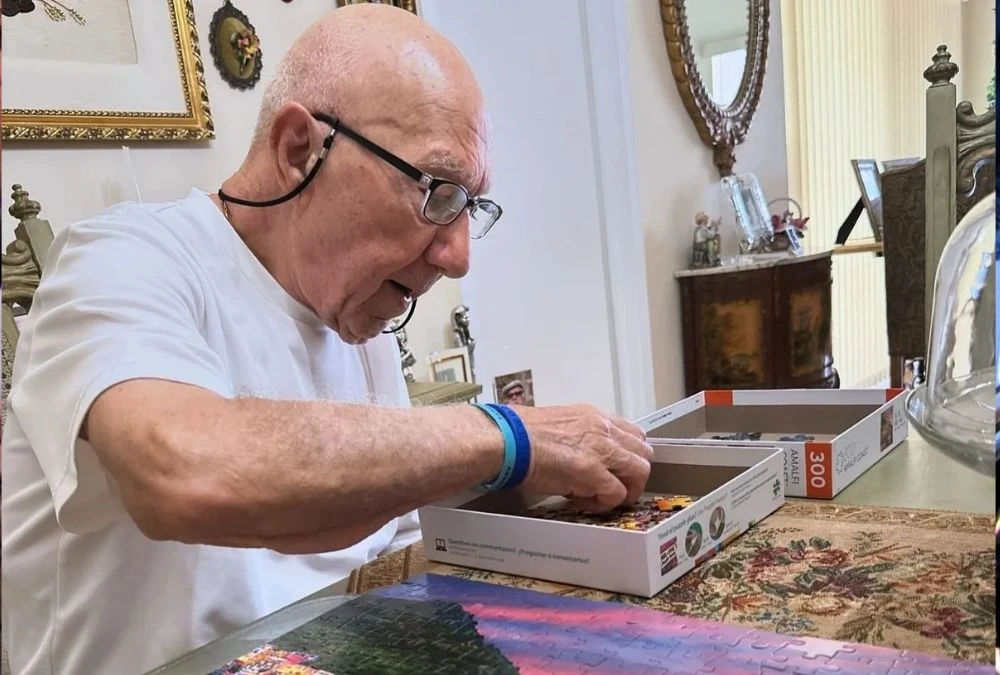
Jigsaw puzzles rely heavily on visual scanning, spatial reasoning, attention, and pattern matching. Larger puzzles also require planning because you must organize hundreds of pieces without losing track of your strategy.
Increase the difficulty gradually. Moving from 300 pieces to 500 or 1,000 pieces may challenge your visual processing more than repeatedly completing small familiar puzzles.
12. Keep a Journal or Write Short Stories
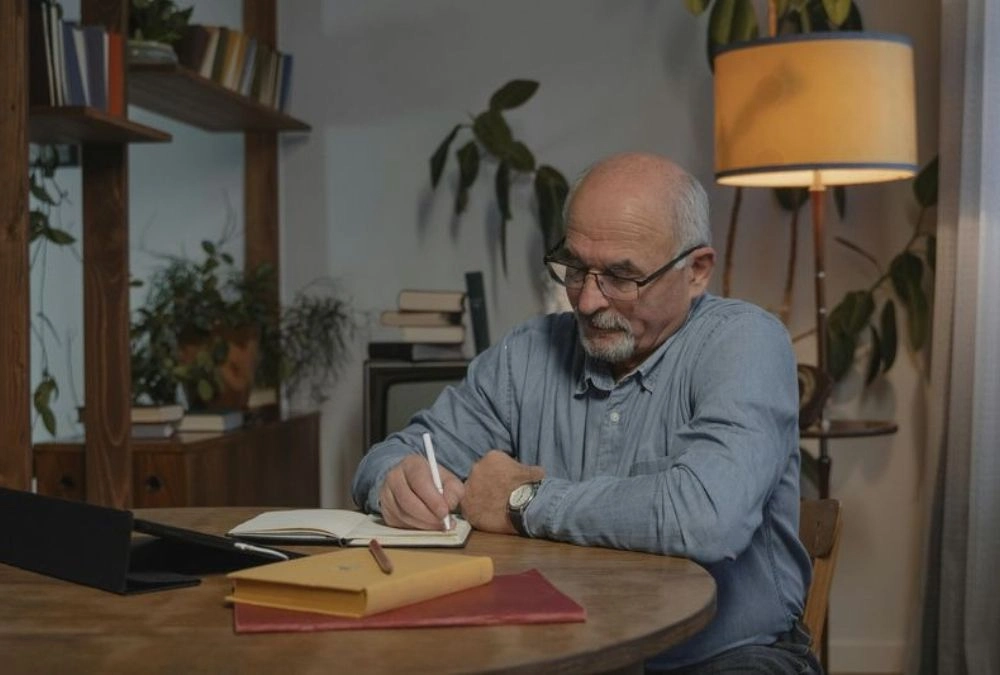
Writing forces you to retrieve memories, organize thoughts, select words, and create a logical sequence. Creative writing goes further by asking you to imagine characters, scenes, problems, and solutions.
Try writing for 15 minutes three or four times a week. You can describe a memory, review a book, record a family story, or invent a short piece of fiction.
13. Cook Recipes You Have Never Tried Before

Cooking an unfamiliar recipe requires sequencing, measurement, attention, timing, and divided focus. You may need to remember what is already cooking while preparing the next step.
Choose one new recipe each week rather than relying only on dishes you can make without thinking. Recipes from unfamiliar cuisines can add new ingredients, techniques, and flavors to learn.
14. Paint, Sketch, or Draw
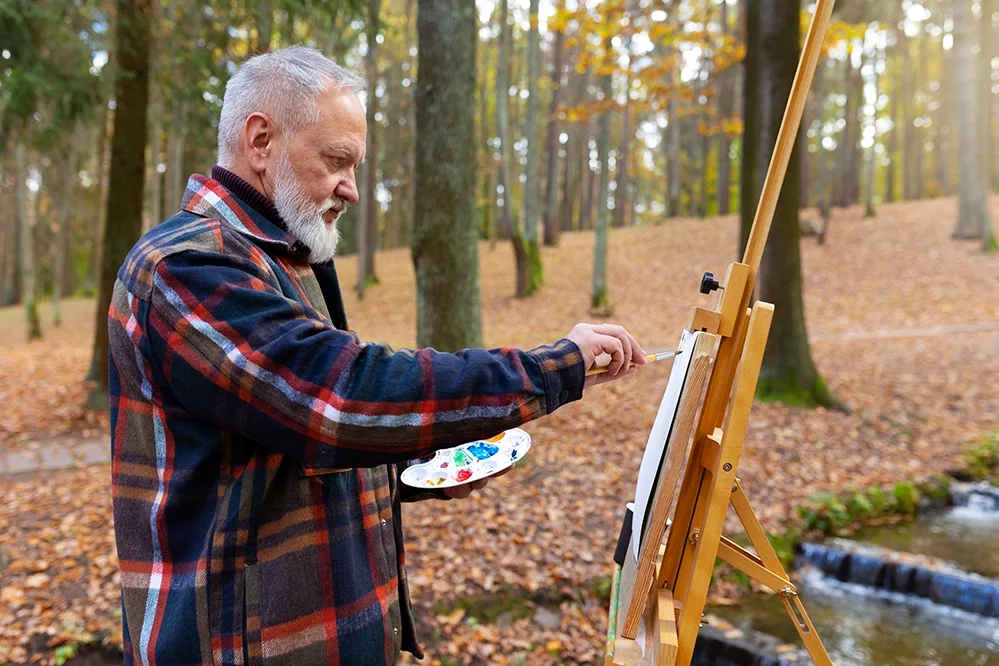
Visual art requires close observation. Your brain judges shape, distance, proportion, color, texture, and how individual parts fit into a larger image.
You do not need artistic talent to benefit from the mental challenge. Try drawing an object in front of you for 20 minutes, then compare what you noticed at the beginning with what you noticed near the end.
15. Sing in a Choir or Music Group

Group singing combines memory, listening, timing, breathing, language, and social coordination. You must follow your own part while staying aware of the people singing around you.
A choir also adds regular social contact. That matters because stronger social engagement has repeatedly been associated with better cognitive outcomes in older adults, although these studies cannot prove that social activity alone prevents dementia.
- Choose one hobby that feels slightly unfamiliar, not five hobbies you already know well.
- Give it 20 to 30 minutes at least three times this week.
- Raise the difficulty once the activity begins to feel automatic.
- Add another person when possible, such as a class, club, partner, or friend.
- Mix mental hobbies with movement during the week rather than relying only on seated activities.
16. Volunteer for a Cause

Volunteering can involve planning, decision-making, conversation, movement, and adapting to unexpected situations. It can also provide a sense of purpose and regular social contact.
A 2024 review examined 17 studies of volunteering and cognition. Sixteen reported a positive association with at least some cognitive outcomes, although researchers cautioned that more evidence is needed before saying volunteering directly slows cognitive decline.
17. Join a Book Club

Reading alone is mentally active, but discussing a book adds another layer. You have to remember details, explain your opinion, listen to different interpretations, and sometimes reconsider what you thought.
Choose a group that reads different genres rather than staying with one familiar type of book. That gives your brain new subjects, vocabulary, and ideas to work with.
18. Take Nature Walks or Go Hiking

Walking supports cardiovascular health, and cardiovascular health is closely connected with brain health. Hiking adds route planning, balance, navigation, visual scanning, and constant adjustment to uneven ground.
Federal health guidance generally recommends at least 150 minutes of moderate physical activity each week for adults. A walking or hiking hobby can help contribute to that total while adding mental stimulation through changing environments.
19. Enroll in an Adult Education Class

Taking a class gives your brain something that casual hobbies often lack: structured progression. New material builds on earlier material, so you must remember, practice, and apply what you learned.
Courses in history, art, computers, cooking, languages, or science can all work. Pick something you genuinely do not know much about rather than choosing a subject you have mastered already.
20. Learn a New Digital Skill

Technology can be frustrating, which is partly why learning it can be mentally demanding. Editing photographs, building a simple website, using spreadsheets, creating digital art, or learning video editing all involve new rules and problem-solving.
Start with one specific project. For example, organize family photographs into a digital album rather than trying to learn an entire computer program at once.
21. Teach Someone Else What You Know
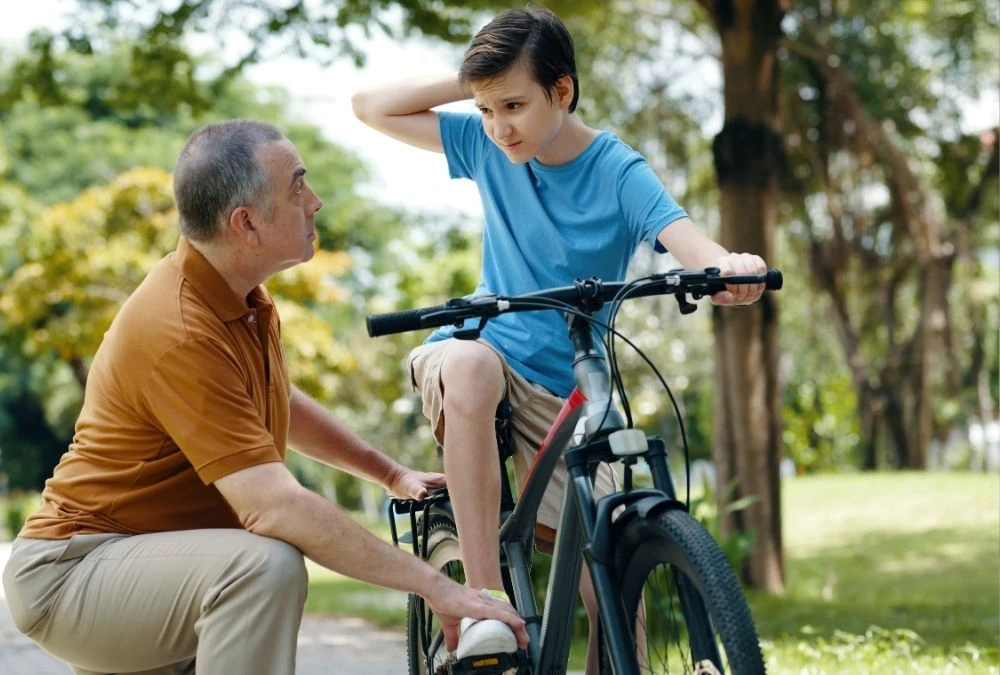
Teaching forces you to retrieve information, organize it clearly, notice gaps in your knowledge, and answer questions you may not expect. That makes it more demanding than simply knowing how to perform a skill yourself.
You could teach a grandchild to cook, help a neighbor learn gardening, show a friend how to use a camera, or mentor someone in a skill from your working years.
The Best Hobby After 50 Has One Thing in Common

The strongest choice is usually not the hobby advertised as a brain exercise. It is the activity that remains interesting enough to continue and challenging enough to require attention.
That may mean learning a new dance rather than repeating one you know by heart. It could mean trying portrait photography instead of taking the same landscape pictures, or studying a new language instead of completing another familiar word search.
| Do More of This | Do Less of This |
|---|---|
| Learn unfamiliar skills | Repeat only activities you have already mastered |
| Increase difficulty gradually | Stay at the easiest level forever |
| Combine thinking with movement | Rely only on seated brain games |
| Join groups or classes | Spend all hobby time alone |
| Switch subjects or techniques | Repeat one routine without variation |
| Practice regularly | Do one intense session and then stop |
A Simple Way to Choose Your Next Hobby
Do not worry about finding the single perfect activity. Ask three questions instead.
Does it make you learn something? Does it make you pay attention? Do you enjoy it enough to come back next week?
If the answer is yes, you have probably found a good place to start. Add movement or social contact when you can, keep increasing the challenge gradually, and let enjoyment be the reason you continue.
