

You wake up exhausted with aching joints and feel a thick mental fog rolling in before lunch. It is incredibly easy to brush these feelings off as just another normal part of getting older.
Accepting this new baseline means you might suffer for years with a completely reversible condition. Turns out there is one easily measurable blood marker responsible for this exhaustion, and replenishing it can give you your energy back.
Before making any changes based on this article, talk to your doctor, especially if you are currently taking medication or have a diagnosed condition.
When women pass menopause, many doctors stop checking their iron levels. The assumption is that without a monthly cycle, iron stores naturally stabilize. This overlooks how gut absorption slows down with age and how silent digestive issues quietly drain your reserves.
Your body needs iron to produce hemoglobin. Hemoglobin is the protein in red blood cells that carries oxygen to every organ, muscle, and tissue. When ferritin levels drop, your body enters a state of triage. It steals oxygen from your hair, skin, and brain to keep your heart pumping.
Before we explore the specific signs, here is how low iron symptoms differ from typical aging.
| Health Issue | Normal Aging Marker | Iron Deficiency Marker |
| Energy Levels | Gradual slowing down over many years. | Sudden or crushing fatigue that sleep does not fix. |
| Cognition | Occasional forgotten names or lost keys. | Heavy brain fog and difficulty concentrating on tasks. |
| Physical Appearance | Slow thinning of hair and skin elasticity. | Sudden hair shedding and brittle nails that split easily. |
| Temperature | Feeling colder due to reduced muscle mass. | Ice-cold hands and feet even in warm environments. |
Here are the 17 hidden signs of low iron that women over 50 frequently mistake for aging.
1. Crushing Morning Fatigue

Waking up tired after a full eight hours of sleep is not a standard requirement for your fifties. Iron is the essential building block for cellular energy production. Without enough of it, your cells literally lack the oxygen required to create energy. Ask your doctor for a complete ferritin panel rather than just a basic hemoglobin check.
2. Sudden Brain Fog

Feeling like you are walking through wet concrete mentally is a classic sign of oxygen deprivation in the brain. Iron is required to synthesize dopamine and serotonin. A deficiency disrupts these vital neurotransmitters and leads to a hazy memory.
3. Restless Legs at Night (The Missed Diagnosis)

Doctors constantly miss this symptom and blame it on aging nerves or arthritis. Restless Leg Syndrome creates a creepy-crawling sensation in your legs that forces you to move them. Neurologists now know that low iron levels in the brain are a primary trigger for this condition. If you cannot sleep because your legs will not settle down, demand an iron panel immediately.
4. Excessive Hair Shedding

Finding more hair in your brush is terrifying and often blamed entirely on hormone shifts. Your body considers hair growth nonessential. When iron levels drop, your system redirects oxygen away from hair follicles to support your vital organs. Restoring your ferritin levels often stops the shedding within a few months.
5. Brittle or Ridged Nails
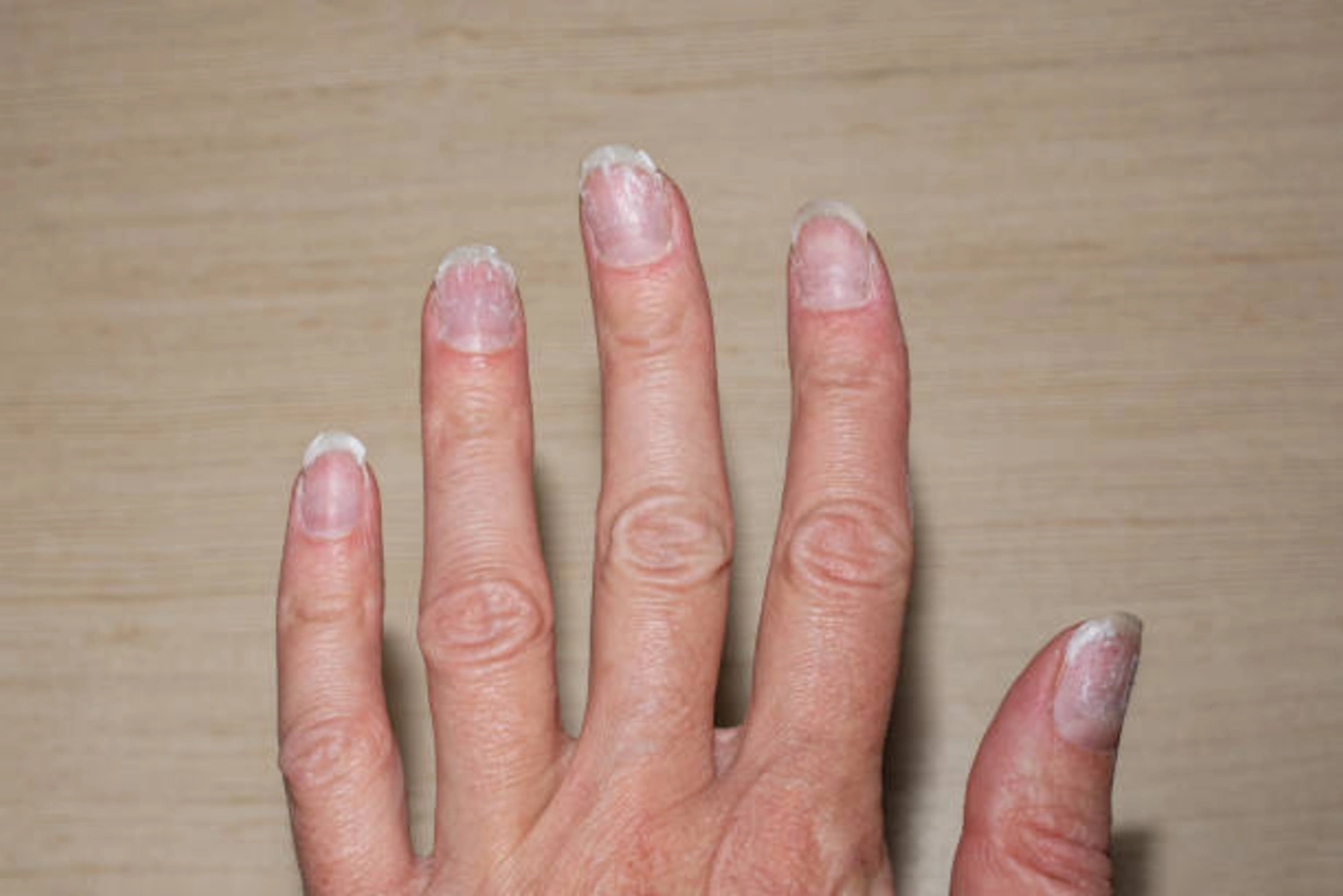
Nails that peel, split, or develop deep vertical ridges are a direct window into your nutritional status. Severe iron deficiency can even cause koilonychia. This is a condition where the nails become spoon-shaped and dip in the middle. Keeping your hands moisturized will not fix a structural oxygen deficit.
6. Ice Cold Hand

A sluggish thyroid is usually the first suspect when you cannot get warm. However, red blood cells need iron to deliver heat and oxygen to your extremities. When stores are low, your body restricts blood flow to your hands and feet to keep your core warm.
7. Shortness of Breath on Stairs

Getting winded after walking up a single flight of stairs is not just a sign of being out of shape. Your muscles require a steady stream of oxygen to perform work. Low iron means your heart and lungs have to pump twice as fast to deliver a fraction of the necessary oxygen.
8. Heart Palpitations

Feeling your heart flutter or race while you are sitting completely still is incredibly alarming. This happens because a lack of oxygenated blood forces your heart into overdrive to compensate. Over time, this constant strain can lead to irregular heartbeats or murmurs.
Everyone’s body responds differently, so check with your doctor before trying a new supplement if you have an existing heart condition or take daily medication.
9. Unexplained Anxiety

Waking up with a racing heart and a sense of doom is frequently mislabeled as menopausal anxiety. The physiological stress of cellular oxygen deprivation triggers your nervous system to release cortisol. Your body is essentially hitting the panic button because it feels like it is suffocating at a microscopic level.
10. Craving Ice or Dirt (Pica)

Chewing on ice cubes constantly is a massive red flag for depleted iron stores. This condition is called pica, and it compels people to crave non-food items like ice, clay, or chalk. Researchers believe the crunching of ice increases blood flow to the brain and temporarily relieves the sluggishness of anemia.
11. A Sore or Swollen Tongue
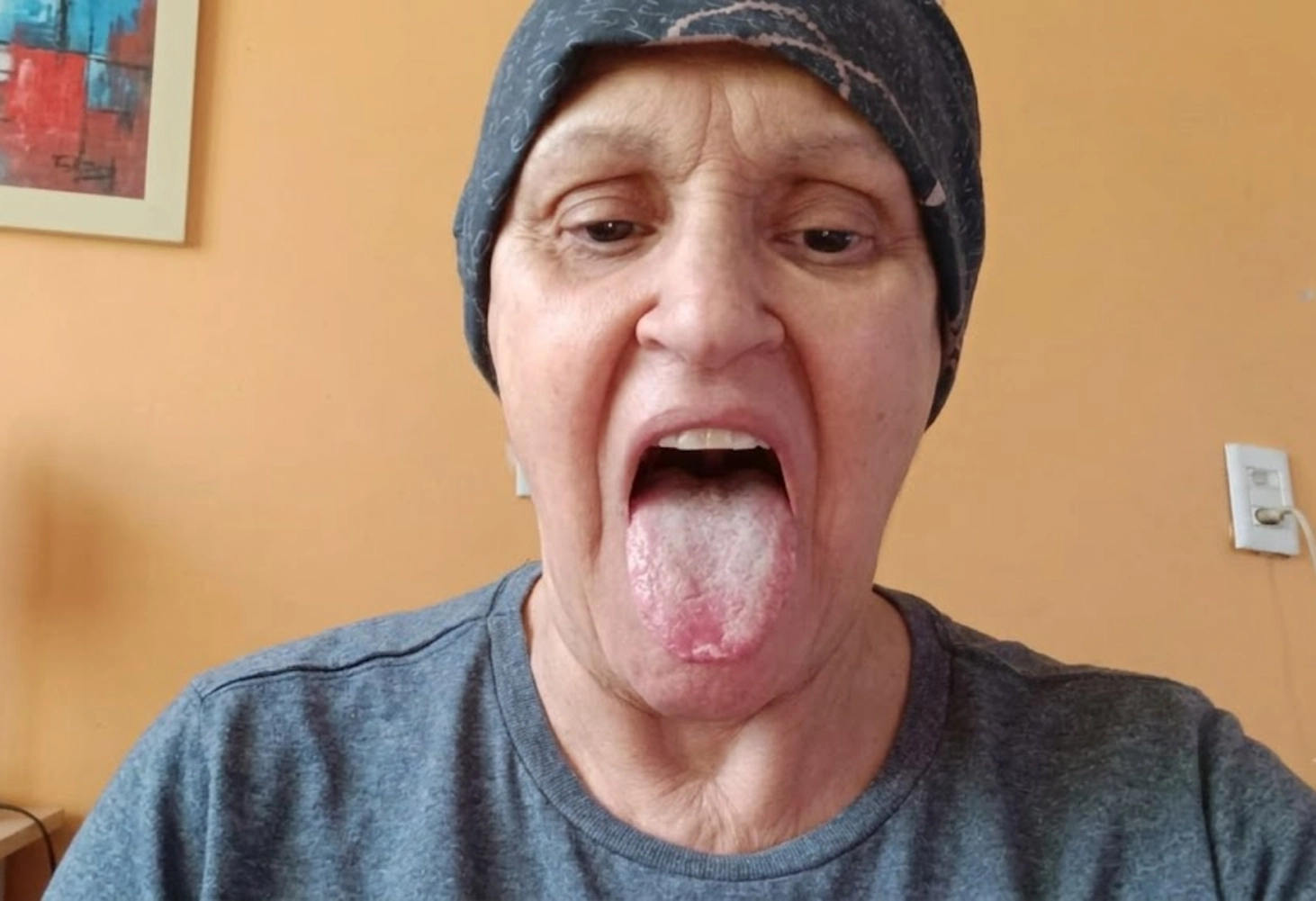
A strange symptom called glossitis makes your tongue swell, look unusually smooth, and feel tender. Iron is required for normal cell turnover in the mucous membranes of your mouth. When those cells cannot regenerate, the tiny bumps on your tongue disappear and leave a painful surface.
12. Cracks at the Mouth Corners

Angular cheilitis causes painful cracks and sores at the very corners of your lips. Lip balm will not heal this issue because the root cause is poor cellular repair. This symptom often occurs alongside the swollen tongue and points directly to severe nutritional gaps.
Red Flag Warning Signs
Stop reading and seek immediate medical care if you experience any of the following symptoms:
- Chest pain or heavy pressure radiating to your jaw or arm.
- Sudden fainting spells or extreme dizziness that cause you to collapse.
- Black or tarry stools, which can indicate active internal bleeding.
- Extreme shortness of breath while resting.
13. Frequent Mild Infections

Catching every cold that goes around is not just bad luck. Your immune system relies heavily on iron to produce white blood cells and fight off invading bacteria. A persistent deficiency leaves your natural defense system completely disarmed.
14. Dizziness When Standing Up

Feeling a rush of dizziness or seeing stars when you stand up quickly is called orthostatic hypotension. While dehydration plays a role, a lack of healthy red blood cells makes it difficult for your body to regulate blood pressure during movement.
15. Difficulty Swallowing

A rare but serious complication of long-term iron deficiency is the development of esophageal webs. These are thin growths of tissue inside the throat that make swallowing solid food feel difficult or painful. Doctors call this Plummer-Vinson syndrome, and it requires medical intervention.
16. Dry and Pale Skin

Your skin gets its healthy flush from a robust supply of oxygenated blood. When iron levels crash, the blood is diverted to central organs. This leaves your skin looking extremely pale, dry, and lacking its usual tone.
17. Aching Muscles After Minor Activity

Muscle tissue contains a protein called myoglobin that stores oxygen for physical activity. Myoglobin depends entirely on iron to function. Without it, even minor tasks like carrying groceries or gardening leave your muscles burning and exhausted for days.
If these symptoms sound familiar, you need to know how to fix the problem safely. The human body is incredibly picky about how it absorbs this particular mineral.
| Iron Enhancers (Eat These) | Iron Blockers (Avoid These Near Meals) |
| Citrus fruits are rich in Vitamin C. | Coffee and black tea. |
| Bell peppers and tomatoes. | Dairy products and calcium supplements. |
| High-quality animal proteins. | Bran and high-phytate grains. |
The Daily Habit That Actually Works

- Time your beverages. Wait at least one full hour after eating an iron-rich meal before drinking coffee or tea. The tannins block absorption completely.
- Pair with Vitamin C. Always eat a slice of orange, some strawberries, or bell peppers with your iron sources. Vitamin C acts as a key that unlocks the mineral for your gut.
- Cook with cast iron. Preparing acidic foods like tomato sauce in a traditional cast iron skillet naturally fortifies your meal with dietary iron.
Not all supplements are created equal. Walking into a pharmacy and grabbing the first bottle you see often leads to severe stomach pain.
| Supplement Type | Absorption Rate | Common Side Effects |
| Ferrous Sulfate | Moderate | High rate of nausea and severe constipation. |
| Ferrous Bisglycinate | Very High | Very gentle on the stomach and rarely causes constipation. |
| Liquid Iron Formulas | High | It can stain teeth but absorbs quickly into the bloodstream. |
