

Eating fewer calories sounds simple until smaller meals leave you hungry, tired, and reaching for snacks an hour later. The real problem is that many everyday foods pack extra calories into portions that barely satisfy your appetite. That can make even a reasonable eating plan feel like constant restriction.
Fortunately, easy food swaps that cut calories can make a difference without forcing you to give up your favorite meals. Some of the most useful changes involve keeping the flavor and satisfaction while choosing ingredients that provide more volume, protein, or fiber.
The secret is not eating as little as possible. It is getting more satisfaction from the food you already enjoy.
These suggestions are intended for general nutrition education. Anyone managing diabetes, an eating disorder, nutritional deficiencies, or another medical condition should discuss significant dietary changes with a qualified healthcare professional.
Why Small Food Swaps Can Cut Calories Without Leaving You Hungry
Not all foods provide the same amount of satisfaction for their calories. A large bowl of vegetables can contain fewer calories than a small serving of creamy dressing, but the vegetables take up considerably more space in your stomach.
Nutrition experts call this concept energy density, which describes the number of calories in a given weight of food. Foods rich in water and fiber generally have lower energy density, allowing you to eat satisfying portions without consuming as many calories.
Protein also matters because it helps regulate appetite and supports muscle maintenance. This is especially useful for adults trying to manage weight while maintaining strength.
The CDC recommends replacing some higher-calorie ingredients with vegetables and fruits rather than simply adding them to meals. This distinction matters because adding healthy foods on top of your usual portions may increase total calorie intake instead of reducing it.
Where Everyday Calories Add Up
| Everyday Food | Typical Calories | Lower Calorie Alternative | Typical Calories |
|---|---|---|---|
| Regular soda, 12 oz | 150 | Plain sparkling water, 12 oz | 0 |
| Regular mayonnaise, 2 tbsp | 180 to 200 | Plain nonfat Greek yogurt, 2 tbsp | 15 to 25 |
| Sour cream, 2 tbsp | 55 to 65 | Plain nonfat Greek yogurt, 2 tbsp | 15 to 25 |
| Cooked white rice, 1 cup | 200 to 210 | Cauliflower rice, 1 cup | 25 to 35 |
| Butter, 1 tbsp | 100 | Olive oil, 1 tsp | 40 |
Calories are approximate and vary by brand, preparation, and portion size. Olive oil offers a different fat profile from butter, but the calorie reduction in this example comes mainly from using a smaller amount.
These comparisons illustrate how modest ingredient changes can reduce calorie intake. The most useful swaps are those you genuinely enjoy enough to repeat.
1. Replace Sugary Soda With Sparkling Water

A regular 12-ounce can of soda contains approximately 150 calories, primarily from added sugar. Because drinks generally provide less fullness than solid foods, those calories can be easy to consume without meaningfully reducing hunger.
Replacing regular soda with unsweetened sparkling water removes those calories while preserving the refreshing bubbles. Add lemon, lime, cucumber, or crushed berries if plain sparkling water tastes too boring.
For someone who drinks one regular soda daily, that substitution could remove approximately 1,050 calories from their weekly intake. That is a reduction in consumption, not a guaranteed amount of weight loss.
The CDC recommends water and other unsweetened beverages as practical alternatives to sugary drinks. The change also reduces added sugar, which can benefit overall dietary quality.
Try this: Keep chilled sparkling water available and serve it in the same glass you normally use for soda. Familiar routines can make a new habit easier to maintain.
2. Swap Regular Mayonnaise for Plain Greek Yogurt

Mayonnaise adds creamy texture to sandwiches, tuna salad, and chicken salad, but even a small serving can contain considerable calories. Two tablespoons of regular mayonnaise often provide around 180 to 200 calories.
Plain nonfat Greek yogurt typically contains approximately 15 to 25 calories in the same amount. It also provides protein, although the amount in a two-tablespoon serving is modest.
The biggest advantage is that the texture remains creamy, making this a relatively easy change in recipes where mayonnaise is mixed with other ingredients.
For better flavor, combine Greek yogurt with a little Dijon mustard, lemon juice, garlic powder, and black pepper. This mixture works especially well with shredded chicken, tuna, or chopped vegetables.
Greek yogurt may taste more tangy than mayonnaise, so replacing only half the mayonnaise at first can make the transition easier. Check the label because flavored and sweetened yogurts may contain added sugar.
3. Choose Whole Fruit Instead of Fruit Juice
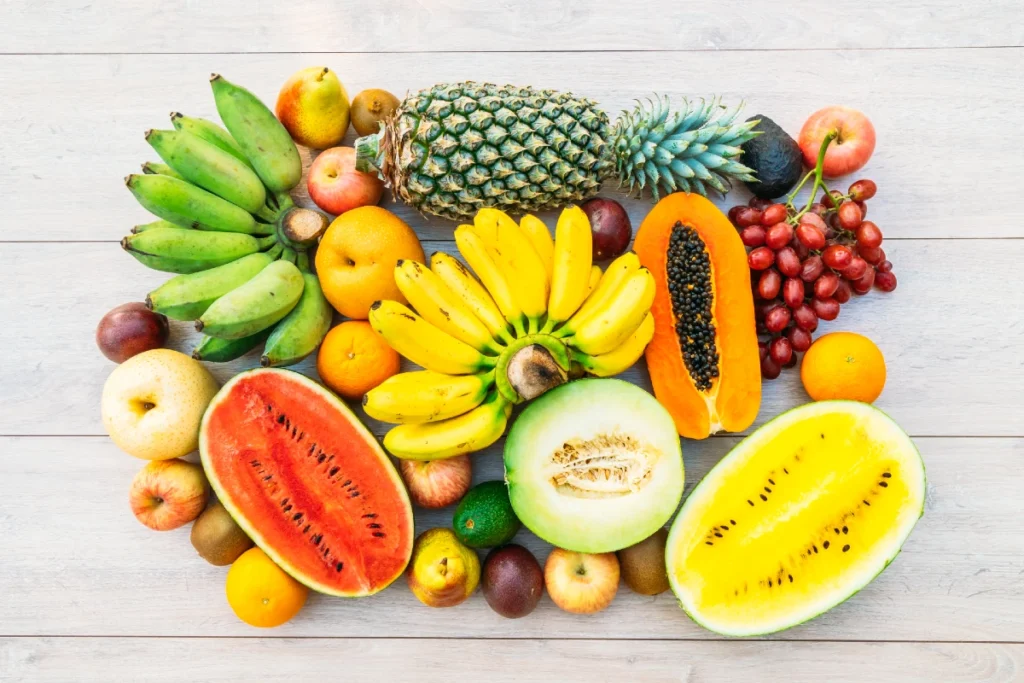
Fruit juice may seem like an equally healthy alternative to whole fruit, but the two are not nutritionally identical. Juicing commonly removes much of the fiber that naturally occurs in whole fruit.
Fiber slows digestion and helps promote fullness, while the water and physical structure of whole fruit make it more satisfying to chew and eat.
A medium orange contains approximately 60 to 65 calories and around 3 grams of fiber. An eight-ounce serving of orange juice often contains approximately 110 calories and very little fiber.
That means eating an orange instead of drinking a glass of juice can reduce calories while providing more dietary fiber.
The CDC recommends choosing whole fruit more often than juice because of its fiber content. Whole fruit also gives you something to chew, which may make a snack feel more satisfying.
Try this: Pair an orange, apple, or berries with a protein source, such as plain yogurt, when you need a more substantial snack.
4. Replace Sour Cream With Plain Greek Yogurt

Sour cream can make baked potatoes, tacos, and creamy dips taste richer, but it also contributes additional calories and saturated fat.
Two tablespoons of regular sour cream usually contain around 55 to 65 calories. A similar serving of plain nonfat Greek yogurt generally provides about 15 to 25 calories.
The yogurt delivers a comparable tangy flavor while containing less fat and some additional protein. Mayo Clinic includes plain yogurt among the recommended alternatives to full-fat sour cream in recipes.
Greek yogurt works particularly well as a topping for baked potatoes, chili, and taco bowls. It can also be mixed with herbs to create a creamy vegetable dip.
For cooked dishes, stir it in after removing the pan from high heat. Excessive heating can cause yogurt to separate and lose its smooth consistency.
Try this: Keep one container of plain Greek yogurt in the refrigerator for both breakfast and savory recipes. That makes it easier to use the ingredient before it spoils.
5. Replace Potato Chips With Air-Popped Popcorn

Potato chips deliver a satisfying crunch, but their fat content makes them relatively calorie-dense. A typical one-ounce serving contains approximately 150 to 160 calories.
Three cups of plain air-popped popcorn contain approximately 90 to 100 calories. That portion also provides several grams of fiber, which can contribute to fullness.
Popcorn is a whole grain, and its large volume makes it a useful option for people who enjoy eating a generous-looking snack.
The preparation method makes a major difference, however. Popcorn covered in butter, oil, caramel, or sugary coatings can quickly become much higher in calories.
Mayo Clinic identifies air-popped popcorn as a nutritious snack option, particularly when compared with many heavily processed snack foods.
Try this: Season popcorn with smoked paprika, cinnamon, garlic powder, or nutritional yeast. Measure added oil or butter separately rather than pouring directly from the container.
6. Use Cauliflower Rice Instead of Some White Rice
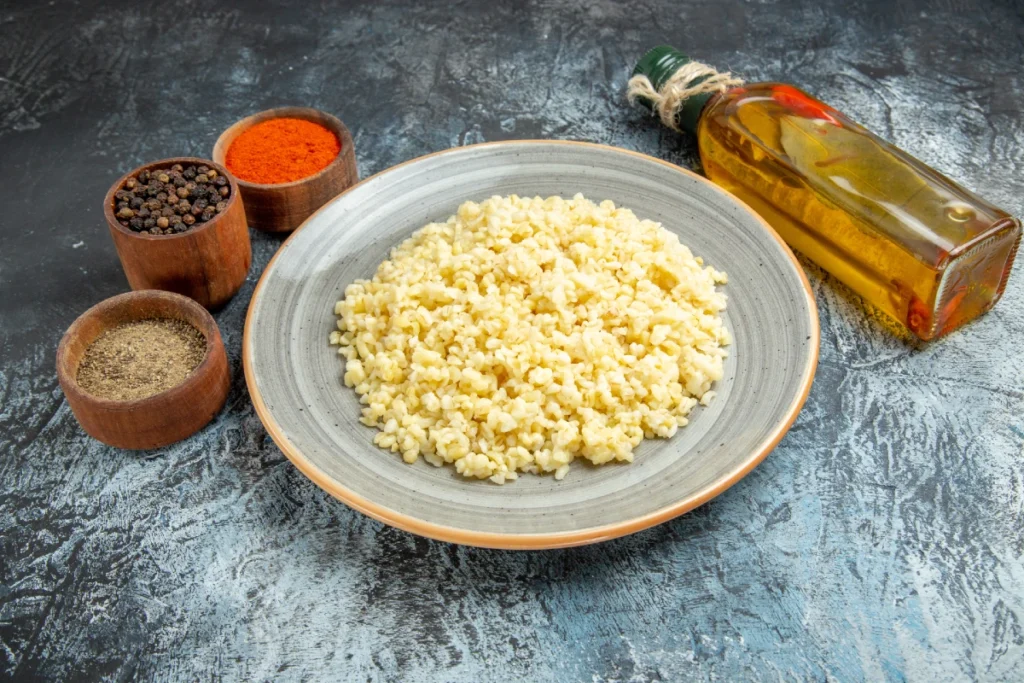
White rice is a familiar staple that pairs well with curries, stir-fries, and protein dishes. However, one cup of cooked white rice contains approximately 200 to 210 calories.
A cup of plain cauliflower rice typically contains only around 25 to 35 calories. It also adds vegetables to the meal without requiring a dramatic change in the recipe.
Cauliflower rice works because cauliflower contains substantial water and relatively few calories per gram. Its finely chopped texture allows it to resemble rice in many savory dishes.
You do not need to replace every serving of rice to benefit. Mixing half a cup of cooked rice with half a cup of cauliflower rice preserves some familiar texture while reducing the meal’s calorie density.
This approach works particularly well with chicken, vegetables, beans, and strongly flavored sauces.
Try this: Cook cauliflower rice in a hot skillet for several minutes to remove excess moisture. Add garlic, pepper, or fresh herbs to improve the flavor.
Which Swaps Keep You Feeling Satisfied?
Cutting calories is useful only when the replacement still provides enough nutrition and leaves you reasonably satisfied. Foods containing fiber, protein, or substantial water are often particularly helpful.
| Food Swap | What Helps With Fullness | Practical Benefit |
|---|---|---|
| Whole fruit instead of juice | Fiber and chewing | More satisfying snack |
| Popcorn instead of chips | Whole grain fiber and greater volume | Larger snack portion |
| Greek yogurt instead of mayonnaise | Protein and creamy texture | Rich taste with fewer calories |
| Cauliflower rice mixed with rice | Water and vegetable volume | Larger looking meal |
| Vegetables instead of some pasta | Fiber and water | More food volume |
| Lean protein instead of fatty processed meat | Protein | Supports satiety and muscle maintenance |
No individual food guarantees fullness. The overall meal, portion size, and a person’s nutritional needs all affect how satisfying a swap will feel.
People with diabetes who use insulin or medications that can cause low blood sugar should be especially careful when reducing portions of carbohydrate rich foods. Major changes to meals may require individualized medication or meal planning advice.
7. Trade Sweetened Breakfast Cereal for Plain Oatmeal
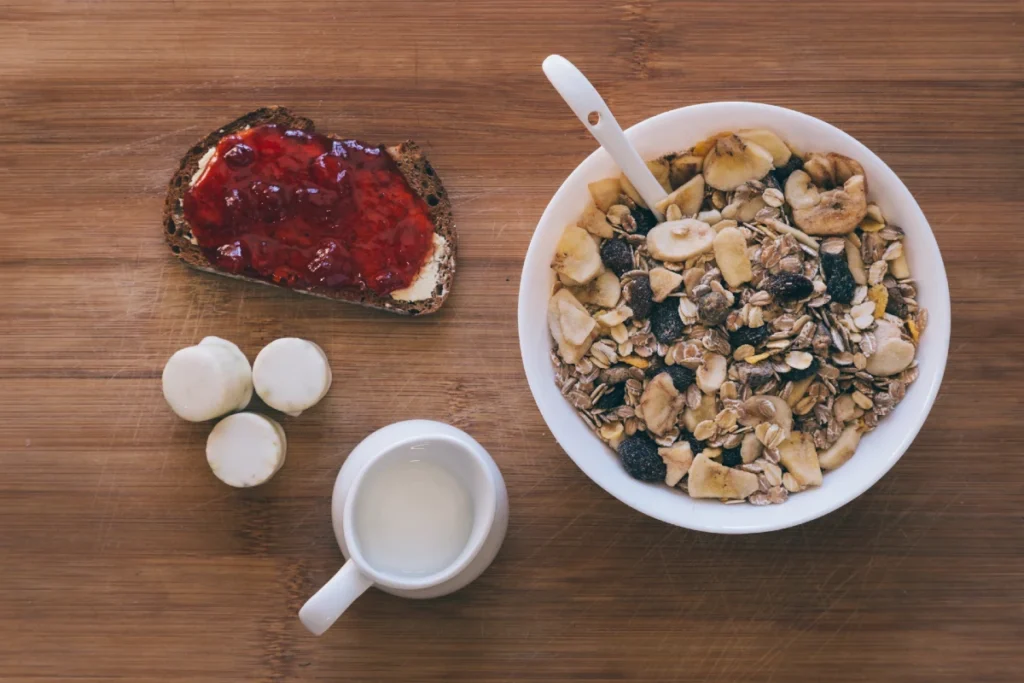
Sweetened breakfast cereals can be convenient, but some varieties contain substantial added sugar and relatively little fiber. That combination may leave you hungry sooner than a breakfast with more fiber and protein.
Plain oatmeal provides soluble fiber, including a type called beta-glucan. This fiber forms a gel during digestion and can help slow the movement of food through the digestive system.
A half cup of dry rolled oats typically contains about 150 calories before toppings. Prepared with water, it makes a warm, filling bowl without the added sugar found in many sweetened cereals.
The calorie savings depend on the cereal being replaced and the size of the serving. Some unsweetened, high-fiber cereals are also excellent choices.
For additional flavor, top oatmeal with cinnamon, fresh berries, and a spoonful of plain yogurt. These additions can contribute flavor, fiber, and protein without relying heavily on sugar.
Try this: Replace one sweetened cereal breakfast each week with oatmeal, then increase the frequency if you enjoy it.
8. Choose Lean Ground Turkey Instead of Higher-Fat Ground Beef

Ground beef is useful for burgers, tacos, and pasta sauces, but its calorie content depends heavily on the amount of fat it contains.
A four-ounce raw portion of ground beef labeled 80% lean can contain approximately 280 to 290 calories. The same weight of 99% lean ground turkey generally contains around 120 to 130 calories.
The difference comes primarily from fat content because fat provides approximately nine calories per gram, compared with four calories per gram for protein.
Lean ground turkey can provide substantial protein with less total fat than higher-fat ground beef. Protein also helps maintain muscle mass during weight management.
For flavor, add onions, garlic, paprika, cumin, or tomato paste. Turkey can become dry if overcooked, so using a moisture-rich sauce can help.
Ground turkey is not automatically lower in calories than every kind of beef. Extra lean beef may have a similar nutritional profile, while ground turkey containing skin or dark meat can contain considerably more fat.
Try this: Compare the lean percentages on meat labels rather than relying on the animal type alone.
9. Replace Creamy Salad Dressing With a Lighter Homemade Version

A bowl of vegetables may be relatively low in calories, but dressing can change the total considerably. Two tablespoons of creamy ranch dressing commonly contain approximately 120 to 150 calories.
A simple dressing made with two teaspoons of olive oil, lemon juice, vinegar, mustard, and herbs can contain around 80 to 90 calories. Using one teaspoon of oil reduces it further to roughly 40 to 50 calories.
The important detail is portion size. Olive oil contains heart-healthy unsaturated fats, but it still provides approximately 120 calories per tablespoon.
The American Heart Association encourages choosing healthier fats and making thoughtful ingredient substitutions. A homemade dressing also allows control over added sugar and sodium.
For a creamy option, combine plain yogurt with lemon juice, garlic, and fresh dill. The mixture works well with green salads, roasted vegetables, and grain bowls.
Try this: Measure dressing into a small container before adding it to the salad. This makes the serving easier to control without needing to avoid dressing entirely.
10. Replace Ice Cream With Frozen Yogurt and Berries

Ice cream can fit into a balanced diet, but large servings may contain several hundred calories. Premium varieties can be especially calorie-dense because of their higher fat content.
A half cup of regular vanilla ice cream often provides approximately 130 to 160 calories, although premium brands may contain much more.
For a lighter homemade option, blend plain nonfat Greek yogurt with frozen berries and a little vanilla extract. Half a cup of yogurt with half a cup of strawberries generally provides roughly 90 to 110 calories, depending on the product.
The yogurt contributes protein, while berries provide fiber, water, and natural sweetness. Blending frozen fruit also creates a thick texture without needing heavy cream.
Commercial frozen yogurt is not necessarily lower in calories than ice cream. Many varieties contain added sugar, so the nutrition label matters more than the name.
Try this: Freeze the blended yogurt mixture briefly before serving for a firmer texture. Avoid adding large amounts of honey, chocolate chips, or syrup if reducing calories is the goal.
11. Replace Part of Your Pasta With Vegetables

Pasta is satisfying and easy to prepare, but a large serving can make it easy to consume more calories than intended.
One cup of cooked regular pasta typically contains around 190 to 220 calories before sauce. A cup of cooked zucchini or other nonstarchy vegetables generally contains far fewer calories.
Replacing part of the pasta with zucchini noodles, mushrooms, broccoli, or roasted peppers can reduce calorie density while preserving the overall volume of the dish.
Vegetables also contribute fiber, potassium, and other nutrients that many adults could benefit from eating more often.
The CDC recommends replacing some rice or pasta with vegetables rather than eliminating these foods. This allows familiar meals to remain part of an eating pattern that is easier to sustain.
Try combining one cup of pasta with one cup of sautéed vegetables instead of serving two cups of pasta. Keep a protein source in the meal to improve nutritional balance.
Try this: Add vegetables directly to the pasta sauce so they absorb its flavor. Roasted mushrooms and zucchini work particularly well with tomato-based sauces.
12. Swap Sweetened Coffee Drinks for Simpler Coffee

Coffee itself contains very few calories, but flavored syrups, whipped cream, sweetened creamers, and large amounts of milk can turn it into a calorie-rich beverage.
Some large specialty coffee drinks contain 300 calories or more, depending on the recipe and serving size. A cup of plain brewed coffee typically contains fewer than five calories.
Choosing plain coffee with a modest amount of milk can dramatically reduce the calorie total while preserving the familiar taste and caffeine.
For example, two tablespoons of whole milk add approximately 18 to 20 calories. Unsweetened milk alternatives may provide fewer calories, although their protein and calcium content varies.
If you prefer flavored coffee, consider cinnamon, vanilla extract, or a smaller amount of your usual sweetener.
The biggest improvement may come from changing the size of the drink rather than abandoning it completely. Ordering a smaller version with less syrup can be a realistic first step.
Try this: Ask for half the usual syrup in a sweetened coffee drink. If you still enjoy the taste, gradually reduce the amount further.
How Much Difference Can These Food Swaps Actually Make?
The impact depends on how often you use the swaps, what you replace, and whether you compensate by eating more later.
A single substitution may reduce a meal by only 40 or 50 calories, while replacing a large sugary beverage could remove substantially more.
The following examples show possible reductions from everyday choices rather than predicted weight loss.
| Simple Daily Change | Approximate Calories Saved | Potential Weekly Reduction |
|---|---|---|
| Soda replaced with sparkling water | 150 | 1,050 |
| Two tbsp mayonnaise replaced with nonfat Greek yogurt | 160 to 180 | 1,120 to 1,260 |
| One cup rice replaced with cauliflower rice | 170 to 185 | 1,190 to 1,295 |
| Three cups plain popcorn instead of one ounce chips | 50 to 70 | 350 to 490 |
| Whole orange instead of eight ounces of juice | 45 to 50 | 315 to 350 |
These are illustrative differences based on typical servings. Weekly totals assume the same single substitution occurs every day for seven days. They should not be interpreted as expected weight loss.
The numbers are useful for understanding how everyday decisions affect energy intake. However, larger savings are not automatically better if they leave you underfed or unsatisfied.
A successful eating pattern should still provide sufficient protein, healthy fats, carbohydrates, vitamins, minerals, and overall energy.
Try This Today: Five Small Changes That Feel Manageable
Instead of changing every meal at once, choose a few habits that fit naturally into your routine.
- Replace one sugary drink with water or unsweetened sparkling water.
- Use plain Greek yogurt instead of mayonnaise or sour cream in one meal.
- Add a cup of vegetables in place of some rice or pasta.
- Keep washed fruit ready for an afternoon snack.
- Measure calorie-dense toppings, including oils, dressings, and nut butters.
Start with one or two changes and repeat them consistently. The goal is to make healthier choices feel ordinary rather than turning every meal into a calculation.
The Biggest Mistake People Make With Lower Calorie Foods
A food labeled low calorie is not automatically more nutritious or satisfying. Some products contain little protein or fiber, which may leave people hungry despite eating fewer calories.
Another common mistake is replacing a familiar food with something that provides almost no satisfaction. When that happens, the person may return to the original food and eat additional snacks as well.
For example, replacing a substantial lunch with a small green salad may reduce calories temporarily. But if that salad contains little protein or fat, it might not provide enough nourishment to carry someone through the afternoon.
A better approach is to preserve the structure of the meal. Keep protein, include vegetables, and adjust the portion of calorie-dense extras.
It is also worth remembering that foods such as nuts, olive oil, avocado, and whole grains provide valuable nutrients even though they contain calories. They do not need to be eliminated simply to make meals lighter.
When Lower Calorie Eating Becomes a Concern
Reducing calories should not mean ignoring symptoms that suggest your body is not getting enough nourishment.
Speak with a healthcare professional if you notice:
- Persistent dizziness or unusual weakness: These symptoms may reflect inadequate food intake, dehydration, medication effects, or another medical issue.
- Frequent shakiness, sweating, or confusion: These may be signs of low blood sugar, particularly among people taking certain diabetes medications. Severe confusion, fainting, or seizures require emergency medical care.
- Unintentional or rapid weight loss: Losing weight without trying deserves medical evaluation, especially in older adults.
- Constant hunger, severe fatigue, or an increasing fear of eating: These concerns may indicate that the eating plan is too restrictive or that additional support is needed.
Older adults should be particularly careful about making large calorie reductions because inadequate intake can contribute to muscle loss, weakness, and poor recovery from illness.
