
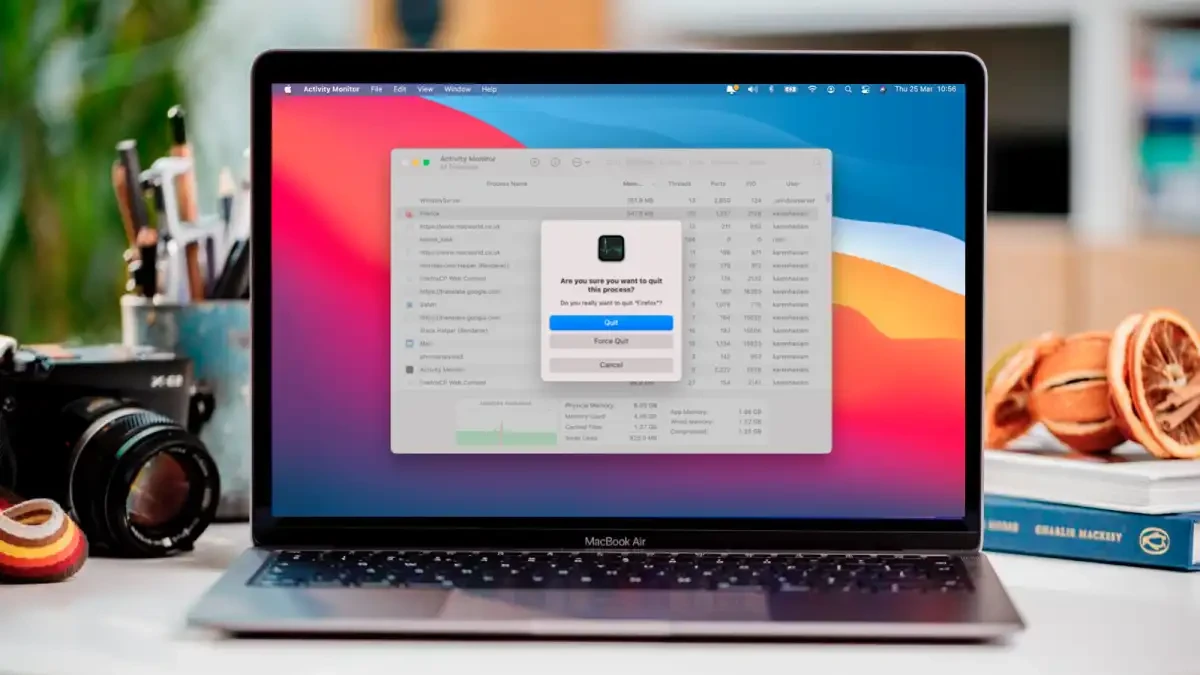
The infamous “spinning beach ball of death” has returned, turning your cutting-edge Mac into an expensive paperweight, but you shouldn’t have to buy a new one.
Yesterday, your Mac was fast. You were scrolling smoothly and jumping between apps without a thought. Today? Simple tasks are unbearably slow. Maybe you tried restarting, but the problem immediately came back. You’re left with the fear that your Mac is just too old or broken. That feeling of sudden, heavy lag is your computer begging for help.
The actual culprit behind the sudden slowdown. It’s a problem rooted in apps taking too many resources, not in failing hardware. The exact $\text{5-minute fix}$ that instantly restores your performance and fixes your $\text{Mac suddenly runs slow}$ problem. Say goodbye to the spinning beachball for good.
#1. Why is your Mac running slowly?
If your Mac suddenly feels like a $\text{dinosaur}$ lagging, freezing, and showing that horrible spinning beach ball, you might think, “My Mac is old. I need a new one.” That’s the myth. You don’t need to empty your wallet.
The truth is, modern Macs, even those a few years old, are powerful machines. If your $\text{Mac suddenly runs slow}$, the problem is rarely the hardware failing. The hard drive isn’t full, and it didn’t magically age overnight.
The Real Problem: Runaway Apps and Memory Trouble
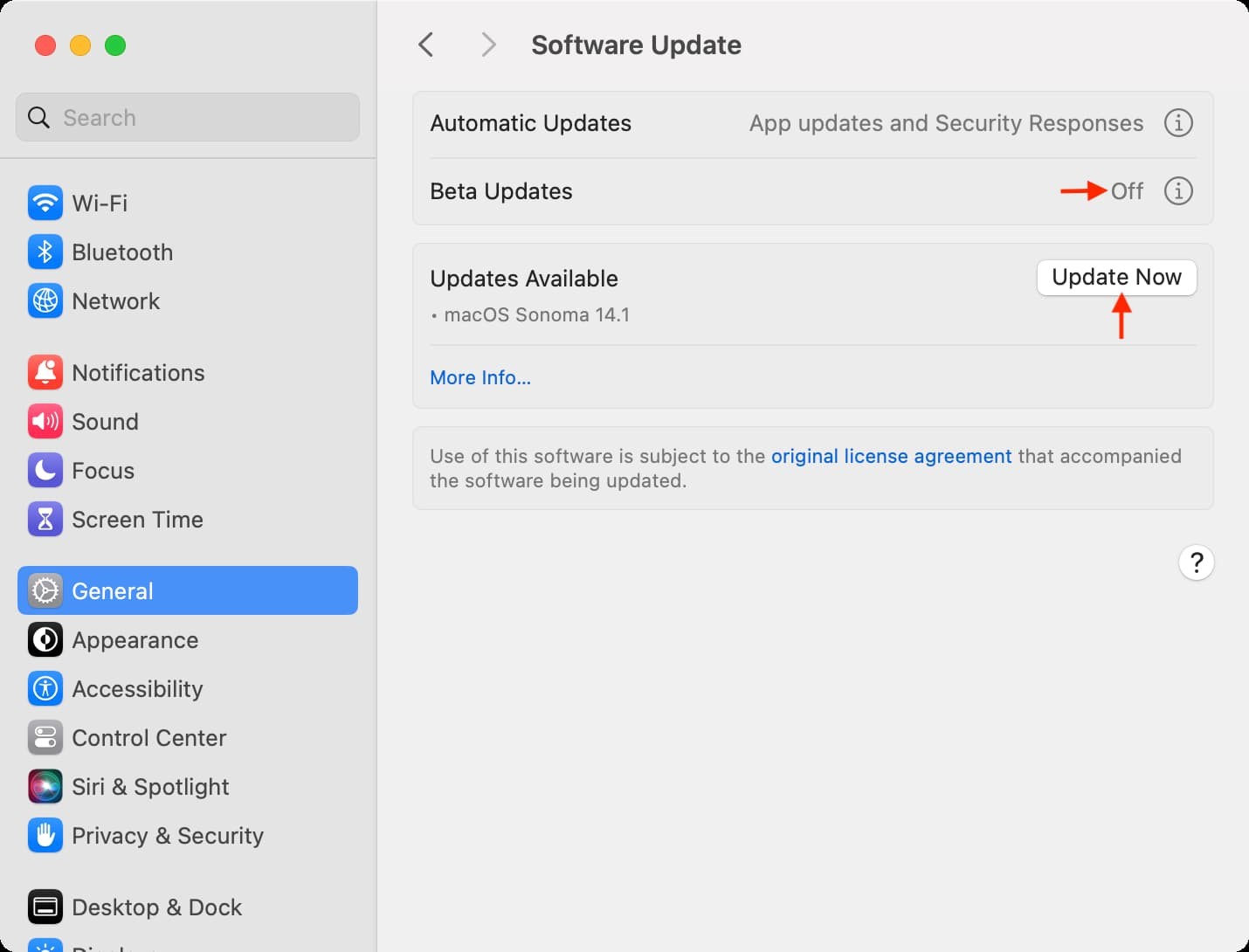
The actual issue is almost always a software traffic jam. This happens in one of two ways:
A Bad Update: You installed a new version of $\text{macOS}$ (like the recent Tahoe 26.x release). Sometimes, these updates don’t play well with specific apps, causing a conflict that drains power. Performance issues after macOS updates were widely reported on Reddit’s r/MacOSBeta community in late 2025.
A Rogue App: A single program you use every day, often a cross-platform one (like Slack, Notion, or VS Code), suddenly gets “stuck.” It becomes a resource hog, demanding way too much power in the background.
This rogue app uses up your RAM (Random Access Memory) and maxes out your CPU usage (Central Processing Unit). This strain is what stops your Mac cold. The biggest clue is the sudden nature of the slowdown. Your Mac feels stressed, and we can look inside to see why.
#2. How to Use Activity Monitor to Identify the Slow Mac Fix Culprit
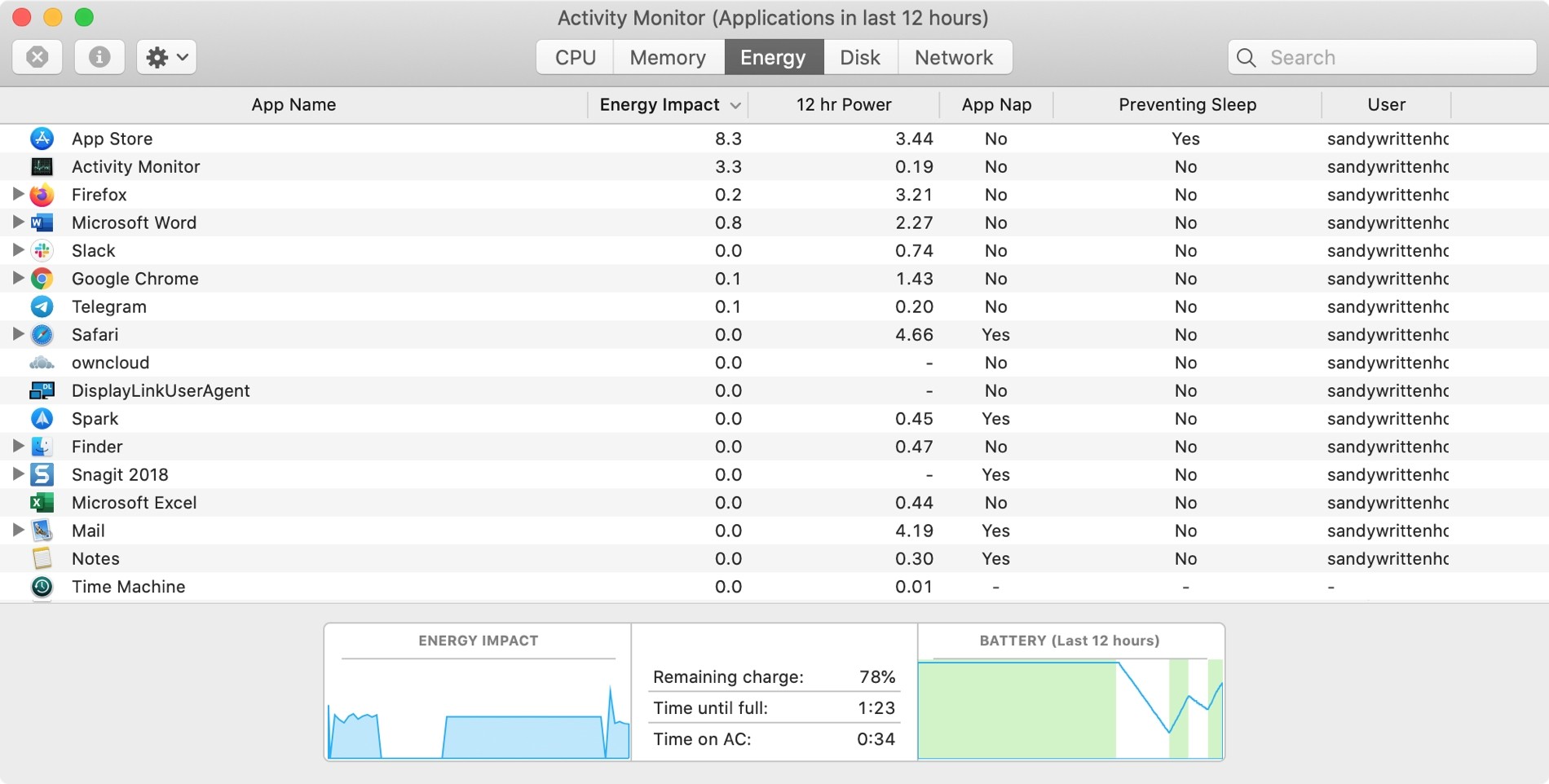
Apple gives you a secret window into your Mac’s stress levels: the Activity Monitor. Think of it as your Mac’s doctor, showing exactly which process is sick. Finding this sick process is your first step to the slow Mac fix.
Find the Activity Monitor
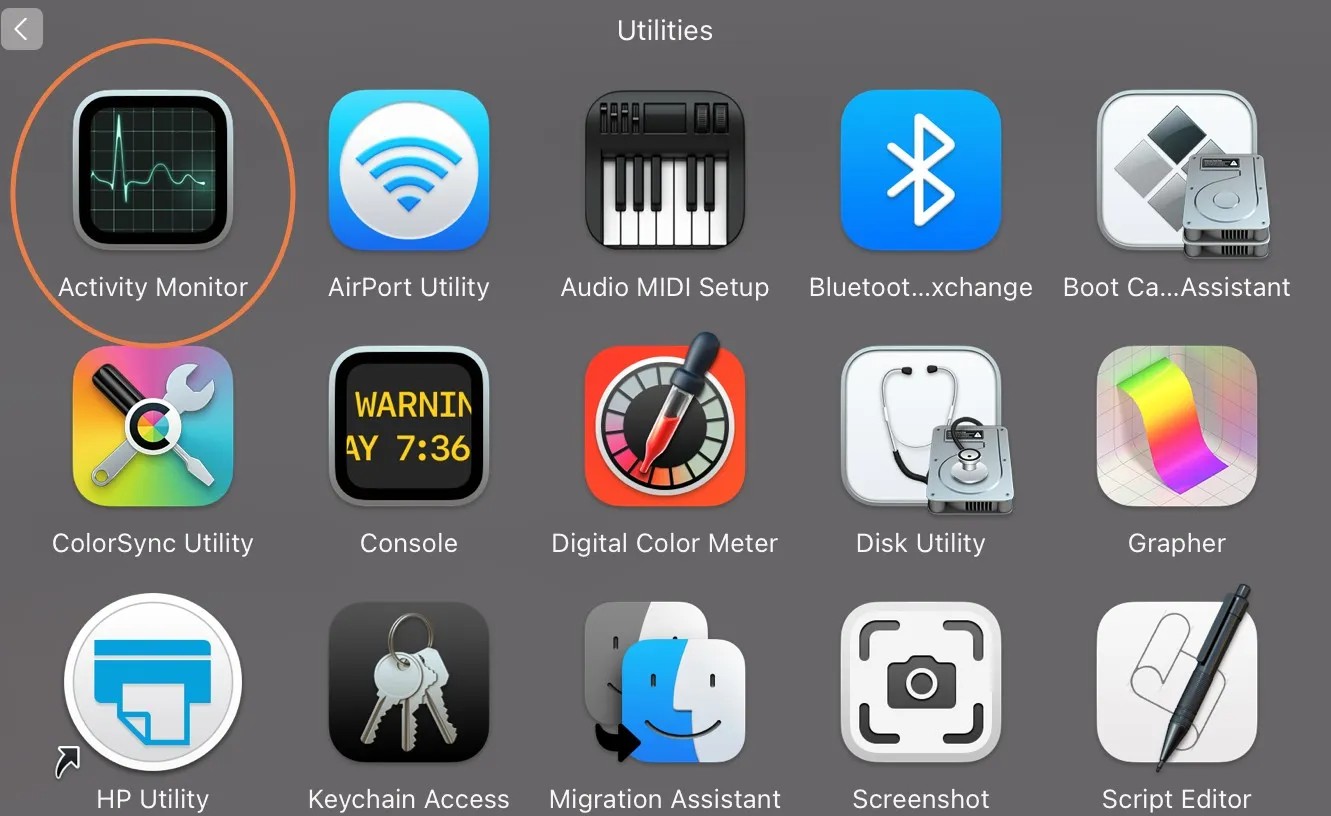
Click Go in your menu bar at the top of the screen. Select Utilities. Double-click on Activity Monitor. The Activity Monitor window will open. You’ll see five tabs across the top: CPU, Memory, Energy, Disk, and Network. We only care about the first two.
Check the CPU

Click the CPU tab. This tab shows what processes are currently making your Mac work hard. Click the “% CPU” column header to sort the list. Click it twice so the arrow points down (descending).
The process at the very top is the one using the most power right now. Look for any app or process that is using a high percentage, such as over 80% (for more than a few seconds). If you see a third-party app (like Chrome or Discord) stuck above 80%, you’ve found the runaway app.
Check Memory Pressure
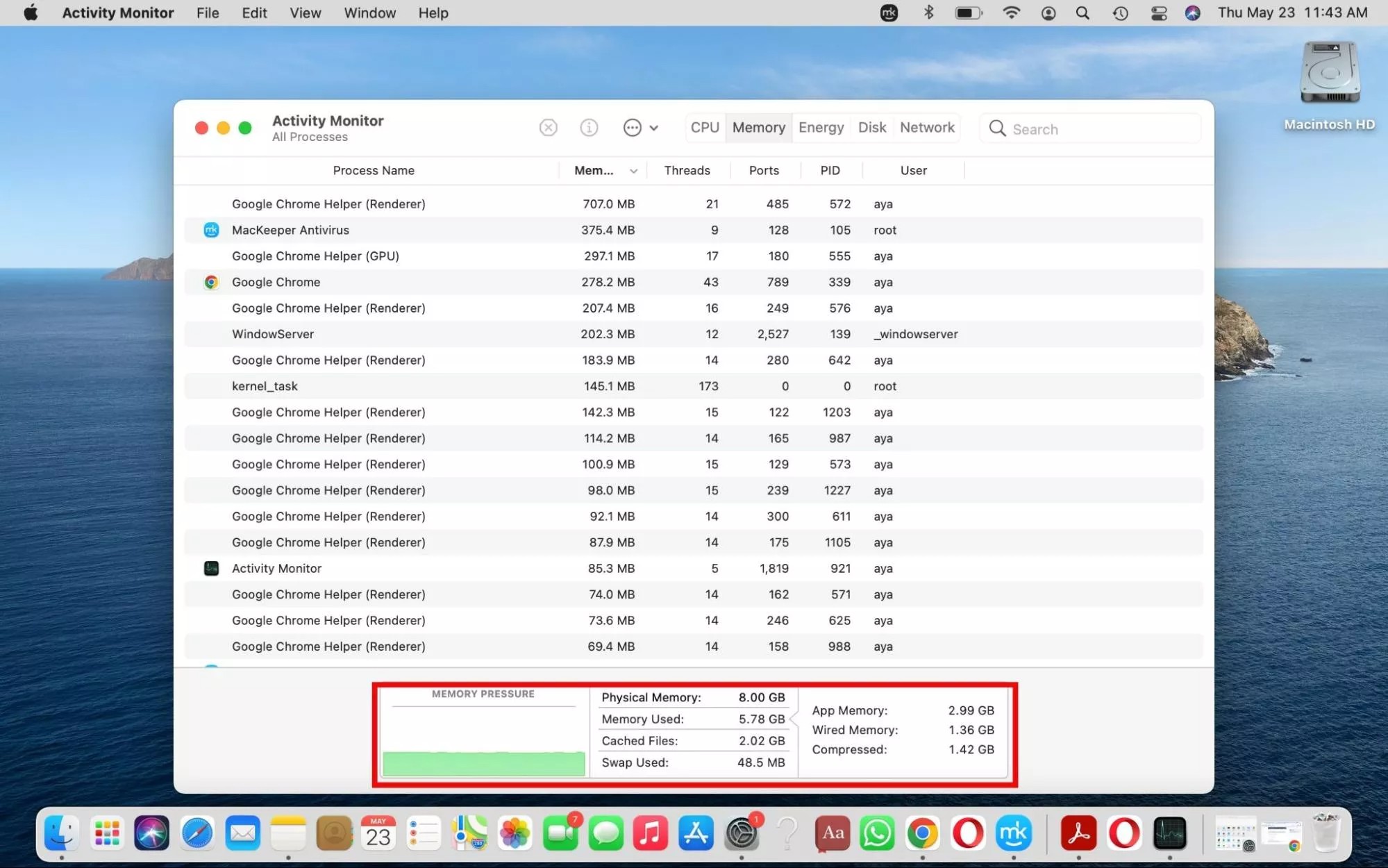
Next, click the Memory tab. This is where you see the most important indicator of a $\text{slow Mac fix}$ needed: Memory Pressure. Look at the graph at the bottom. This graph shows Memory Pressure. If the color is Green, your Mac is fine.
If it is Yellow or, worse, Red, your Mac is struggling. It’s using up its physical $\text{RAM}$ and trying to borrow power from the slower hard drive (called swap file). This Memory Pressure is the number one reason your $\text{Mac suddenly runs slow}$.
Quit the Culprit
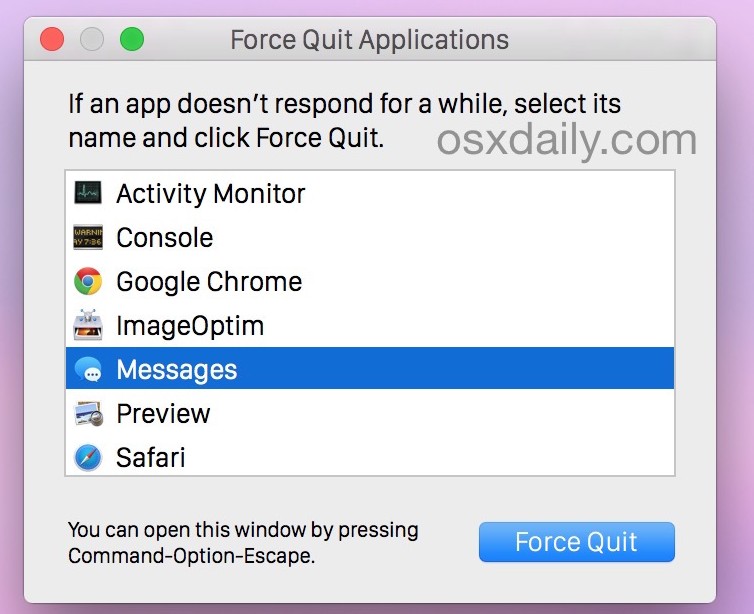
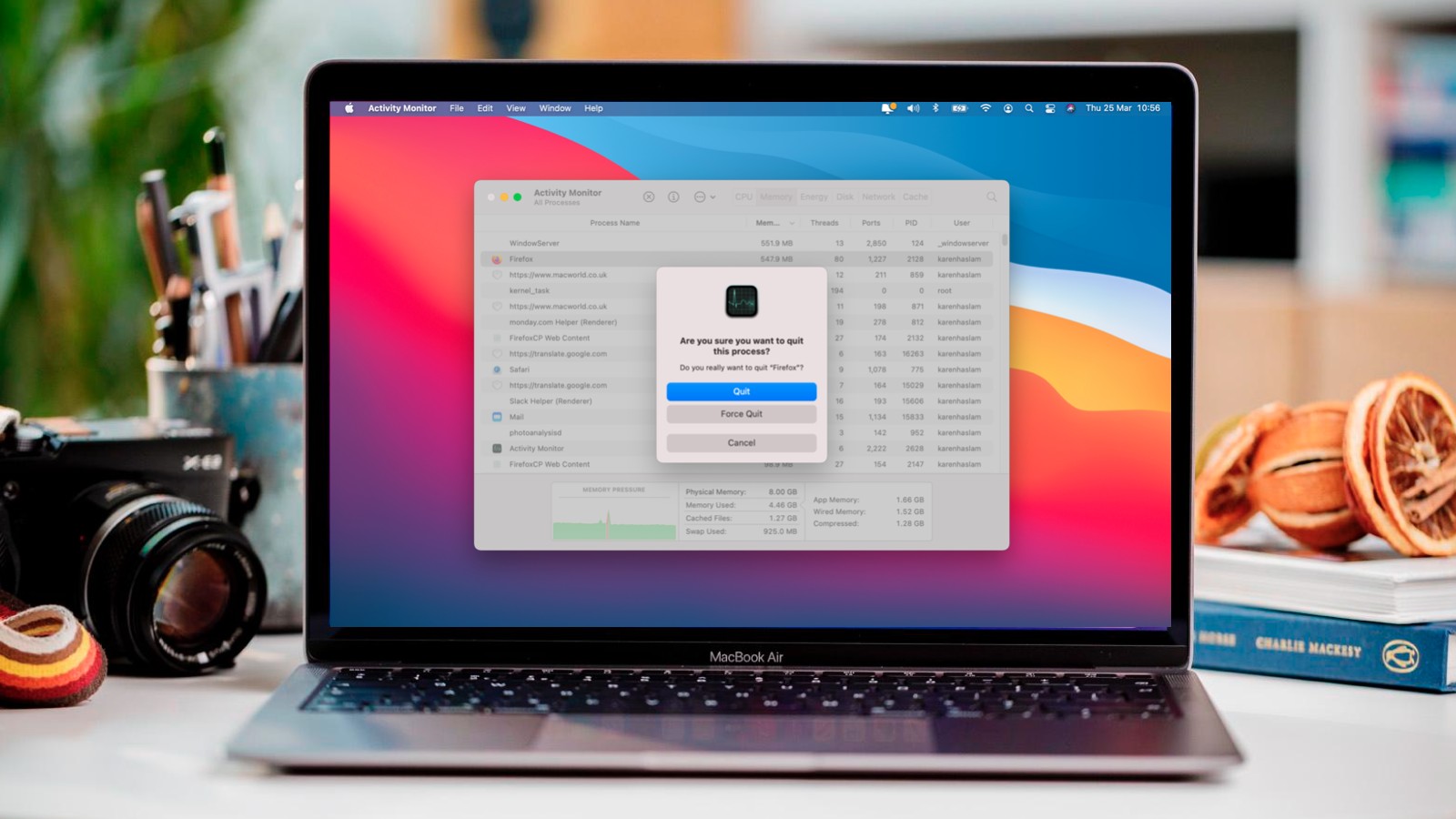
Once you identify the app using high CPU or contributing to high Memory Pressure: Click the process name once (e.g., Slack Helper, Chrome). Click the X icon in the upper left corner of the Activity Monitor window. Choose Quit (if that fails, choose Force Quit).
Often, quitting the runaway app is the entire $\text{slow Mac fix}$. But to really clear out the lingering stress and instantly free up the memory it was hogging, we move to the secret 5-minute fix.
#3. Instantly Clear RAM and Restore macOS Performance
You just found and quit the runaway app using Activity Monitor. That’s a great start. But your Mac’s brain (the $\text{RAM}$) is still full of old, inactive memory. It’s like a messy desk after you’ve thrown away the trash. You need to wipe the desk clean.
Apple wants you to restart the computer. That works, but you lose all your open windows, documents, and work. We don’t have time for that.
This is where the secret weapon comes in: the sudo purge command. It’s a quick, technical way to force $\text{macOS}$ to clear RAM instantly. This is the 5-minute fix that makes your machine feel brand new without losing your workflow.
The 3-Step $\text{sudo purge}$ Fix
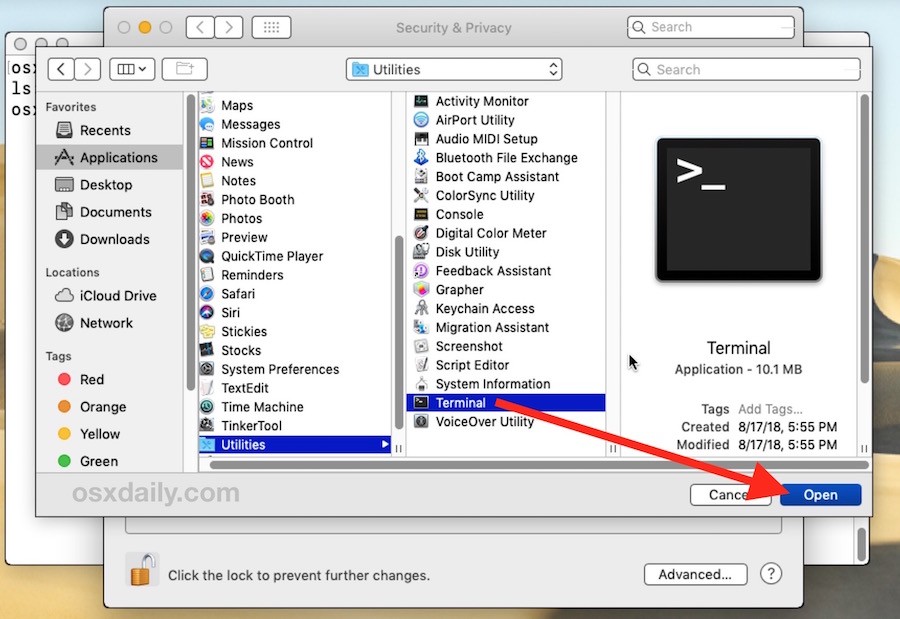
Before you start, make sure you’ve already closed the rogue app from Activity Monitor. If you don’t, the problem app will just suck up all the fresh memory again.
Open Terminal: Click Go in the menu bar, select Utilities, and double-click Terminal. (Terminal is just a plain white box where you type computer instructions.)
Type the Command: Type the following exact line, then press the Return key: Bashsudo purge What does this command do? The word “sudo” means “Super User Do”—you are telling the computer you have special permission. “purge” tells the system to dump all inactive memory.
Enter Your Password: Your Mac will ask for your administrator password. Type it in (you won’t see the characters appear; this is normal) and press Return.
Before running sudo purge, One user’s Mac was stuck at 80% Memory Pressure (Red). Immediately after, it dropped to 30% (Green), and the system felt snappy again. This is a common, non-destructive way to free up memory when a software bug is hoarding it.
The $\text{sudo purge}$ command provides a complete $\text{slow Mac fix}$ for memory bottlenecks. It’s faster, better for your workflow, and instantly restores your $\text{macOS performance}$.
#4. Proactive macOS Performance Tuning
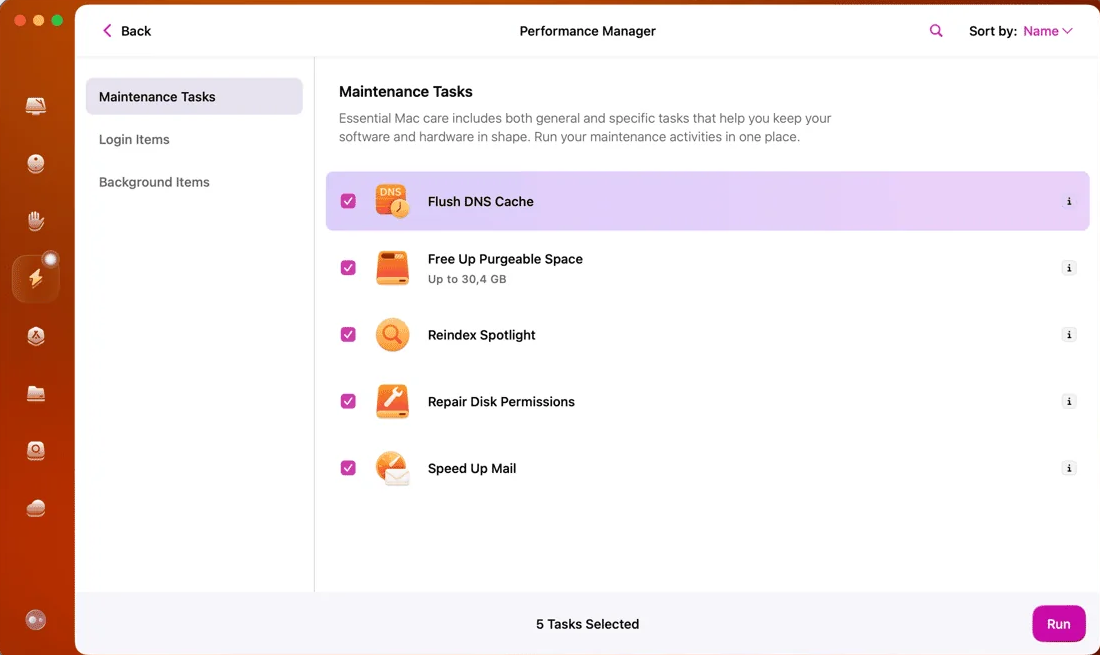
The sudo purge The command is an excellent emergency stop, but you don’t want to use it every day. You need to keep the traffic jam from happening again. Keeping your $\text{macOS performance}$ high requires a little preventative maintenance.
Clean Up Login Items
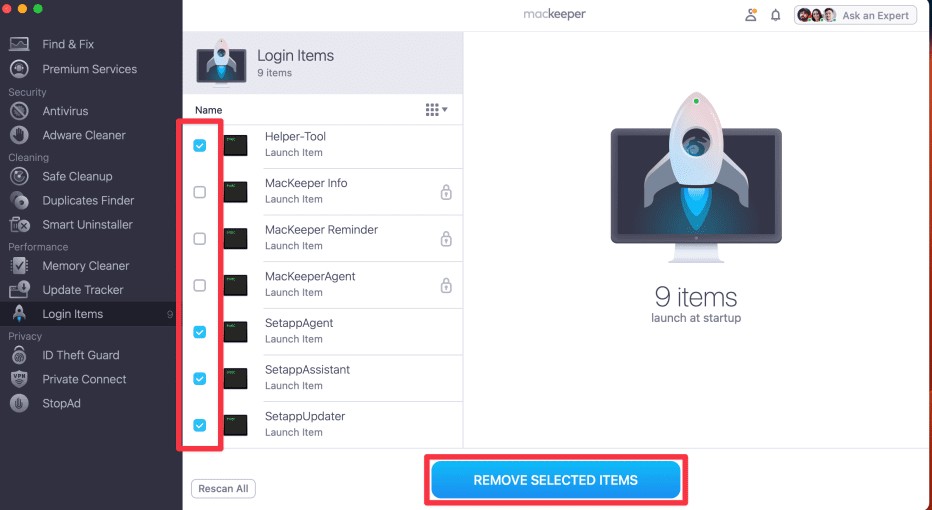
Many apps install themselves to start automatically when your Mac turns on. This is called a Login Item. If you have 20 apps starting at once, your Mac is slow before you even open your first browser window.
Go to the Apple Menu > System Settings > General > Login Items.
Review the list. If you see an app you don’t need immediately (like a printer utility or a cloud backup tool), turn it off. You can still open it later, but it won’t slow down your startup.
Control Your Browser
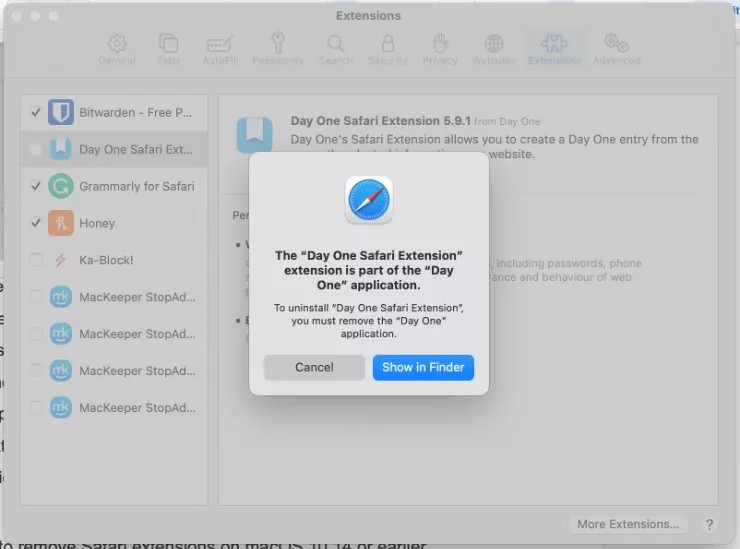
Your web browser is likely the biggest RAM hog on your entire computer. Every tab and every extension uses memory.
Limit the number of tabs you keep open. Check your browser extensions. Remove anything you don’t absolutely need. Many experts confirm that Chrome/Chromium-based browsers tend to use the most $\text{RAM}$ out of all options. Consider using Safari or Firefox if your Mac is older or has less $\text{RAM}$.
Maintain Drive Space
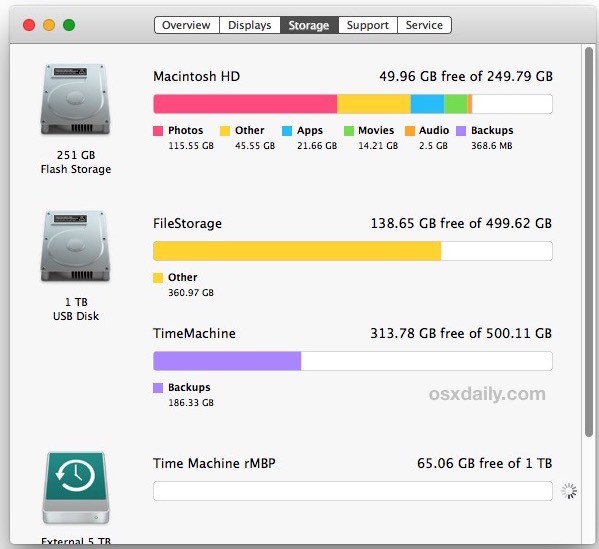
Your Mac uses empty space on your hard drive to create swap files (virtual memory) when your $\text{RAM}$ fills up. If your hard drive is almost full, your Mac can’t create these files, and it hits a wall.
You must keep at least 10% to 15% of your drive free. Go to Apple Menu > System Settings > General > Storage.
Use the built-in Apple tools like “Optimise Storage” to automatically delete old movies or large files you don’t need. This is the Apple-approved method for cleanup.
Keeping these three areas clean ensures your Mac has the breathing room it needs to maintain high $\text{macOS performance}$ all the time.
