

What you put in your grocery cart may influence how well your brain ages. Memory lapses, slower thinking, and trouble concentrating can become more concerning with age, especially when your diet lacks nutrients that support healthy brain cells and blood circulation.
Research on the Mediterranean and MIND diets suggests that regularly eating certain foods is linked to better cognitive health over time. Nutrients such as omega 3 fatty acids, folate, and antioxidants help support nerve function, protect cells from damage, and maintain healthy blood vessels.
The good news is that you don’t need expensive supplements or unusual ingredients. This brain-friendly grocery list features 19 familiar foods researchers continue to study, along with practical ways to add them to your meals.
No single food has been proven to prevent Alzheimer’s disease or reverse memory loss. Dietary changes can support overall health, but anyone with diagnosed cognitive problems or ongoing medical conditions should discuss major changes with a healthcare professional.
Why Researchers Keep Returning to These Brain Foods
Your brain uses a remarkable amount of energy, even when you are sitting quietly. It needs a steady supply of oxygen and nutrients to support nerve cells, maintain connections, and process information.
That makes the health of your blood vessels especially important. High blood pressure, diabetes, and unhealthy cholesterol levels can damage blood vessels over time, potentially affecting the brain as well as the heart.
Researchers have paid particular attention to the MIND diet, which combines elements of Mediterranean eating with the DASH diet. It emphasizes vegetables, berries, whole grains, beans, nuts, fish, and olive oil.
A 2018 study involving 960 older adults found that people eating more leafy greens experienced slower cognitive decline over an average of 4.7 years. The difference between the highest and lowest intake groups was statistically comparable to approximately 11 years of aging, although the study could not prove that vegetables caused the difference
However, a 2023 randomized trial involving 604 older adults found no significant difference in cognitive outcomes between a MIND diet group and a comparison diet group after three years. This is why the evidence is encouraging but not conclusive.
The following foods are worth considering because they provide nutrients linked to normal brain function or belong to eating patterns associated with healthier cognitive aging.
1. Blueberries Bring Powerful Plant Compounds to Breakfast
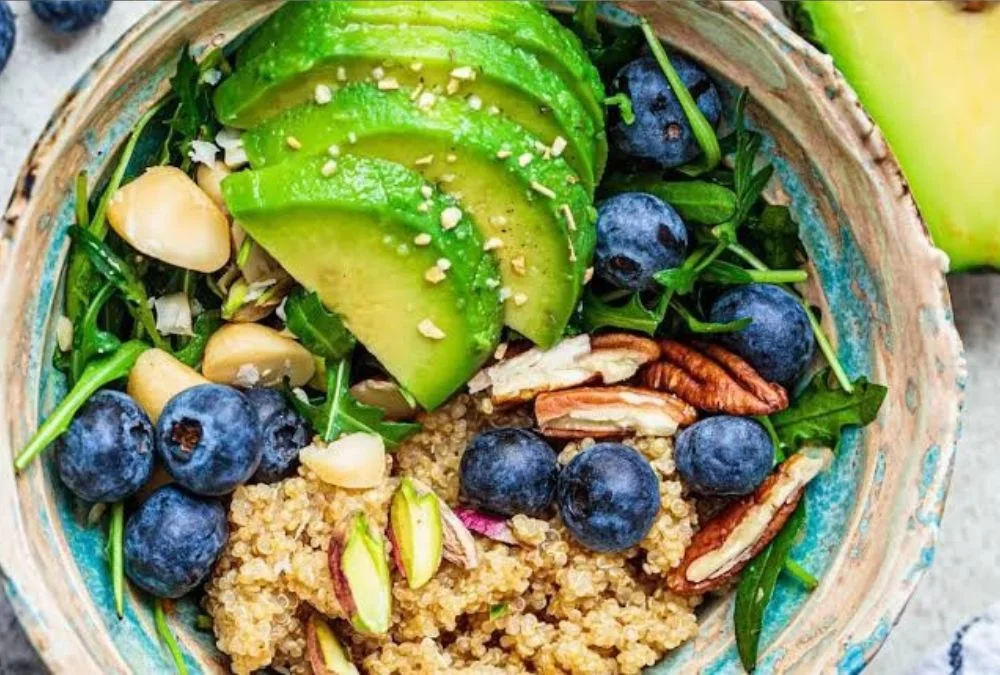
Blueberries contain anthocyanins, natural pigments responsible for their deep blue color. These compounds belong to the flavonoid family and are studied for their antioxidant activity and possible effects on blood vessel function.
Researchers are particularly interested in whether anthocyanins influence inflammation and communication between brain cells. Some small human studies have reported improvements in selected memory tasks, although findings are not consistent enough to promise lasting cognitive benefits.
Harvard Health highlights research connecting berry consumption with slower memory decline in older women. The findings are observational, meaning other lifestyle habits may partly explain the association.
Try adding half a cup of blueberries to oatmeal or plain yogurt several mornings a week. Frozen blueberries are a practical choice because they are available throughout the year and retain many of their beneficial nutrients.
2. Salmon Supplies a Fat Your Brain Cannot Ignore
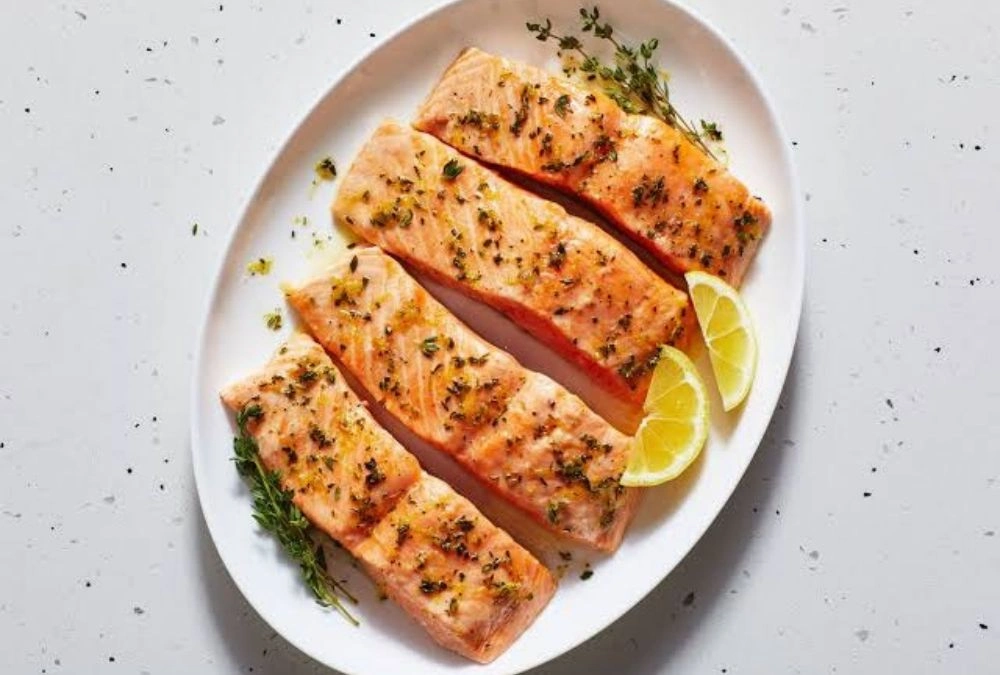
Salmon is rich in two omega-3 fatty acids called DHA and EPA. DHA is a major structural component of brain cell membranes, while EPA is involved in processes that regulate inflammation.
Healthy cell membranes help nerve cells transmit signals efficiently. Omega-3 fats also contribute to cardiovascular health, which matters because the brain depends on healthy circulation.
Harvard Health recommends eating fish at least twice weekly, particularly varieties that are relatively low in mercury. Salmon is one familiar option that delivers substantial amounts of both DHA and EPA.
Aim for a cooked portion of approximately 3 to 4 ounces when preparing salmon. Baking it with lemon, garlic, and olive oil provides a simple meal without relying on deep frying.
3. Spinach Deserves More Attention Than Most Supplements
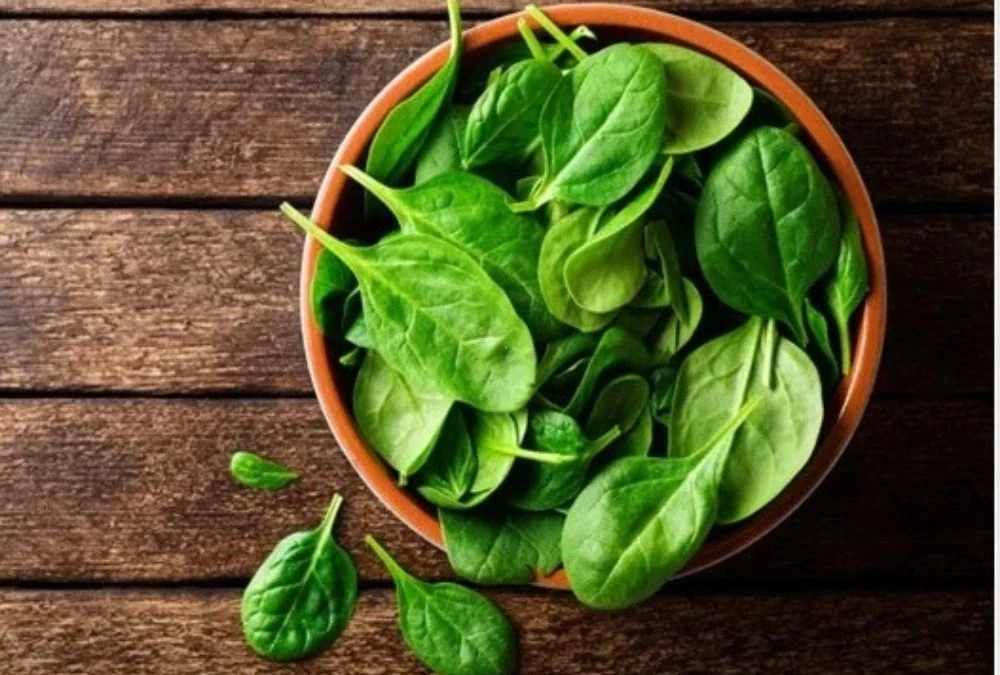
Spinach contains folate, lutein, vitamin K, and beta carotene. These nutrients participate in different processes involving cell function, antioxidant protection, and normal metabolism.
Folate helps the body produce DNA and supports normal cell division. Lutein is a carotenoid concentrated in the eyes and present in brain tissue, where researchers are studying its relationship with cognition.
In the 2018 study of leafy greens, the group with the highest intake ate a median of approximately 1.3 servings daily. Greater consumption was associated with slower cognitive decline, but this was not a clinical test of spinach alone.
Add a handful of spinach to scrambled eggs, soups, or sandwiches. One cup of raw leaves is an easy starting point, while lightly cooked spinach works well in larger portions.
Quick Reference: What These Brain-Related Nutrients Actually Do
| Nutrient | Food sources | Main function |
|---|---|---|
| DHA and EPA | Salmon, sardines | Cell membrane structure and normal signaling |
| Anthocyanins | Blueberries, strawberries | Plant compounds studied for antioxidant and vascular effects |
| Folate | Spinach, lentils, kale | DNA production and normal cell function |
| Lutein | Spinach, kale, avocado | Carotenoid studied in eye and cognitive health |
| Choline | Eggs | Production of the neurotransmitter acetylcholine |
| Vitamin E | Almonds, seeds | Protection of cell membranes against oxidative damage |
These nutrients support normal biological functions, but higher intake does not automatically produce better memory. Food variety is more useful than attempting to maximize one nutrient.
4. Walnuts Offer a Different Kind of Omega-3
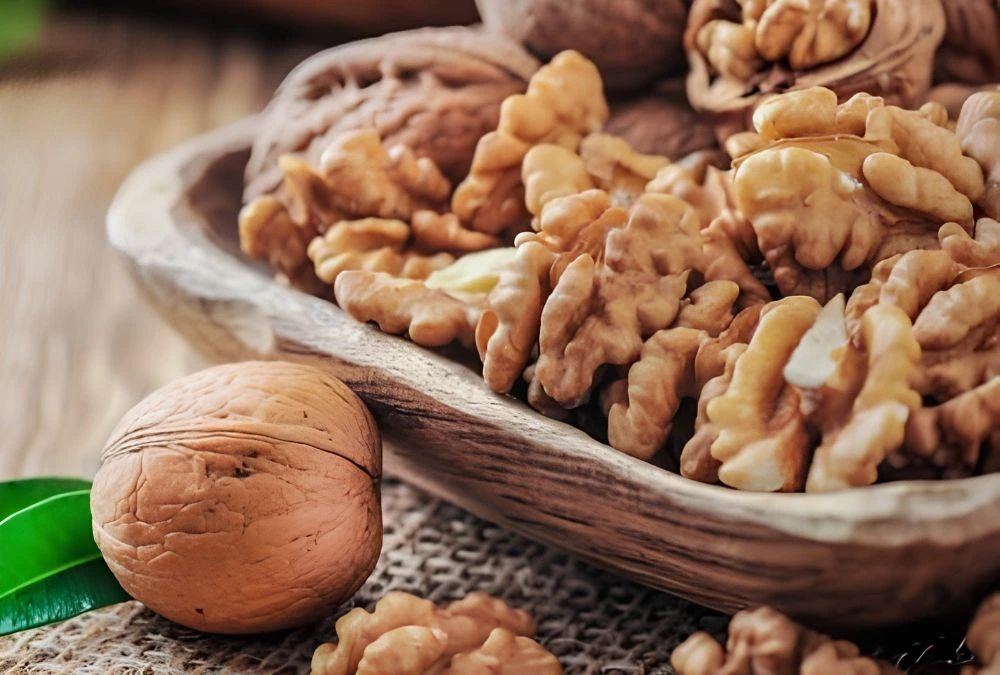
Walnuts stand out among common nuts because they contain alpha-linolenic acid, known as ALA. This plant-based omega-3 fat supports normal body functions and contributes to cardiovascular health.
The body can convert small amounts of ALA into EPA and DHA, but the conversion is limited. That means walnuts complement fatty fish rather than providing an identical nutritional benefit.
Walnuts also contain polyphenols, fiber, and minerals. Researchers have examined whether regular walnut intake is associated with better cognitive performance, although clinical findings remain mixed.
A small handful, roughly one ounce, makes a useful afternoon snack. Chopped walnuts also work well in oatmeal, salads, or yogurt without requiring a complicated recipe.
5. Extra Virgin Olive Oil Helps Replace Less Healthy Fats

Extra virgin olive oil is a central ingredient in Mediterranean eating patterns. Its main fat is oleic acid, a monounsaturated fatty acid that can support heart health when used instead of substantial amounts of saturated fat.
It also contains phenolic compounds, including hydroxytyrosol and related substances. Researchers study these compounds for their antioxidant properties and possible effects on inflammation.
The strongest reason to include olive oil is its role in a healthy overall diet. Studies of Mediterranean eating patterns suggest possible benefits for cardiovascular health and some measures of cognition, but isolating the oil’s independent effects is difficult.
Use a teaspoon or tablespoon to dress vegetables, prepare beans, or replace butter in suitable recipes. Olive oil is energy-dense, so replacing another fat is generally more useful than simply adding extra calories.
6. Eggs Provide Choline for Normal Brain Signaling

Eggs are among the most convenient sources of choline, a nutrient needed to build cell membranes and produce acetylcholine. Acetylcholine is a neurotransmitter involved in learning, memory, and muscle control.
One large egg provides roughly 145 to 150 milligrams of choline, mostly in the yolk. Eggs also contain vitamin B12, which supports normal nerve function and red blood cell production.
These facts explain why eggs can contribute to a nutritious diet. They do not establish that eating additional eggs improves memory in someone who already consumes enough choline.
Try a boiled egg with whole grain toast or combine an egg with spinach and tomatoes for breakfast. People who have been advised to limit dietary cholesterol should follow individualized guidance rather than increasing egg intake automatically.
7. Broccoli Supports More Than One Protective System
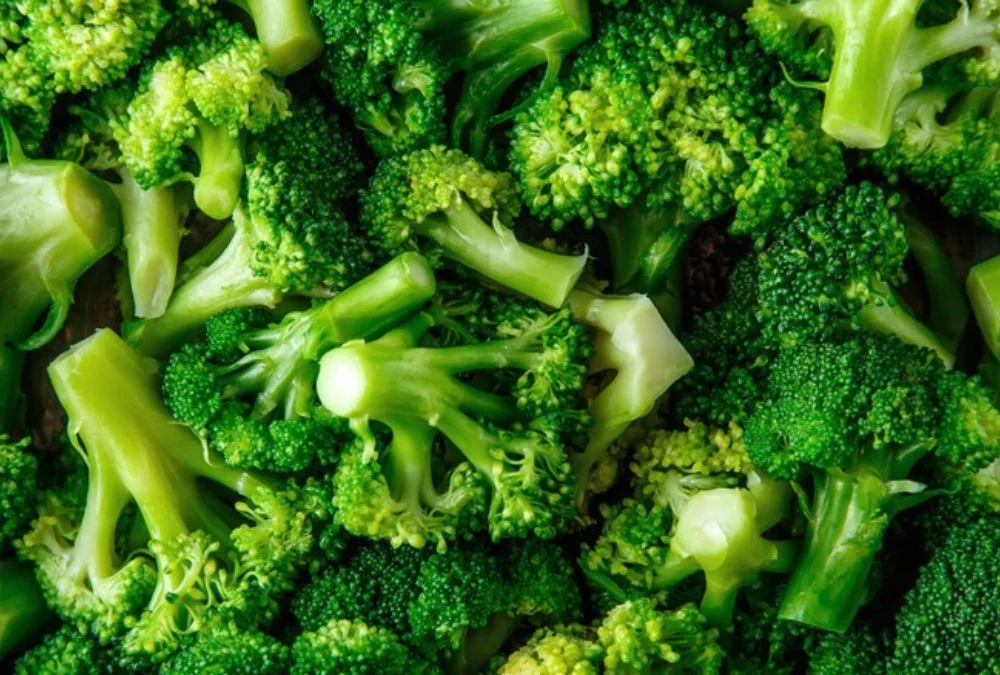
Broccoli belongs to the cruciferous vegetable family, alongside cabbage, kale, and Brussels sprouts. It supplies vitamin C, folate, fiber, and compounds called glucosinolates.
When broccoli is chopped or chewed, natural enzymes can help produce compounds such as sulforaphane. Scientists are examining sulforaphane because laboratory research suggests it may influence antioxidant defense systems and cellular stress responses.
However, those laboratory findings do not prove that eating broccoli prevents brain disease. Its strongest established value comes from being a nutrient-rich vegetable that supports an overall healthy diet.
Try eating half a cup to one cup of broccoli with lunch or dinner several times weekly. Light steaming helps preserve texture, and adding olive oil or lemon can make it more appealing.
8. Strawberries May Offer Benefits Beyond Vitamin C

Strawberries contain vitamin C, fiber, and polyphenols, including anthocyanins and ellagic acid derivatives. These substances are studied because oxidative stress and vascular health may influence cognitive aging.
A long-running study of older women examined berry consumption and memory performance. Researchers reported that higher intake of blueberries and strawberries was associated with a delay in cognitive aging of up to approximately 2.5 years in their statistical models
That estimate does not mean eating strawberries will literally make someone’s brain 2.5 years younger. It describes an association in a population study, not a guaranteed individual result.
Add half a cup of sliced strawberries; eat them with plain yogurt. Whole berries also provide fiber that strawberry-flavored drinks and sweetened desserts may lack.
9. Sardines Pack Several Brain-Related Nutrients Into One Can
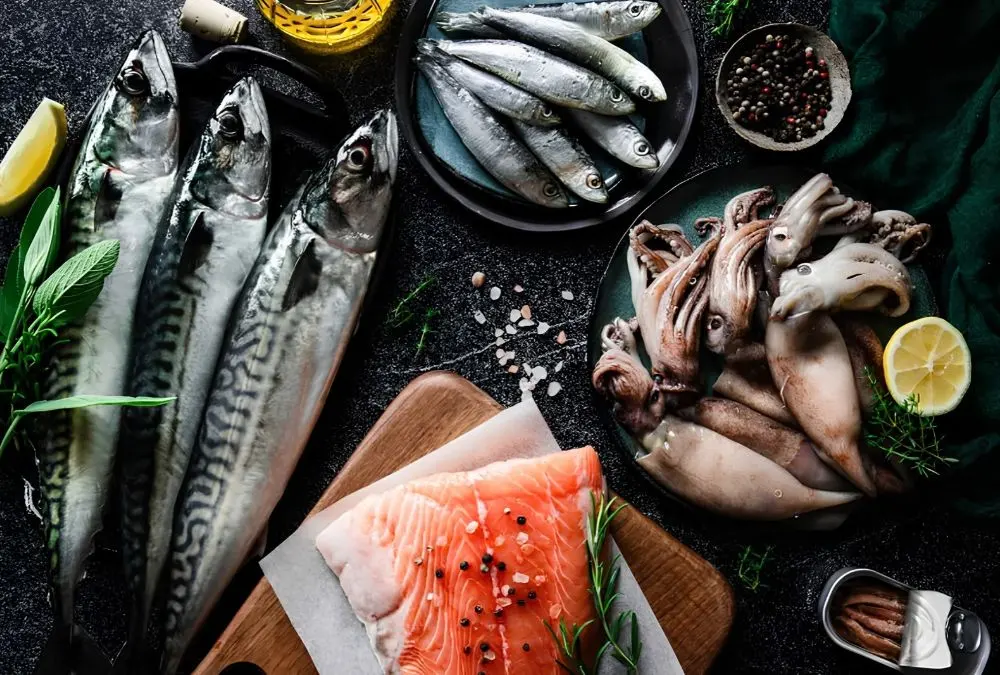
Sardines supply DHA, EPA, vitamin B12, protein, and several minerals. Because they are small fish, they generally contain less mercury than large predatory fish such as swordfish.
Vitamin B12 is particularly relevant to older adults because absorption can become less efficient with age. A deficiency may contribute to nerve problems, difficulty concentrating, and memory symptoms.
Sardines with edible bones also provide calcium, supporting skeletal health. This combination makes them a practical option for people looking to improve the nutritional quality of whole-grain meals without expensive seafood.
Try 3 to 4 ounces of canned sardines on whole-grain toast with lemon and tomatoes. Choose products with lower sodium when necessary, especially if you have high blood pressure.
10. Pumpkin Seeds Bring Magnesium and Zinc Into the Picture
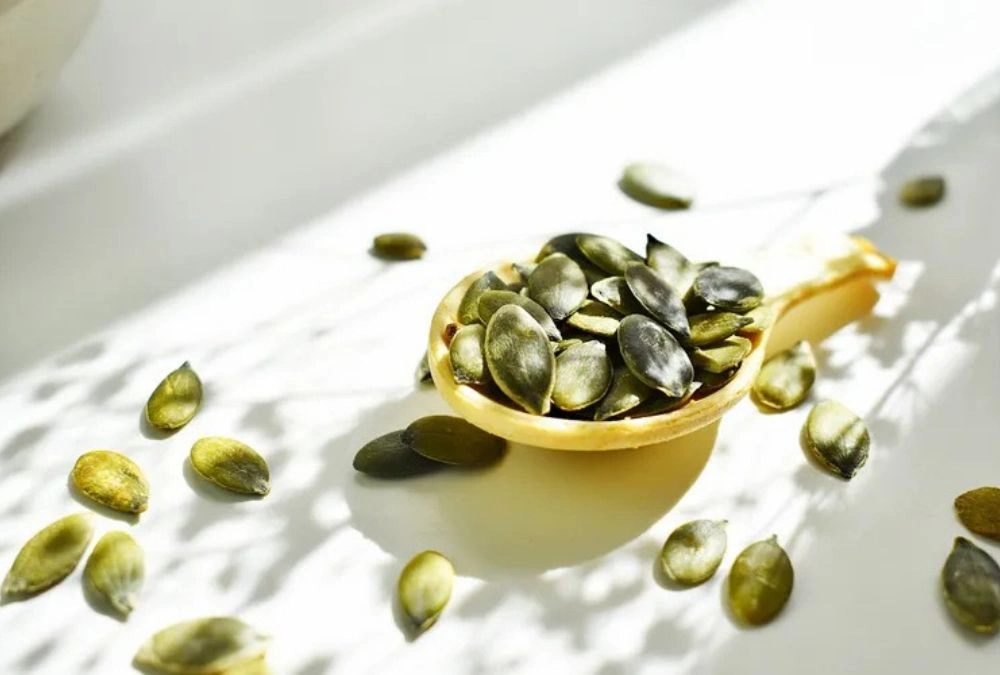
Pumpkin seeds contain magnesium, zinc, iron, protein, and unsaturated fats. These nutrients contribute to normal nervous system function and healthy metabolism.
Magnesium participates in processes involved in nerve signaling and hundreds of enzyme reactions. Zinc helps regulate several cellular functions, including those involved in normal brain development and communication.
A deficiency in certain minerals can affect health, but eating extra amounts beyond nutritional needs has not been proven to prevent dementia. Pumpkin seeds are valuable mainly because they provide several useful nutrients in one affordable food.
Sprinkle one or two tablespoons over oatmeal, salad, or soup. Unsalted varieties are a sensible option for people trying to reduce sodium intake.
11. Oatmeal Supports the Blood Vessels Your Brain Depends On
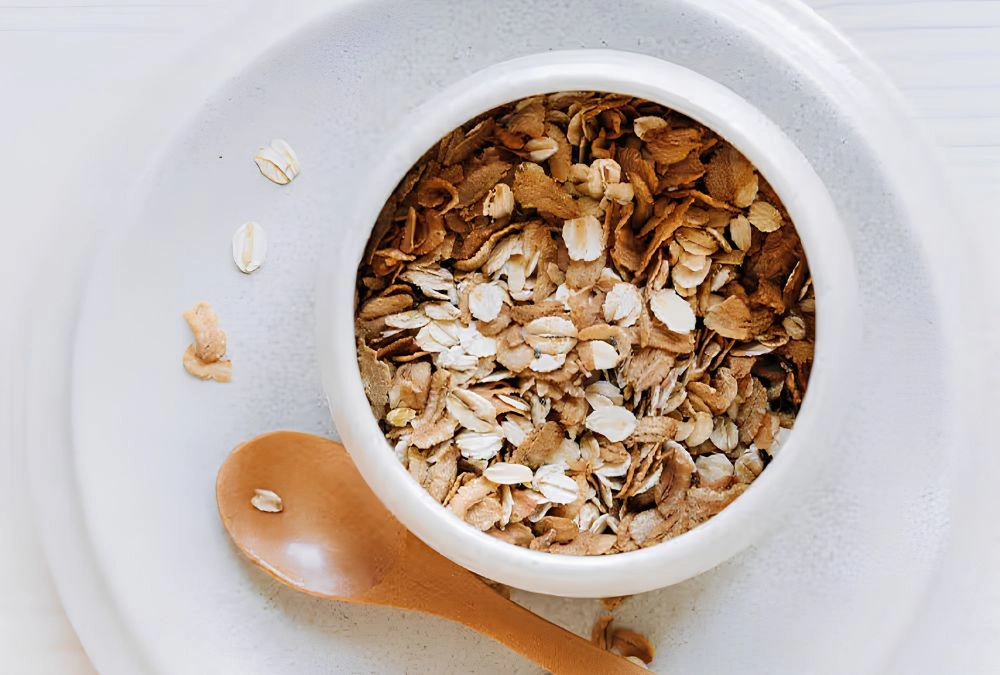
Oatmeal may not sound like brain food, but it offers a practical advantage. Whole oats contain beta-glucan, a soluble fiber that can help lower LDL cholesterol as part of a diet low in saturated fat.
LDL cholesterol contributes to plaque buildup in arteries when levels remain elevated. Maintaining healthy blood vessels is relevant to the brain because circulation delivers the oxygen and nutrients that nerve cells require.
Oats also provide complex carbohydrates, which the body digests more gradually than many highly refined breakfast cereals. This makes plain oatmeal a useful base for a balanced breakfast, especially when paired with protein.
Prepare half a cup of dry rolled oats with water or milk, then add berries and walnuts. Avoid assuming instant oatmeal is unhealthy, but check flavored packets for added sugar.
12. Lentils Offer Folate, Fiber, and Steady Nutrition
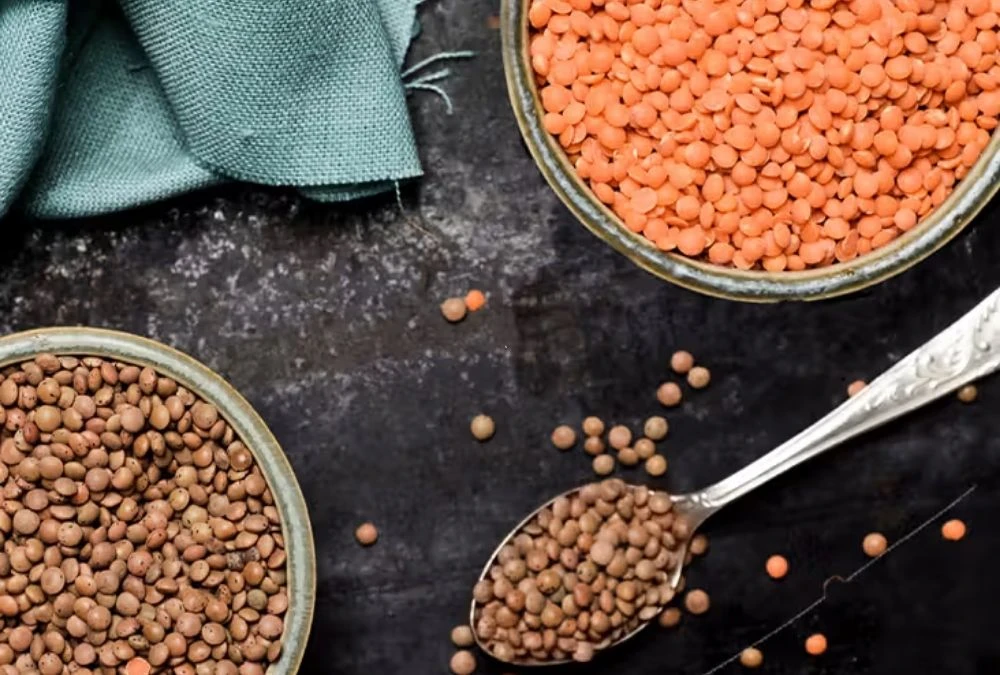
Lentils combine plant protein, fiber, folate, iron, and potassium in an inexpensive pantry staple. Folate participates in normal cell division and the metabolism of homocysteine, an amino acid studied in relation to cardiovascular and cognitive health.
Elevated homocysteine levels have been associated with certain health risks, although lowering them with vitamin supplements has not consistently improved cognition. The value of lentils comes from their broader nutritional profile rather than a single laboratory marker.
Their fiber also supports digestive health and can help with cholesterol and blood sugar management. Those benefits matter because diabetes and vascular disease are associated with increased cognitive risk.
Try half a cup of cooked lentils in soup, salad, or a vegetable stew three times weekly. Canned lentils are convenient; rinsing them can reduce some of the added sodium.
Grocery Swaps That Make Brain-Friendly Eating Easier
| Instead of | Try | Why the change may help |
|---|---|---|
| Sugary breakfast cereal | Plain oatmeal with berries | More soluble fiber and less added sugar |
| Butter as the main cooking fat | Extra virgin olive oil | More unsaturated fat |
| Processed meat sandwich | Lentils or sardines with vegetables | More fiber or omega-3 fats, depending on the choice |
| Candy for an afternoon snack | Unsalted walnuts or almonds | More healthy fats, protein, and minerals |
| Sweetened fruit drink | Whole strawberries or blueberries | Fiber and less concentrated added sugar |
| Refined white bread | Whole grain bread | More fiber and naturally occurring nutrients |
These swaps are not a guarantee against cognitive decline. Their main purpose is to improve dietary quality and support cardiovascular and metabolic health over time.
Dietary needs are not identical for everyone. If you have kidney disease, take warfarin, have food allergies, or follow a medically prescribed diet, ask your healthcare team which foods and portions are appropriate before making major changes.
13. Avocados Combine Healthy Fats With Lutein
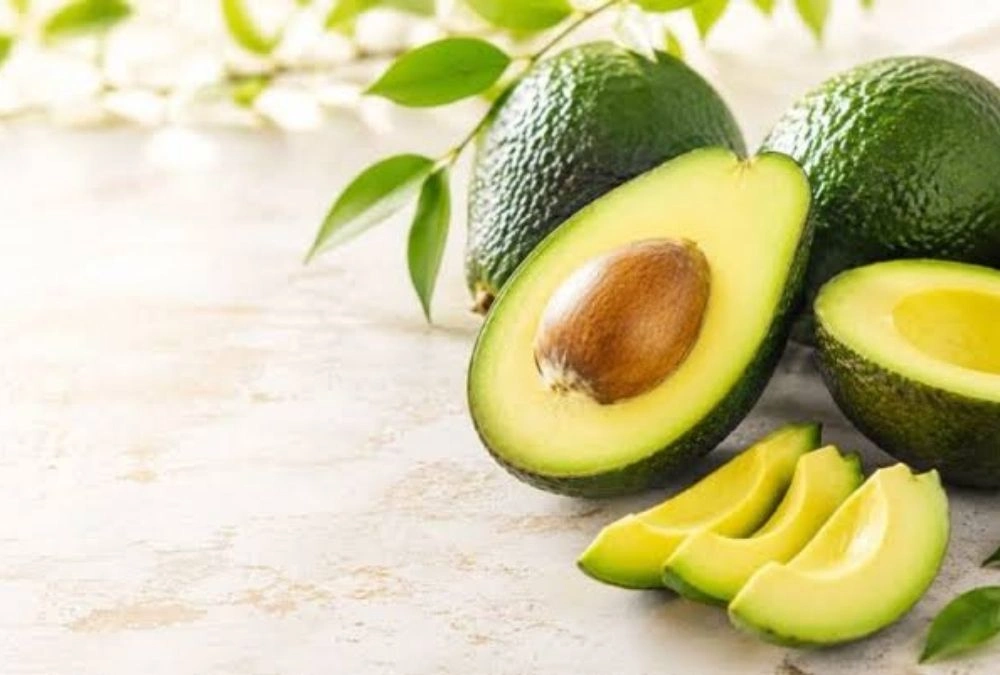
Avocados contain monounsaturated fats, fiber, potassium, and lutein. Lutein attracts research interest because it accumulates in certain tissues, including the retina and brain.
Some studies have examined whether greater lutein intake is related to cognitive performance. However, evidence that avocados themselves produce lasting improvements in memory remains limited.
Their more established advantage is nutritional versatility. Avocados can replace foods high in saturated fat while making meals more satisfying.
Try one quarter to one half of an avocado on whole grain toast or sliced into a fat-soluble salad. Pairing avocado with vegetables can also help the body absorb certain fat-soluble carotenoids.
14. Oranges Give the Brain a Source of Vitamin C
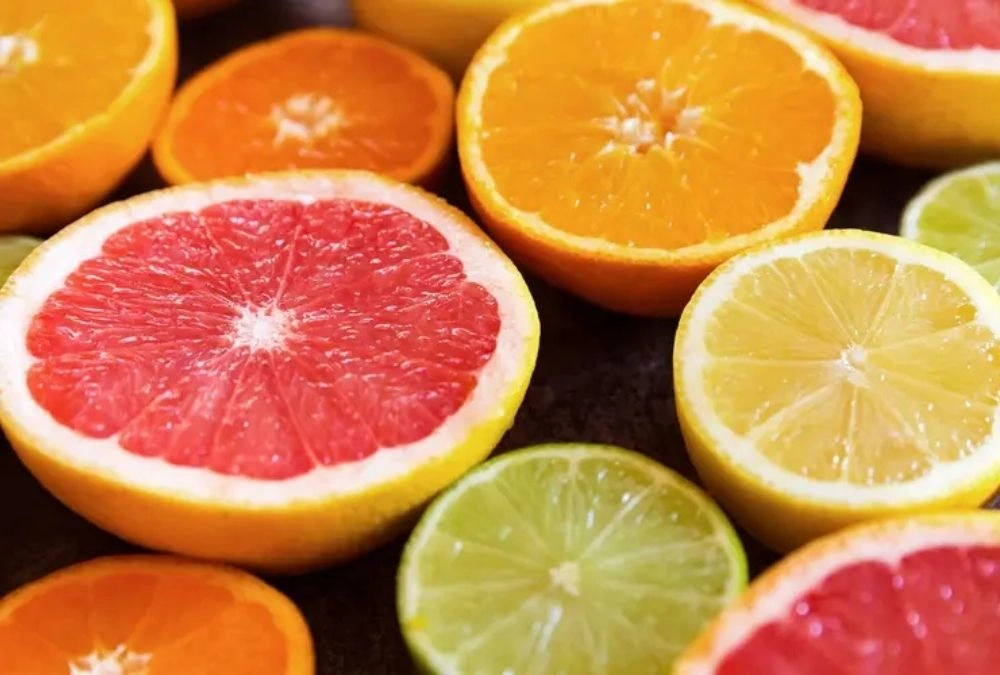
Oranges provide vitamin C, fiber, folate, and several plant compounds. Vitamin C helps protect cells from oxidative damage and participates in the production of certain neurotransmitters.
The brain maintains vitamin C concentrations for normal physiological functions. Severe deficiency can affect overall health, but there is no reliable evidence that consuming unusually large amounts gives healthy people superior memory.
Whole oranges offer an advantage over many fruit juices because they contain more intact fiber. Fiber can slow the absorption of carbohydrates and support digestive health.
Enjoy one medium orange as a snack or add orange segments to a spinach salad. People managing diabetes can include fruit in their diet while considering portion size and total carbohydrate intake.
15. Almonds Supply Vitamin E Without a Fat-soluble Bottle
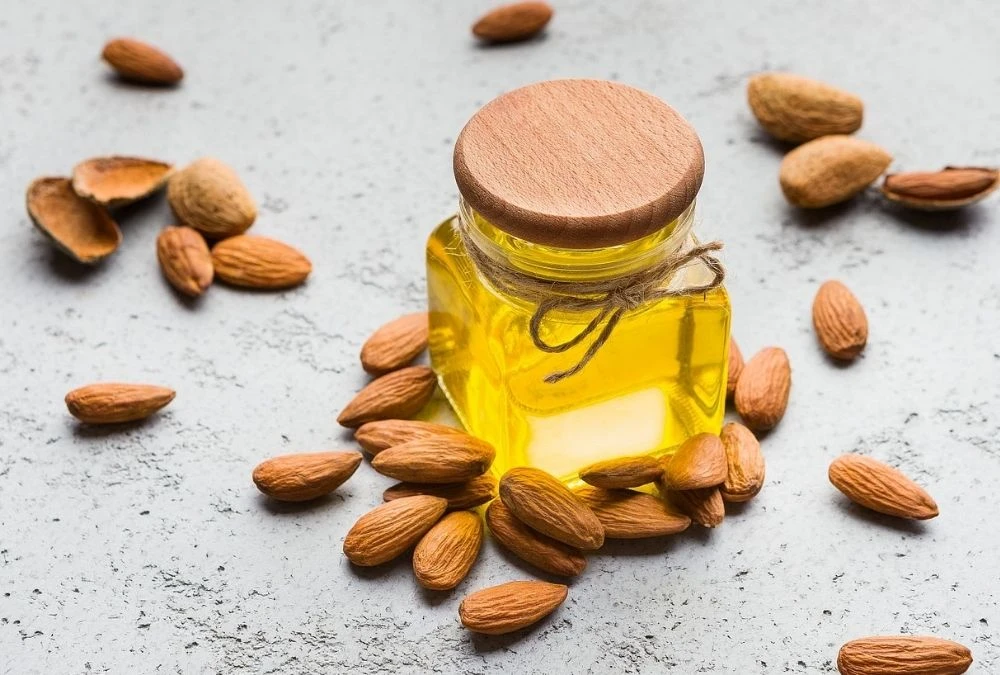
Almonds are one of the better common food sources of vitamin E. This fat-soluble antioxidant helps protect cell membranes from oxidative damage.
Oxidative stress is one of several processes researchers study in relation to aging and neurodegenerative diseases. However, taking large doses of vitamin E supplements has not been shown to reliably prevent Alzheimer’s disease or improve cognition.
That distinction makes whole foods especially appealing. Almonds also provide fiber, magnesium, and unsaturated fat, rather than delivering one isolated nutrient.
A one-ounce serving, around 23 almonds, provides approximately 7 milligrams of vitamin E. Eat them as a snack or add chopped almonds to vegetables and whole-grain dishes.
16. Kale Brings Several Nutrients Together in One Leafy Green
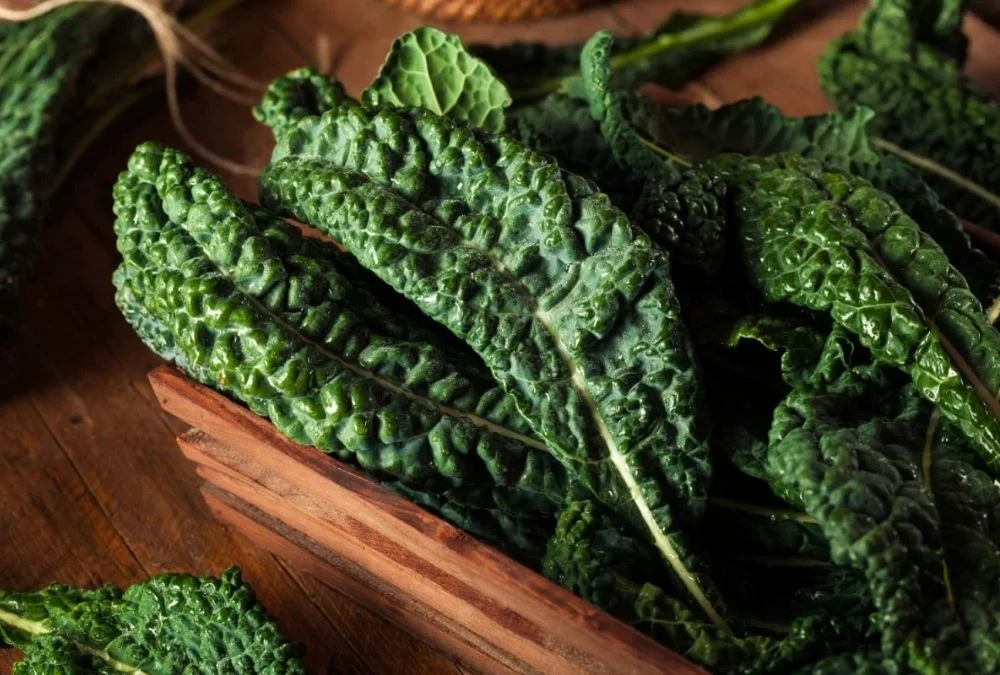
Kale contains vitamin K, lutein, beta-carotene, vitamin C, and folate. It belongs to the same broad group of leafy greens associated with slower cognitive decline in observational research.
These nutrients support different parts of normal physiology, from cell function to antioxidant defenses. Researchers suspect that their combined presence may help explain why diets rich in leafy greens are linked with better aging outcomes.
Still, studies do not establish whether one particular nutrient, several nutrients, food-based patterns, or other healthy habits account for the association. That is one reason food-based eating patterns receive more attention than individual supplements.
Add a cup of chopped kale to soup or sauté it with garlic and olive oil. People taking warfarin should keep vitamin K intake consistent and discuss significant dietary changes with their anticoagulation care team.
17. Turmeric Is Interesting, but the Claims Need Perspective

Turmeric contains curcumin, a yellow plant compound studied for its effects on inflammation and oxidative stress. Laboratory experiments suggest curcumin can influence several biological pathways involved in cellular health.
Some researchers have also investigated curcumin’s effects on proteins associated with Alzheimer’s disease. However, promising results in cells or animals do not automatically translate into meaningful benefits for people.
The National Center for Complementary and Integrative Health reports that human research on curcumin and cognitive outcomes remains limited and inconsistent. There is currently insufficient evidence to recommend turmeric supplements for preventing dementia.
Use turmeric as a seasoning in lentil soup, roasted vegetables, or rice dishes. A small amount in everyday cooking is different from taking concentrated supplements, which may cause side effects or interact with medications.
18. Dark Chocolate Contains Compounds Researchers Still Study

Dark chocolate contains cocoa flavanols, including epicatechin. These plant compounds have attracted interest because they may influence nitric oxide signaling and blood vessel function.
Nitric oxide helps blood vessels relax, potentially affecting circulation. Since healthy circulation matters to the brain, scientists have investigated whether cocoa flavanols might improve cognitive performance.
However, a randomized trial involving 573 older adults found no overall improvement in cognitive performance from cocoa extract supplementation compared with placebo over two years. The study tested a concentrated extract, not ordinary chocolate bars.
If you enjoy dark chocolate, choose a small portion of around one ounce and account for its calories and saturated fat. Higher cocoa percentages may mean less added sugar, but they do not guarantee meaningful memory benefits.
19. Green Tea May Help Attention in the Short Term

Green tea contains caffeine, L-theanine, and plant compounds called catechins. Caffeine can temporarily increase L-theanine by blocking adenosine receptors, which normally help regulate sleepiness.
L-theanine is an amino acid studied for its effects on relaxation and attention. Researchers have explored whether the combination of caffeine and L-theanine influences certain mental tasks, although study results vary.
Green tea also contains catechins, including EGCG, which are being investigated for antioxidant and cellular effects. These findings are interesting, but drinking green tea has not been proven to prevent dementia.
Try one or two cups of unsweetened green tea earlier in the day if you tolerate caffeine. People sensitive to caffeine, those with certain heart conditions, and anyone with brain-friendly concerns may need to limit intake.
How to Turn These 19 Foods Into a Weekly Brain-Friendly Grocery List

You do not need to eat all 19 foods every day. A more realistic approach is to build meals around several food groups and repeat those habits throughout the week.
The Alzheimer’s Association provides a MIND diet food tracker with serving targets for vegetables, berries, nuts, legumes, whole grains, fish, and olive oil. These targets offer a useful planning framework, not a guaranteed prescription for preventing memory loss.
Your Weekly Shopping Reference
| Food group | Example shopping choices | Suggested frequency |
|---|---|---|
| Leafy greens | Spinach, kale | 1 serving daily |
| Other vegetables | Broccoli and other vegetables | At least 1 serving daily |
| Berries | Blueberries, strawberries | 5 servings weekly |
| Nuts | Walnuts, almonds | 5 one-ounce servings weekly |
| Beans and legumes | Lentils | 3 half-cup servings weekly |
| Whole grains | Oatmeal, whole grain bread | 3 servings daily |
| Fish | Salmon, sardines | At least 1 serving weekly |
| Olive oil | Extra virgin olive oil | Use regularly in suitable meals |
These frequencies reflect the Alzheimer’s Association’s published MIND diet tracker. They are dietary pattern goals, and portions may need adjustment for calorie needs, medical conditions, or other nutritional requirements.
A Simple Day of Brain-Friendly Eating
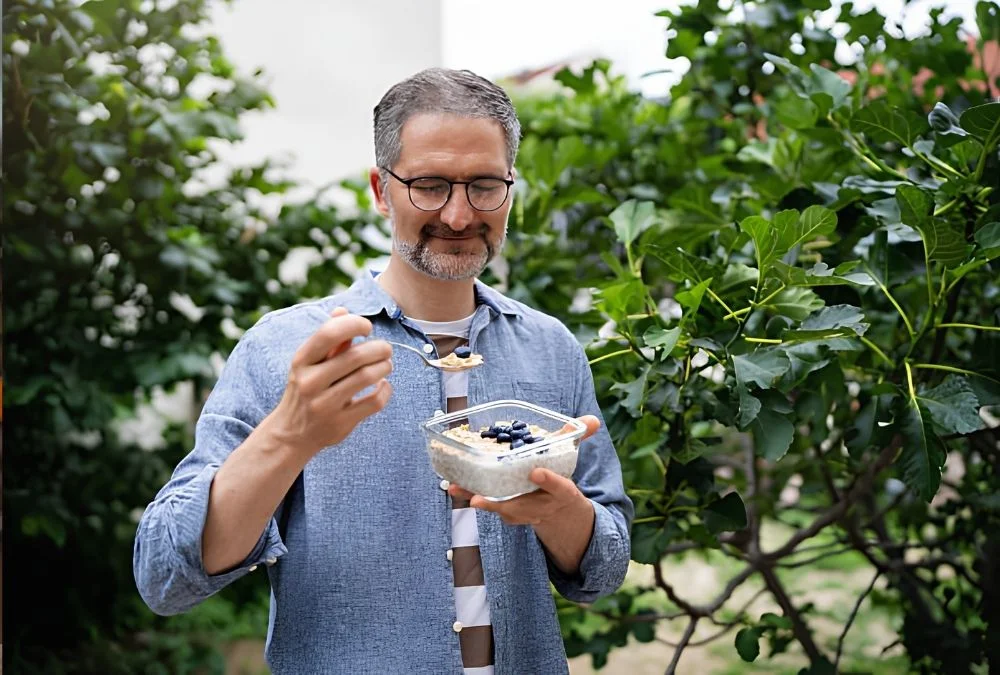
Breakfast could be oatmeal topped with blueberries and chopped walnuts. This combines whole grains, fiber, unsaturated fats, and naturally occurring plant compounds in one meal.
Lunch might include a spinach salad with lentils, avocado, and an olive oil dressing. It provides folate, fiber, and healthy fats without requiring expensive ingredients.
For dinner, serve baked salmon with broccoli and a whole-grain side. On another evening, canned sardines or a lentil stew can provide a convenient alternative.
Snacks might include strawberries, an orange, or a small portion of almonds. Unsweetened green tea can replace a sugary drink for people who tolerate caffeine.
Five Small Habits Worth Keeping

Your Brain-Friendly Grocery Routine
- Start with one serving of greens: Add spinach to breakfast or include a leafy salad at lunch.
- Keep berries in the freezer: Use half a cup in oatmeal or yogurt on five days each week.
- Plan fish before shopping: Schedule one or two meals featuring salmon, sardines, or another suitable fish.
- Make a simple snack swap: Replace one processed snack with a small handful of unsalted nuts.
- Use beans and whole grains regularly: Prepare lentils or oatmeal in advance to make nutritious meals easier.
These habits work best when they become part of a balanced routine. Sleep, physical activity, blood pressure management, and social connection also matter for maintaining cognitive health.
A large study discussed by Harvard Health in March 2026 examined six healthy dietary patterns and their links with long-term brain health. The broader finding reinforces that dietary quality matters across different healthy eating approaches, not just one strict menu.
The Bigger Lesson Researchers Want People to Understand

The strongest message from brain nutrition research is not that blueberries outperform spinach or that salmon can erase years of cognitive aging. It is that nutritious eating patterns bring several potentially beneficial factors together.
Vegetables provide vitamins and plant compounds. Fish and nuts offer healthy fats, while beans and whole grains contribute fiber that supports metabolic and cardiovascular health.
A person who consistently eats these foods may also replace some less nutritious choices. Over time, that change can improve dietary quality and help manage health factors connected to cognitive aging.
However, scientific uncertainty remains. Even the three-year randomized MIND diet trial did not find significantly better cognitive outcomes than its comparison diet, despite encouraging findings from earlier observational studies.
That does not make healthy eating pointless. It means people should view these foods as one part of caring for the brain, alongside exercise, good sleep, appropriate medical care, and management of vascular risk factors.
Start with three or four foods you already enjoy, then gradually add others. The goal is not a perfect grocery cart but a pattern of eating that is nutritious, affordable, and sustainable.
