
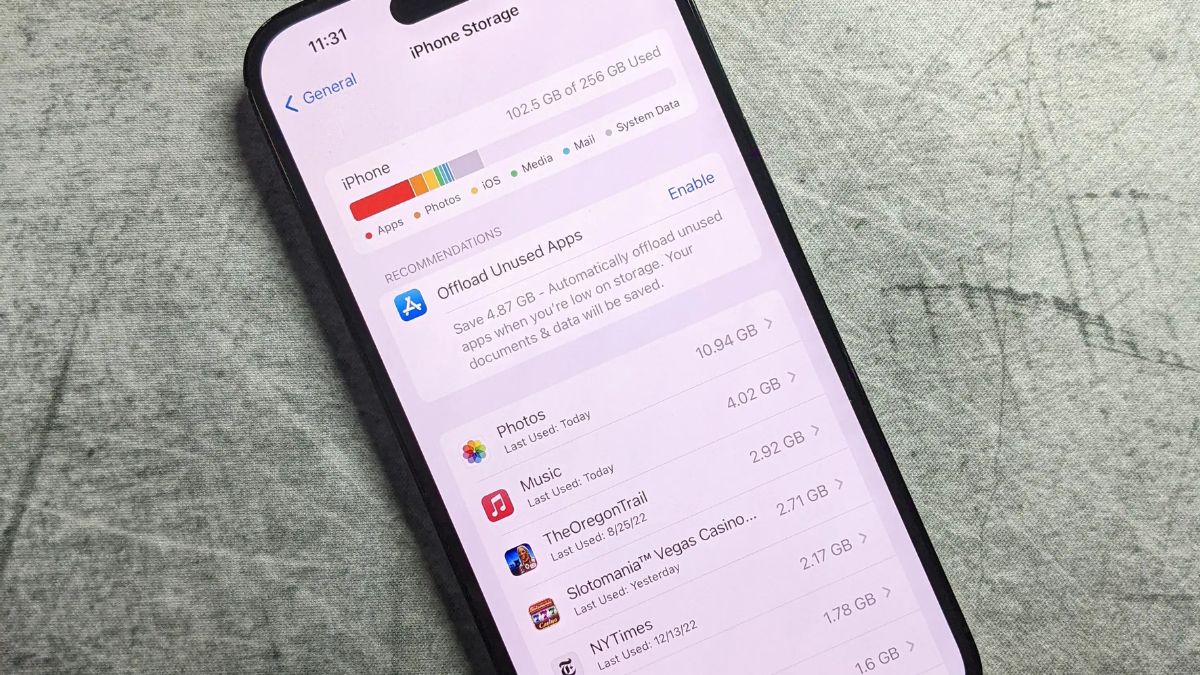
You just spent an hour deleting photos, removing apps, and clearing files but your iPhone still says storage is full. You check Settings. The storage bar barely moved. Maybe you freed 2GB out of the 30GB you just deleted. It makes no sense. iOS doesn’t immediately show accurate storage after you delete things.
Software bugs delay the calculation. Your Recently Deleted folder is holding everything for 30 days. App cache rebuilds itself. And ghost files leftover data from stuff you deleted months ago are hiding.
Hidden storage hogs eating your iPhone alive. System Data balloons to 30 to 45GB on iOS 18 to 26 for no clear reason. Most people get 10 to 20GB back using these methods. Nuclear option factory reset for when nothing else works.
1. Empty Your Recently Deleted Folders
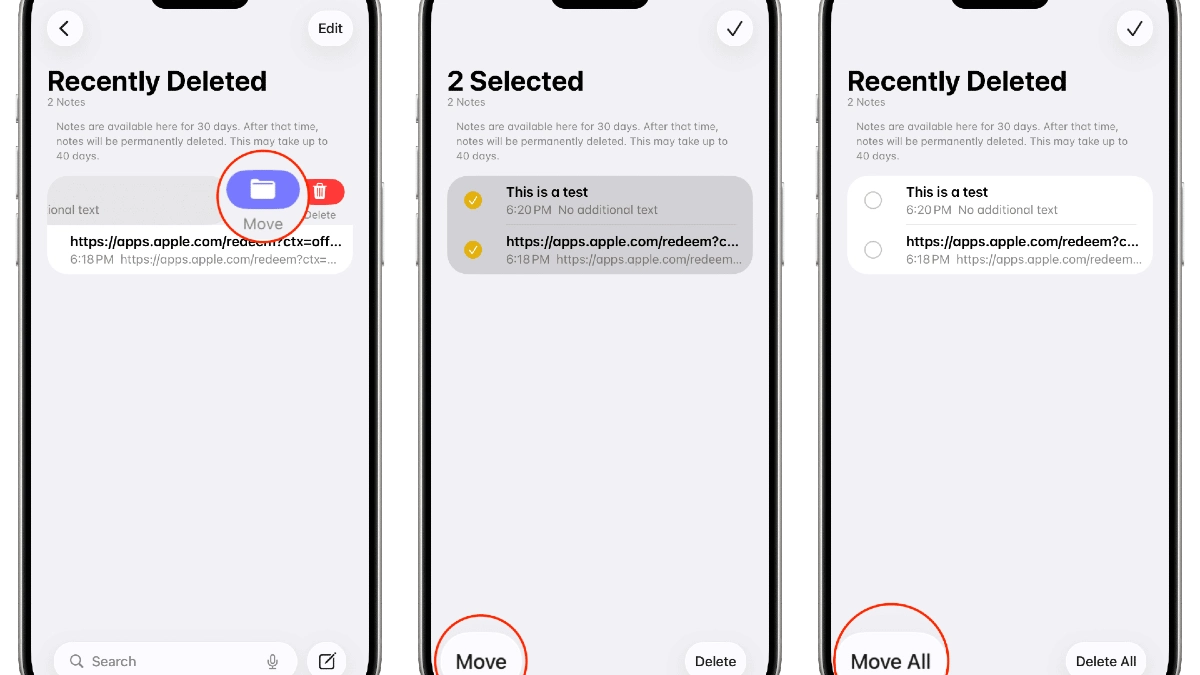
You deleted those photos last week. Your storage should be free, right. Apple keeps them for 30 more days in a hidden folder called recently deleted. Deleted pictures move to the recently deleted album and stay there for so storage isn’t freed up yet iBoysoft.
Your iPhone counts them against your storage the time. Delete 20GB of vacation photos. Files hang around for 40 days. Voice Memos stick around. Most people don’t know these folders exist. Apple buries them deep in each app.
Clear Recently Deleted in Photos
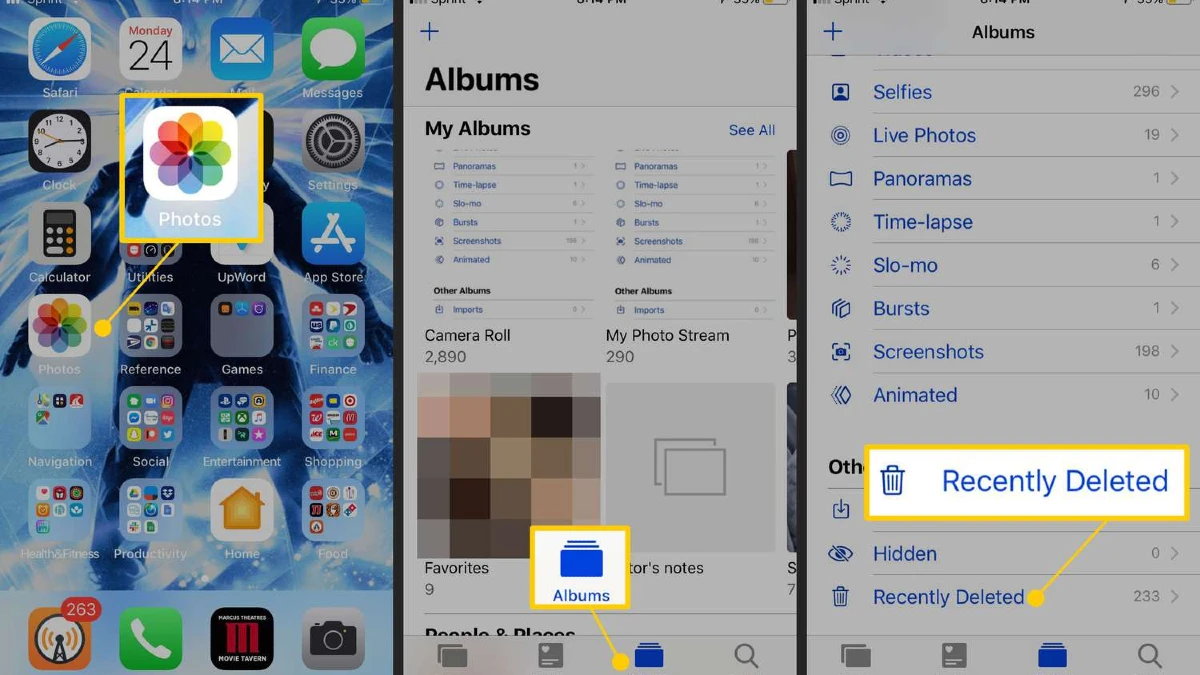
Open the Photos app, Tap the Albums tab at the bottom, Scroll all the way down to Utilities, Tap Recently Deleted, Tap Select in the top right, Tap Delete All at the bottom left, Tap Delete to confirm. Your storage should jump up immediately. Check Settings, General, iPhone Storage to see the change.
Clear Recently Deleted in Files
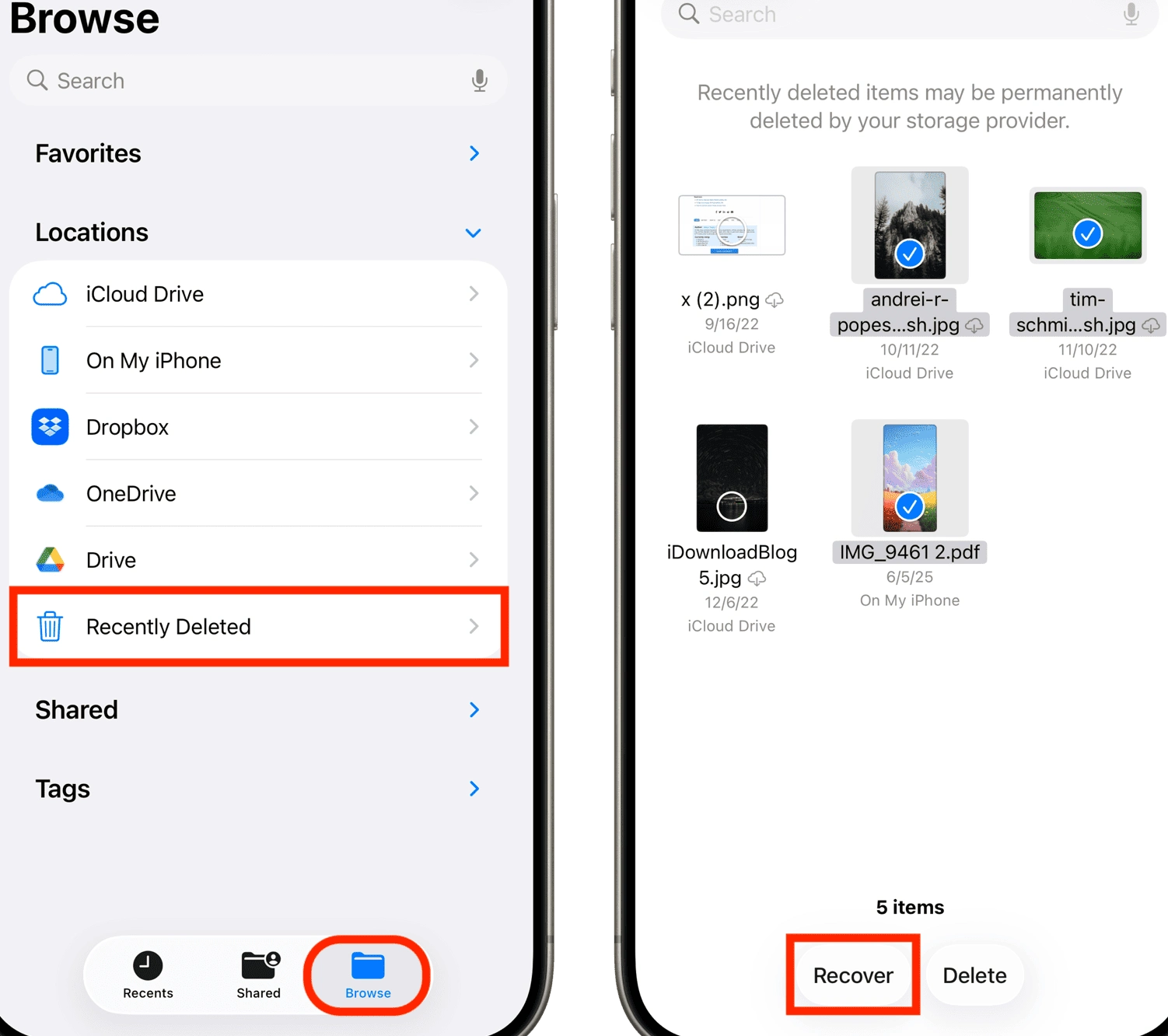
Files keeps deleted documents for 40 days. Open the Files app, Tap Browse at the bottom right, Scroll down and tap recently deleted, Tap the three dots in the top right, Choose Select All,Tap Delete All, Confirm the deletion.
2. Clear System Data by Targeting App Cache

Apps are lying to you about their size.But check your iPhone Storage and it’s using 4GB. Spotify claims 200MB. It’s eating 3GB. The difference is cache. Apps save temporary files every time you use them. Videos you watched. Photos you scrolled past. Songs you streamed. All stored on your phone for faster loading next time.
Discord 7GBs worth Apple Community. These files pile up and never get deleted. Your iPhone counts this as System Data or Documents to Data. And social apps cache videos while iMessage hoards media mac observer.
Which Apps Are The Worst Offenders?
Open Settings, Tap General, Tap iPhone Storage, Wait for the list to load, Number under each app name. If it says Documents Data 3GB but the app itself is only 200MB that’s cache. Clear safari cache.
Safari stores every website you visit. Open Settings, Scroll down and tap Safari, Scroll down to Clear History and Website Data, Tap it, Choose your time range, Tap Clear History. Your browsing history disappears too.
Clean Up Messages Attachments
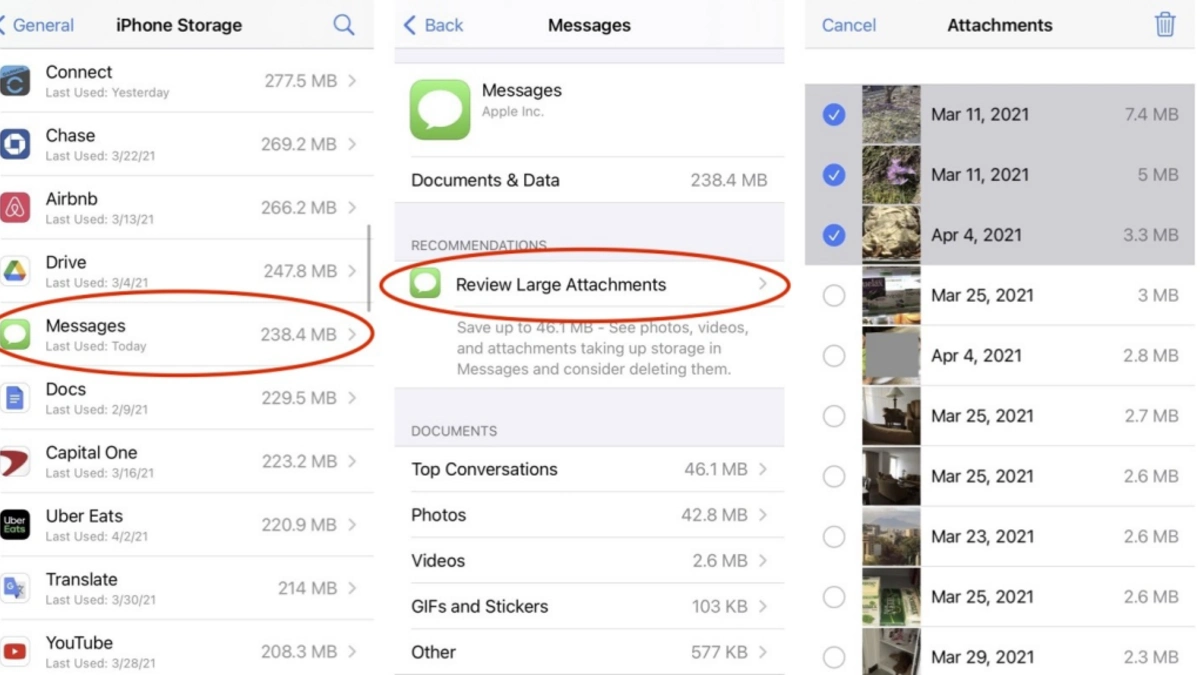
Every photo, video, and voice message you send or receive lives in Messages forever. Unless you delete it manually. Go to Settings, General, iPhone Storage, Scroll down and tap Messages, Tap Review Large Attachments, File sizes on the right, Swipe left on big files you don’t need, Tap Delete. Videos eat the most space.
3. Recently Deleted Trap

iPhone, those photos and videos don’t actually disappear. They move to a hidden folder called Recently Deleted. Most people have no idea this folder exists. You delete 100 photos, check your storage, and nothing changes. Deleted files count against your total storage the entire time.
Where This Folder Hides ?
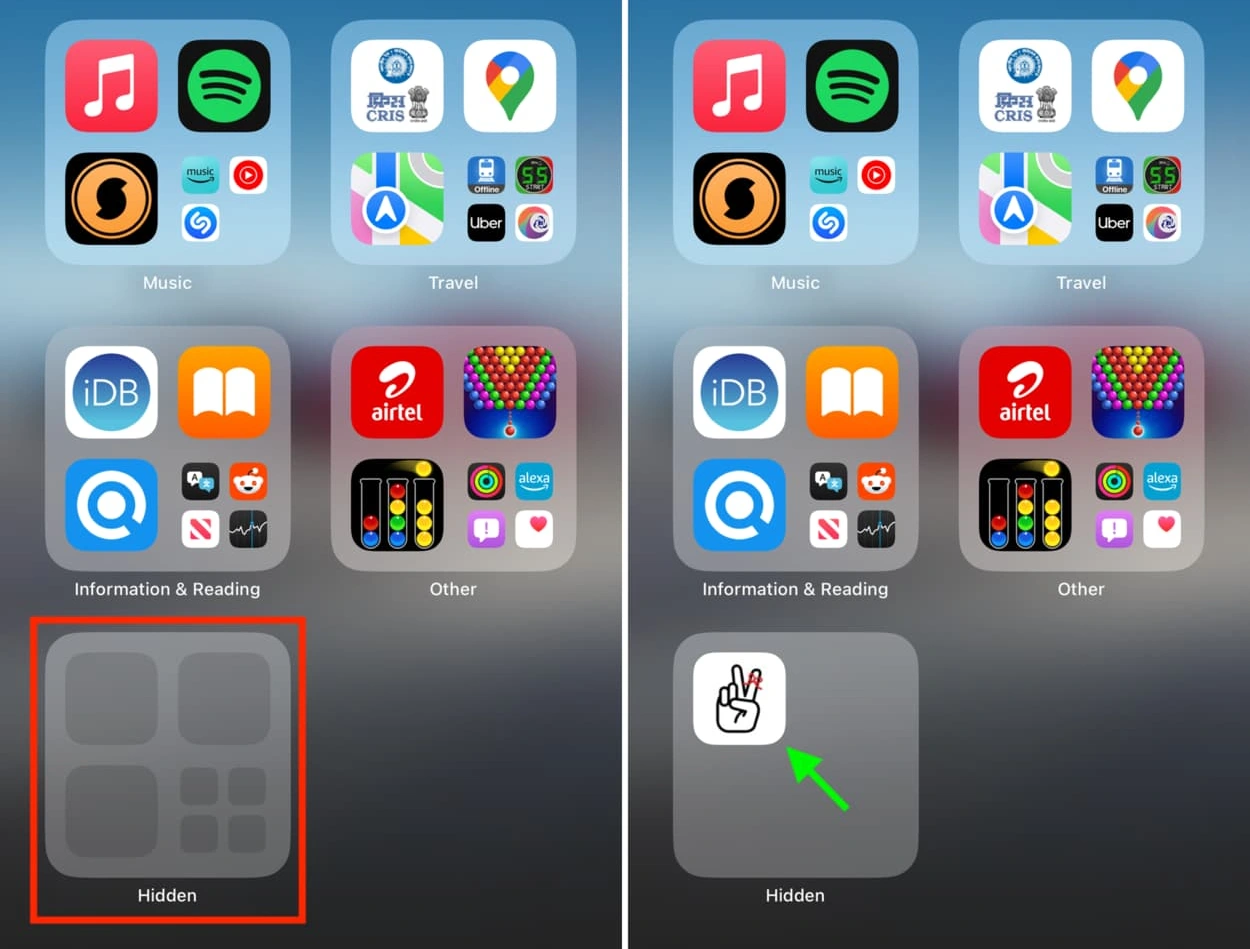
Apple buried the Recently Deleted folder inside the Photos app. Tap Albums at the bottom. Scroll all the way down to a section called Utilities. There it is Recently Deleted. Photos and videos you deleted weeks ago. Maybe months ago if you haven’t cleared it before. All of them still taking up space on your phone.
How to Actually Delete Your Photos?
Open the Photos app, Tap Albums at the bottom of the screen. Scroll down to the Utilities section. Tap Recently Deleted. Tap Delete All bottom left corner. Confirm by tapping Delete Items. Settings,General, iPhone Storage.
Gigabytes return almost instantly. Sometimes it takes a minute for iOS to recalculate. The Recently Deleted folder will refill. Photos you delete tomorrow will sit there for 30 days. Just come back and clear it again next month.
4. System Data
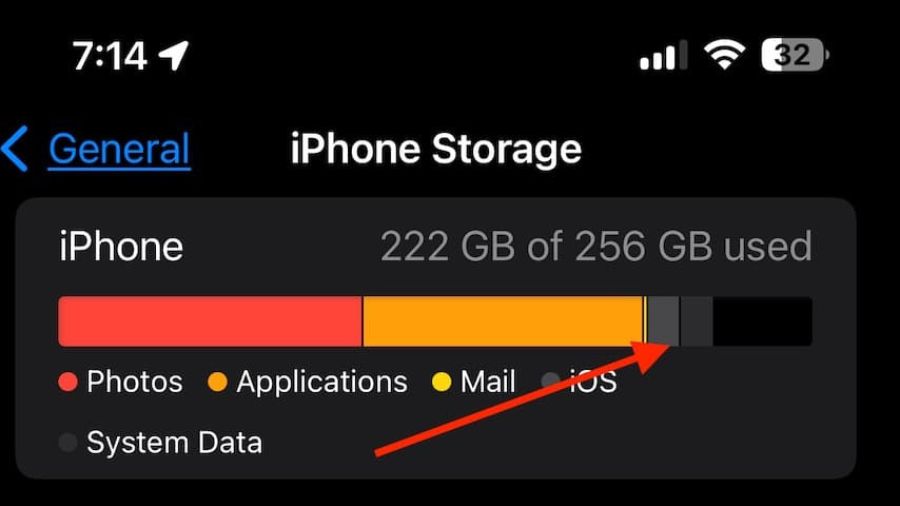
System Data is why your 128GB iPhone suddenly has only 10GB free, even though you barely have any apps or photos. Go check yours right now. Settings, General, iPhone Storage. Some people report 60GB or more. That’s 60 gigabytes of invisible files you can’t see, can’t access, and Apple won’t let you delete directly.
What’s Actually Inside System Data?
System Data is iOS’s junk drawer. App caches that pile up over time. System logs nobody ever reads. Siri voice files in multiple languages. Downloaded fonts and dictionaries. Temporary files that stopped being temporary. Your CloudKit database. Old message attachments you forgot about.
iOS 18 and iOS 26. Users who upgraded saw their System Data balloon from 10GB to 30 to 45GB overnight. System Data eats about 30% of your storage. When it goes wrong, it consumes 60% or more. You’re paying for storage you can’t use.
Why iOS Won’t Clean It Up
iOS is supposed to manage System Data automatically. When you’re low on storage, iOS should clear out old caches and temporary files. Every photo, video, and GIF you’ve ever sent or received gets stored. Forever. In System Data. Apple hides these files from you. There’s no Clear System Data button in Settings.
5. App Cache and Documents & Data
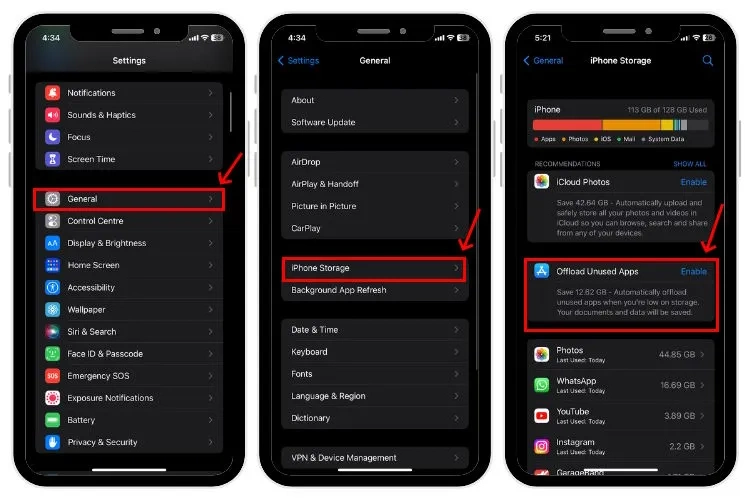
Your apps are lying to you about their size. 250MB in the App Store. It’s eating 4GB. Check your storage, it’s actually 5GB. The difference is something called Documents, Data. It’s everything your apps store beyond the app itself cached videos.
Browsing history, cookies, temporary files, login data, downloaded content, and logs that pile up for months.Your apps are digital hoarders, keeping files “just in case” you want them again.
Apple’s Annoying Non Solution
Apple doesn’t give you a Clear Cache button. Clear cache option buried in their settings. Most don’t. You’re stuck with one option delete the entire app and reinstall it.
How to Clear App Cache ?
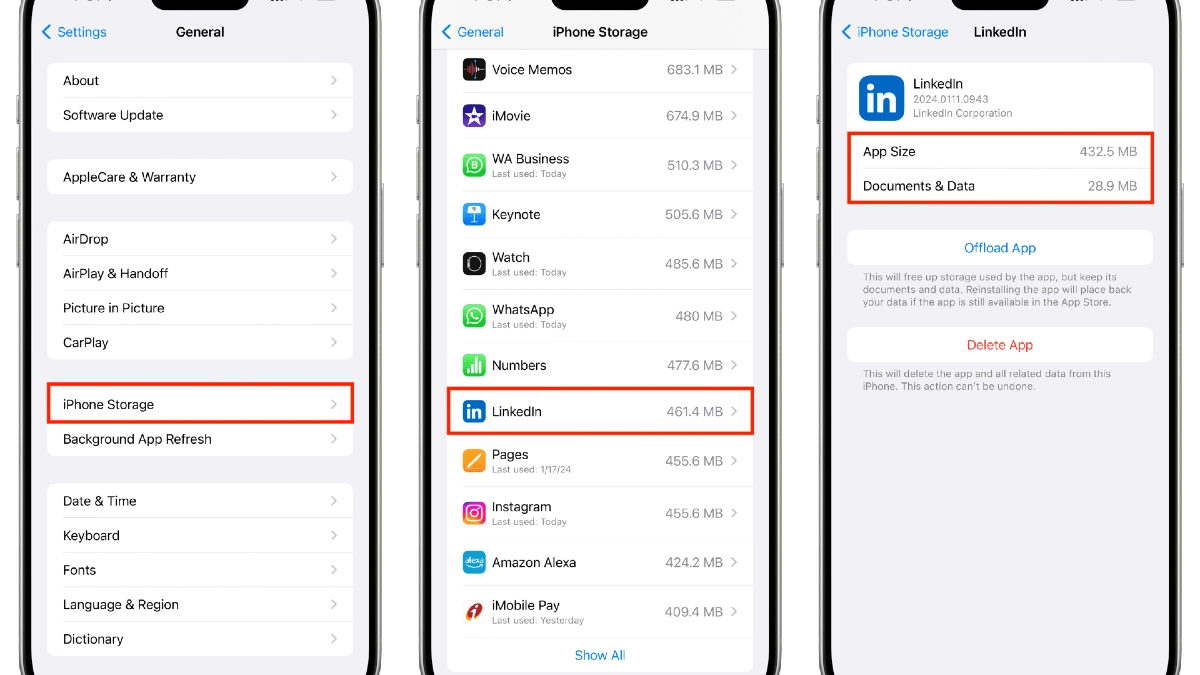
Go to Settings, General, iPhone Storage. Scroll through your apps. Look for ones taking up huge space. Tap each one. App size and Documents, Data. Then reinstall it from the App Store.
The app size stays the same. Documents & Data drops to almost nothing. You just recovered gigabytes. You lose your login, your settings, and any downloaded content.
6. Ghost Files
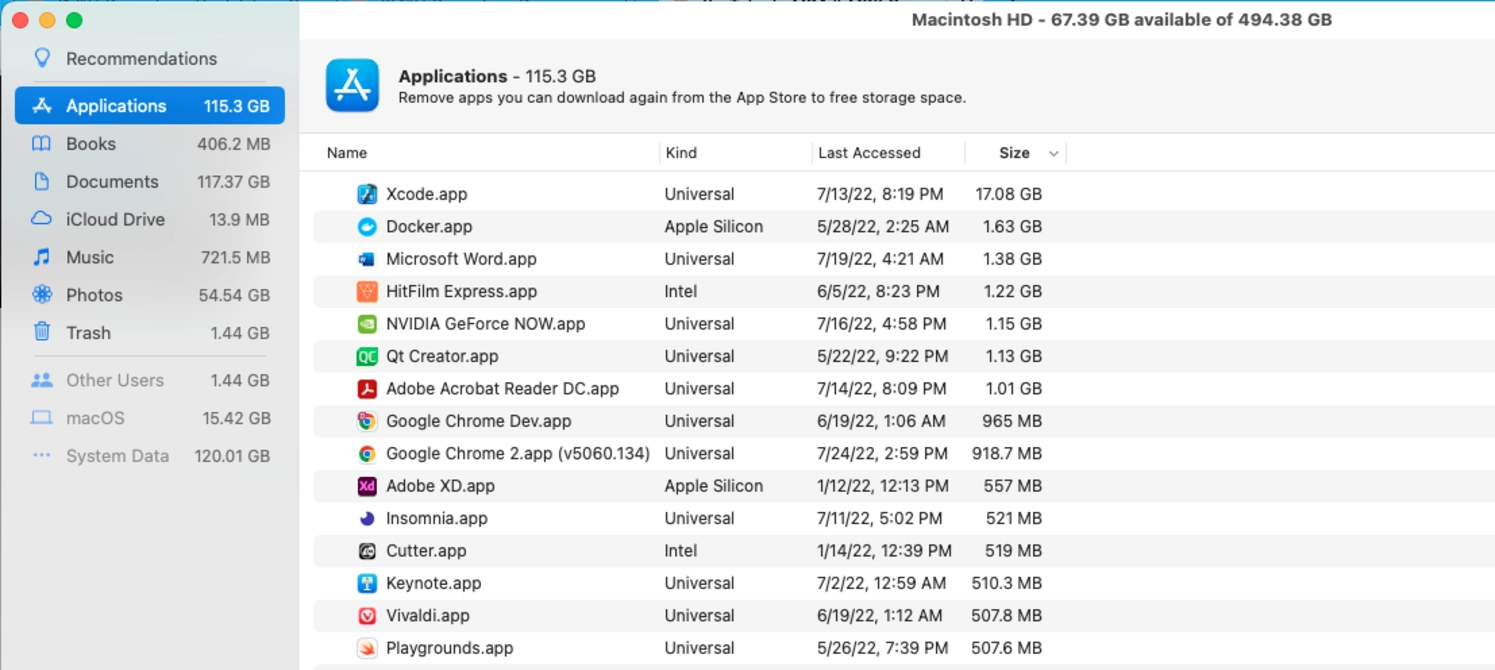
Ghost files are leftovers from stuff you already deleted. You removed an app six months ago. Some of its data might still be hiding on your iPhone. You deleted photos last year. They don’t appear in your file system. You can’t find them by searching. But they’re there, eating storage in the background.
Apple’s file system sometimes fails to fully delete things. When you remove an app, pieces get left behind. When you delete media files, iOS marks them as deleted but doesn’t always wipe them completely. Over time, these ghost files add up.
How to Make Ghost Files Visible ?
Date change trick that shrinks System Data also reveals ghost files. iPhone’s date to the past, iOS gets confused and resurfaces old deleted files that were supposed to be gone.
Change your date backward Go to Settings, General, Date, Time. Turn off Set Automatically. Change the date to 1 to 2 years in the past. Check Recently Deleted Open the Photos app. Go to Albums, Recently Deleted. Photos and videos you deleted months or even years ago might show up again. These are ghost files to copies iOS kept hidden.
