
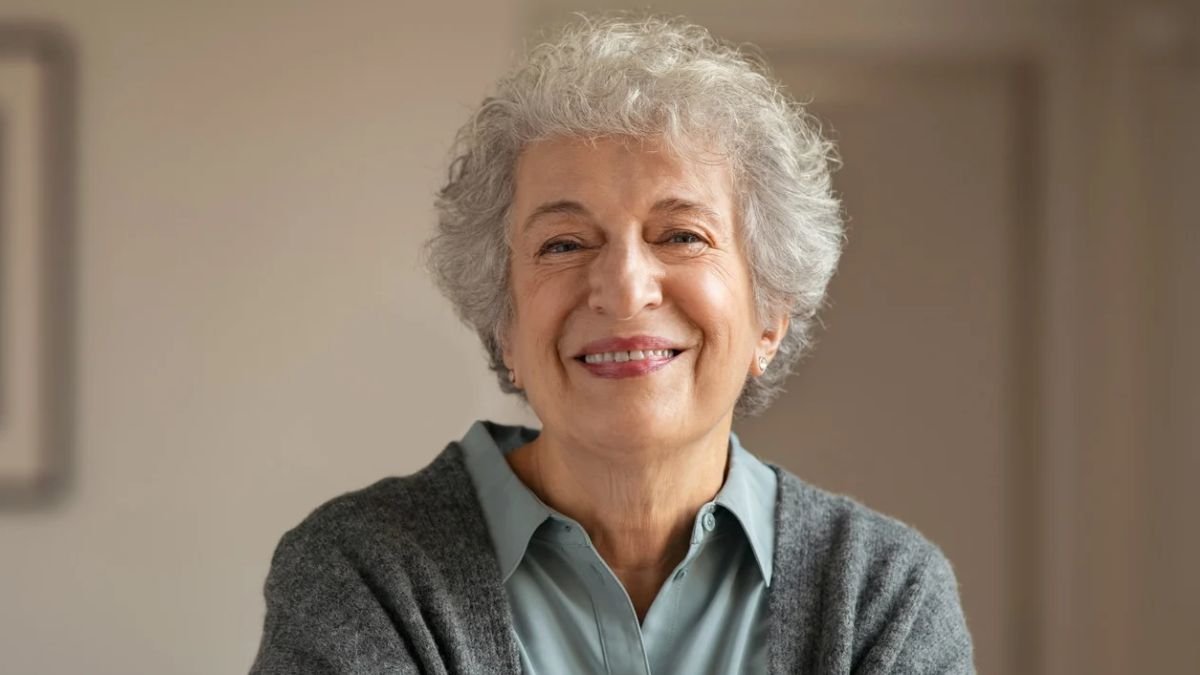
For many older adults, the fear is not simply forgetting where the keys went. It is wondering whether today’s small memory slip could become Alzheimer’s years from now.
Hattie has already watched that happen to someone she loved. Now 104, she says her approach to trying to avoid getting Alzheimer’s began after watching her older sister Pearl gradually lose the memory and abilities that once made her remarkably sharp.
Hattie did not turn to a miracle supplement or an unusual diet. She built her life around six ordinary habits, and several of them overlap surprisingly well with what researchers now study for healthier brain aging.
No habit can guarantee that someone will prevent Alzheimer’s disease. Age, genetics, cardiovascular health, environment, and many other factors affect risk, and researchers still cannot predict with certainty who will or will not develop the disease.
Watching Her Sister Changed Everything
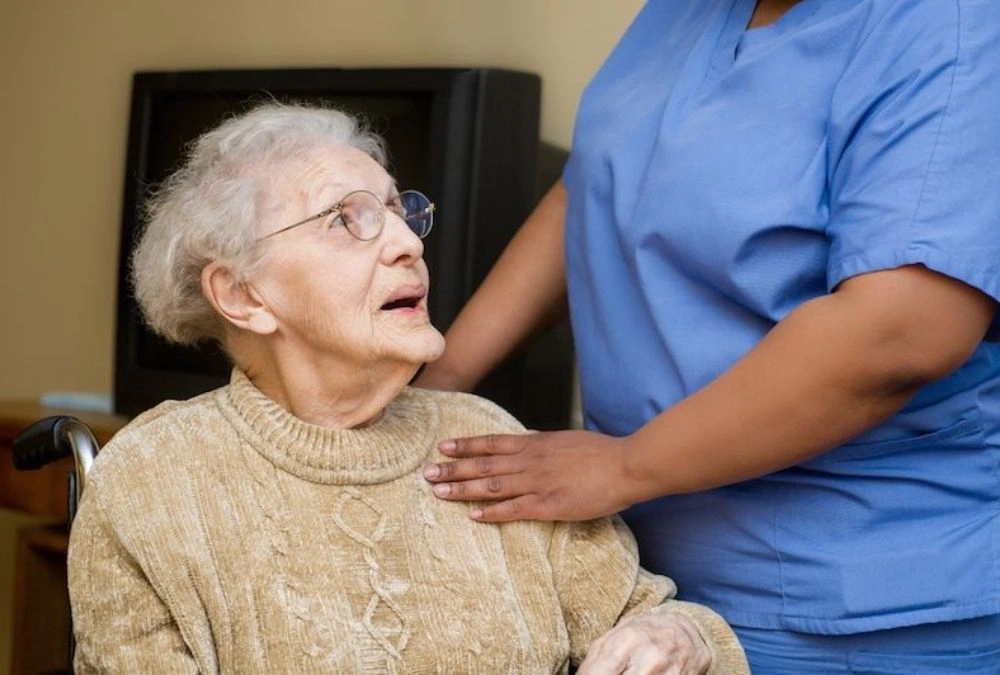
Hattie remembers Pearl as the naturally gifted sister. Pearl could play piano by ear, calculate numbers in her head, and remember names, recipes, dates, and conversations from decades earlier.
Then things changed.
Hattie says Pearl began forgetting small things around age 80. Within several years, according to Hattie’s account, she no longer recognized close family members and eventually struggled with basic tasks.
That experience frightened Hattie enough to change how she thought about aging. She decided that as long as she was able, she would keep giving her brain reasons to work.
Researchers would not say Pearl’s lifestyle caused her dementia. Alzheimer’s develops through a complex mix of biological and environmental influences, and even people who follow healthy routines can develop the disease.
Still, Hattie’s response is interesting because the habits she describes touch several areas now being investigated as possible ways to protect cognitive health.
Hattie’s Six Habits at a Glance
| Hattie’s Habit | What She Does | What Research Suggests | Practical Starting Point |
|---|---|---|---|
| Mental challenge | Plays difficult piano pieces, memorizes scripture, completes hard crosswords | Mental stimulation is associated with healthier cognitive aging, although it has not been proven to prevent Alzheimer’s | Learn something that requires concentration for 15 to 30 minutes |
| Social contact | Church, weekly card games, family contact | Social isolation is considered a potentially modifiable dementia risk factor | Schedule one meaningful conversation or activity regularly |
| Daily movement | Walks around her home, to the mailbox, and around the block | Physical activity is linked with cardiovascular and brain health | Build toward regular walking or another safe activity |
| Consistent sleep | Keeps a regular bedtime and wake time | Short and disrupted sleep have been associated with greater dementia risk | Protect a consistent sleep window |
| Simple food | Vegetables, beans, fish, chicken, eggs, rice, homemade foods | Healthy dietary patterns are being studied as part of multidomain brain health strategies | Make minimally processed foods the base of more meals |
| Purpose | Piano, faith, family, teaching, games | Greater purpose has been associated with lower cognitive decline and dementia risk in observational studies | Keep one activity that gives the week meaning |
The First Rule Hattie Refuses to Break: Make the Brain Work
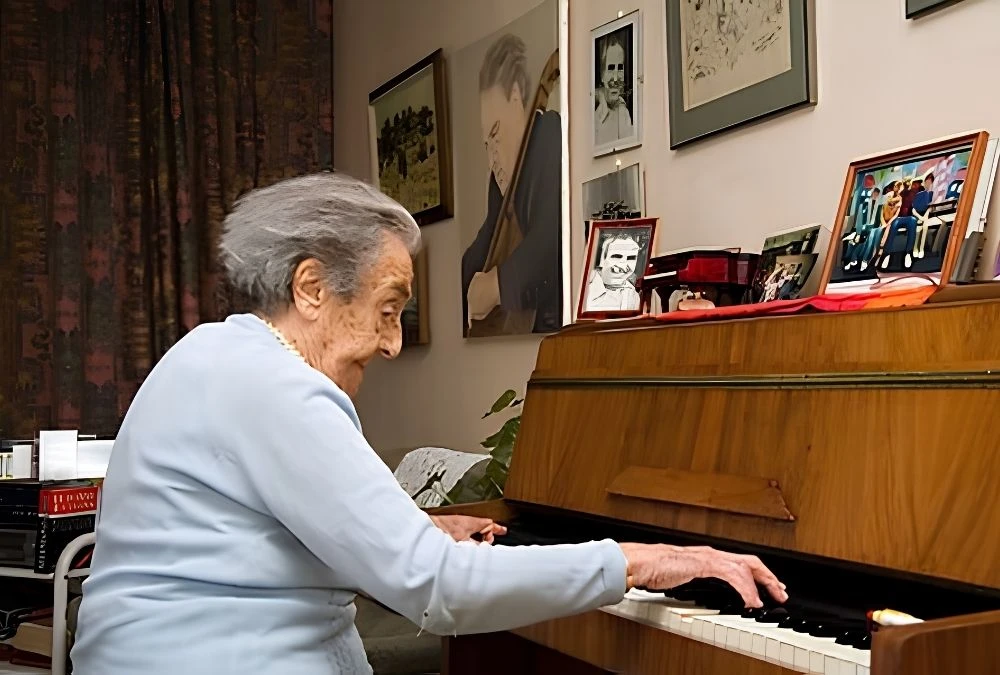
At 104, Hattie still plays piano. She deliberately chooses difficult pieces because easy ones do not demand the same concentration.
She also works on challenging crossword puzzles and continues memorizing scripture. Recently, she says she memorized Psalm 91 simply to prove to herself that she still could.
The idea is not that crossword puzzles wash Alzheimer’s out of the brain. They do not.
Instead, mentally demanding activities repeatedly ask the brain to use attention, memory, language, planning, and problem-solving. NIA lists lack of mental stimulation among lifestyle factors being studied in relation to Alzheimer’s risk, while emphasizing that researchers cannot yet say these changes definitely prevent dementia.
For an older adult, the useful lesson is to keep learning rather than only repeating activities that have become automatic.
That might mean learning a new song, studying a language, joining a book discussion, trying a harder puzzle, taking a class, or learning unfamiliar technology.
Hattie Still Shows Up for People, Even When She Does Not Feel Like It
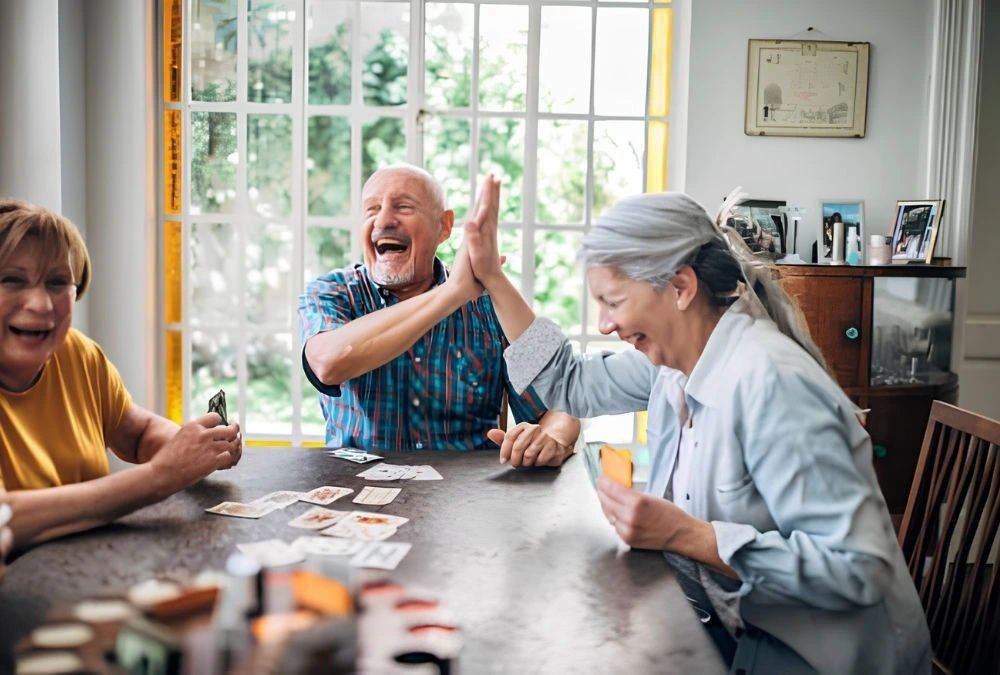
One of Hattie’s funniest rules is also one of her most serious. She plays cards every Thursday with women from church, including one friend she jokes talks too much and may cheat.
She goes anyway.
Hattie believes conversation forces her to remember names, follow stories, read expressions, respond quickly, and stay engaged with the world around her.
Research increasingly gives social connection more attention. The 2024 Lancet Commission identified social isolation among 14 potentially modifiable dementia risk factors and estimated that addressing all 14 across the population could theoretically prevent or delay about 45 percent of dementia cases. That number describes population risk, not a guarantee for any individual.
NIH’s 2026 research report also highlighted studies connecting stronger social engagement with better cognitive outcomes. One study described by NIH followed more than 12,000 adults over age 70 and found persistent loneliness was associated with greater dementia risk, particularly among women.
Hattie’s lesson is simpler: do not disappear from your own life.
Moving the Body May Help the Brain in More Than One Way
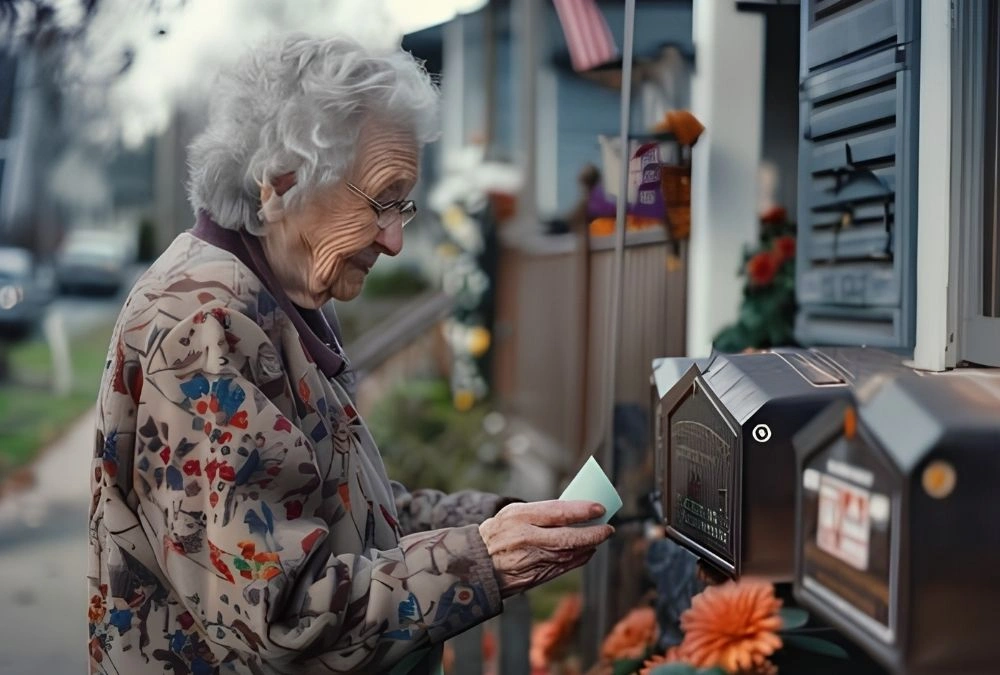
Hattie is clear that she is not running marathons at 104. She walks to the mailbox, around the block when able, and through her home throughout the day.
That matters because the brain depends on a healthy cardiovascular system.
Physical activity can improve heart and blood vessel health, support blood pressure control, help manage blood sugar, and increase blood flow throughout the body. Those same vascular factors matter because high blood pressure, diabetes, obesity, and vascular disease are associated with dementia risk.
The most interesting recent evidence does not examine exercise alone.
The US POINTER randomized trial included 2,111 adults aged 60 to 79 who were at increased risk for cognitive decline. Over two years, a structured program combining exercise, the MIND diet, cognitive and social activities, and cardiovascular health monitoring produced a statistically greater improvement in global cognition than a less intensive self-guided program.
The researchers also stressed an important limitation. The trial was not designed to prove that the program prevented dementia itself.
Exercise needs to match a person’s mobility, balance, heart health, medications, and existing conditions. Older adults who have been inactive, have frequent falls, or have significant medical problems should discuss a safe starting level with a healthcare professional
- Take a 10-minute walk if walking is safe and comfortable for you.
- Pick one mentally difficult activity instead of only passive entertainment.
- Call or visit someone you genuinely enjoy talking with.
- Give yourself a consistent bedtime tonight.
- Put one meaningful activity on tomorrow’s calendar.
Small actions are easier to repeat than a dramatic routine that lasts three days.
Hattie Treats Sleep Like an Appointment

At 9 p.m., Hattie says her day is finished. She wakes around 5:30 in the morning and protects that schedule closely. Her explanation is simple: the brain needs real sleep, not an evening of repeatedly dozing in front of the television.
Scientists are still working out the relationship between sleep and Alzheimer’s, and it may run in both directions. Brain changes can disturb sleep, while years of poor sleep may also influence processes connected with cognitive decline.
One frequently cited study followed 7,959 adults for about 25 years. Persistent sleep of six hours or less at ages 50, 60, and 70 was associated with approximately 30 percent higher dementia risk compared with persistent seven-hour sleep.
That was an observational finding. It does not prove that sleeping longer would have prevented those dementia cases.
For readers, the useful target is not obsessing over one perfect number. It is taking persistent short sleep, insomnia, loud snoring, or repeated nighttime waking seriously enough to discuss with a clinician when it becomes a pattern.
Her Food Rule Is Much Less Complicated Than Most Diet Plans

Hattie says she eats food similar to what earlier generations in her family ate: vegetables, fish, chicken, eggs, beans, rice, and homemade cornbread.
She avoids making food complicated.
That resembles parts of dietary patterns researchers study for brain and cardiovascular health, especially diets that emphasize vegetables, beans, whole grains, fish, nuts, and fewer heavily processed foods.
But food needs careful framing in an Alzheimer’s article. No vegetable, berry, spice, vitamin, or diet has been proven to guarantee prevention.
The stronger evidence is increasingly about patterns of behavior working together.
US POINTER is useful here because diet was not treated as a magic fix. It was combined with physical activity, social and cognitive challenge, and health monitoring.
What Hattie’s Routine Covers, and What It Does Not
| Brain Health Factor | Part of Hattie’s Routine? | Why Researchers Care | Useful Action |
|---|---|---|---|
| Physical activity | Yes | Supports vascular and metabolic health | Stay regularly active within your abilities |
| Social connection | Yes | Isolation is associated with dementia risk | Maintain meaningful contact |
| Mental stimulation | Yes | Cognitive activity may support cognitive resilience | Keep learning difficult things |
| Sleep | Yes | Persistent short sleep has been associated with dementia | Address ongoing sleep problems |
| Healthy diet | Yes | Cardiometabolic health affects brain health | Favor minimally processed foods |
| Blood pressure | Not mentioned | Hypertension is a recognized dementia risk factor | Know your blood pressure |
| LDL cholesterol | Not mentioned | High LDL was added to the 2024 Lancet risk model | Review cholesterol with your clinician |
| Diabetes | Not mentioned | Poor metabolic health can affect vascular and brain health | Keep glucose conditions managed |
| Hearing loss | Not mentioned | Hearing loss is a recognized modifiable risk factor | Get hearing assessed when needed |
| Untreated vision loss | Not mentioned | Added to the Lancet Commission’s 2024 model | Keep vision care current |
| Smoking | Not mentioned | Smoking is associated with dementia and vascular risk | Seek help to quit if needed |
The 2024 Lancet Commission expanded its model to 14 potentially modifiable risk factors, adding high LDL cholesterol and untreated vision loss to previously recognized factors such as hearing loss, hypertension, diabetes, smoking, obesity, depression, social isolation, physical inactivity, traumatic brain injury, excess alcohol, low education, and air pollution.
That is why protecting brain health means more than solving puzzles.
The Habit Hattie Calls Most Important Has Nothing to Do With Memory Games
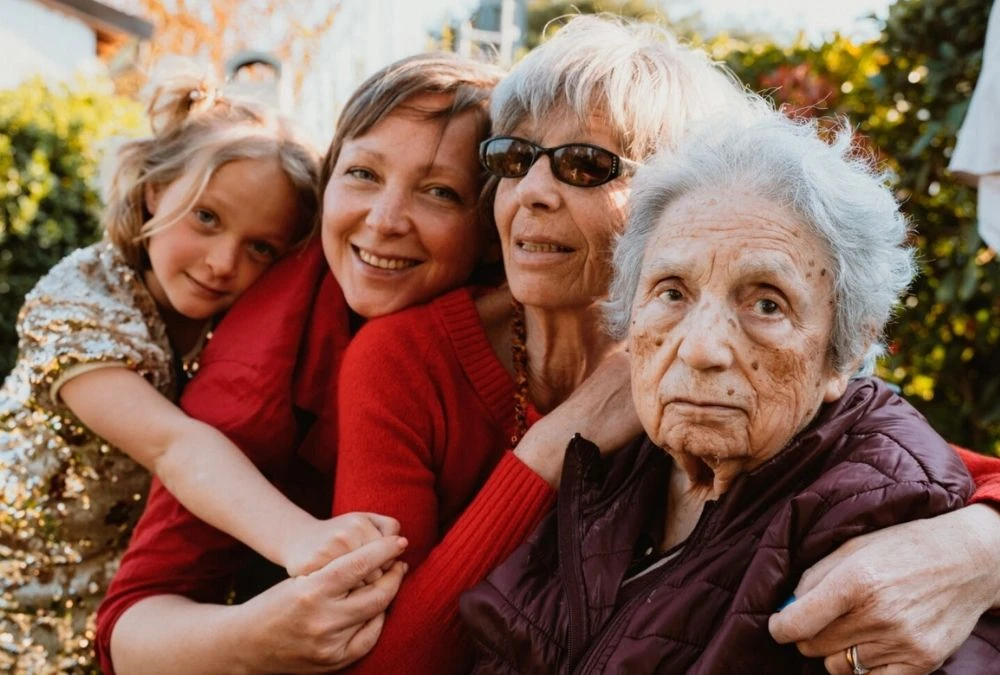
Hattie says having a reason to get out of bed may matter more to her than any puzzle. Her reasons are ordinary. Piano. Church. Family. Weekly cards. Teaching younger relatives. Activities that tell her there is still something worth showing up for.
Purpose has also appeared in dementia research.
A long-running study of 951 older adults without dementia found that people reporting a stronger sense of purpose had a lower rate of developing Alzheimer’s during follow-up. During an average of four years, 155 participants developed Alzheimer’s disease.
That does not mean purpose directly prevented the disease. People with stronger purpose may also differ in activity, social connection, mood, health behaviors, and many other ways.
More recent NIH reporting points in the same direction. NIH cited research involving more than 13,000 adults in which a stronger sense of purpose was associated with lower rates of cognitive impairment or dementia after researchers adjusted for several other factors.
Purpose does not have to mean starting a charity or changing the world.
Taking care of a garden, teaching a grandchild, attending a faith group, caring for a pet, volunteering, cooking for family, or meeting friends each week can give structure to life.
Can These Habits Really Help Someone Avoid Getting Alzheimer’s?
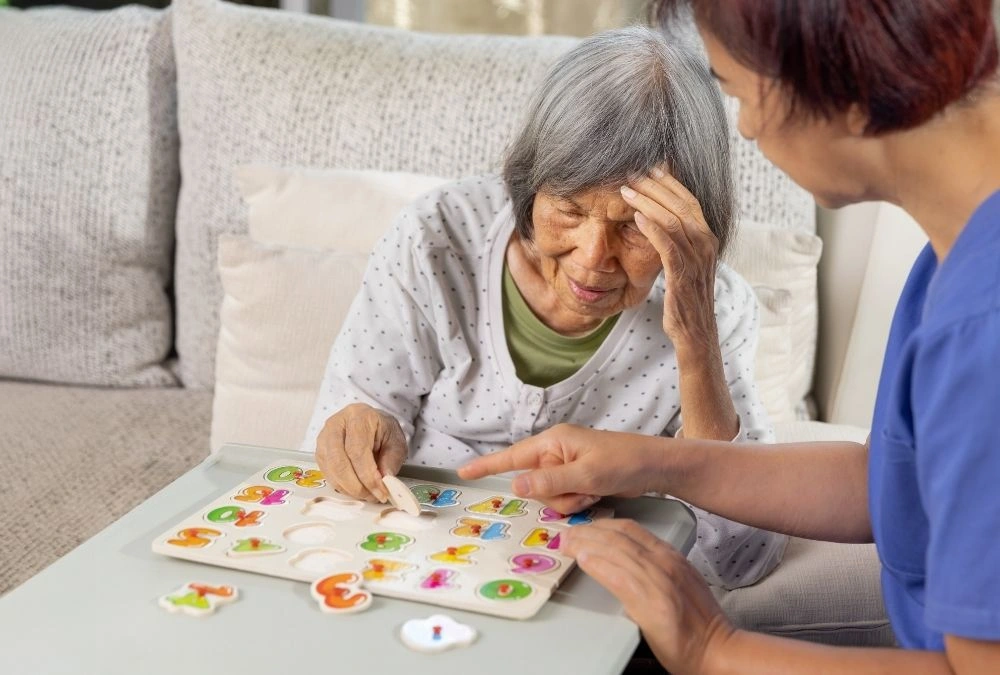
This is where the headline needs one major qualification. Nobody can currently promise that these habits will avoid Alzheimer’s completely.
Age remains the biggest known risk factor for late-onset Alzheimer’s. Genes also matter, and disease-related brain changes can begin years before obvious memory symptoms appear.
What lifestyle can potentially change is part of the risk landscape.
The newest evidence is especially interesting because it looks at several behaviors together rather than hunting for one miracle habit. In US POINTER, both groups improved on cognitive testing over two years, but the structured program produced a modestly greater improvement.
Researchers have also cautioned that repeated testing itself may explain some improvement, and the trial did not measure whether participants ultimately developed less dementia.
That distinction matters.
Healthy habits may support the brain and reduce some risk factors. They are not an insurance policy against Alzheimer’s disease.
Do Not Dismiss Every Memory Change as Normal Aging

Occasionally forgetting a name and remembering it later can happen with normal aging.
Repeatedly forgetting recent information, becoming unable to manage bills, getting confused in familiar places, or losing the ability to complete familiar tasks deserves more attention. The Alzheimer’s Association recommends medical evaluation when memory or thinking changes begin interfering with everyday life.
Normal Aging or Something Worth Checking?
| Situation | Often Seen With Normal Aging | More Concerning Pattern | What to Do |
|---|---|---|---|
| Names or appointments | Occasionally forgetting, then remembering later | Repeatedly forgetting newly learned information | Discuss persistent changes with a clinician |
| Bills and money | Making an occasional mistake | Losing the ability to manage familiar monthly finances | Arrange medical assessment |
| Day or date | Briefly forgetting, then figuring it out | Repeated confusion about time or place | Seek evaluation |
| Familiar tasks | Occasionally needing help with new technology | Trouble completing routines once handled easily | Tell a healthcare professional |
| Lost items | Misplacing something and retracing steps | Putting items in unusual places and being unable to retrace steps | Do not dismiss repeated episodes |
Red Flags: Call a Healthcare Professional

Arrange medical assessment if you notice:
- Memory loss that is getting worse or disrupting everyday life.
- Getting lost or confused in places that should be familiar.
- New difficulty managing medicines, money, cooking, or other routine tasks.
- Repeated questions, major personality changes, or rapidly worsening confusion.
Sudden confusion is different from slowly progressing memory problems. A sudden major change in thinking can have medical causes that require prompt assessment.
Hattie’s Real Lesson Is Not a Miracle Trick
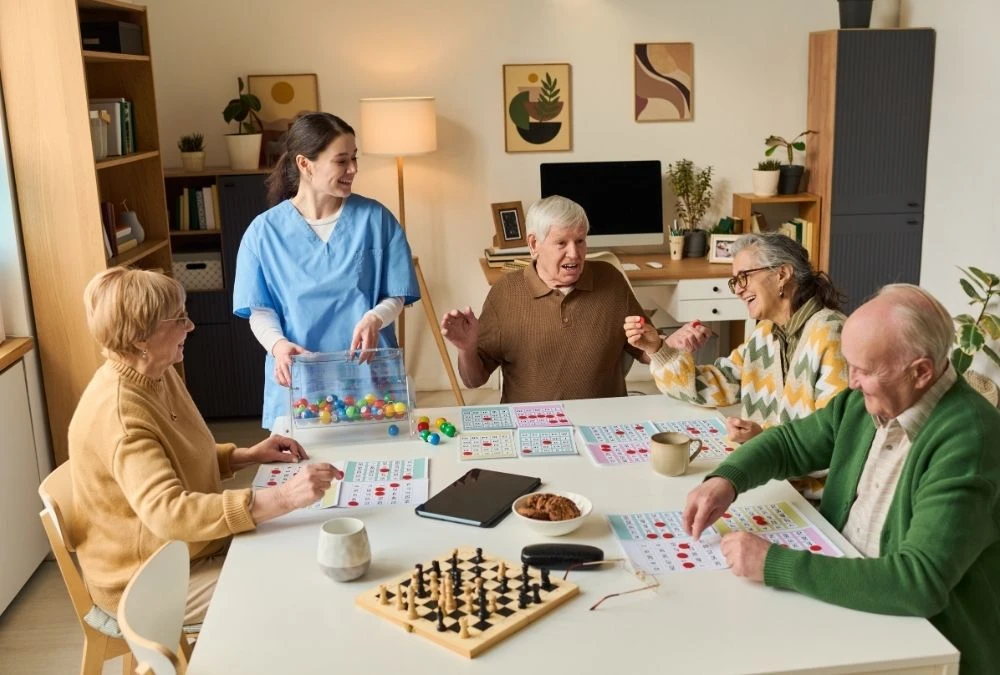
At 104, Hattie still plays the piano, works her memory, talks with people, moves her body, protects her sleep, eats simply, and keeps reasons to wake up tomorrow.
Science cannot prove those habits are why she remains sharp. One person’s longevity can never establish cause and effect.
But the broader message fits where modern dementia research is heading.
Brain aging is influenced by many systems at once. Movement, cardiovascular health, metabolic health, sleep, social contact, mental challenge, hearing, vision, and emotional well-being may all matter. Hattie’s routine is powerful because it is not really one Alzheimer’s trick.
It is a way of continuing to use the body, brain, relationships, and sense of purpose instead of slowly withdrawing from all four.
This article is for informational purposes only and does not diagnose, treat, or prevent Alzheimer’s disease or another form of dementia. Speak with a doctor or qualified healthcare professional about memory changes and before making major changes to diet, exercise, sleep routines, or medications, particularly if you have an existing medical condition.
