
You ask a chatbot for advice on a tough ‘situationship,’ and the answer is surprisingly good. Or, your smart thermostat warms the house 10 minutes before your usual alarm, just because it’s raining. This isn’t science fiction. It’s the reality of AI in personal lives in 2025.
AI is no longer just a work tool or a sci-fi idea. It’s now in our apps, our homes, and even our relationships. It often works in ways we don’t even see.
With 35% of people using AI tools daily, this tech is a normal part of AI in everyday life. It’s not optional anymore. But for many, it doesn’t feel very clear and a little unnerving.
#1. AI As A “Silent Assistant”
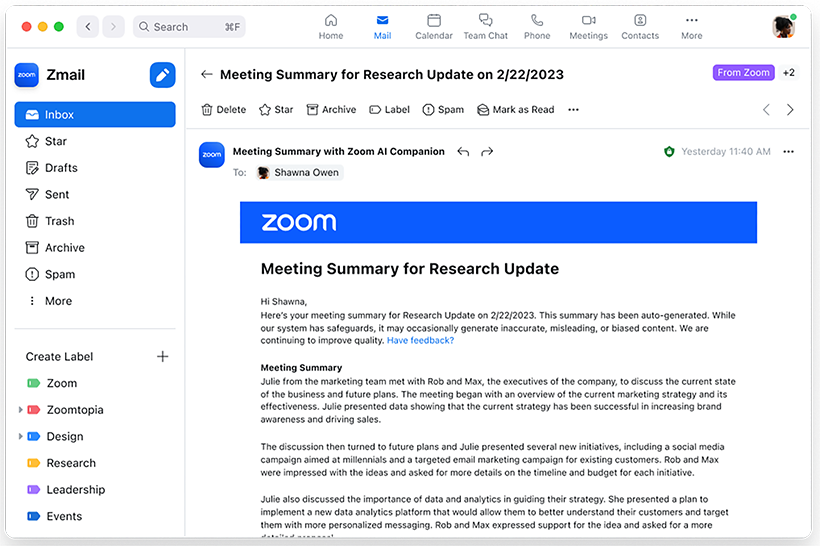
It’s not there to chat. It’s there to make life easier. Think about Google Docs suggesting the rest of your sentence. Or look at Zoom’s AI Companion. After a one-hour call, it can create a 5-bullet-point summary with action items. That’s practical AI in everyday life.
This hidden AI is also the reason you can’t stop scrolling. Your TikTok “For You” page and Spotify “Discover Weekly” are powerful AI engines. They learn from tiny things you do, like how long you pause on a video. They use this to predict your mood and interests. In 2025, over 5.4 billion people are on social media, and every single one has a feed run by a unique AI.
#2. AI Is Now a Productivity Tool
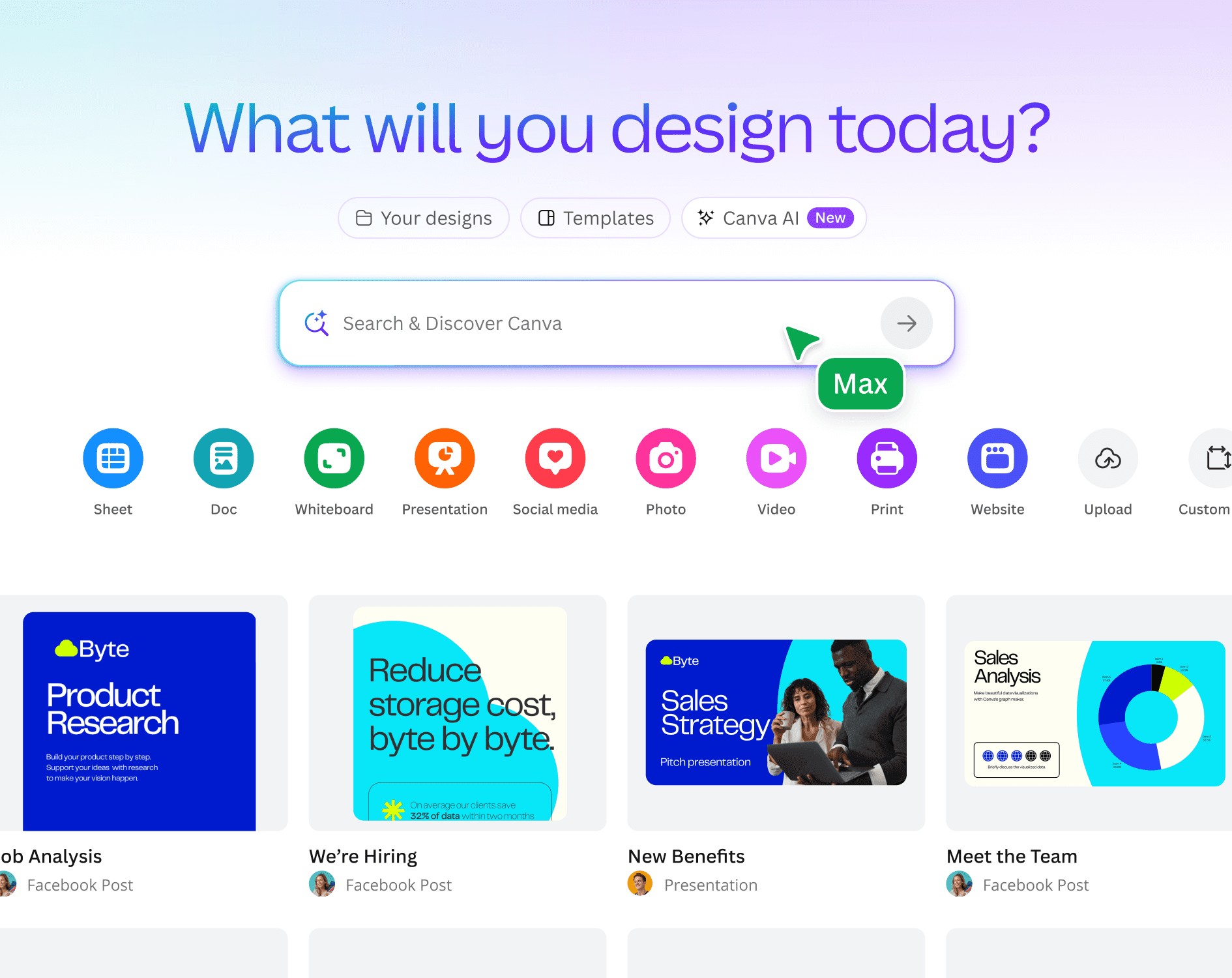
Finally, AI is now in your productivity tools. It’s not just checking your spelling. Tools like Grammarly now analyse your tone. It tells you if your email sounds “confident” or “friendly” enough for your boss. Canva’s “Magic Studio” can generate a complete design from a simple text prompt. This AI is quiet, helpful, and already everywhere.
#3. AI In Your Personal Life

The AI in your personal life is now moving from your screen to your living room. It’s in the physical devices that control your home. This AI doesn’t just follow commands. It observes your bodily habits and starts to learn.
It’s more than just “Alexa, turn on the lights.” New smart home systems, like “Home Assistant,” learn your patterns. They can adjust the lights and music to match your mood or the time of day, all without you asking. This is called predictive automation. It’s also in your kitchen. A smart fridge can see you’re low on milk and add it to your shopping list.
#4. AI Helping With Health And Safety

This AI is also helping with health and safety. This is one of the biggest AI risks 2025 is trying to solve: helping people live safely at home. For example, AI is used in elderly care. We know that about 30% of people over 65 have a fall at least once a year. New systems use AI to monitor for irregularities and can detect a fall, instantly alerting family or emergency services. It’s a big step in using AI to protect people.
This is where things get personal. The AI in your personal lives is moving into your feelings and big life decisions. It’s not just observing your habits. It is now trying to shape what you feel and do.
#5. AI Is As Therapy or Personal Advice
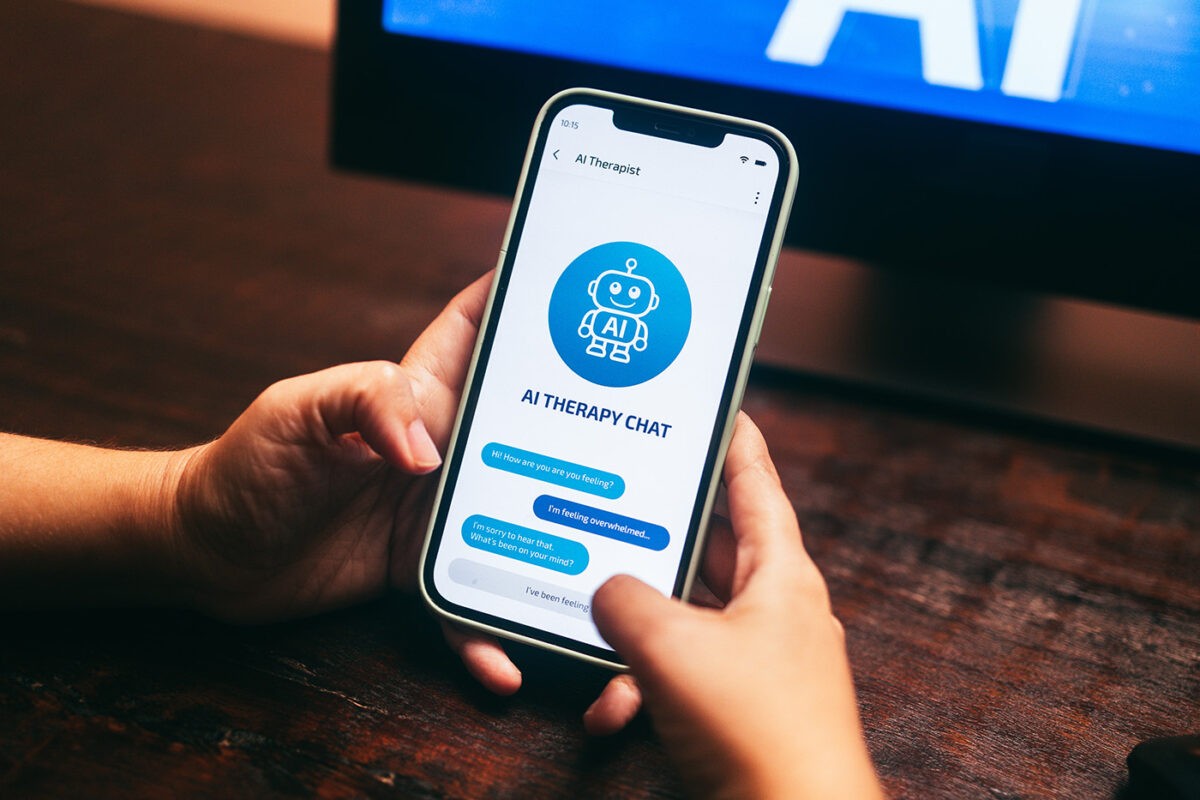
Many people are now turning to AI for help. Recent data shows that around 25% of American adults have used an AI chatbot for therapy or personal advice. The AI has no real empathy. It can give bad or even harmful advice. This is one of the biggest AI risks 2for 025. Even with these problems, a different study shows 80% of Americans say they are uneasy about using AI for medical advice.
#6. AI Shapes Your Life On Social Media
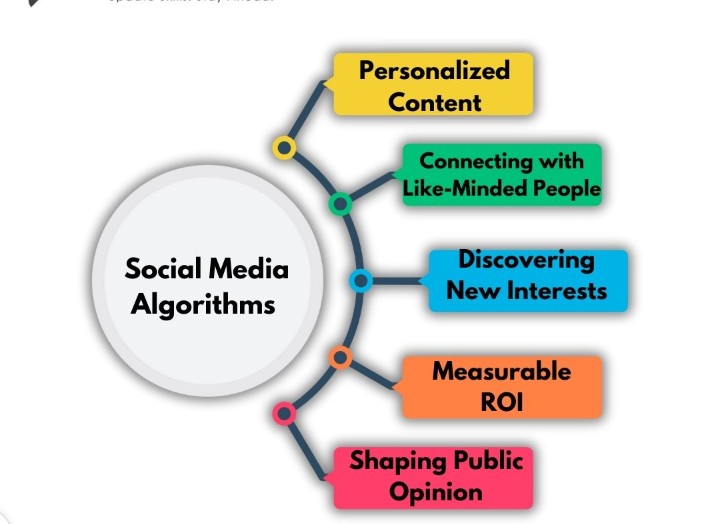
The AI doesn’t just show you content. It learns your emotional state. It watches your typing patterns and how long you pause on a post. It uses this to feed you more engaging content, which is often polarising or makes you feel strong emotions. There’s a real cost. Reports show that over 50% of teens feel anxious or depressed after using social media, and the AI algorithm is a big part of that.
These Are Four Actionable Plans to Manage the Biggest AI Risks
#1. Conduct a “Privacy Audit”
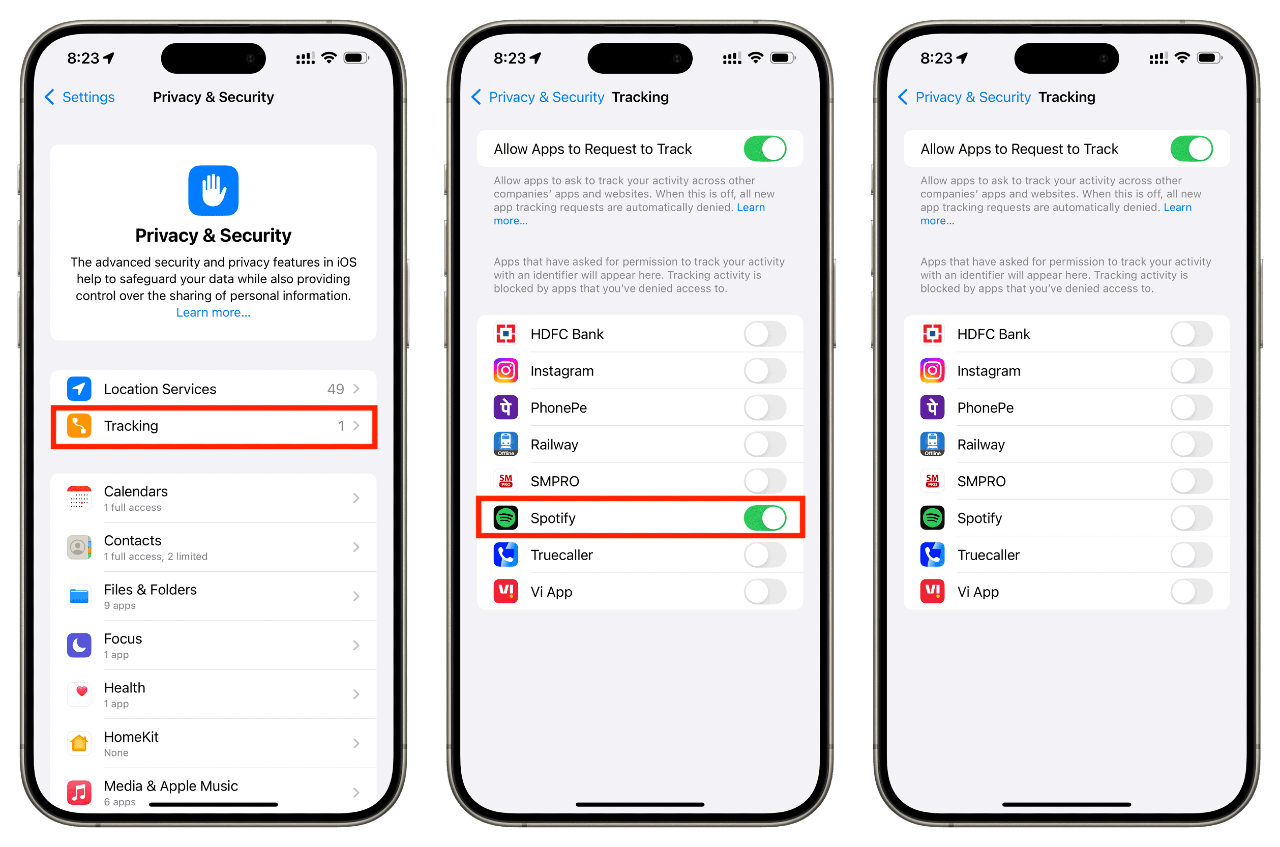
Look at “Privacy & Security.” Who has access to your microphone, camera, and location? Ask yourself, “Does that photo-editing app really need my location 24/7?” If not, turn it off. This is a simple way to manage one of the biggest AI risks in 2025: data harvesting. Here’s a quick win: On your iPhone, go to Settings > Privacy & Security > Tracking. Then, turn off “Allow Apps to Request to Track.”
#2. Train Your AI
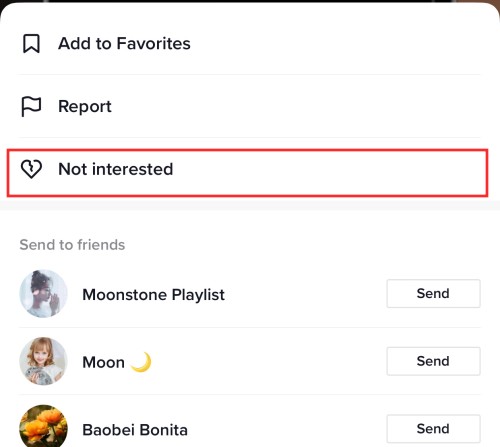
The AI is guessing what you want. Show it when it’s wrong. On Netflix, use the “I don’t like this” button. On TikTok or Instagram, actively tap “Not Interested” on content you don’t want. This is like house-training your algorithm. It learns what you don’t want to see, which puts you back in charge.
#3. Use Privacy-Focused Tools

For sensitive searches (like health or money), use a browser like DuckDuckGo. It doesn’t track you. You can also go into your Google and Facebook “privacy settings.” Look for options to limit ad tracking. This reduces the amount of personal data AI can use to build a profile on you.
#4. Ask the “Human vs. AI” Question
/* SCOPED CSS: .hv-ninja-wrapper Ensures uniqueness and prevents global conflicts. */ .hv-ninja-wrapper { display: flex; justify-content: center; align-items: center; width: 100%; padding: 40px 20px; font-family: ‘Segoe UI’, Roboto, Helvetica, Arial, sans-serif; background-color: #f5f3ff; /* Light Violet bg */ box-sizing: border-box; } /* — Main Card Container — */ .hv-ninja-card { width: 340px; background: white; border-radius: 20px; box-shadow: 0 15px 35px rgba(76, 29, 149, 0.15); /* Violet shadow */ overflow: hidden; border: 1px solid #ddd6fe; position: relative; } /* — Header Section — */ .hv-ninja-header { background-color: #4c1d95; /* Violet 900 */ padding: 22px; text-align: center; border-bottom: 4px solid #8b5cf6; /* Violet 500 */ } .hv-ninja-title { color: #fff; margin: 0; font-size: 1.1rem; font-weight: 700; letter-spacing: 1px; text-transform: uppercase; display: flex; align-items: center; justify-content: center; gap: 8px; } /* — Hero Section (Pure CSS Illustration) — */ .hv-ninja-hero { background: linear-gradient(180deg, #ede9fe 0%, #fff 100%); height: 150px; display: flex; justify-content: center; align-items: center; position: relative; border-bottom: 2px dashed #c4b5fd; overflow: hidden; } /* The Balance Scale */ .hero-scale-stand { width: 6px; height: 80px; background: #5b21b6; position: relative; top: 10px; } .hero-scale-stand::after { content: ”; /* Base */ position: absolute; bottom: 0; left: -20px; width: 46px; height: 6px; background: #5b21b6; border-radius: 4px; } .hero-scale-beam { width: 100px; height: 4px; background: #5b21b6; position: absolute; top: -4px; left: -47px; transform-origin: center; animation: balance 4s infinite ease-in-out; } /* Left Pan (AI – Chip) */ .hero-pan-left { width: 30px; height: 15px; border: 2px solid #5b21b6; border-top: none; border-radius: 0 0 30px 30px; position: absolute; left: 0; top: 20px; } .hero-pan-left::before { content: ”; /* String */ position: absolute; top: -20px; left: 14px; width: 2px; height: 20px; background: #c4b5fd; } .hero-chip { width: 14px; height: 14px; background: #3b82f6; /* Blue AI */ position: absolute; bottom: 6px; left: 8px; border-radius: 2px; } /* Right Pan (Human – Heart) */ .hero-pan-right { width: 30px; height: 15px; border: 2px solid #5b21b6; border-top: none; border-radius: 0 0 30px 30px; position: absolute; right: 0; top: 20px; } .hero-pan-right::before { content: ”; /* String */ position: absolute; top: -20px; left: 14px; width: 2px; height: 20px; background: #c4b5fd; } .hero-heart { width: 14px; height: 14px; background: #ef4444; /* Red Human */ position: absolute; bottom: 6px; left: 8px; clip-path: polygon(10% 20%, 40% 20%, 50% 35%, 60% 20%, 90% 20%, 100% 40%, 50% 100%, 0% 40%); } @keyframes balance { 0%, 100% { transform: rotate(0deg); } 50% { transform: rotate(5deg); } /* Tipping slightly */ } /* — List Section — */ .hv-ninja-list { list-style: none; padding: 0; margin: 0; } .hv-ninja-item { display: flex; align-items: center; padding: 18px 20px; border-bottom: 2px dashed #e2e8f0; transition: background-color 0.2s ease; cursor: pointer; } .hv-ninja-item:last-child { border-bottom: none; } .hv-ninja-item:hover { background-color: #fdf2f8; /* Very light warm tint */ } .hv-ninja-item:hover .icon-base { transform: scale(1.1); border-color: #8b5cf6; } /* — Text Styling — */ .hv-ninja-text { font-size: 0.9rem; color: #334155; line-height: 1.4; margin-left: 15px; font-weight: 500; } .hv-ninja-text strong { display: block; color: #4c1d95; font-size: 0.85em; text-transform: uppercase; margin-bottom: 3px; } /* — Icons Container — */ .hv-ninja-icon { width: 44px; height: 44px; min-width: 44px; display: flex; justify-content: center; align-items: center; } .icon-base { width: 100%; height: 100%; border-radius: 12px; background: white; border: 2px solid #cbd5e1; display: flex; justify-content: center; align-items: center; position: relative; transition: all 0.3s ease; overflow: hidden; } /* — Pure CSS Icons — */ /* 1. Pause/Firewall (Shield + Bars) */ .icon-shield { width: 18px; height: 20px; border: 2px solid #ef4444; border-radius: 0 0 10px 10px; position: relative; display: flex; justify-content: center; align-items: center; gap: 2px; } .icon-shield::before, .icon-shield::after { content: ”; width: 2px; height: 8px; background: #ef4444; } /* 2. Human (Face Profile) */ .icon-face { width: 12px; height: 12px; background: #f59e0b; border-radius: 50%; position: relative; top: -4px; box-shadow: 0 14px 0 -1px #f59e0b; /* Body */ } .icon-face::after { content: ‘?’; position: absolute; right: -10px; top: 0; font-size: 10px; font-weight: bold; color: #5b21b6; } /* 3. Stakes (Medical/Finance) */ .icon-stakes { width: 20px; height: 20px; position: relative; } /* Cross */ .icon-stakes::before { content: ‘+’; position: absolute; top: -4px; left: 0; font-size: 16px; font-weight: 900; color: #ef4444; } /* Dollar */ .icon-stakes::after { content: ‘$’; position: absolute; bottom: -2px; right: 0; font-size: 12px; font-weight: 700; color: #10b981; } /* 4. Wisdom (Lightbulb) */ .icon-bulb { width: 14px; height: 14px; background: #fcd34d; /* Yellow */ border-radius: 50%; position: relative; top: -2px; } .icon-bulb::after { content: ”; position: absolute; bottom: -6px; left: 3px; width: 8px; height: 6px; background: #4b5563; border-radius: 0 0 4px 4px; border-top: 2px solid white; } .icon-bulb::before { content: ”; /* Rays */ position: absolute; top: -4px; left: 6px; width: 2px; height: 4px; background: #fcd34d; box-shadow: 0 20px 0 #fcd34d, 12px 10px 0 #fcd34d, -12px 10px 0 #fcd34d; }The Wisdom Check
-
Critical Firewall Pause before taking advice. Use your own judgment as a firewall.
-
The Human Question Ask: “Should I run this decision by a qualified human?”
-
High Stakes Mandatory for big financial, medical, or relationship decisions.
-
Data vs. Wisdom AI provides raw data. Humans provide context and wisdom.
Before you take any big advice from an AI, pause. This is your critical thinking firewall. Ask yourself, “Is this a decision I should run by a real, qualified human?” This applies to big financial, medical, or relationship advice. An AI can give you data, but a human can give you wisdom.
FAQs
1. How does AI know what I want to see?
It watches your behaviour. AI tracks what you click, how long you watch a video, what you buy, and even where you go.
2. Is all this AI bad for me?
It has real risks. The main danger is privacy. Companies collect huge amounts of your personal data to make the AI smarter.
3. Can I stop AI from tracking me?
You cannot stop it completely, but you can limit it. The best tools are on your phone right now. Go to your phone’s “Privacy & Security” settings.
