
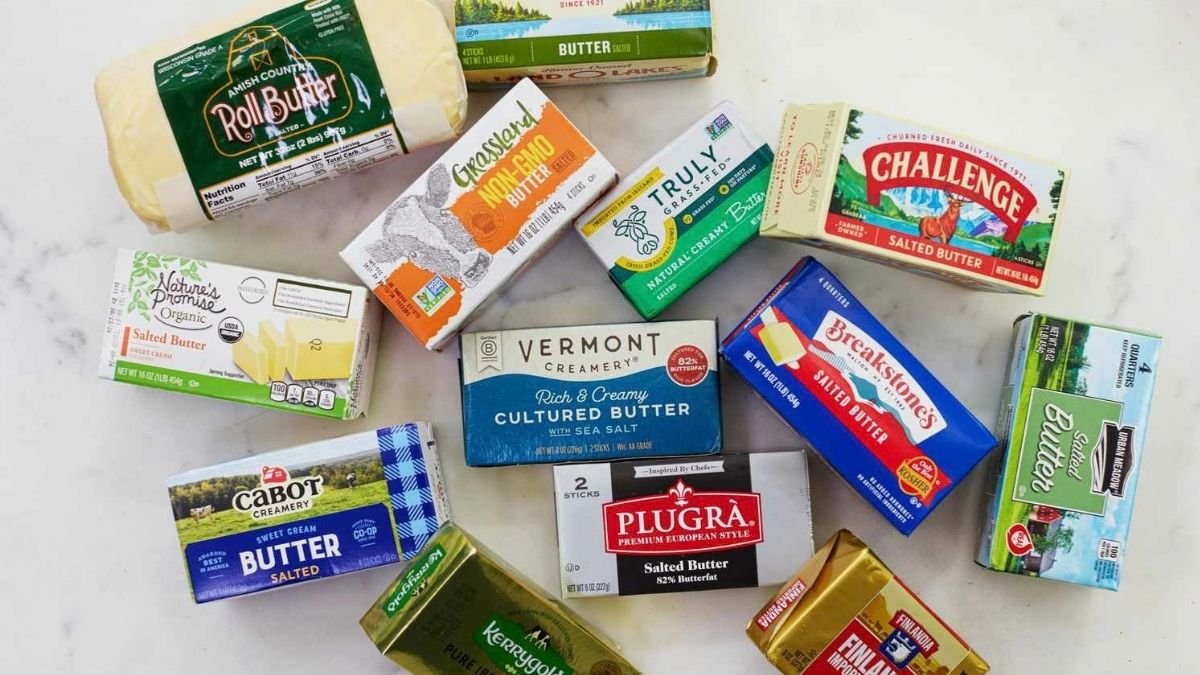
That butter in your grocery cart may not be the product you think it is. Some packages contain traditional butter, while others combine butter with oils or sell a softer spread under very similar branding.
There is confusion because real butter, butter blends, and vegetable oil spreads have different ingredients, fat profiles, and cooking properties. Even more surprising, a product being real butter does not automatically make it the healthier choice.
We checked 15 popular butter brands and their current product information. Four stand out for especially simple formulas, distinctive butterfat levels, or traditional production, but there is an important twist you should know before judging the other 11.
Food labels can help you compare butter products, but they cannot determine what is best for your individual health. If you have high LDL cholesterol, heart disease, or another condition affected by diet, discuss saturated fat intake with your healthcare provider.
First, What Counts as Real Butter?
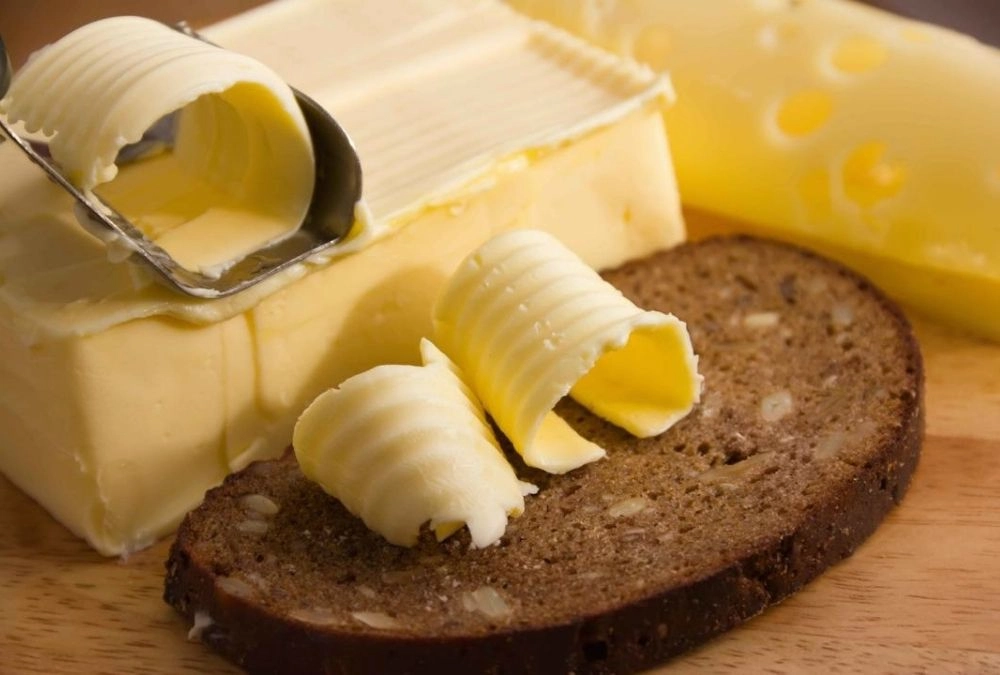
This is where many online butter rankings become misleading.
Under the U.S. standard, butter is made from milk or cream, with or without salt or permitted coloring, and must contain at least 80 percent milkfat by weight.
That means a long ingredient list is not required for butter. But it also means that salt does not suddenly turn butter into a fake product.
Cultured butter can qualify too. Cultures are used to ferment the cream before churning, which changes flavor and aroma rather than turning the product into margarine.
Here is the first distinction worth remembering.
| Product | Typical Base | Standard Butter? | What Changes |
|---|---|---|---|
| Sweet cream butter | Cream or milk | Yes | Mild traditional flavor |
| Salted butter | Cream plus salt | Yes | More sodium and stronger flavor |
| Cultured butter | Cream plus cultures | Yes | Tangier flavor |
| Butter with olive oil | Butter plus olive oil | Usually a blend | Softer texture and altered fat profile |
| Vegetable oil spread | Plant oils plus other ingredients | No | Usually more unsaturated fat |
The legal definition is important because terms such as “buttery,” “spreadable,” and “with olive oil” can appear on packages that are not the same as a traditional stick of butter.
Now to the 15 brands.
1. Kerrygold Salted Butter, One of the Best 4
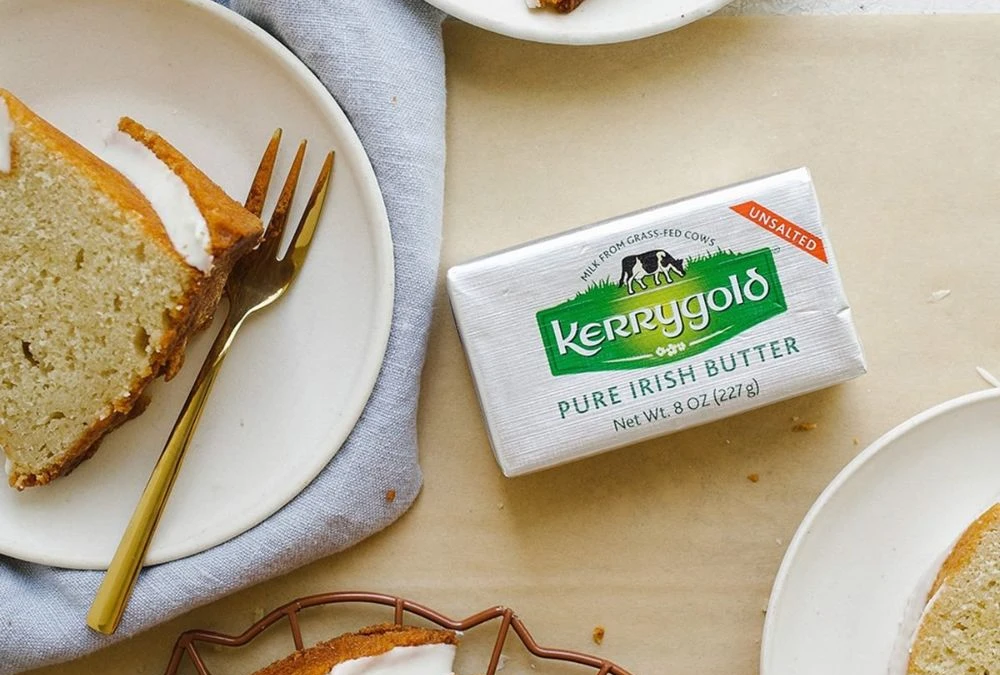
Kerrygold makes one of the easiest labels in the dairy case to understand. Its Salted Butter lists pasteurized cream and salt as the ingredients.
One tablespoon provides about 100 calories, 11 grams of total fat, and 8 grams of saturated fat. Kerrygold also emphasizes milk from grass-fed cows, although that does not eliminate saturated fat.
Why it makes the best 4: The ingredient list is simple, the product is widely recognizable, and there is little confusion about what you are buying.
2. Land O Lakes
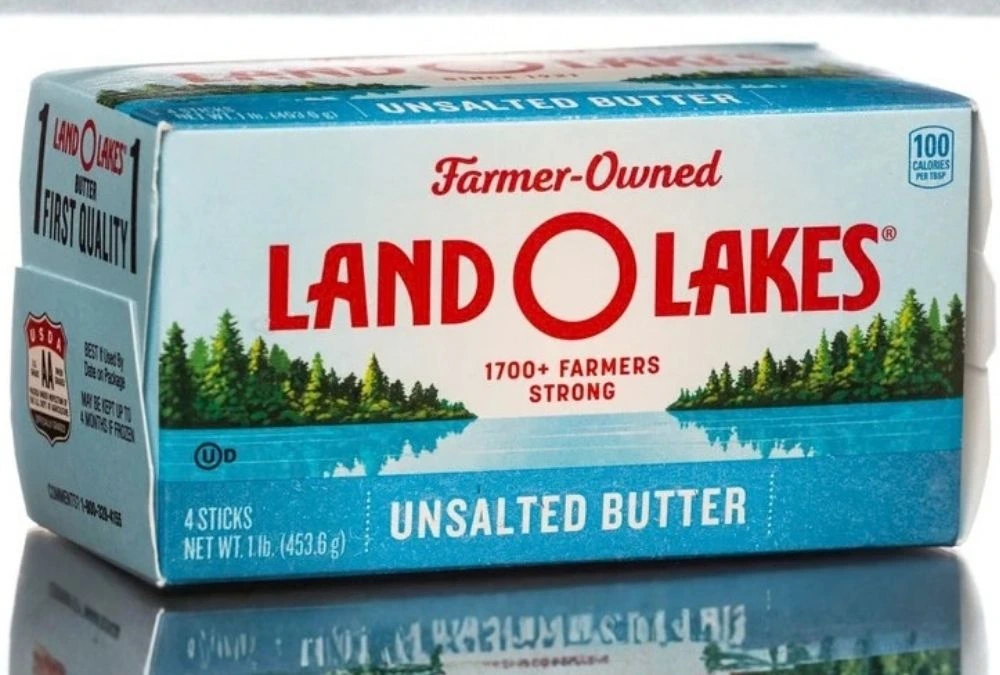
Land O Lakes is a classic example of why shoppers should read the exact product name instead of judging an entire brand.
Its Extra Creamy Salted Butter contains sweet cream and salt and reaches 82 percent milkfat. One tablespoon has 110 calories, 12 grams of fat, and 8 grams of saturated fat.
The company also sells whipped butter and vegetable oil spreads. Those are different products with different serving sizes and fat profiles, even though the same brand name appears on the package.
Verdict: Real butter is available from this brand, but read the specific package.
3. Organic Valley
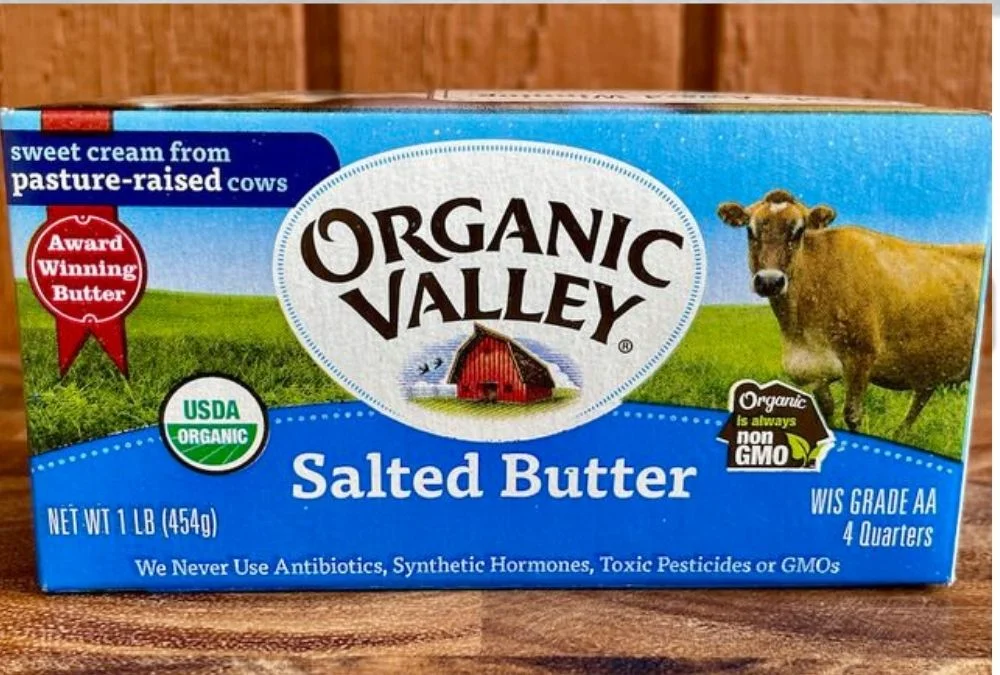
Organic Valley Salted Butter contains pasteurized organic sweet cream and salt.
The company states that its regular salted butter is 80 percent butterfat. A tablespoon provides about 100 calories, 11 grams of total fat, and 7 grams of saturated fat.
The organic label describes how the dairy ingredients are produced. It does not mean the butter is low in saturated fat.
Verdict: A straightforward real butter with an organic focus.
4. Challenge Butter
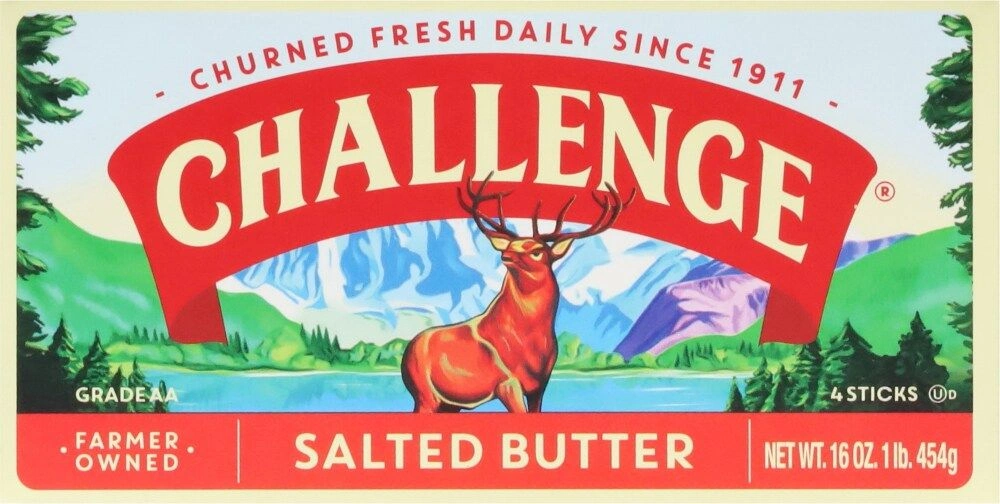
Challenge Salted Butter keeps things simple with pasteurized cream and salt.
A tablespoon contains 100 calories, 11 grams of fat, and 7 grams of saturated fat. Its unsalted butter uses pasteurized cream plus natural flavoring.
Challenge says that flavoring is part of its unsalted formula, which is another reason ingredient count alone is a poor test for deciding whether something is real butter.
Verdict: Genuine butter and a solid conventional choice.
5. Tillamook
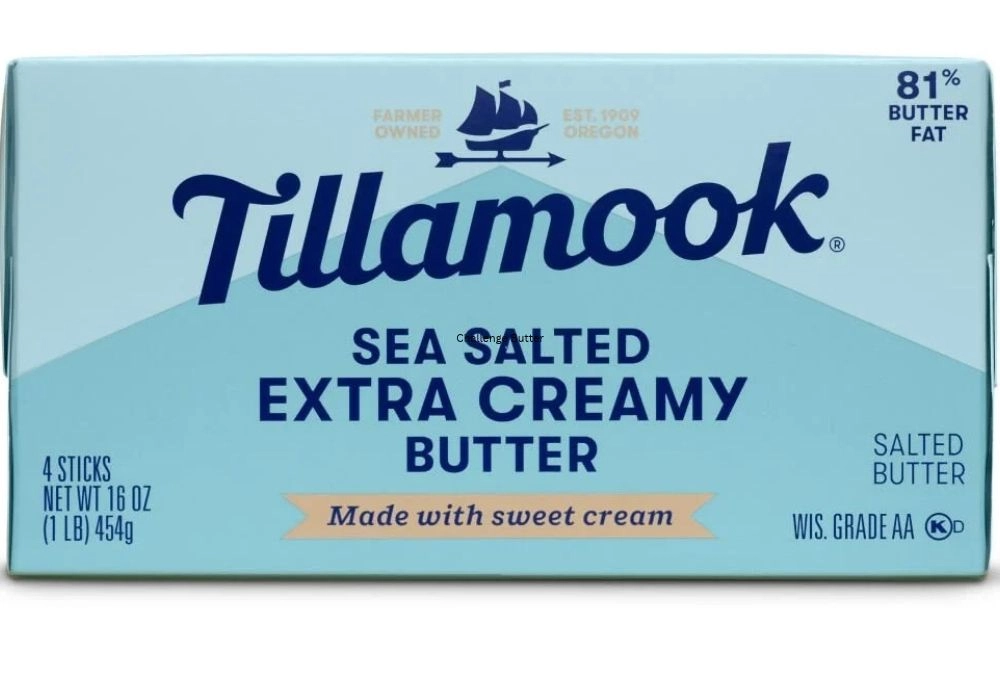
Tillamook currently sells Extra Creamy Salted Butter and Extra Creamy Unsalted Butter. This is another legitimate dairy butter brand, not a vegetable oil spread masquerading as butter.
The important shopping lesson is to distinguish the butter line from any other spreadable dairy products a company might offer.
Verdict: Real butter. The exact variety matters more than the logo.
6. Vermont Creamery Cultured Butter, One of the Best 4
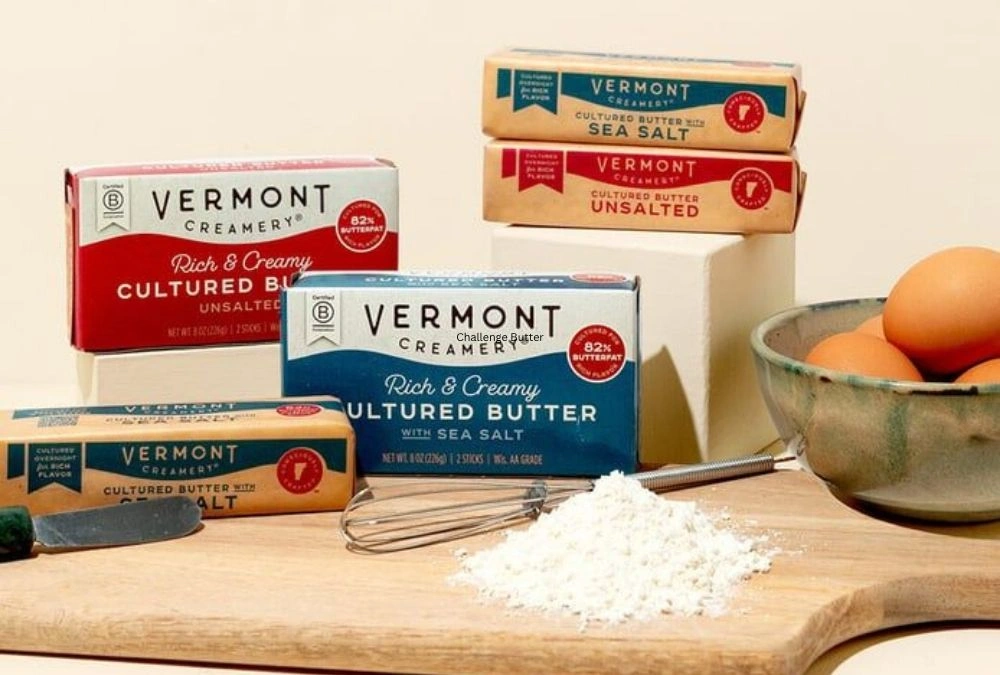
Vermont Creamery earns a spot among the four standouts because it does something different from standard sweet cream butter. Its cultured butter contains cream and cultures. The company says bacterial cultures are added to fresh cream, which ferments overnight before churning.
Its cultured butter reaches 82 percent butterfat. Vermont Creamery explains that cultured butter develops more complex flavor because fermentation occurs before churning.
Why it makes the best 4: It is genuine butter with a clear production difference you can actually taste and understand.
How the First Six Compare
| Brand | Notable Butter Feature | Butterfat or Nutrition Detail | Main Reason to Consider It |
|---|---|---|---|
| Kerrygold | Cream and salt | 8 g saturated fat per tbsp | Very simple label |
| Land O Lakes | Extra Creamy option | 82% milkfat | Familiar and versatile |
| Organic Valley | Organic sweet cream | 80% butterfat | Organic dairy focus |
| Challenge | Cream and salt | 7 g saturated fat per tbsp | Simple conventional butter |
| Tillamook | Extra Creamy line | Traditional dairy butter | Familiar dairy brand |
| Vermont Creamery | Cultured cream | 82% butterfat | Fermented flavor |
The table also reveals something important. Real butter products tend to remain high in saturated fat, even when their ingredient lists look exceptionally clean.
That distinction matters more for health than arguments over whether one butter has two ingredients and another has three.
Saturated fat targets depend on your overall eating pattern and medical history. If you have elevated cholesterol or cardiovascular disease, ask your healthcare professional or registered dietitian how butter fits into your diet.
7. Straus Family Creamery European Style Butter, One of the Best 4
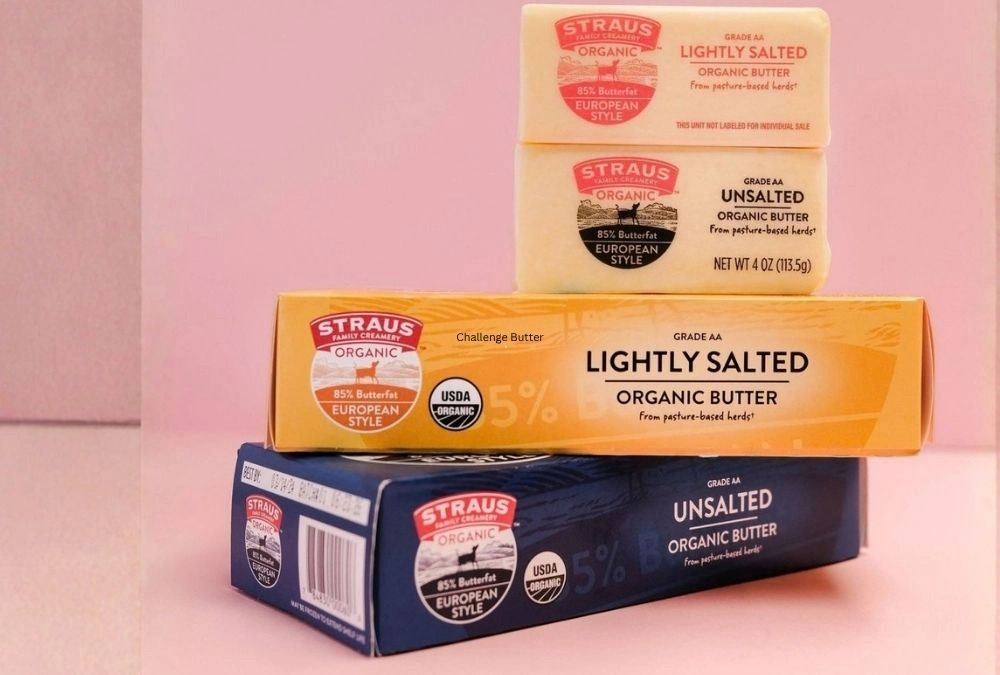
Straus stands apart because its Organic Unsalted European Style Butter contains certified organic pasteurized cream and reaches 85 percent butterfat. That is considerably higher than the U.S. minimum of 80 percent.
A tablespoon contains 110 calories, 12 grams of total fat, and 9 grams of saturated fat. Higher butterfat creates a richer product, but it also means this is not a light food.
Why it makes the best 4: The extremely simple unsalted formula and 85 percent butterfat make it one of the clearest examples of premium European-style butter.
8. Danish Creamery European Style Butter, One of the Best 4
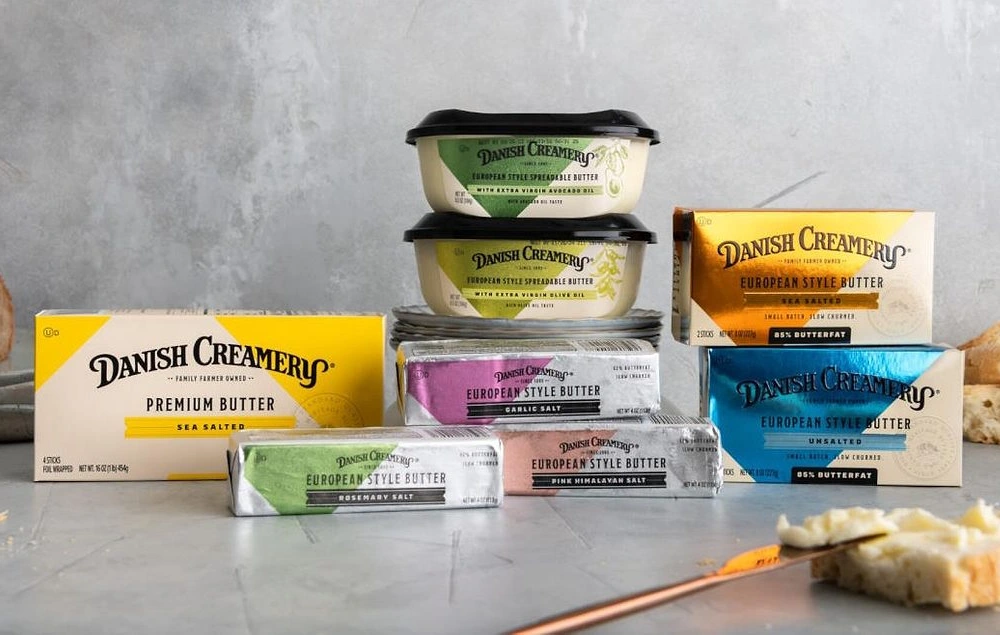
Danish Creamery is the fourth standout.
Its European Style Sea Salted Butter contains pasteurized cream and sea salt and is churned to 85 percent butterfat. One tablespoon provides 110 calories, 12 grams of fat, and 8 grams of saturated fat.
The higher butterfat level means less water relative to standard butter. That can matter when making pastries, sauces, and other recipes where butter texture plays an important role.
Why it makes the best 4: You get a simple formula plus one of the highest clearly stated butterfat levels among these widely marketed options.
9. Plugrà
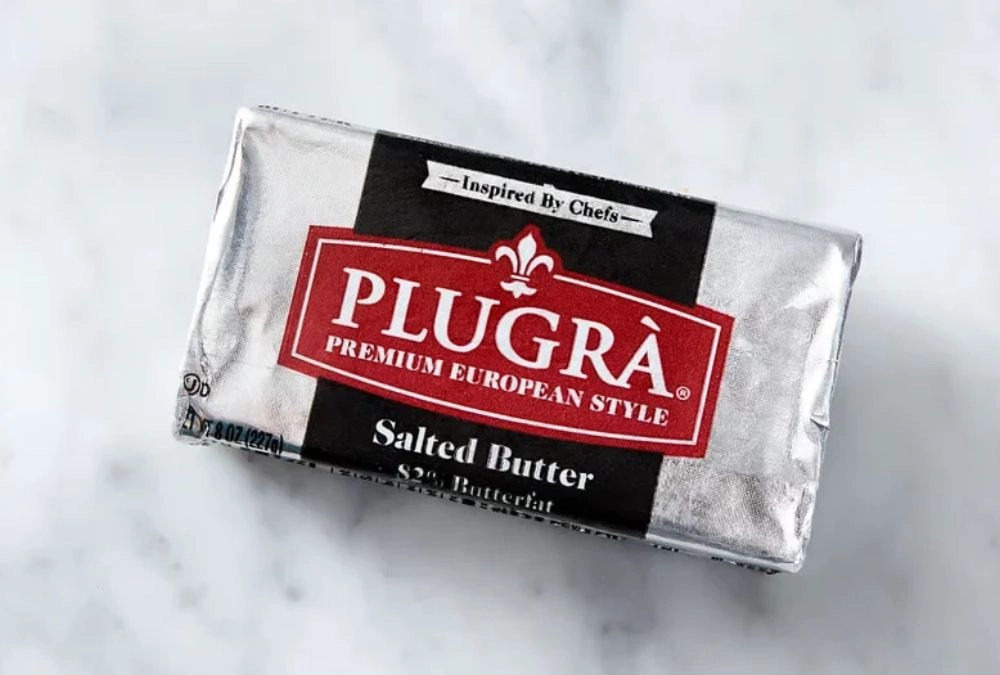
Plugrà is another European-style butter worth knowing.
Its salted butter is made with cream, salt, and natural flavor. The company states that its home kitchen butter contains 82 percent butterfat.
A tablespoon contains about 100 calories and 7 grams of saturated fat.
Verdict: Genuine butter with higher butterfat than standard 80 percent butter.
10. Minerva Dairy
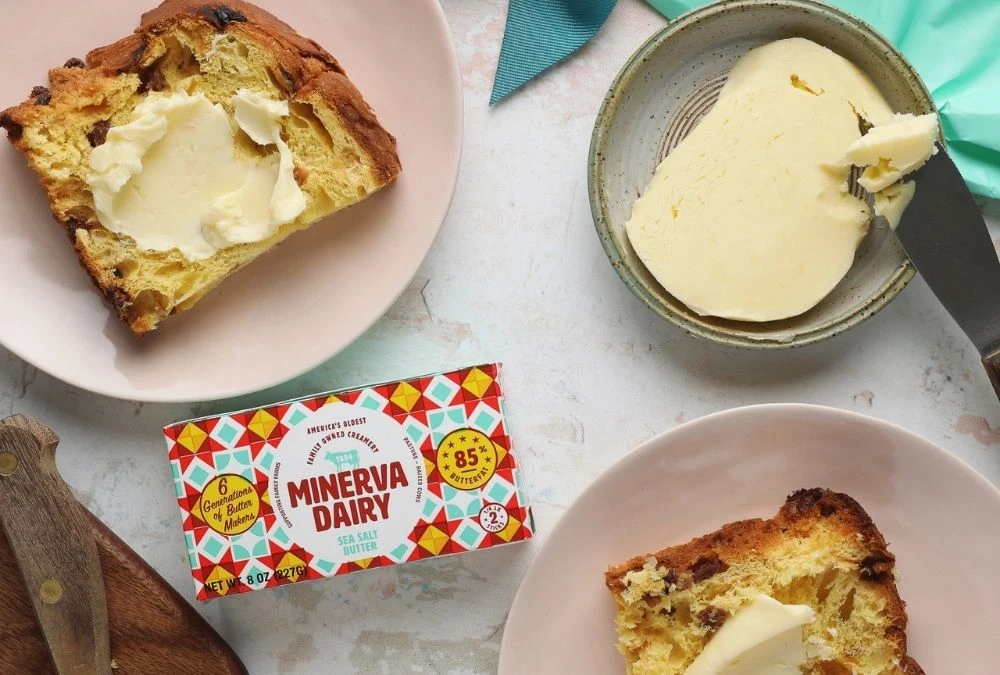
Minerva Dairy markets its butter around an 85 percent butterfat formula.
The company specifically points to that higher butterfat level when describing how its butter performs in pan sauces. Less water and more fat can help create a richer texture when butter is incorporated into a sauce.
That does not make it nutritionally superior to lower butterfat butter. It mainly changes richness and cooking performance.
Verdict: A high butterfat real butter aimed heavily at cooking and baking.
11. Horizon Organic
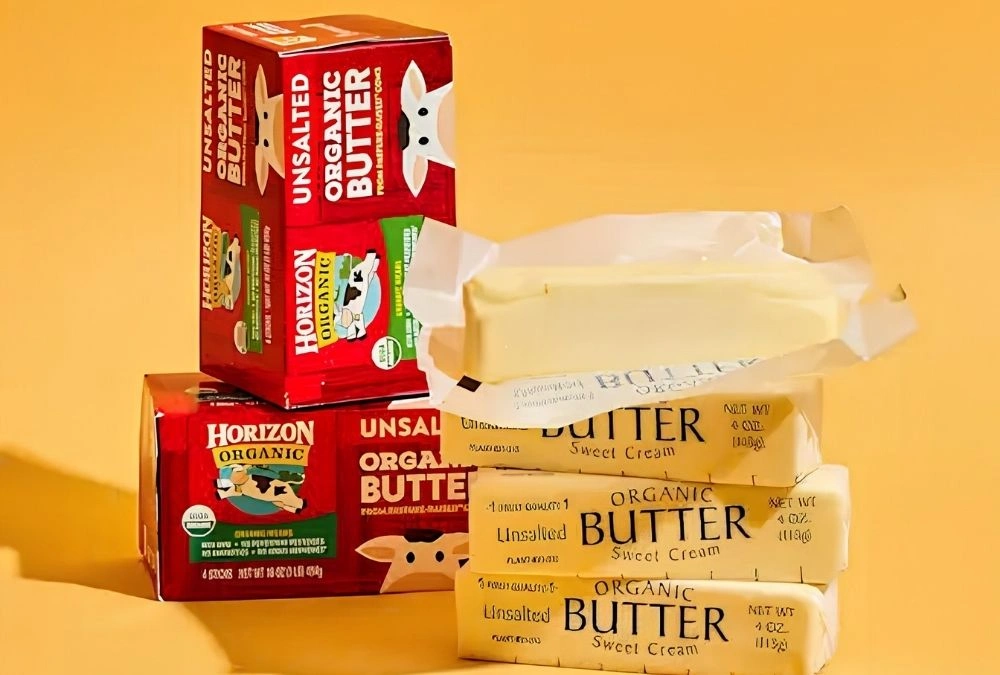
Horizon is best known for milk, but it has also sold organic dairy butter.
The key point with brands like Horizon is to check the current package rather than buying based solely on the word organic. Organic certification and butter classification answer different questions.
If your goal is traditional butter, look for cream or milk as the dairy base and confirm that you are buying butter rather than a spread.
Verdict: A legitimate organic dairy option where available, but check current regional packaging.
12. Clover Sonoma
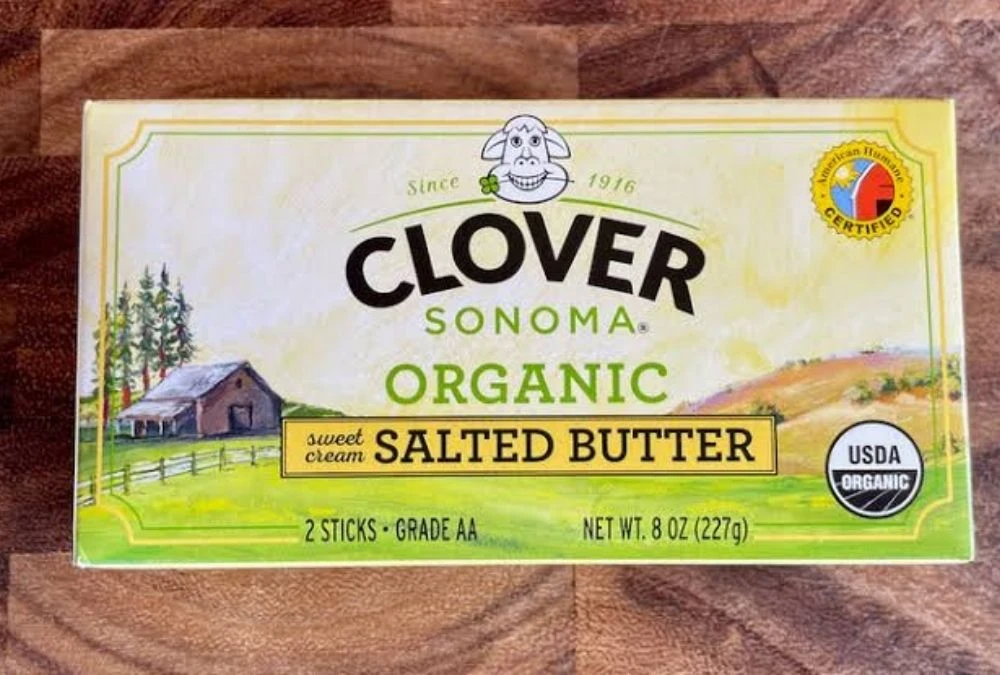
Clover Sonoma is another dairy producer offering traditional butter products.
As with Organic Valley and Horizon, its appeal is primarily tied to dairy sourcing rather than a dramatically different nutritional profile.
Real butter is still concentrated dairy fat regardless of the farming claim printed on the front.
Verdict: Real dairy butter, with sourcing likely to matter more to the shopper than major nutritional differences.
13. Président
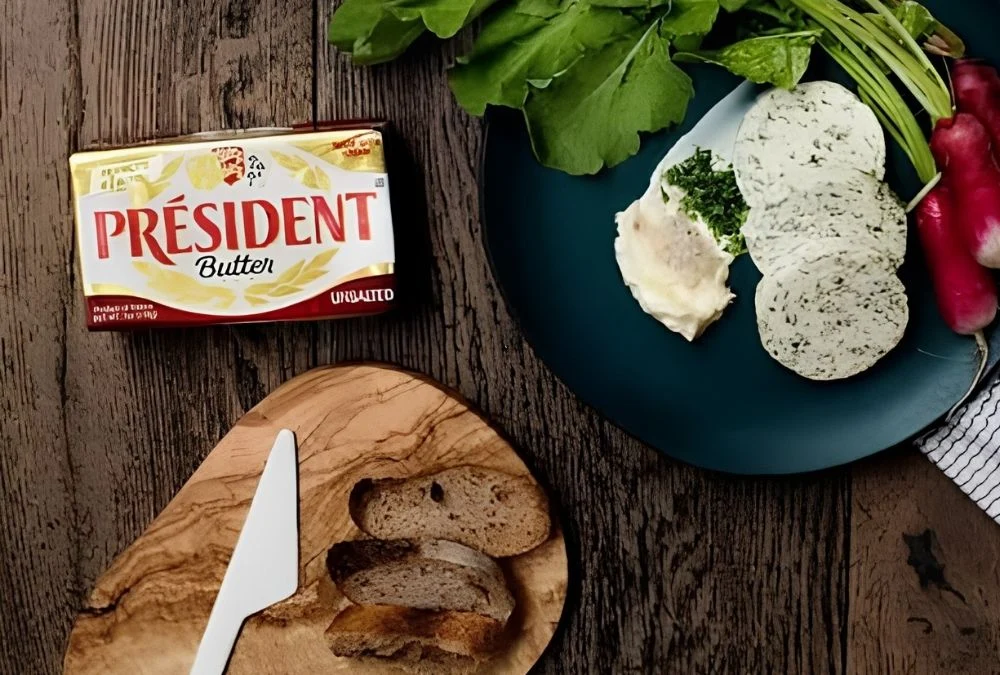
Président brings a French-style approach to the list.
The company says its butter contains pasteurized cream, cultures, and salt. It also offers salted, unsalted, sea salt, and spreadable versions.
The presence of cultures should not scare shoppers. Culturing cream is a traditional butter-making method that develops flavor.
Verdict: Real butter, particularly appealing if you like a cultured European-style flavor.
14. Cabot
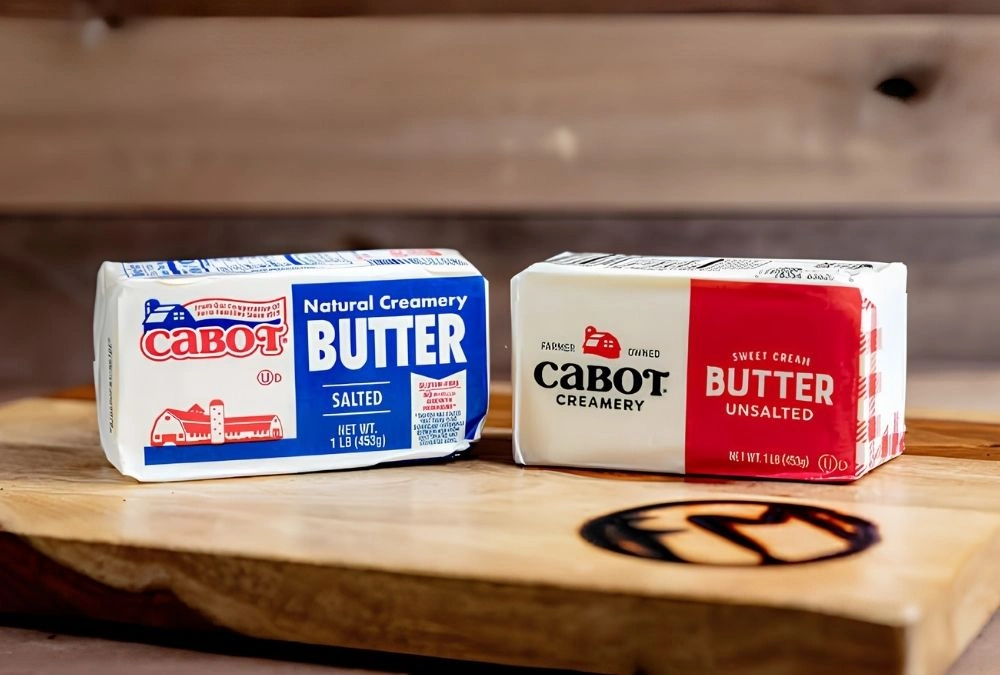
Cabot sells salted, unsalted, whipped, and European style butter varieties.
Its food service range even includes an 83 percent European Style Unsalted Butter, showing again that butterfat percentages can differ within one brand.
Buying Cabot therefore requires the same rule that applies to Land O Lakes. Read the actual product name rather than treating every package from the brand as identical.
Verdict: Real butter with several formats available.
15. Kate’s Homemade Butter
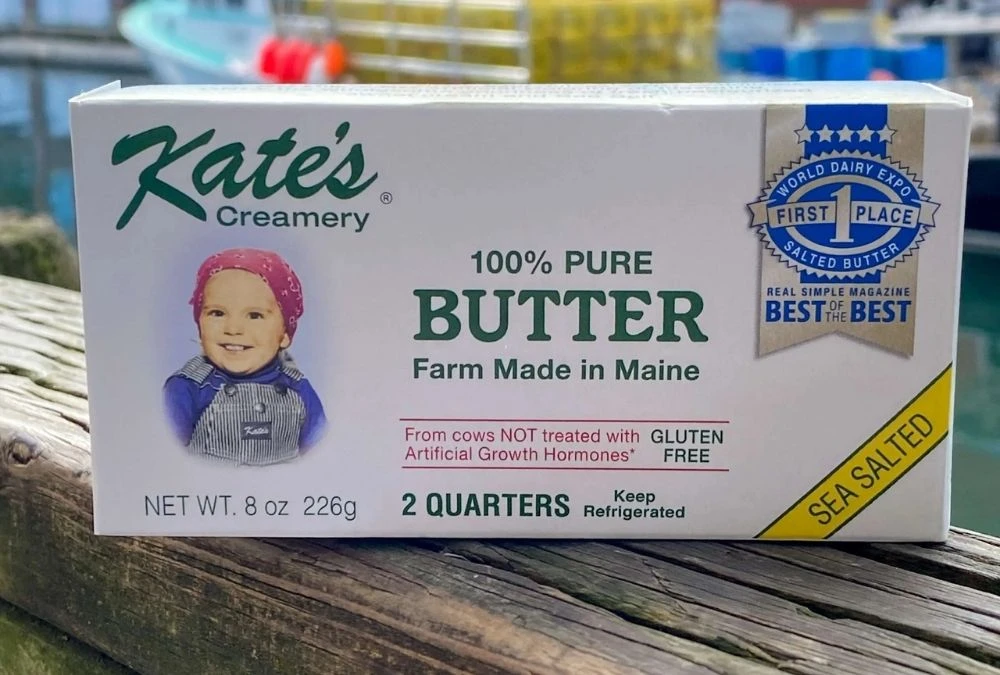
Kate’s Homemade Butter rounds out the list as a traditional-style butter brand.
It is often chosen by shoppers looking for a more regional or small-batch feel rather than a large national dairy brand.
The same label rules still apply. Look at the specific product, serving size, ingredients, and saturated fat rather than assuming “homemade” means nutritionally lighter.
Verdict: A traditional butter option, but the front label should never replace the Nutrition Facts panel.
The 4 Standout Real Butter Picks
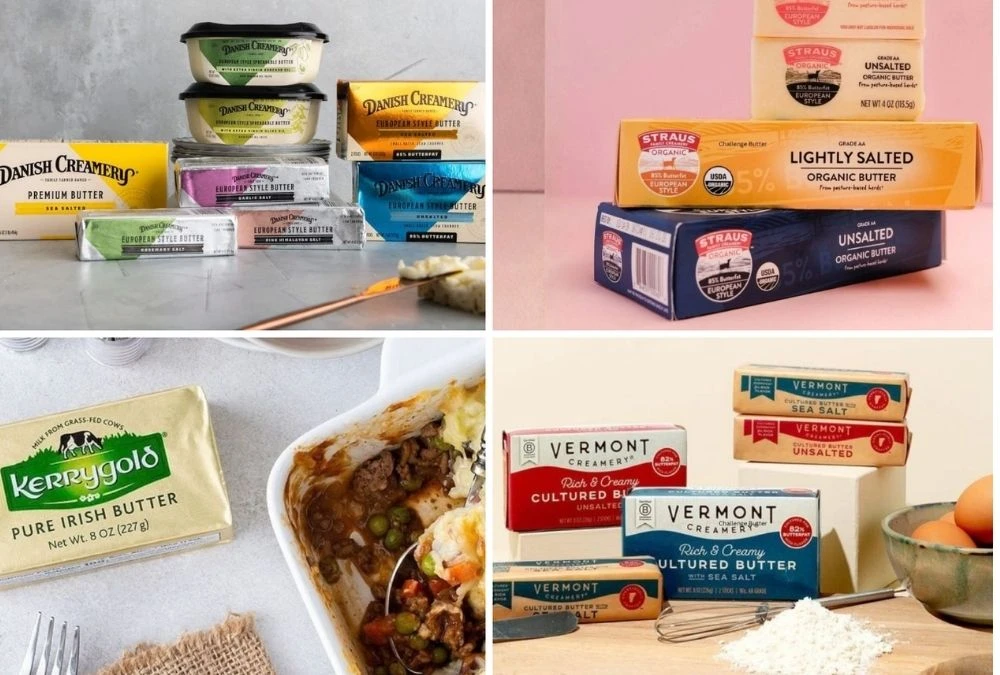
After looking across the group, these four are the most useful standouts for this comparison.
| Standout | Why It Made the Four | Key Detail |
|---|---|---|
| Kerrygold Salted Butter | Very simple and widely recognizable | Pasteurized cream and salt |
| Vermont Creamery Cultured Butter | Traditional culturing process | 82% butterfat |
| Straus European Style Butter | Very high butterfat and extremely simple formula | 85% butterfat |
| Danish Creamery European Style Butter | High butterfat with simple salted formula | 85% butterfat |
But here is the part the headline cannot tell you.
The other 11 brands are not automatically fake butter.
Many of them also sell products that clearly qualify as real butter. The four above are simply the standouts in this comparison because they make ingredient simplicity or butterfat particularly easy to identify.
That is a much more useful distinction than calling every product outside the top four fake.
The Butter Shelf Has a Bigger Trap Than Brand Names
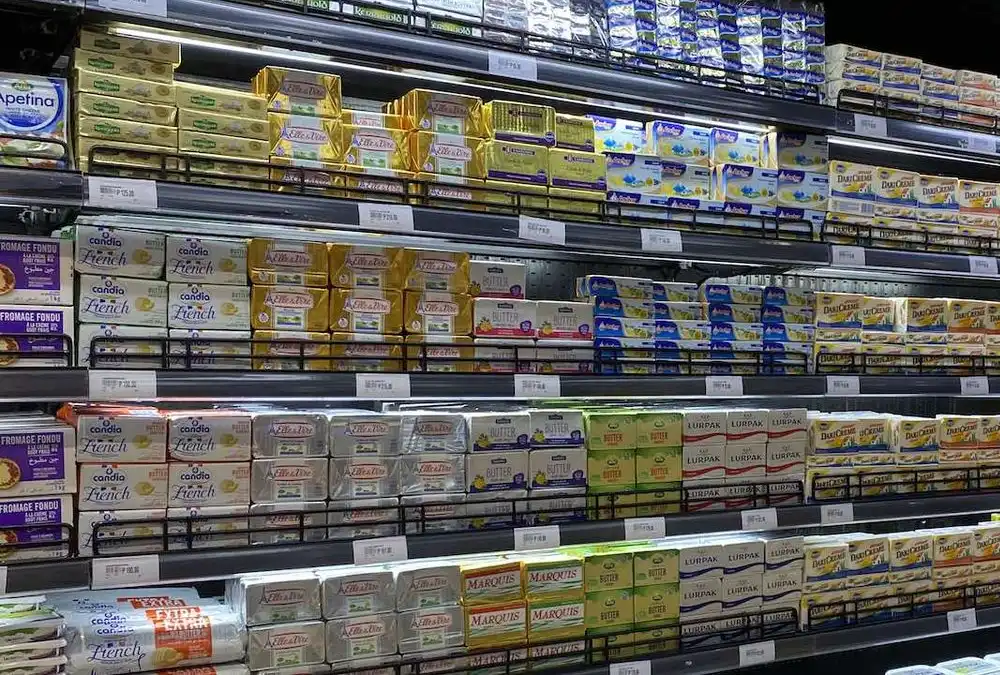
Imagine seeing two Land O Lakes tubs. One is whipped butter. The other is Fresh Buttery Taste Spread. They share a familiar brand name, but they are not nutritionally or structurally the same product.
Land O Lakes Salted Whipped Butter contains pasteurized sweet cream and salt. A tablespoon serving weighs only 7 grams because air has been whipped into it, providing 50 calories and 3.5 grams of saturated fat.
Its Fresh Buttery Taste Spread, by contrast, starts with soybean oil and also contains palm oil, palm kernel oil, buttermilk, emulsifiers, flavorings, and other ingredients. It provides 2 grams of saturated fat per tablespoon.
That spread is not traditional butter.
But calling it nutritionally worse simply because it contains plant oils would also be misleading.
Real Butter Does Not Automatically Mean Healthier Butter
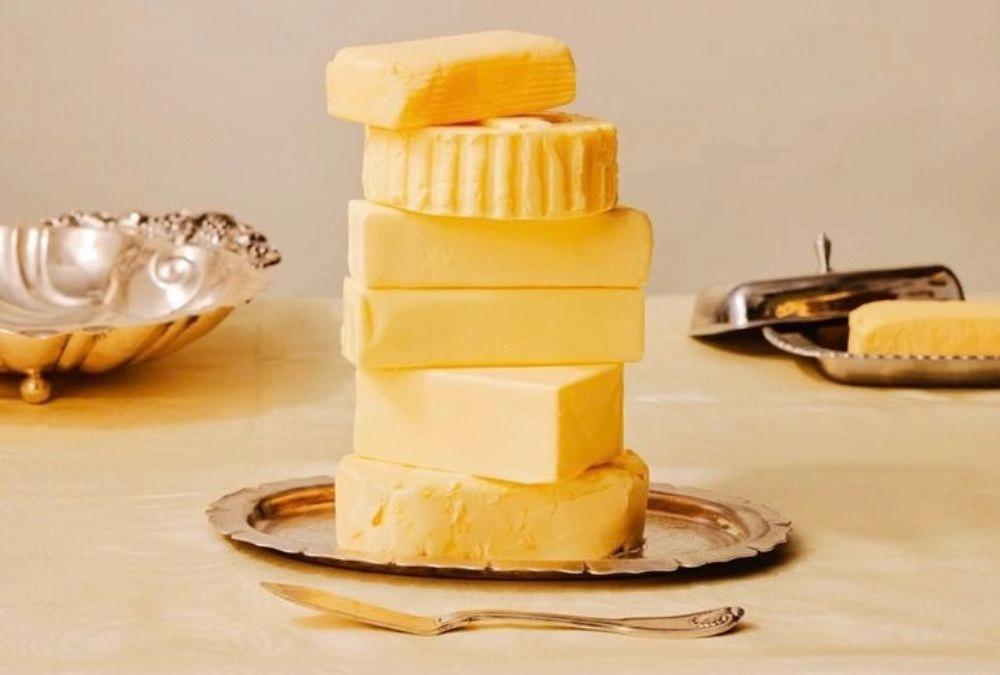
This is the most important health point in the entire article.
Butter is rich in saturated fat. Saturated fat can raise LDL cholesterol, while replacing saturated fat with unsaturated plant fats can lower LDL cholesterol and reduce cardiovascular risk. Mayo Clinic therefore generally favors softer margarines and spreads higher in unsaturated fats for heart health.
That creates an interesting contradiction.
The product with the shortest ingredient list may be the most traditional butter, while another product containing vegetable oils may have considerably less saturated fat.
For example, Land O’Lakes Fresh Buttery Taste Spread contains 2 grams of saturated fat per tablespoon. Regular butter commonly contains around 7 grams in the same tablespoon-sized serving.
So “real” and “heart healthier” are two different questions.
A Simple Grocery Store Check Beats Memorizing Brands

You do not need to remember all 15 names every time you shop. Use these checks instead.
• Read the actual product name, not just the brand.
• Look for cream or milk when you specifically want traditional butter.
• Check for added vegetable oils so you know when you are buying a blend or spread.
• Compare saturated fat using the same serving weight.
• Treat words such as organic, grass fed, European style, and natural as extra information, not proof that a product is healthier.
Check the Serving Weight Before Comparing Calories

Whipped butter creates another label trap.
A tablespoon of regular butter usually weighs around 14 grams. Land O’Lakes whipped butter lists a tablespoon at only 7 grams because the product contains incorporated air.
That is why it can show 50 calories per tablespoon compared with roughly 100 calories for standard butter.
You are receiving less butter by weight in that spoonful.
That can still be useful for portion control. It simply means the lower number does not come from changing the basic chemistry of butterfat.
Higher Butterfat Changes Cooking More Than Health

European-style butters commonly contain more butterfat and less water than standard U.S. butter.
Vermont Creamery describes European-style butter as typically richer because European standards commonly use at least 82 percent butterfat. Its cultured butter sits around 82 percent, while Straus and Danish Creamery reach 85 percent.
That higher fat concentration can improve texture in pastries, sauces, and laminated dough.
But from a health perspective, more butterfat does not automatically mean better.
Straus Unsalted European Style Butter, for example, lists 9 grams of saturated fat per tablespoon.
If saturated fat intake is your concern, the Nutrition Facts panel matters more than the prestige of the butter.
So Which Butter Should Actually Go in Your Cart?

If you specifically want a traditional butter with an easy-to-understand formula, Kerrygold, Vermont Creamery, Straus Family Creamery, and Danish Creamery are four especially strong choices from this group.
Kerrygold provides simplicity and broad familiarity. Vermont Creamery adds traditional culturing. Straus and Danish Creamery both offer a high 85 percent butterfat level.
But there is no scientific reason to pretend the other 11 brands cannot make real butter.
Land O Lakes, Organic Valley, Challenge, Tillamook, Plugrà, Minerva, Président, Cabot, and others on this list also sell genuine butter products.
The smarter question is not simply, “Is this brand real butter?”
Ask, “What exact product am I buying, what is in it, and does its fat profile fit how I eat?”
