

Your genes are not the only thing shaping how your brain ages. Everyday habits, from sleep and exercise to diet, can affect memory, concentration, and long-term brain health. Some choices may increase inflammation, damage blood vessels, and raise the risk of cognitive decline.
A major 2024 Lancet Commission report identified 14 potentially modifiable dementia risk factors, estimating that addressing them could prevent or delay about 45% of dementia cases worldwide. This is a population estimate, not an individual guarantee.
These 19 daily choices may help you protect your brain and maintain sharper thinking as you age.
Brain aging is influenced by genetics, medical conditions, and lifestyle. Healthy habits may lower certain risks, but they cannot guarantee dementia prevention or replace appropriate medical care.
1. Sitting for Hours Without Giving Your Body a Break

Spending most of the day sitting can affect more than your waistline. Long periods of inactivity are associated with poorer metabolic health, including problems with blood sugar regulation and blood vessel function.
Your brain depends on a steady supply of oxygen and glucose delivered through healthy blood vessels. Conditions that damage those vessels may also affect the brain’s ability to function properly as you age.
Researchers have linked lower physical activity levels with greater dementia risk, although the relationship between sitting itself and dementia is still being studied. Someone can meet exercise recommendations and still spend too much of the day inactive.
Try standing up or moving around for a few minutes every 30 to 60 minutes. Walk while talking on the phone, do light household tasks, or take a short stroll after lunch.
These small movement breaks are not a substitute for regular exercise, but they can help reduce the amount of time your body spends inactive.
2. Sleeping Less Than Your Brain Needs

Poor sleep affects how the brain processes and stores information. During sleep, the brain strengthens memories, regulates important chemical signals, and carries out processes involved in maintaining healthy brain tissue.
Researchers are also studying how sleep supports the removal of metabolic waste from the brain, including proteins associated with Alzheimer’s disease. Much of the detailed evidence about this clearance process comes from experimental research, and its role in preventing human dementia remains uncertain.
Mayo Clinic recommends that adults generally aim for 7 to 9 hours of sleep each night. Persistent sleep loss can interfere with attention, mood, and memory even when a person does not have dementia.
Start by keeping a regular bedtime and wake time. Make your bedroom dark and quiet, and avoid caffeine late in the day if it interferes with your sleep.
If you regularly wake up exhausted despite getting enough sleep, the problem may be sleep quality rather than the number of hours.
3. Skipping Your Daily Walk

A daily walk may seem too ordinary to make much difference, but regular aerobic activity is one of the better supported habits for healthy brain aging.
Walking increases circulation, helps manage blood pressure, and improves the body’s ability to use insulin. These effects matter because vascular damage and poor metabolic health are associated with cognitive decline.
Physical activity may also influence brain-derived neurotrophic factor, commonly called BDNF. This protein helps support the survival and adaptability of nerve cells.
The National Institute on Aging describes research showing links between physical activity, brain metabolism, and memory-related brain structures. However, no amount of walking can guarantee that dementia will be prevented.
Aim to work toward 150 minutes of moderate physical activity weekly. A practical schedule is 30 minutes of brisk walking on five days, but shorter sessions still provide health benefits.
If you have been inactive for years, begin with a comfortable 5- to 10-minute walk and increase gradually.
4. Eating Too Many Highly Processed Foods

Your brain uses about one-fifth of the body’s energy at rest, so the quality of your diet matters.
Diets dominated by highly processed foods may provide excessive sodium, refined carbohydrates, and saturated fat while offering too little fiber, potassium, and other useful nutrients. Over time, these patterns can contribute to high blood pressure, weight gain, and poor metabolic health.
Researchers are investigating whether higher consumption of ultra-processed foods is directly associated with faster cognitive decline. The evidence is mostly observational, so it cannot establish that these foods alone cause brain aging.
A useful first step is replacing one heavily processed meal with a combination of vegetables, whole grains, and a protein source.
For example, choose oatmeal with berries and walnuts instead of a sugary breakfast pastry. For lunch, try beans, vegetables, and brown rice rather than relying on packaged snack foods.
You do not need a perfect diet. Improving the overall pattern of what you eat matters more than avoiding every processed ingredient.
5. Letting Your Blood Pressure Stay High
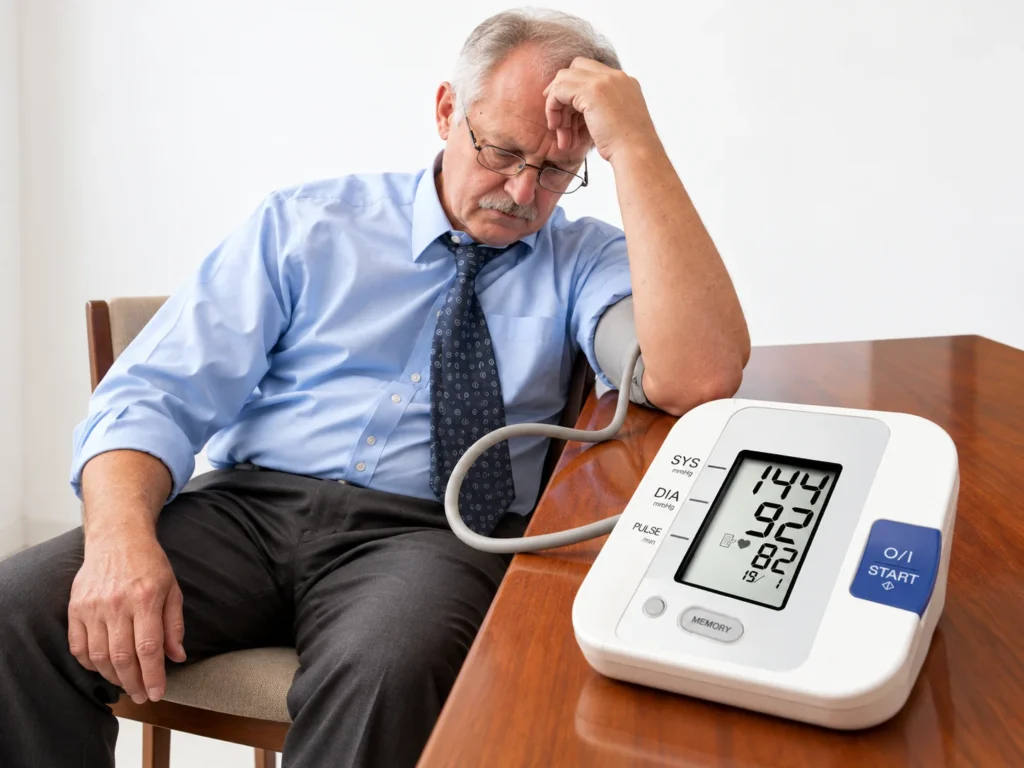
High blood pressure can damage the small arteries that deliver blood to the brain.
Over time, this damage may contribute to white matter changes, small vessel disease, and strokes. These problems can affect memory, attention, walking speed, and the ability to plan everyday tasks.
The 2024 Lancet Commission identified high blood pressure in midlife as an important modifiable dementia risk factor. Managing it is also an established way to reduce stroke and cardiovascular risks.
One difficulty is that high blood pressure often causes no noticeable symptoms. Someone can feel perfectly normal while their blood vessels are experiencing harmful pressure.
Have your blood pressure checked regularly, and use a validated home monitor if your healthcare provider recommends one.
If your readings are repeatedly elevated, discuss them with your doctor rather than relying on symptoms to tell you something is wrong.
Which Everyday Habits Deserve the Most Attention?
| Daily pattern | Why it matters for the brain | Better choice |
|---|---|---|
| Sitting for most of the day | Can contribute to poorer metabolic and vascular health | Take frequent movement breaks |
| Sleeping too little | Can impair attention and memory processing | Aim for 7 to 9 hours nightly |
| Skipping regular exercise | Misses benefits for circulation and cardiovascular health | Work toward 150 minutes weekly |
| Eating mostly highly processed meals | Can increase sodium and saturated fat intake | Choose more fiber-rich whole foods |
| Ignoring high blood pressure | Allows damage to small blood vessels | Monitor readings and follow treatment |
These actions support general cardiovascular and metabolic health. Their effects on long-term dementia risk vary, and they should not be treated as equally proven prevention methods.
6. Treating Chronic Stress as Something Normal

Stress is not always harmful. Short periods of stress can help you respond to challenges, but ongoing stress may keep the body’s stress response activated for too long.
One important hormone involved in this response is cortisol. When stress becomes persistent, changes in cortisol regulation may affect sleep, attention, mood, and memory.
Scientists are interested in how long term stress relates to the hippocampus, a brain region involved in learning and memory. However, human studies do not establish that ordinary daily stress directly causes dementia.
The practical goal is not to eliminate every stressful moment. It is to create regular opportunities for recovery.
Try 10 minutes of relaxed walking, breathing exercises, gardening, or quiet time without your phone. If stress is affecting sleep, relationships, or daily functioning, consider speaking with a mental health professional.
7. Spending Too Much Time Alone

A quiet day at home is not automatically unhealthy. Some people enjoy solitude and maintain strong relationships without frequent social activities.
The concern is persistent loneliness or social isolation, especially when it reduces meaningful contact with other people.
Social interaction engages attention, language, memory, and emotional processing. Conversations require the brain to listen, interpret information, remember details, and respond appropriately.
The National Institute on Aging reports that social isolation and loneliness are associated with poorer cognitive functioning and higher dementia risk. These relationships are complex, however, because declining cognition can also make social participation more difficult.
Consider scheduling regular contact with someone you enjoy talking to. A phone conversation, a community class, a walking group, or a weekly visit can provide meaningful interaction.
Quality matters more than having a crowded social calendar. One supportive relationship may be more valuable than many brief interactions that leave you feeling disconnected.
8. Ignoring Changes in Your Hearing

Hearing loss can make conversations exhausting because the brain must work harder to understand unclear sounds.
When speech becomes difficult to follow, people may withdraw from social situations. That can reduce opportunities for conversation, learning, and mental engagement.
Researchers have also found associations between hearing impairment and cognitive decline. The possible explanations include increased listening effort, reduced social interaction, and underlying health factors affecting both hearing and the brain.
The 2024 Lancet Commission identified hearing loss as a major modifiable dementia risk factor.
If you frequently ask people to repeat themselves, turn the television volume up, or struggle to follow conversations in restaurants, arrange a hearing assessment.
Hearing aids and other treatments can improve communication andhigher-risk life. Research into whether they prevent dementia is promising in certain higher risk groups but not conclusive for everyone.
9. Drinking Alcohol More Often Than You Realize

Alcohol affects communication between nerve cells, which explains why drinking can temporarily impair judgment, coordination, and memory.
Heavy or prolonged alcohol exposure can damage brain tissue and cause nutritional deficiencies, including thiamine deficiency. Severe thiamine deficiency can lead to serious neurological problems.
Excessive alcohol consumption is also among the dementia risk factors identified by the Lancet Commission.
A common mistake is assuming that a daily glass of wine must protect the brain. Observational studies suggesting benefits from moderate drinking have limitations, and alcohol is not recommended as a dementia prevention strategy.
If you drink, pay attention to both frequency and serving size. The safest choice for brain health is not to begin drinking for supposed cognitive benefits.
People who drink heavily every day should seek medical advice before stopping suddenly because withdrawal can be dangerous.
10. Smoking and Exposing Your Brain to Tobacco Smoke

Smoking damages blood vessels and increases the risk of stroke, heart disease, and other conditions that can harm the brain.
Tobacco smoke contains chemicals that contribute to oxidative stress and inflammation. Oxidative stress occurs when damaging molecules exceed the body’s ability to control them.
The brain is particularly sensitive to problems with circulation because nerve cells require a continuous supply of oxygen and nutrients.
The World Health Organization recommends tobacco cessation as part of reducing the risk of cognitive decline and dementia.
Quitting smoking has benefits at almost any age. Blood circulation and cardiovascular health can begin improving after tobacco use stops, although previously accumulated damage may not disappear completely.
If quitting has been difficult, ask a healthcare professional about counseling, nicotine replacement therapy, or other approved treatments.
11. Letting Your Blood Sugar Stay Uncontrolled

Your brain needs glucose for energy, but chronically high blood sugar can harm the blood vessels that supply it.
Diabetes can also contribute to inflammation, nerve damage, and changes in how the body responds to insulin. These processes may affect brain health, especially when combined with high blood pressure or cardiovascular disease.
Type 2 diabetes is associated with a higher risk of dementia. However, this does not mean everyone with diabetes will develop memory problems.
The National Institute on Aging recommends managing conditions such as diabetes and other cardiovascular risk factors to support cognitive health.
If you have diabetes, follow your individualized blood sugar treatment plan. Regular physical activity, appropriate nutrition, medication when needed, and recommended blood tests can all help.
For people without diabetes, replacing sugary drinks with water or unsweetened beverages is one simple way to reduce unnecessary added sugar.
Blood pressure, blood sugar, and exercise targets depend on your medical history. If you have diabetes, heart disease, balance problems, or take prescription medications, discuss major changes with your healthcare provider first.
A Practical Activity Guide for Brain Health
| Activity | General recommendation | Why it may help |
|---|---|---|
| Brisk walking | 30 minutes, 5 days weekly | Supports circulation and blood pressure |
| Strength training | At least 2 days weekly | Supports muscle strength and glucose regulation |
| Balance exercises | Regularly, especially after 65 | May reduce falls and related brain injuries |
| Dancing | Include in weekly physical activity | Combines movement, coordination, and mental engagement |
| Light movement breaks | Several times throughout the day | Reduces prolonged sitting |
The CDC recommends at least 150 minutes of moderate aerobic activity weekly, plus muscle strengthening exercises on two or more days. Older adults should also include activities that improve balance.
These are general activity recommendations, not specific doses proven to prevent dementia. Start at a level that matches your abilities.
12. Forgetting to Challenge Your Brain With New Things

Repeating familiar routines requires less mental effort than learning something unfamiliar.
Your brain forms and adjusts connections between nerve cells through a process called neuroplasticity. This ability continues throughout life; problem-solving changes with age.
Activities that require concentration, learning, and problem-solving may help support cognitive reserve. Cognitive reserve describes the brain’s ability to cope with changes or damage while continuing to function.
Learning a language, practicing music, or developing a new skill can engage several cognitive abilities at once. However, evidence that any specific brain game prevents dementia remains limited.
Choose something slightly challenging but enjoyable. Practice for 15 to 20 minutes several days each week, increasing the difficulty as you improve.
The goal is meaningful learning, not achieving a perfect score on a phone app.
13. Eating Too Few Vegetables, Berries, and Healthy Fats

A diet lacking plant foods may leave you short of nutrients involved in normal brain function.
Leafy greens provide folate and vitamin K, while berries contain plant compounds called polyphenols. Nuts, olive oil, and fatty fish provide unsaturated fats; omega-3s support cardiovascular health.
Fatty fish such as salmon and sardines contain omega 3 fatty acids, including DHA, which is an important structural component of brain cell membranes.
The Mediterranean and MIND dietary patterns emphasize combinations of these foods rather than relying on one ingredient.
However, the evidence deserves careful interpretation. A 2023 randomized trial involving 604 older adults found that the MIND diet did not produce significantly better cognitive outcomes than a comparison diet after three years. Both groups received dietary counseling and mild calorie reduction.
That finding does not mean healthy eating is useless. It means researchers have not established that one particular diet prevents dementia.
Try building meals around colorful vegetables, beans, whole grains, fruit, nuts, and suitable protein sources. Replacing butter with olive oil or adding berries to breakfast can be an easy starting point.
14. Ignoring Your Cholesterol Numbers

Cholesterol plays several roles in the body, including helping cells maintain their membranes. But excessive LDL cholesterol in the bloodstream can contribute to fatty deposits inside arteries.
This process, called atherosclerosis, can restrict circulation and increase the risk of heart attack and stroke.
Scientists are also investigating how vascular disease and cholesterol-related processes influence cognitive decline.
In 2024, the Lancet Commission added high LDL cholesterol in midlife to its list of potentially modifiable dementia risk factors. It estimated that elevated LDL in midlife accounted for approximately 7% of dementia cases worldwide, based on population-level modeling.
This does not mean lowering cholesterol by a certain amount will automatically reduce an individual’s dementia risk by the same percentage.
Ask your doctor how often you should have a lipid panel. Treatment decisions depend on your LDL level, age, medical history, and overall cardiovascular risk.
15. Overlooking Depression That Does Not Improve

Photo Credit: Marcann Mental Health
Depression is more than feeling sad occasionally. It can affect concentration, motivation, sleep, appetite, and the ability to remember information.
Some people with depression experience noticeable problems with thinking and memory. These symptoms can resemble early cognitive decline, particularly in older adults.
Depression and dementia also have a complicated relationship. Depression may contribute to dementia risk, while early brain changes can sometimes produce depressive symptoms before memory problems become obvious.
The National Institute on Aging identifies depression as a health condition that can affect cognition and deserves proper medical attention.
If low mood, loss of interest, or persistent fatigue lasts for two weeks or longer, discuss it with a healthcare professional.
Effective treatments may include psychotherapy, medication, physical activity, and social support. Treating depression can improve daily functioning and cognitive symptoms, although it has not been proven to eliminate future dementia risk.
Try This Today: Five Small Changes Worth Keeping
You do not need to change all 19 habits at once. Choose a few actions that fit your current routine.
- After breakfast: Take a 10-minute walk at a comfortable pace.
- At lunch: Add one serving of vegetables or beans to your meal.
- During the afternoon: Spend 15 minutes reading, learning, or practicing a skill.
- Before dinner: Call someone you enjoy talking to or arrange a social activity.
- Before bedtime: Put away distracting screens and follow a consistent sleep routine.
Repeat the actions that feel manageable. Once they become familiar, gradually add another healthy habit rather than attempting a complete lifestyle change overnight.
16. Neglecting Vision Problems That Make Daily Life Harder

Poor vision affects much more than the ability to read small print.
When vision declines, everyday tasks such as driving, walking outdoors, reading, and recognizing faces become more difficult. These limitations may reduce independence, social interaction, and opportunities for mental stimulation.
Vision loss can also increase the risk of falls and injuries.
The 2024 Lancet Commission added untreated vision loss in later life as a modifiable dementia risk factor, estimating that it was associated with approximately 2% of dementia cases worldwide.
Researchers are still studying whether treating different forms of vision loss changes dementia outcomes. Even without that certainty, maintaining good vision has clear benefits for safety and quality of life.
Schedule eye examinations at intervals recommended for your age and health. Conditions such as cataracts, glaucoma, and diabetic eye disease deserve timely evaluation.
If reading has become difficult, ask whether updated glasses, better lighting, or other treatment could help.
17. Ignoring Loud Snoring and Breathing Problems During Sleep

Some people spend eight hours in bed but still wake up feeling exhausted.
One possible explanation is obstructive sleep apnea, a condition in which breathing repeatedly stops or becomes restricted during sleep.
These episodes can lower oxygen levels and interrupt normal sleep patterns. They may also contribute to high blood pressure, daytime sleepiness, and problems with concentration.
Researchers have found associations between sleep apnea and cognitive problems, although the degree to which treating apnea prevents dementia is still being investigated.
Mayo Clinic advises seeking medical evaluation when snoring interferes with sleep because it may signal sleep apnea.
Warning signs include loud snoring, witnessed breathing pauses, morning headaches, and persistent daytime sleepiness.
If these sound familiar, ask your doctor whether a sleep study would be appropriate. Treatments can include continuous positive airway pressure, known as CPAP, and other approaches selected according to the condition.
Brain Health Warning Signs That Deserve Attention
| Warning sign | Possible explanation | What to do |
|---|---|---|
| Increasing forgetfulness affecting bills or medications | Cognitive impairment, medication effects, or other medical causes | Arrange a medical appointment |
| Repeated confusion in familiar places | Possible cognitive or neurological disorder | Seek prompt medical assessment |
| Loud snoring with breathing pauses | Possible obstructive sleep apnea | Ask about a sleep evaluation |
| Sudden confusion, speech difficulty, or weakness | Possible stroke or another emergency | Call emergency services immediately |
Memory changes are not always caused by dementia. Thyroid disorders, vitamin deficiencies, depression, sleep disorders, and medication side effects can also contribute to cognitive symptoms.
A proper medical assessment helps identify conditions that may be treatable.
18. Forgetting to Protect Your Head From Injury

Falls can have serious consequences for older adults, especially when they result in head injuries.
A traumatic brain injury can affect memory, attention, balance, and emotional regulation. More severe injuries may cause lasting damage to brain tissue.
Research has linked traumatic brain injury with a higher risk of dementia later in life, although the relationship depends on injury severity and other factors.
The 2024 Lancet Commission includes traumatic brain injury among the modifiable risk factors associated with dementia.
Prevention is especially important for people with balance difficulties, reduced vision, or medications that cause dizziness.
Keep hallways well lit, remove loose rugs, and use handrails on stairs. Wear an appropriate helmet when cycling or participating in activities where head injuries are possible.
If you feel unsteady, ask about balance training, physical therapy, or a review of medications that may increase fall risk.
19. Taking Medications Without Reviewing Their Effects on Memory

Some medications can affect alertness, attention, and memory, particularly in older adults.
Drugs with anticholinergic effects are one important example. Acetylcholine is a chemical messenger involved in memory, attention, and other nervous system functions.
Certain medications block its activity. These may include some older antihistamines, bladder medications, and drugs used for sleep or other conditions.
The National Institute on Aging warns that certain medicines and medication combinations can contribute to confusion, memory problems, or other cognitive symptoms.
This does not mean every medication with anticholinergic effects is inappropriate or causes dementia. The risks depend on the particular drug, dose, duration, and patient’s health.
Bring an updated medication list to your next medical appointment, including prescriptions, sleep aids, allergy medicines, and supplements.
Ask whether any medicines could affect memory or increase the risk of falls. Never stop or change a prescribed medication without professional guidance.
Red Flags: When Brain Changes Need Medical Attention

Occasional forgetfulness can happen with normal aging. However, certain changes should not be dismissed as simply getting older.
- Memory loss that disrupts daily life: Repeatedly forgetting important appointments, struggling to manage medications, or having trouble paying familiar bills.
- Increasing confusion: Getting lost in familiar places, forgetting how to complete routine tasks, or experiencing noticeable changes in judgment.
- Changes in language or behavior: Increasing difficulty finding common words, following conversations, or managing everyday responsibilities.
- Sudden neurological symptoms: New confusion, facial drooping, arm weakness, difficulty speaking, or sudden vision loss may signal a stroke. Call emergency services immediately, even if symptoms improve.
Gradual changes deserve a medical appointment, particularly when family members notice them. Sudden symptoms require emergency evaluation.
Small Daily Choices Can Help Support Brain Health

Brain aging is not controlled by genetics alone. Sleep, physical activity, nutrition, cardiovascular health, social connection, and medical care all influence how well your brain functions as you grow older.
The encouraging part is that many useful changes do not require expensive supplements, complicated exercises, or a complete lifestyle overhaul. Walking more often, improving sleep habits, controlling blood pressure, treating hearing problems, and maintaining meaningful relationships are practical places to begin.
No single habit can guarantee protection against Alzheimer’s disease or other dementias. And even people who follow excellent health routines can develop cognitive problems because genetics, age, and other factors still matter.
The most useful approach is consistency, not perfection. Choose one or two habits you can improve this week, build on them gradually, and continue working with your healthcare provider to manage your personal health risks.
Your brain benefits from the same healthy routines that support your heart, blood vessels, muscles, and overall well-being.
