

You reach a certain age and realize the conventional health advice handed out in busy waiting rooms might not hold the key to actual vitality.
Clara reached her century mark by throwing out the rigid rulebooks and tuning into her own body instead.
Turns out there is a completely different way to approach longevity that most medical professionals overlook until it is too late.
1. Ditching the Fear of Good Fats

For years, Clara avoided the idea that all fat was bad for her and kept healthy fats as part of her everyday meals. She regularly used foods like olive oil, nuts, eggs, and a little butter instead of trying to remove every source of fat from her diet.
As she got older, she focused more on the quality of the food she ate than on following strict low-fat rules. Healthy fats provide energy and help the body absorb vitamins such as A, D, E, and K, while also making meals more satisfying.
For Clara, the goal was never to eat large amounts of fat, but to choose nourishing sources and enjoy them in reasonable portions as part of a balanced diet.
2. Walking Through Every Aches

Everyday aches and stiffness do not always mean you need to stop moving. Instead of spending the whole day sitting or resting, gentle walking can become part of a daily routine.
A slow morning walk can help keep the joints moving and make the body feel less stiff throughout the day. There is no need for intense exercise; even a short, comfortable walk can help keep the body active.
Regular walking can also support mobility and make everyday movement easier as you get older.
3. Ignoring Arbitrary Caloric Limits

As metabolism naturally changes with age, older adults may feel pressured to keep cutting back on food, but eating too little can leave the body without enough energy to maintain muscle, repair tissues, support the immune system, and regulate body temperature.
focus can be on nutrient-dense foods that provide plenty of protein, healthy fats, vitamins, and minerals. Eating until comfortably satisfied can help provide the nourishment the body needs without turning every meal into a numbers game.
Everyone responds differently to changes in diet and lifestyle, so anyone managing a chronic health condition should check with their doctor before making major changes to their daily routine.
4. Prioritizing Deep Community Over Quiet Isolation
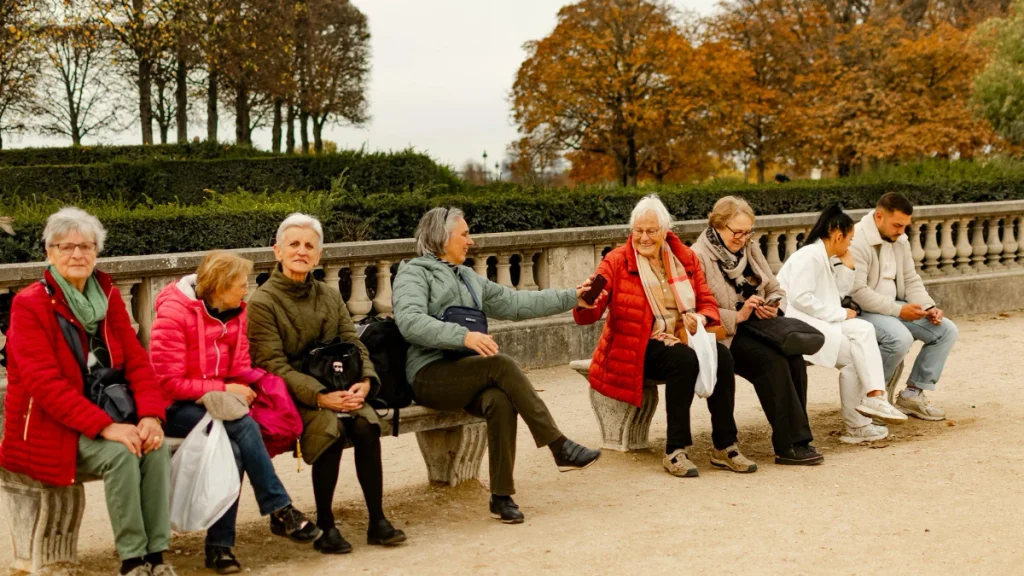
Instead of spending most of her time alone at home, she made an effort to stay connected with friends, neighbors, and family. Regular conversations, shared meals, and simple moments over tea helped keep her socially active and mentally engaged.
Staying connected with others can also support emotional well-being and give older adults a stronger sense of connection. Even a daily phone call or a few shared meals each week can make a meaningful difference.
5. Embracing Physical Labor Around the House

You do not need a gym to stay active. Simple household tasks like sweeping the floor, working in the garden, carrying groceries, doing laundry, and cleaning around the house can keep your body moving. These activities make you bend, lift, walk, and use different muscles during the day. Regular movement like this can help support strength, balance, and mobility. Even small tasks can add useful movement to your routine and help you stay active and independent.
6. Drinking Water Before Thirst Strikes
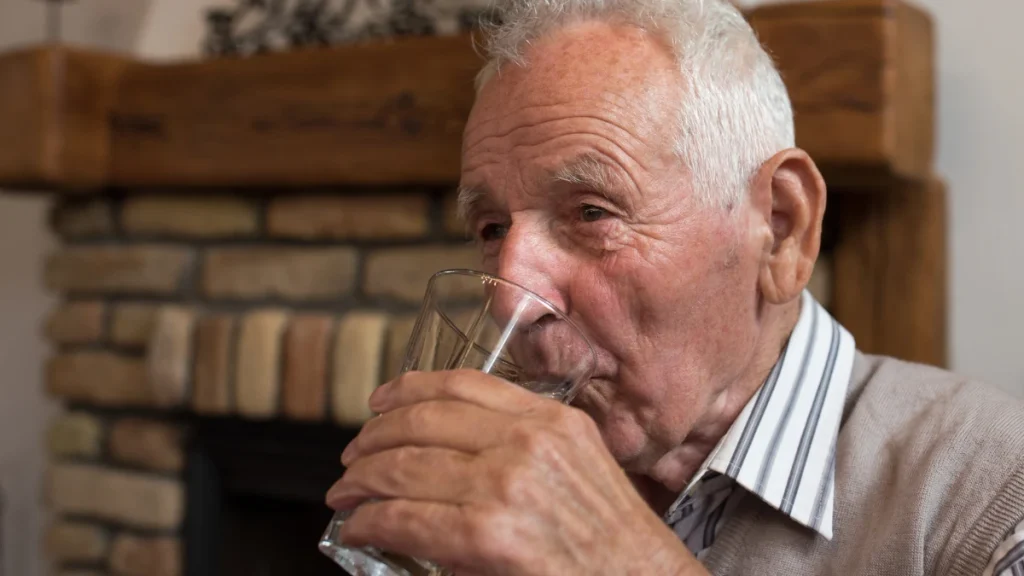
As people age, the body may not always signal thirst as strongly as before. Instead of waiting until her mouth felt dry, she made sure to drink water regularly throughout the day.
Mild dehydration can leave the body feeling tired and may affect focus and everyday energy. Keeping a glass of water near the bed makes it easier to drink some in the morning, while taking small sips throughout the day helps maintain steady hydration.
Drinking enough water regularly supports normal body function and helps you feel more comfortable and alert..
7. Sleeping Without Chemical Aids

Good sleep is important for overall health, but some people may depend on sleep medicines when they have trouble sleeping.
Instead of relying only on medication, a regular sleep routine can also help support better rest. Getting natural morning light soon after waking can help keep the body’s sleep-wake schedule on track.
At night, keeping the bedroom cool, quiet, and dark can make it easier to relax and fall asleep. These simple habits can help create a more comfortable environment for natural sleep..
The Daily Habit Shift
Making it to one hundred and three is not about a single dramatic medical intervention. It is the accumulation of small, daily resistances against physical decay.
Here is a quick reference table comparing common habits with Clara’s longevity practices.
| Daily Habit | Common Practice | Clara’s Practice |
| Morning routine | Coffee and sitting | Water, sunlight, and a short walk |
| Meal structure | Small portions of diet foods | Nutrient dense hearty meals with healthy fats |
| Physical activity | Waiting for help with heavy tasks | Doing household chores independently |
| Social interaction | Watching television alone | Daily phone calls and hosting visitors |
8. Eating Fermented Foods Daily
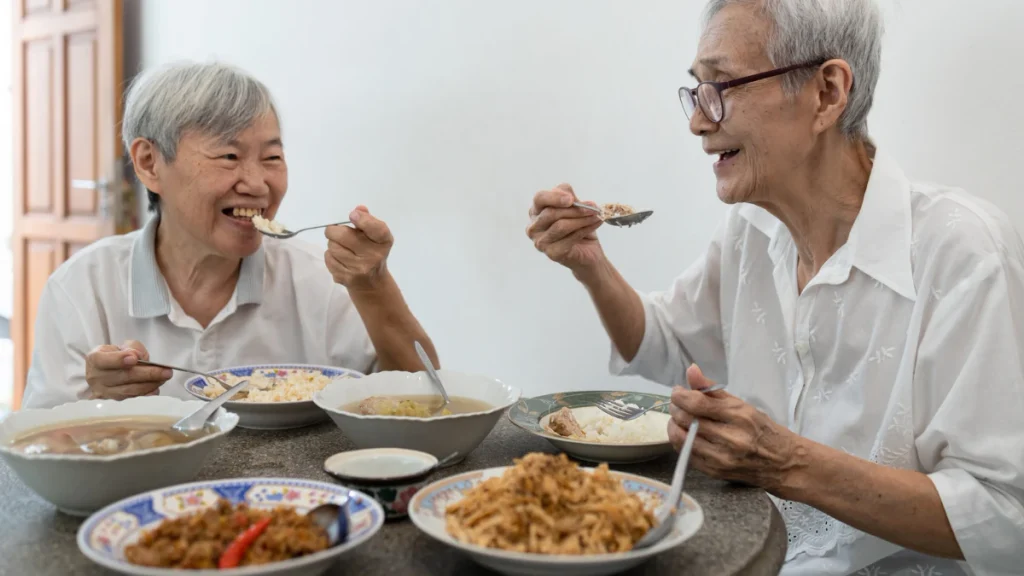
Photo Credit: Canva
Fermented foods can be a simple way to add variety to your daily diet and support a healthy gut. Foods like sauerkraut, kimchi, and kefir contain live cultures that can support the balance of bacteria in the digestive system.
Adding a small serving to lunch or dinner can be an easy habit to maintain. You can have a forkful of sauerkraut or kimchi with your meal, or enjoy a small glass of kefir. Eating these foods regularly can help support normal digestion and overall gut health.
9. Questioning Every New Prescription

As she got older, she became more careful about adding new medicines to her daily routine. At each checkup, she asked her doctor why a medication was needed and whether she still needed the ones already on her list.
Taking several medicines at the same time can sometimes increase the risk of side effects, dizziness, falls, or confusion, especially in older adults. She also asked about lifestyle changes or other options when appropriate instead of automatically adding another prescription.
Regularly reviewing medications with a doctor helped keep her treatment simple and made it easier to spot medicines that might no longer be necessary.
10. Maintaining a Sense of Purpose Every Morning
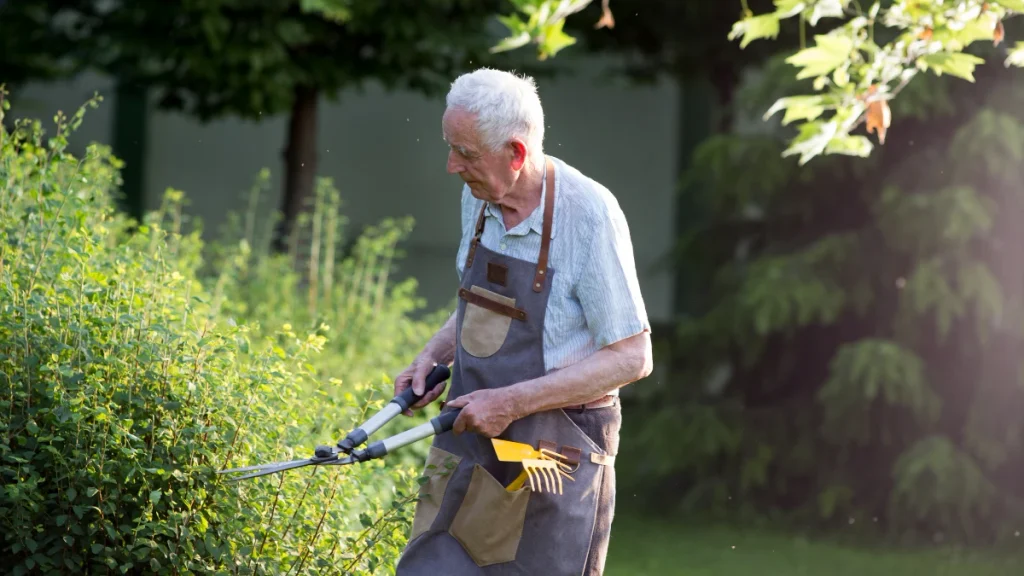
Having a sense of purpose made each morning feel worth getting up for. She kept a few small tasks, plans, or personal projects in mind for the day. It could be watering plants, reading, calling a friend, or spending time on a favorite hobby
. Before going to bed, she chose one simple goal for the next morning. A small plan gave the day direction and helped her stay mentally active as she grew older.
11. Letting Go of Petty Grudges Quickly

Carrying anger and resentment for too long can drain energy and take away from the good parts of the day. Small disagreements are better handled early instead of allowing frustration to build over time.
Long periods of emotional stress can keep the body tense and may affect overall well-being. Forgiveness can help bring peace, while walking away from pointless arguments can prevent unnecessary stress.
Letting minor issues go often feels better than spending time trying to prove a point or staying angry.
12. Prioritizing Natural Sunlight Exposure

Spending some time outdoors each afternoon can be a simple way to get natural light instead of staying indoors all day. Regular sunlight exposure helps the body produce vitamin D, which supports calcium absorption and healthy bones.
Daylight also helps keep the body’s sleep-wake rhythm on track, making it easier to maintain a regular sleep routine. Sitting on a porch, taking a short walk, or spending a few minutes near an open window can add natural light to the daily routine.
Even a short period outside can be a pleasant way to stay connected with the outdoors.
