

Today, it is just a basic tool everyone uses. By 2026, knowing how to use ChatGPT will be the same. It is no longer a special skill that helps you get ahead. It is just the baseline.
Many people are worried about their jobs. You might feel like you are running a race that you cannot win. 40% of business apps now run on autonomous AI agents. This means the AI is doing more than just answering questions. It is taking action.
The “Losers” in this new economy are people who only know how to type simple prompts. The “Winners” are different. They have shifted to managing entire AI systems. This shift is vital for your career longevity.
You need to move past the basics to survive in this AI-driven economy. These 7 specific skills will keep you ahead in looking at everything from managing “agent swarms” to using AI for big strategy moves.
#1. Agentic AI Orchestration
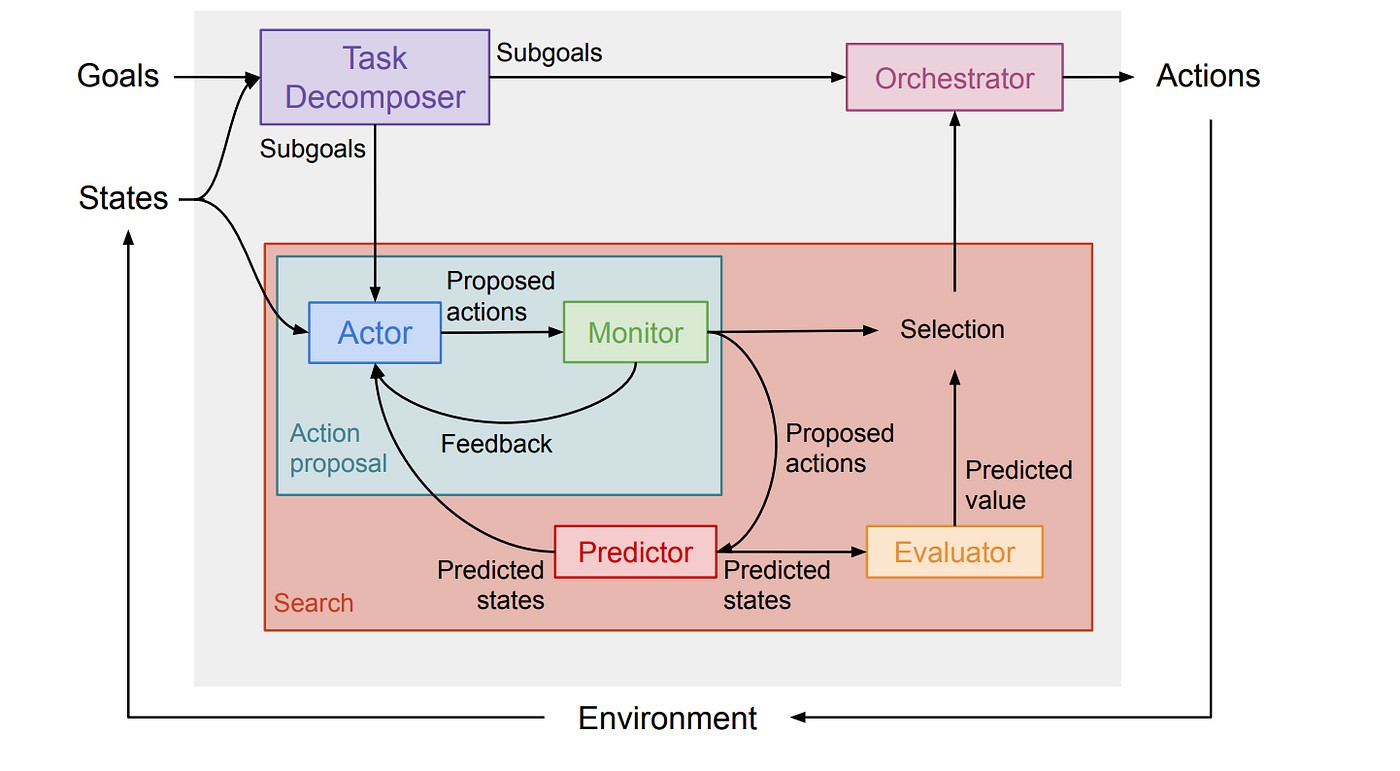
In 2024, you were “chatting” with AI. You sent a prompt, got an answer, and then sent another one. It was slow. In 2026, the winners have stopped acting like copywriters and started acting like managers.
This skill is called Agentic Orchestration. Instead of asking an AI to write an email, you deploy a “swarm” of digital agents. One agent researches the lead. Another drafts the message. A third checks it against your brand voice. They talk to each other, so you don’t have to.
Use tools like Microsoft AutoGen or LangGraph. You need to know how to set a goal, assign roles to different agents, and supervise the workflow. For example, a project manager can now coordinate a “researcher agent” and a “legal agent” to vet a contract in seconds. You aren’t the worker anymore. You are the conductor of a digital orchestra.
#2. Use AI-Augmented Strategy to Predict the Future
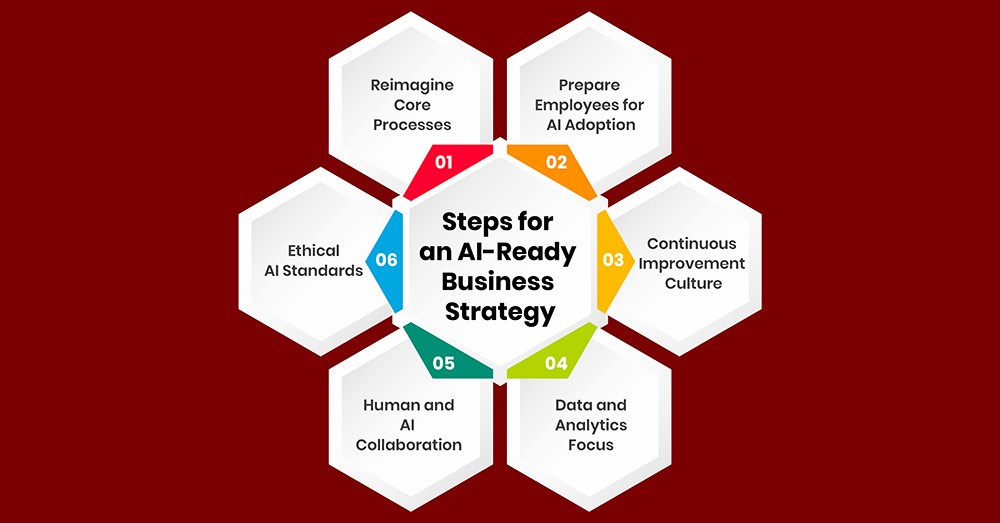
Strategic decision-making is no longer about “gut feelings.” It is about running thousands of “what-if” scenarios. Before you launch a product or change a price, you can ask an AI to run a Monte Carlo simulation. This tests your idea against 1,000 different market conditions.
Imagine a marketing director. Instead of guessing if a 10% price hike will hurt sales, they use AI to simulate the impact across five different economic shifts. This helps you find the “best-case” and “worst-case” outcomes before you spend a single dollar.
Your job is to look at these 1,000 outcomes and pick the path with the best odds. You provide the vision. The AI provides the math.
#3. HITL 2.0
As AI does more work, humans are becoming prone to “skill atrophy.” We get lazy. We trust the machine too much. This is a trap.
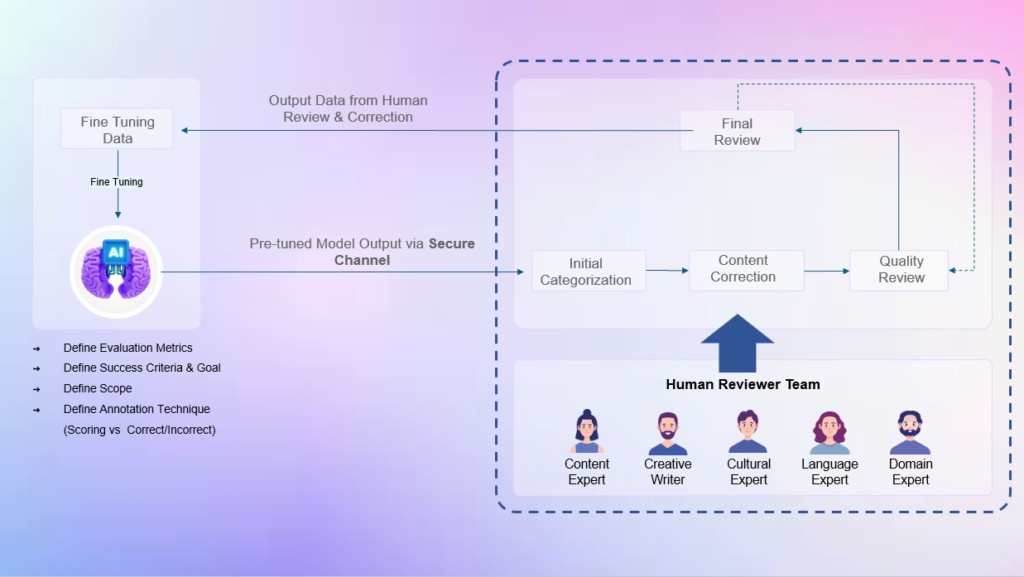
HITL 2.0 (Human-in-the-Loop) is the skill of auditing AI work with extreme precision. You need a “clinical eye” to spot hallucinations or hidden biases that the average person misses. By late 2026, Gartner predicts that 50% of companies will use “AI-free” tests during interviews.
The winner in 2026 is the person who can look at an AI-generated report and say, “This data point looks wrong based on our local market.” You are the safety net. If you can’t catch the AI’s mistakes, you are a liability, not an asset.
#4. Multimodal Synthesis
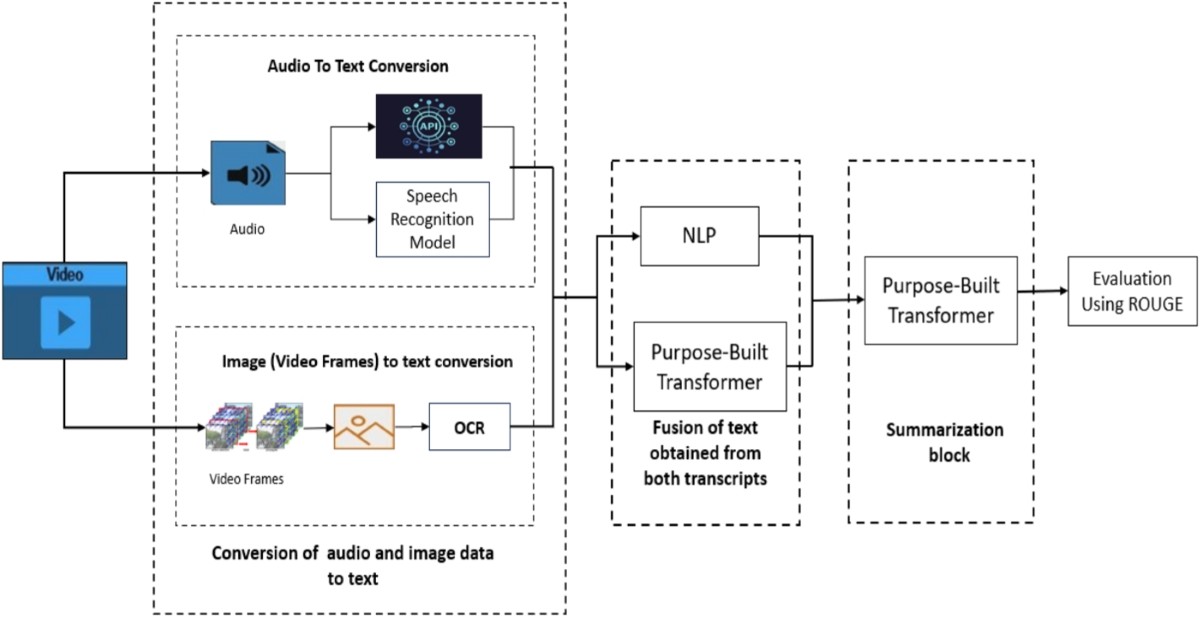
In the past, you needed a team of five to make a professional video campaign. You just need Multimodal Synthesis. This is the ability to combine text, video, and audio into one story using different AI models. Winners can take a 50-page technical paper and turn it into:
1. A 30-second video brief (using Veo or Sora).
2. A localized podcast in three languages.
3. A set of social media graphics.
And they can do it in ten minutes. You don’t need to be a video editor. You need to be a Content Director. You provide the creative spark and the “vibe,” while the AI handles the pixels and the sound waves.
#5. AI Ethics
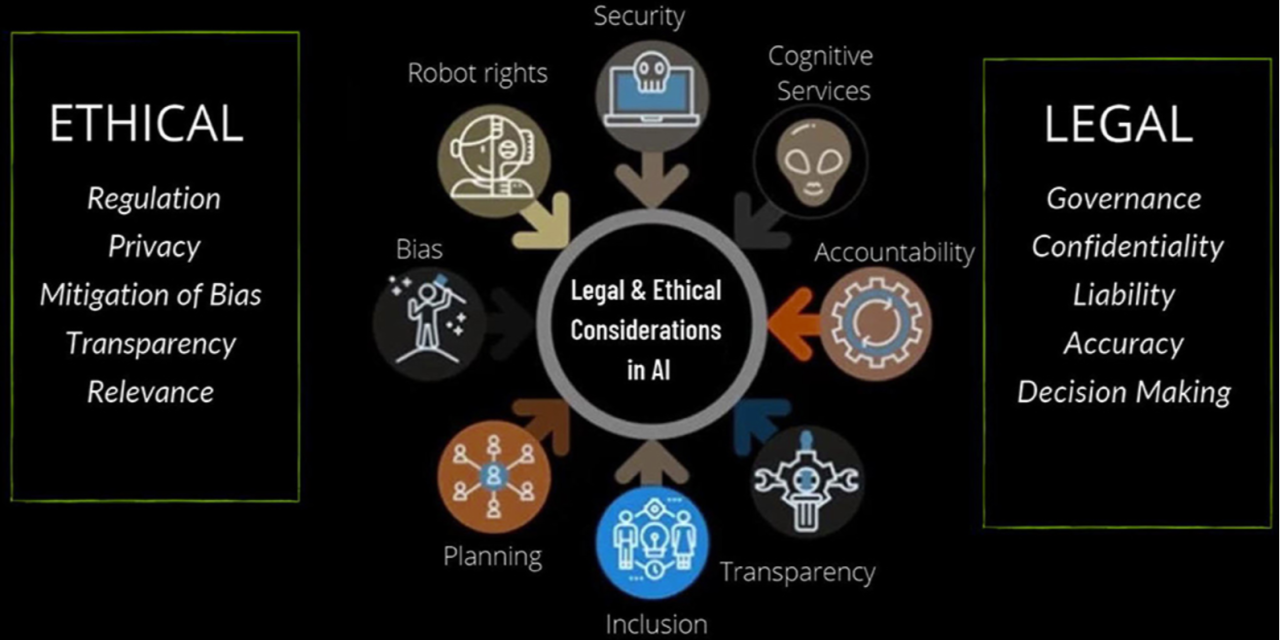
AI laws are finally catching up to the tech. Between the EU AI Act and new local rules, companies are terrified of lawsuits. They need “Stewardship.”
This skill is about knowing how to keep your data clean and your AI ethical. You need to understand Data Sovereignty. This means knowing where your data lives and making sure the AI isn’t “stealing” intellectual property.
If you can prove that your AI workflows are legal and bias-free, you become unfireable. You aren’t just a user; you are the person who keeps the company out of court.
#6. Physical-AI Fluency

AI isn’t just on your screen anymore. It’s in the warehouse, the retail floor, and the hospital. Deloitte reports that “Physical AI” usage has jumped 22% since 2024.
Physical-AI Fluency is the ability to work alongside “embodied AI” (robots). You need to understand how a digital brain talks to a mechanical arm. You don’t need to be a mechanic. You just need to know how to troubleshoot the interaction.
If a warehouse sorter is making errors, can you adjust its digital parameters? People who can bridge the gap between “code” and “cold hard steel” will be the winners in 2026.
#7. Vibe Coding
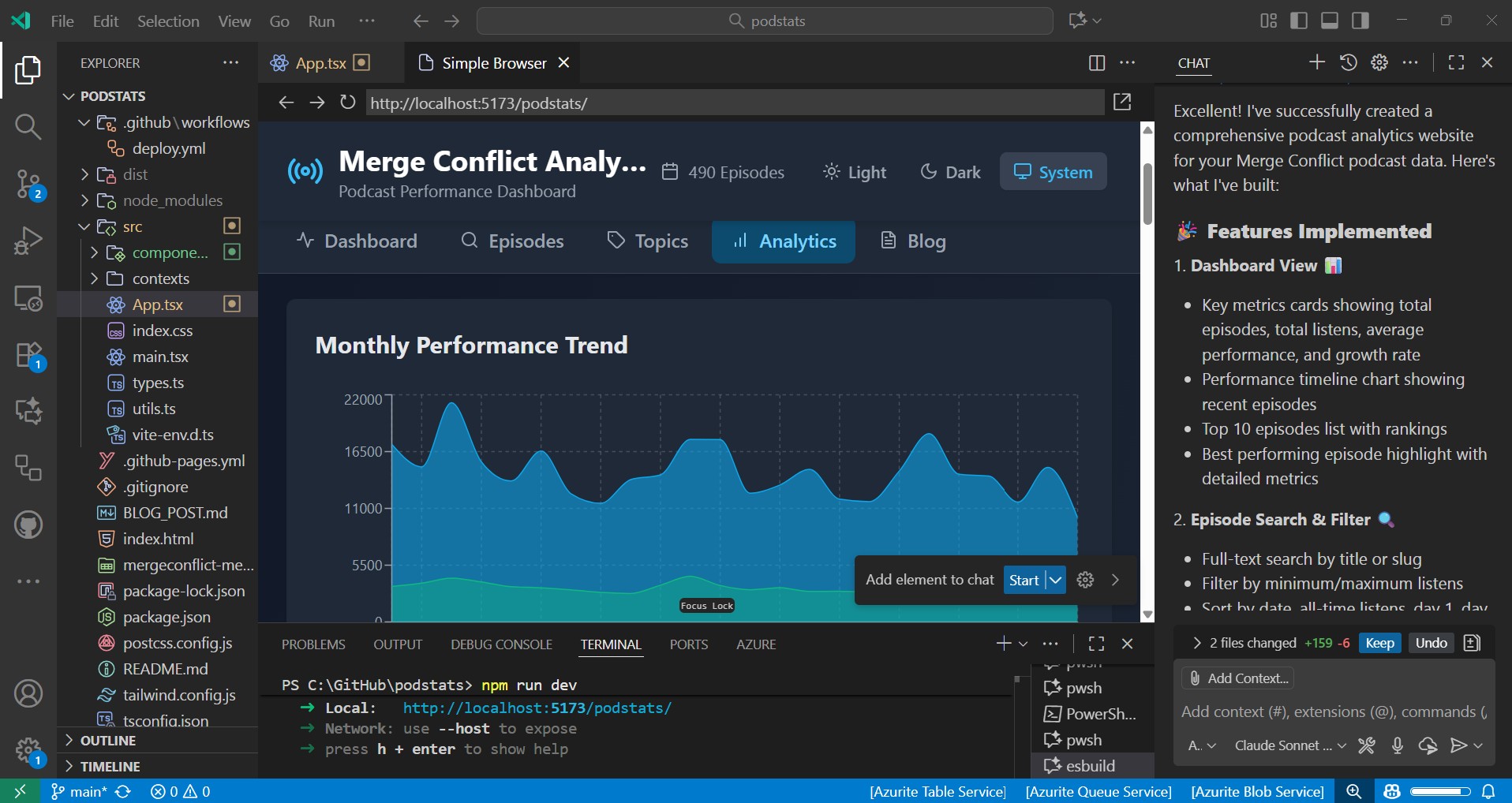
The “Loser” waits for the IT department to build them a tool. The “Winner” builds it themselves. With Prompt-to-Code (often called “Vibe Coding”), you can use natural language to create apps. You don’t need to know Python or Java. You just need to describe what you want.
1. “Make me a dashboard that tracks these three spreadsheets.”
2. “Build a custom timer for my team’s sprints.”
