
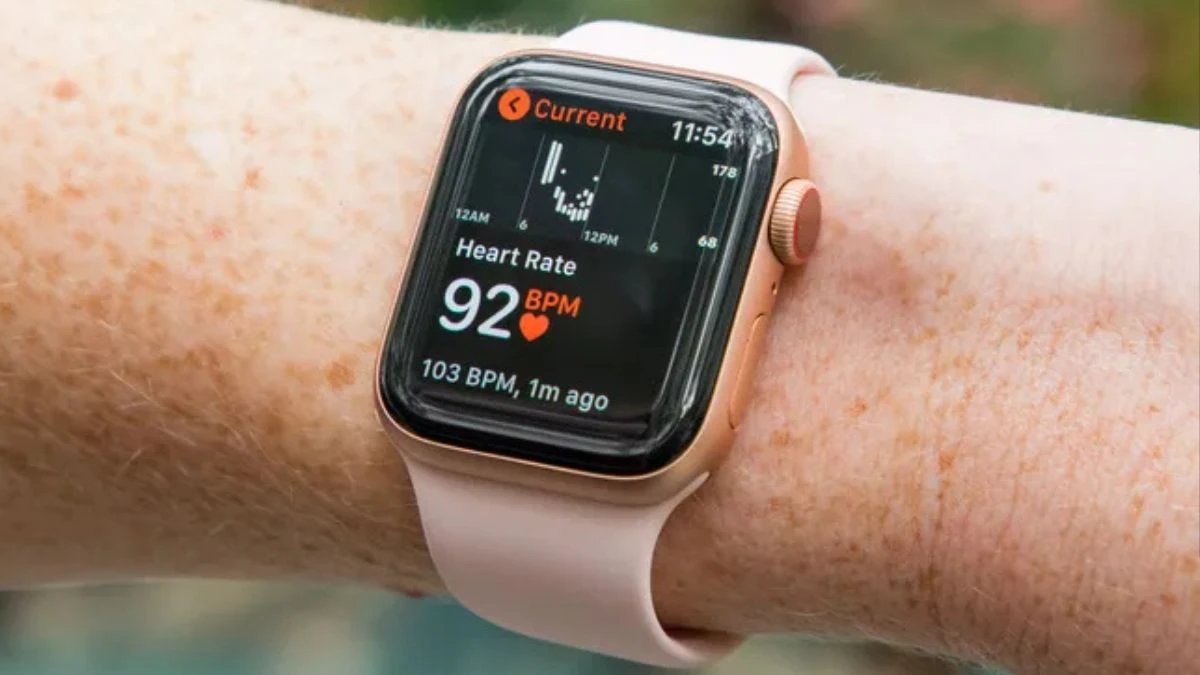
Your Apple Watch was supposed to make you healthier, but instead, you’re pacing your living room at 11:30 PM trying to close your rings. You bought this device to improve your health and simplify your fitness routine. But now you feel Apple Watch anxiety every time you glance at your wrist.
You check it constantly throughout the day. You feel genuine guilt when you miss a goal. You worry about heart rate spikes during normal activities. The smartwatch stress has become overwhelming. This device that promised to reduce friction in your life has transformed into another source of pressure.
This article explains six specific ways your Apple Watch might be damaging your mental health instead of improving it. More importantly, you’ll get practical fixes for each problem so you can keep the genuine health benefits without the health tracking anxiety that’s sabotaging your wellbeing.
1. The Constant Notification Problem Keeps You On Edge
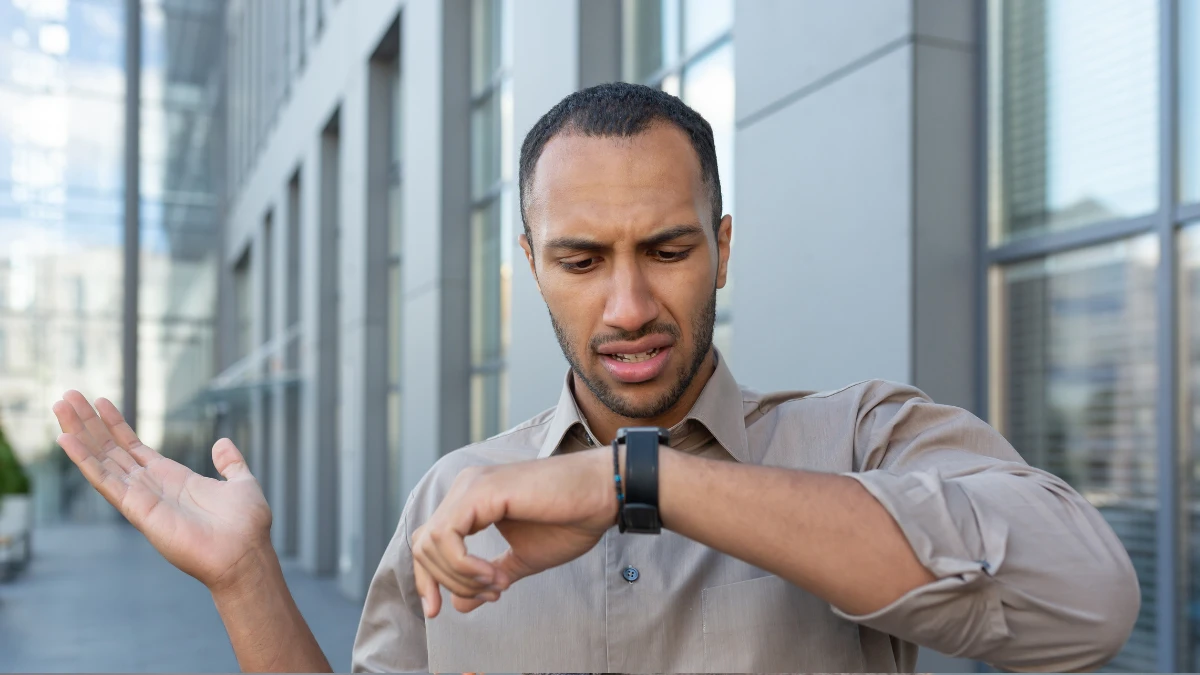
Every vibration on your wrist triggers an immediate response—you glance down, breaking your concentration. Research shows this notification overload from smartwatch alerts can create genuine anxiety, with users becoming “prisoners of the numbers” who compulsively check their devices.
When “time to stand” reminders interrupt deep work every hour, and “close your rings” prompts ping every 30 minutes, you’re training yourself to treat every alert as urgent. Studies reveal fitness trackers can overwhelm users with data they struggle to interpret, leaving nearly one in five U.S. adults who use these devices constantly on edge about their health metrics.
How to fix it
Disable stand reminders during work hours, turn off mid-day activity notifications in favor of one evening summary, enable Do Not Disturb during focused tasks, and keep only truly essential alerts active to reclaim your attention.
2. Activity Ring Obsession Turns Exercise Into a Chore wareable

Users chase 365-day streaks of closing rings obsession, doing jumping jacks at midnight or taking walks at 11:30 PM just to hit arbitrary targets. The Apple Watch rings anxiety becomes real: one traveler lost a six-month streak to flight delays and felt genuinely defeated despite half a year of success.
When your rings begin controlling your mood, determining whether you feel accomplished or ashamed—the watch has shifted from motivator to taskmaster. Setting unachievable benchmarks for physical activity may actually increase health anxiety, transforming exercise from joy into obligation-driven by perfectionist fitness tracking.
How to resolve it
Lower your move goal to 75% of your current target, use watchOS 11’s pause rings feature to program guilt-free rest days, focus on weekly totals instead of daily perfection, and remember that missing one day doesn’t erase months of progress.
3. Sleep Tracking Creates a New Sleep Problem asurion
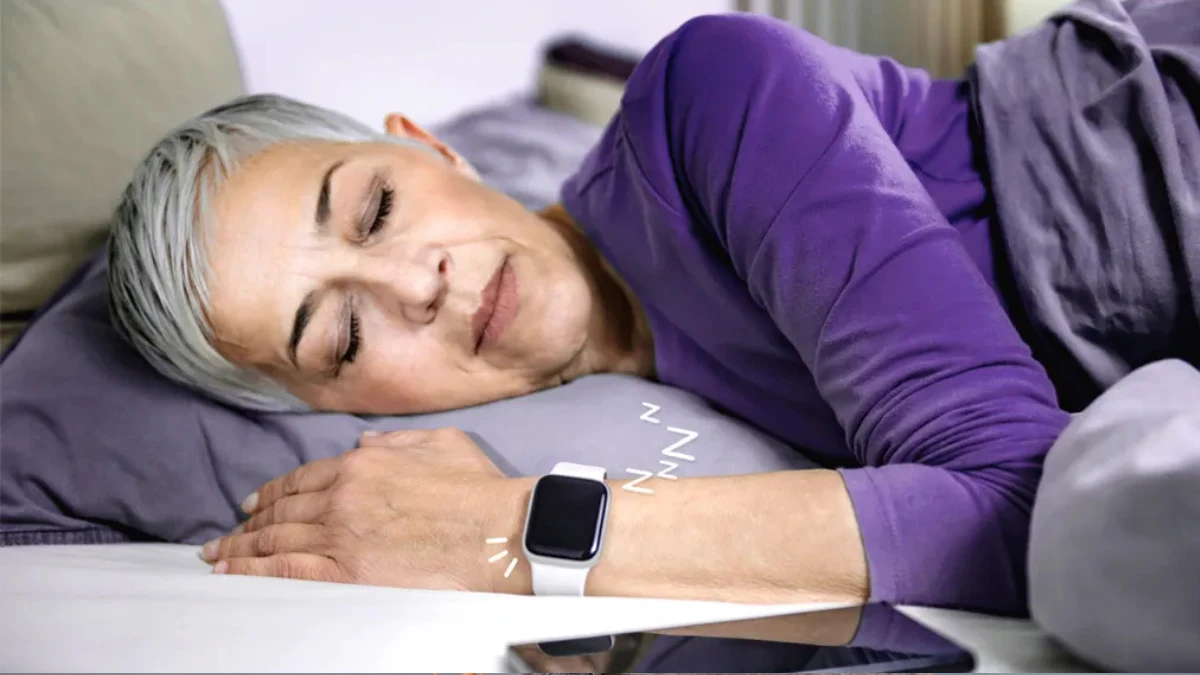
Doctors now see patients suffering from orthosomnia—anxiety specifically caused by obsessing over sleep data. You wake up and immediately check your sleep score; a bad number haunts you all day. One patient described going to bed feeling pressure to ensure his tracker would display eight hours, creating self-induced Apple Watch sleep problems, hardly ideal for actually sleeping well.
While the $30 billion sleep tracking market promises insights, the reality is sobering: stage tracking remains unreliable compared with clinical monitoring. When your device reports only 6 percent deep sleep—a potentially meaningless number—the sleep tracking anxiety it triggers can make you sleep worse, creating the very problem you’re trying to solve.
How to correct it
Stop checking sleep data first thing in the morning, prioritize how you feel over what the numbers say, charge your watch overnight several days per week, and recognize that if forgetting to wear your smartwatch creates anxiety, it’s become a psychological crutch rather than a helpful tool.
4. Heart Rate Alerts Trigger Health Anxiety
The vibration on your wrist delivers a warning: “Irregular heart rhythm detected.” Your chest tightens. Suddenly, you’re hyperaware of every heartbeat, convinced something is seriously wrong. This scenario plays out thousands of times daily as wearables transform routine heart rate monitoring into a source of profound health anxiety that wearables users never anticipated.
One in five atrial fibrillation patients who used wearables experienced intense fear and anxiety in response to irregular rhythm notifications, according to UNC HealthCare research. But perhaps most alarming is the case documented in medical literature: one patient performed 916 ECGs in a single year using their smartwatch, resulting in 12 clinic visits and numerous panicked phone calls to doctors. Of those 916 tests, 701 showed normal sinus rhythm, 55 indicated possible AFib, 30 flagged low or high heart rate, and 130 were simply inconclusive, meaning the patient spent the year in near-constant worry, most of it unnecessary.
How to fix it
Disable irregular rhythm notifications unless you have a diagnosed heart condition requiring monitoring. Remember that an elevated heart rate during stress or exercise is completely normal, resist the urge to perform ECGs unless you’re actually experiencing symptoms, and most importantly, talk to your doctor about what readings genuinely matter for your health profile, not what an algorithm decides warrants an alert.
5. Comparing Yourself to Others Kills Your Motivation

Apple Watch sharing features let you compete with friends and family, turning activity rings into a social scoreboard. But what’s designed to motivate often creates pressure instead. Users describe seeing notifications that friends completed workouts and “feeling like a slob” for not matching their achievements.
This fitness tracker competition triggers social comparison anxiety; you’re no longer exercising for yourself but to avoid falling behind. Everyone’s fitness level, schedule, and life circumstances differ dramatically, yet the leaderboard makes no allowances. When you’re already struggling with goals, watching others succeed amplifies feelings of inadequacy rather than inspiring you.
How to solve it
Turn off activity sharing with friends entirely, hide friend notifications during busy or stressful weeks, remind yourself that you’re not competing with anyone, and set goals based on YOUR life circumstances and capabilities—not someone else’s workout schedule.
6. The Data Never Stops, and Your Brain Can’t Keep Up
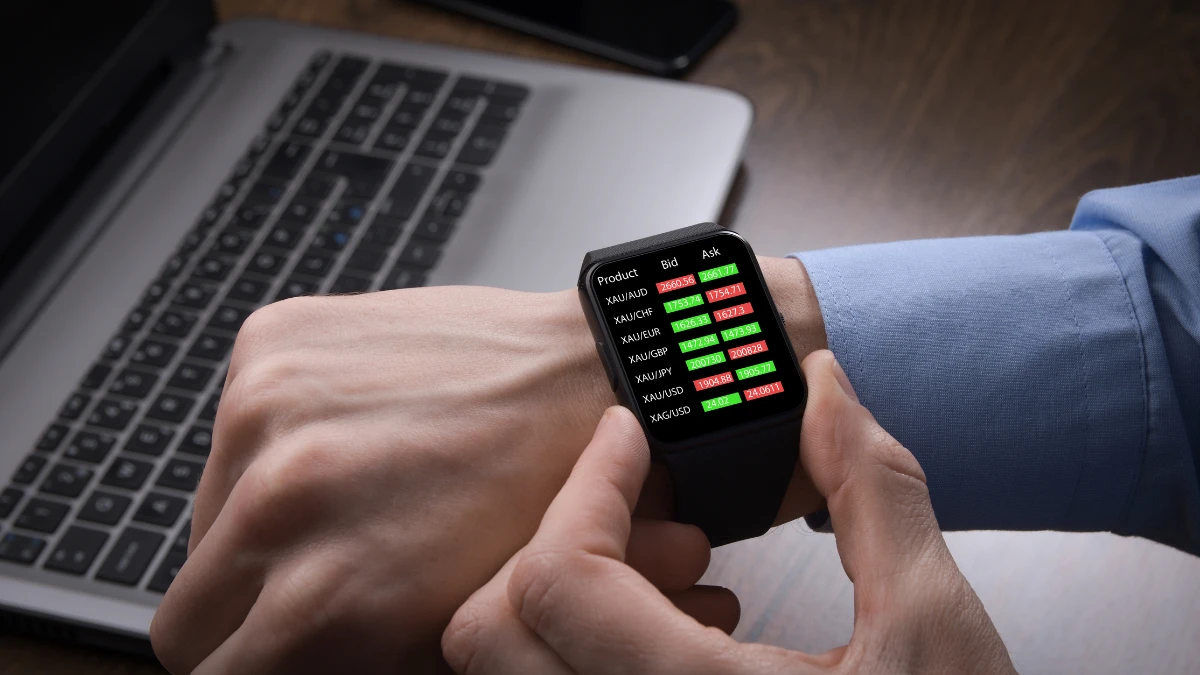
A neuroscientist and former White House fellow studying wearable technology warns that fitness trackers create genuine information overload—and your brain isn’t equipped to process it all. You’re drowning in heart rate variability, step counts, exercise minutes, stand hours, sleep stages, active calories, resting energy, VO2 max estimates, and more.
The entire activity dashboard greets you not only on your watch but also on your iPhone and iPad, creating relentless pressure about meeting goals everywhere you look. Too much data becomes meaningless noise.
A 2019 University of Copenhagen study revealed that many people rely on this avalanche of ambiguous health data anxiety as if it were medical advice, often sparking unnecessary fear, despite the information being served up without any meaningful context. The constant need to check progress becomes an obsession, driving tracking fatigue to new heights.
How to fix it
Remove activity widgets from your iPhone home screen, limit stats reviews to once weekly instead of multiple daily checks, focus on just 1-2 metrics that genuinely matter to your health goals, and create tech-free breaks while adjusting notification settings to reduce the constant digital pressure.
