
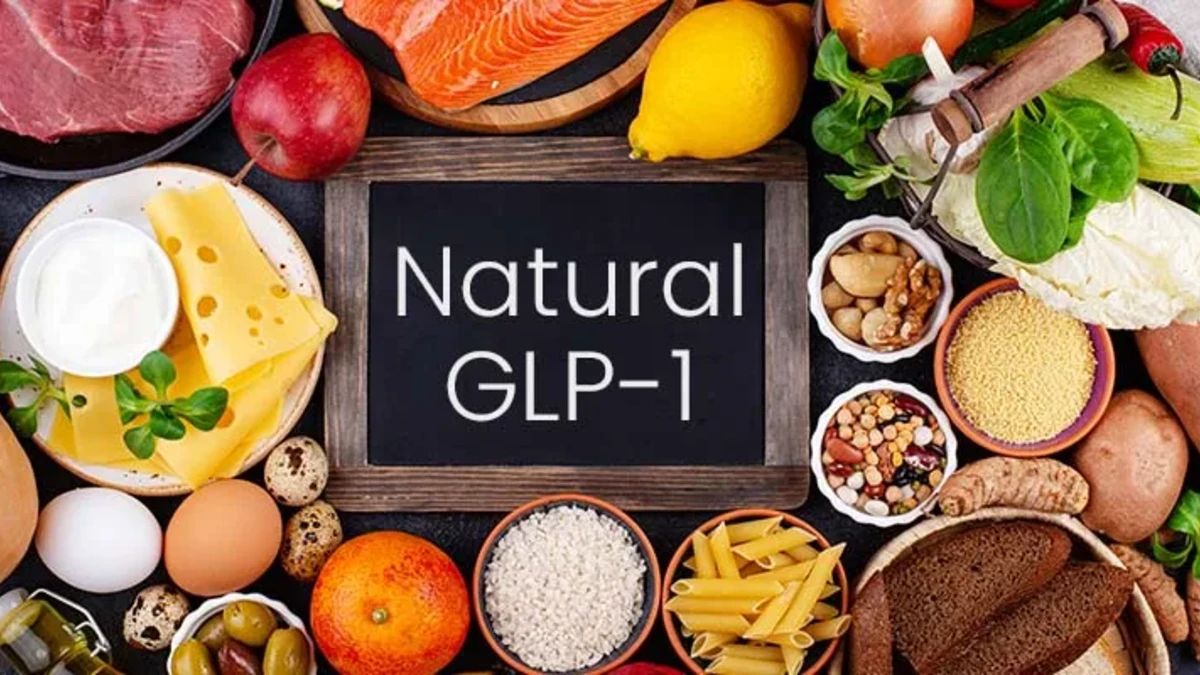
Your body already makes a powerful appetite hormone called GLP 1, but many people unknowingly eat in ways that keep this natural system quiet. When GLP 1 signaling is lower, hunger can return faster, blood sugar swings can become harder to manage, and staying satisfied after meals may feel like a daily battle.
The surprising part is that some inexpensive foods found in regular grocery stores can help support the same pathways involved in GLP 1 release.
Before making any changes based on this article, talk with your doctor, especially if you take diabetes medication, weight loss medication, or have a diagnosed condition.
Before making any changes based on this article, talk to your doctor, especially if you are currently taking medication or have a diagnosed condition.
Why GLP 1 Matters More Than Most People Realize
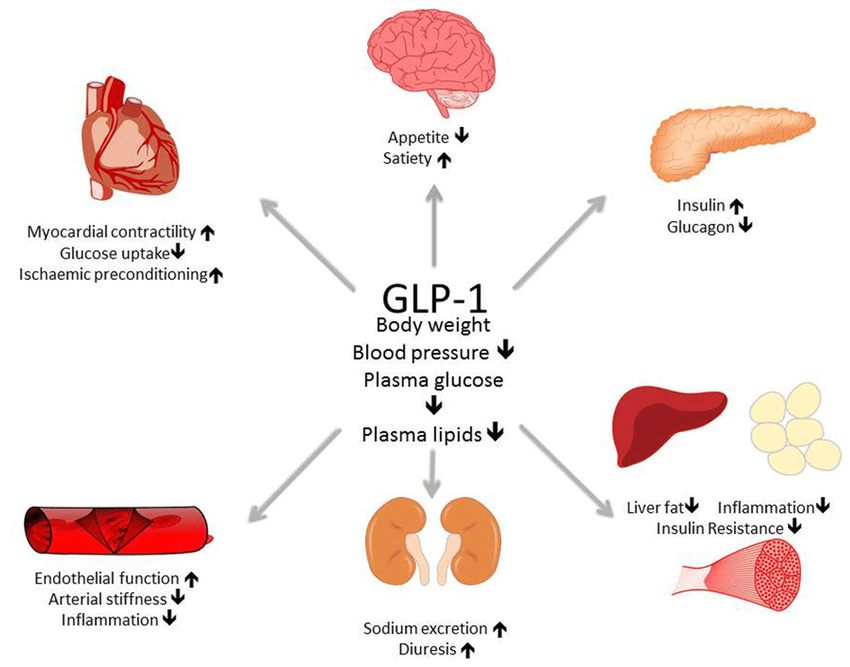
GLP 1, or glucagon like peptide 1, is a hormone produced mainly in the intestine after eating. It helps the body regulate appetite, slow stomach emptying, and support insulin release when blood sugar rises.
Prescription GLP 1 medications have gained attention because they strongly activate this pathway. Foods do not work the same way as medications, but certain nutrients can influence the gut hormones involved in fullness and glucose control.
Research suggests that fiber, protein, healthy fats, and certain plant compounds may encourage the body’s own GLP 1 response.
The goal is not to copy medication effects with food. The goal is to build meals that naturally support the systems your body already uses.
| Food Component | How It May Support GLP 1 Activity | Common Low Cost Sources |
|---|---|---|
| Soluble fiber | Slows digestion and supports gut hormone release | Oats, beans, apples |
| Protein | Stimulates gut hormones linked with fullness | Eggs, yogurt, lentils |
| Resistant starch | Feeds gut bacteria that produce beneficial compounds | Beans, cooled potatoes |
| Healthy fats | Can increase satiety signals | Nuts, seeds, avocado |
1. Oats
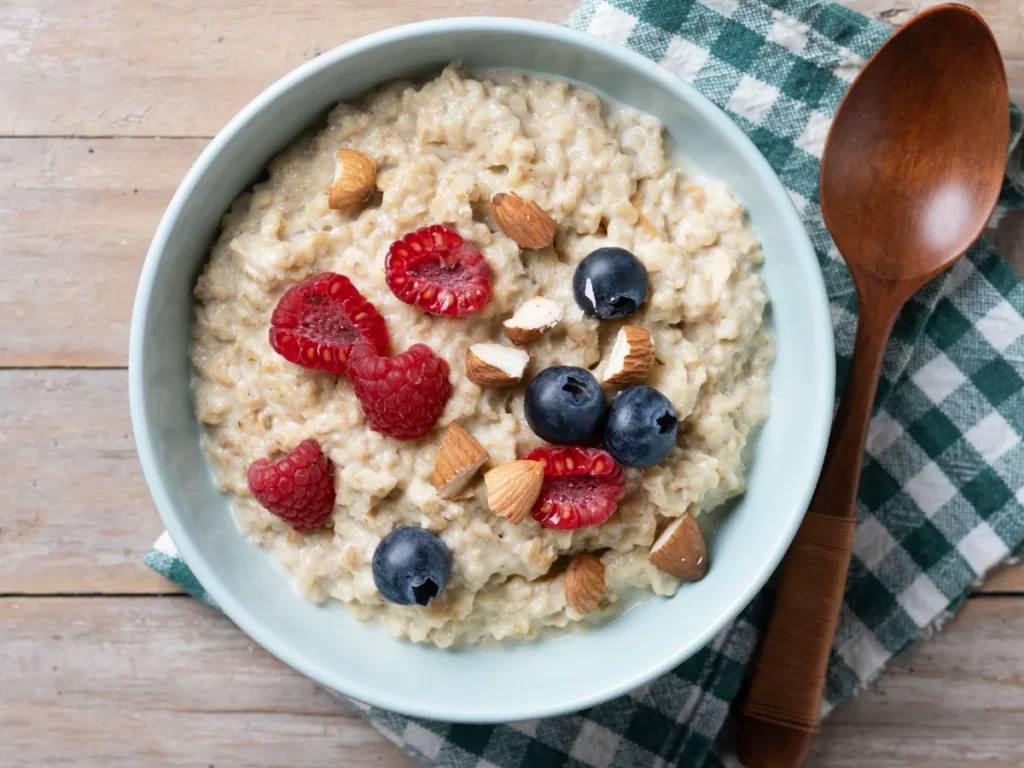
Oats are one of the cheapest foods that support fullness. They contain beta glucan, a type of soluble fiber that forms a gel like substance during digestion. This slows the movement of food through the stomach and may help improve appetite control.
Studies on beta glucan have linked oat intake with improved cholesterol levels and better blood sugar responses after meals. A simple serving of plain oats costs very little and can become more filling when combined with protein such as Greek yogurt, eggs, or nuts.
2. Lentils
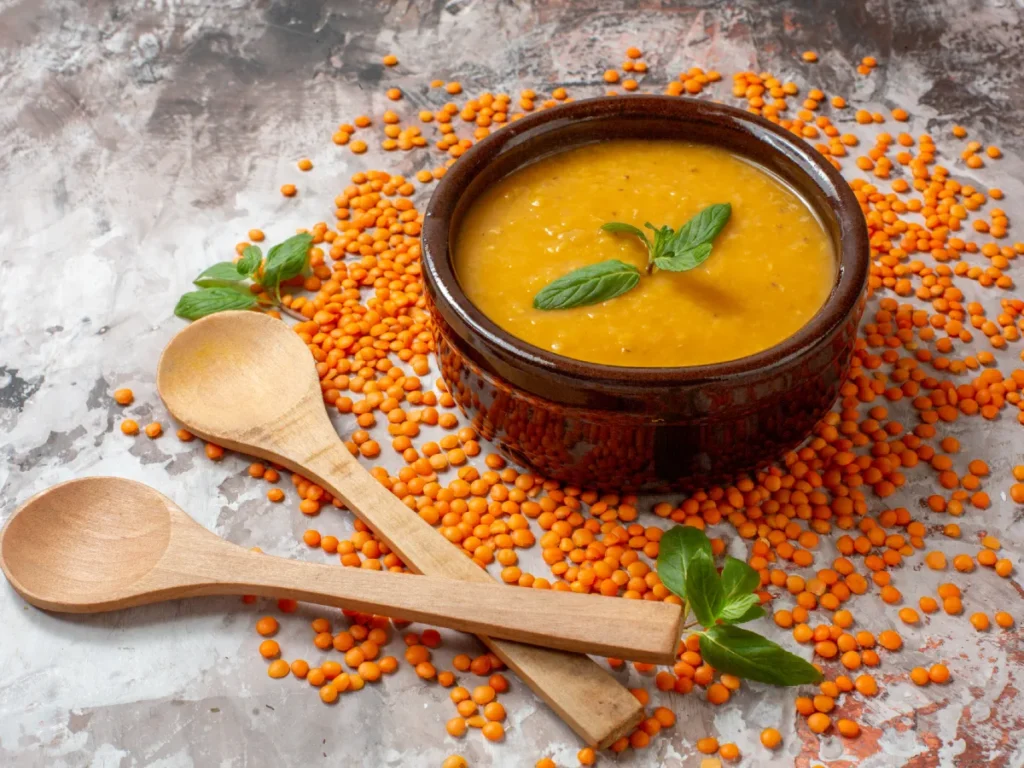
Lentils provide fiber and plant protein in one inexpensive package. Their combination of protein and slowly digested carbohydrates can help reduce rapid spikes in blood sugar after eating. Lentils also contain resistant starch, which reaches the colon and feeds beneficial gut bacteria.
These bacteria produce short-chain fatty acids that may influence hormones involved in appetite regulation. Adding lentils to soups, salads, or rice dishes can increase the staying power of a meal.
3. Eggs
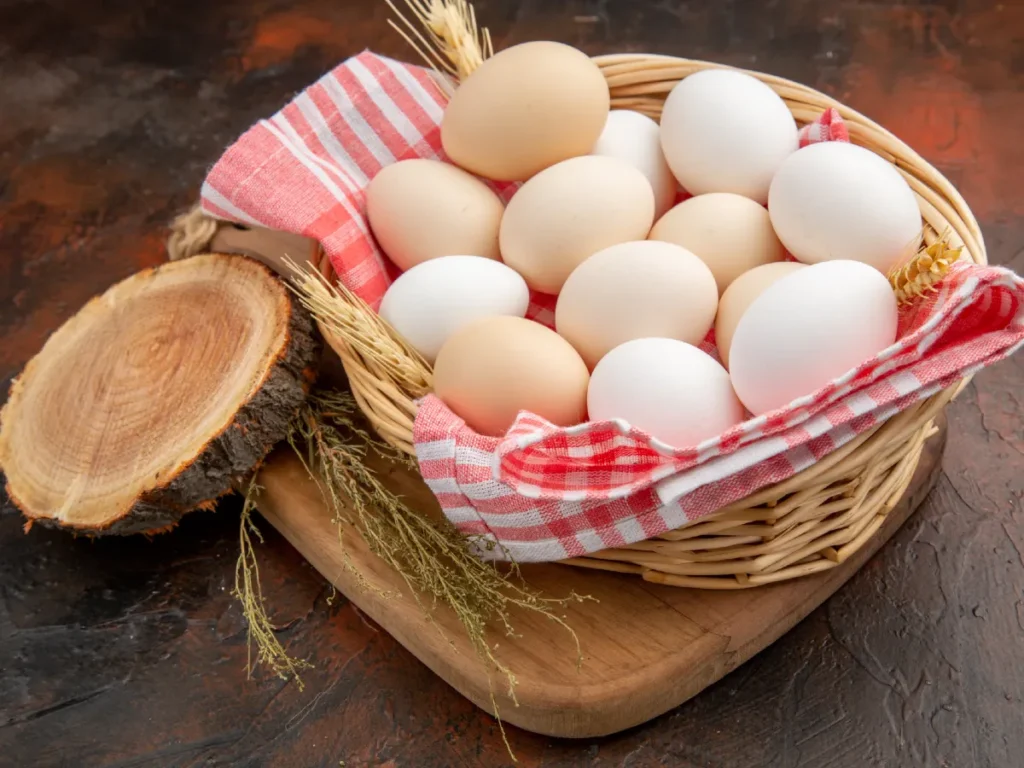
Eggs are a low-cost protein source that can make breakfast more satisfying. Protein-rich meals tend to stimulate hormones involved in fullness, including GLP 1 and peptide YY.
A breakfast with protein may help reduce the urge to snack frequently later in the day compared with a meal based mainly on refined carbohydrates. For many healthy adults, one or two eggs can be part of a balanced meal, especially when paired with vegetables or whole grains.
4. Apples
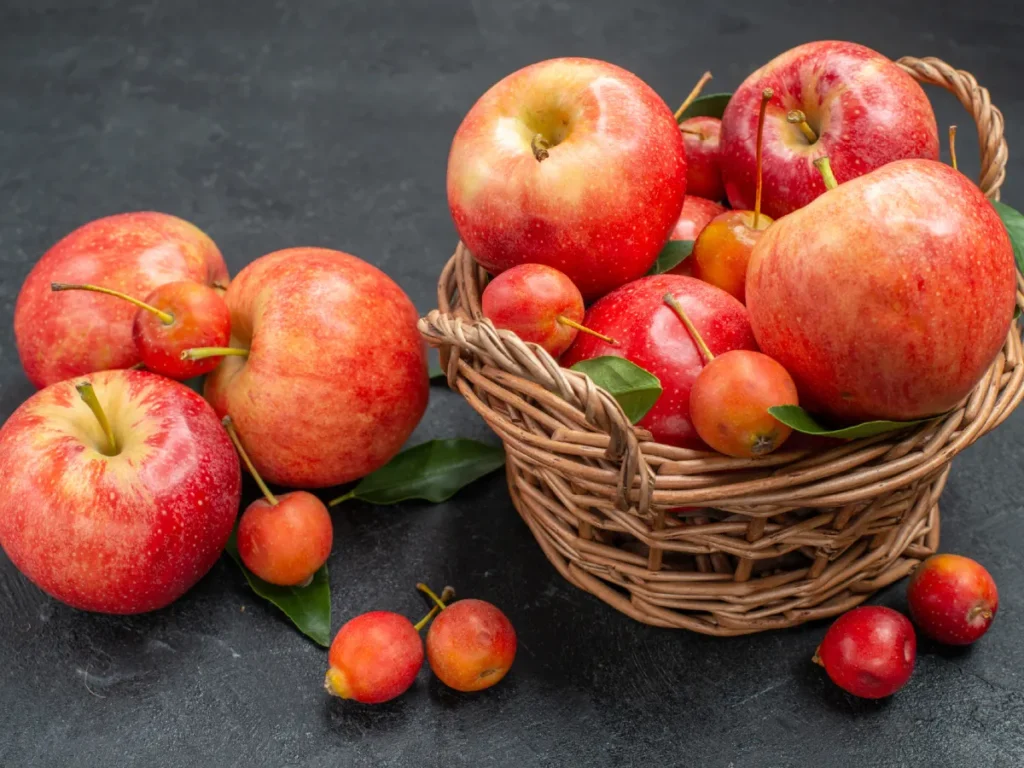
Apples combine fiber, water, and natural plant compounds.The main fiber in apples is pectin, a soluble fiber that can slow digestion and support a healthier gut environment.
Eating a whole apple is different from drinking apple juice because the fiber remains intact. A low-cost apple before a meal or as a snack can add volume and help create a stronger feeling of fullness.
5. Chickpeas
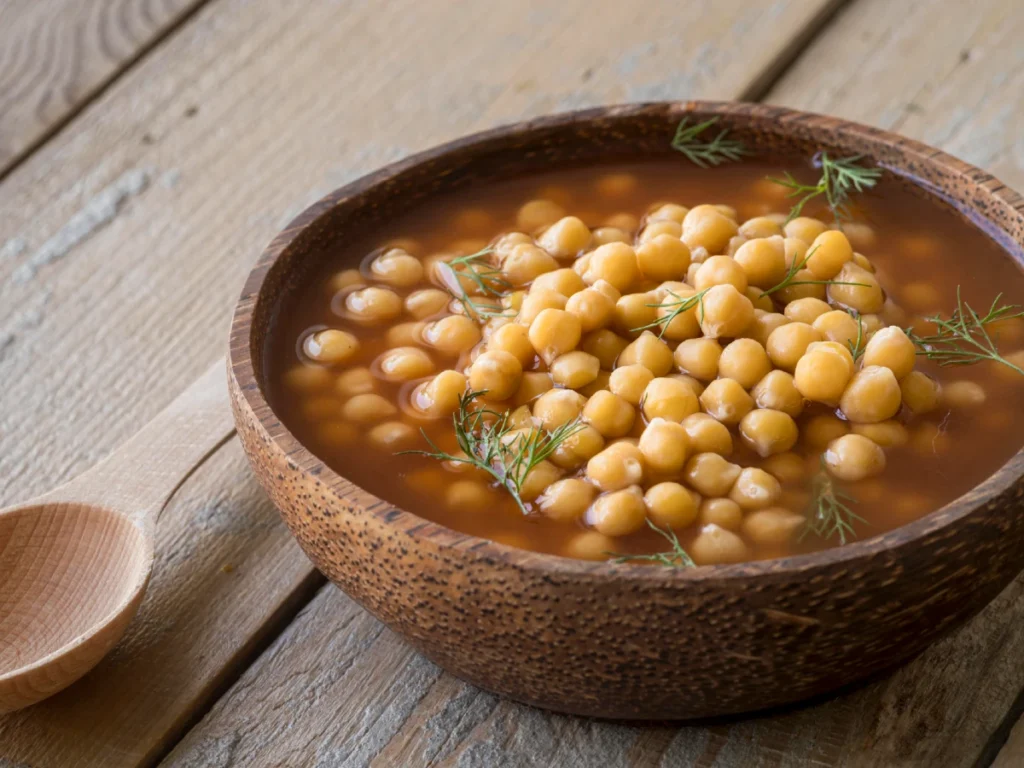
Chickpeas help support appetite control through fiber and plant protein.Like lentils, chickpeas digest slowly and can help reduce sharp changes in blood glucose.They also provide resistant starch, which may support gut bacteria involved in producing short chain fatty acids.
A small portion added to salads, soups, or homemade hummus can make meals more filling without adding much cost.
| Food | Main GLP 1 Supporting Nutrient | Easy Use |
|---|---|---|
| Oats | Beta glucan fiber | Breakfast bowl |
| Lentils | Fiber and plant protein | Soup or side dish |
| Eggs | Protein | Breakfast |
| Apples | Pectin fiber | Snack |
| Chickpeas | Resistant starch | Salad topping |
6. Plain Greek Yogurt
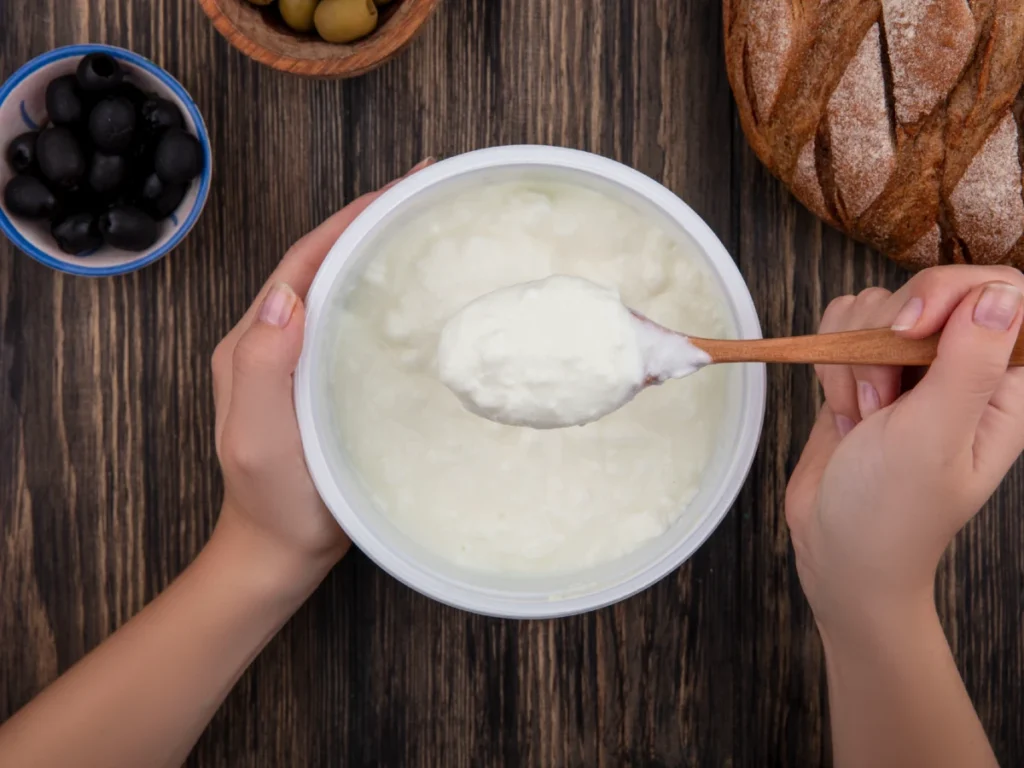
Greek yogurt offers protein that can strengthen meal satisfaction. Protein stimulates several gut signals connected with fullness. Some fermented foods may also influence gut bacteria, which researchers continue studying for their possible role in metabolic health.
Choose plain versions when possible because flavored yogurts often contain added sugars. Adding berries, cinnamon, or nuts can create a more balanced snack.
7. Black Beans
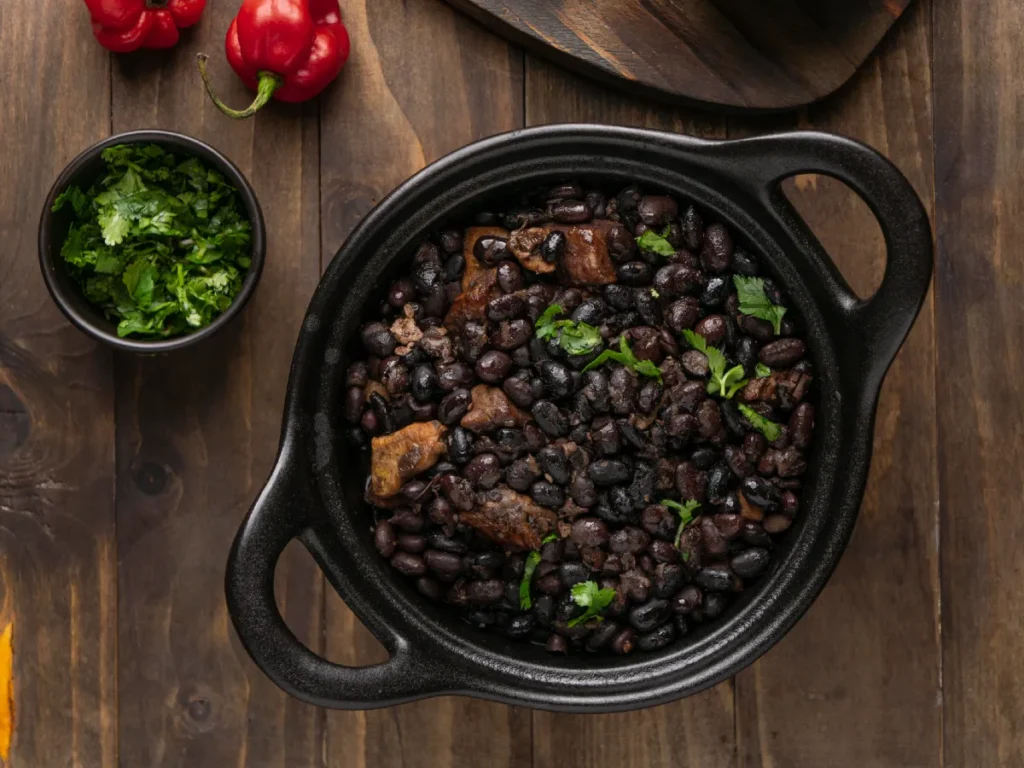
Black beans are a budget friendly food for slower digestion. They contain a mix of soluble fiber, protein, and resistant starch.
This combination helps explain why beans are often associated with better blood sugar control and improved fullness after meals. Canned beans can also work well when rinsed before eating to reduce sodium.
8. Cabbage
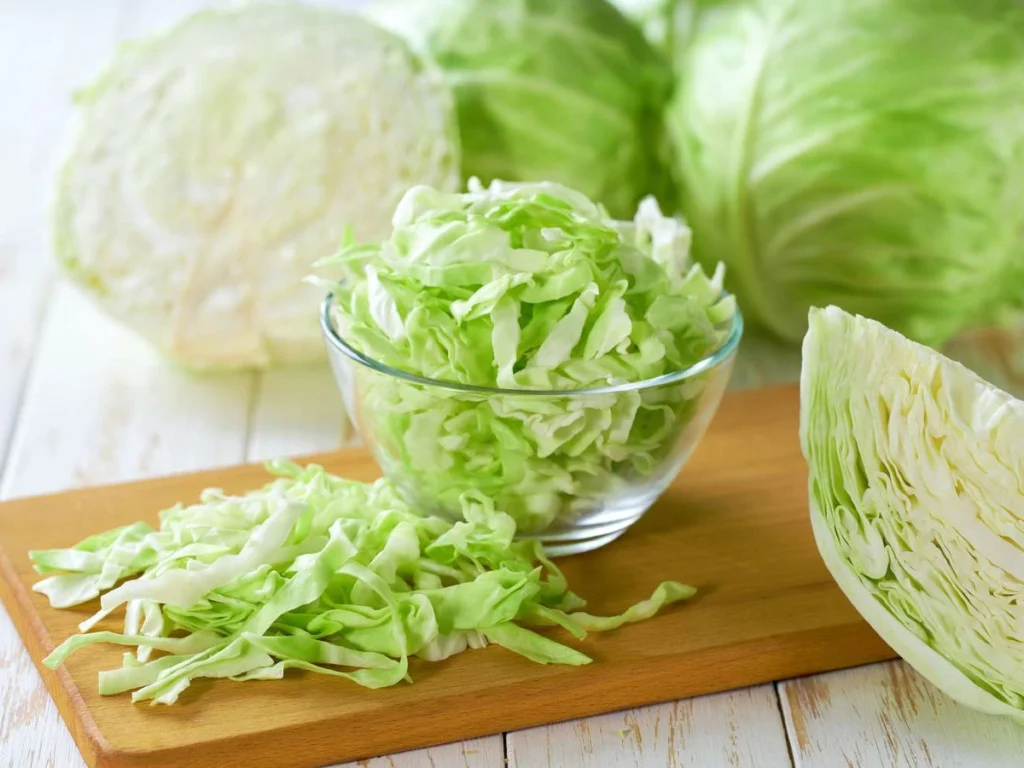
Cabbage is inexpensive and provides fiber with very few calories. Cruciferous vegetables contain plant compounds that support overall metabolic health.
While cabbage does not directly act like a GLP 1 medication, its fiber content helps create meals that digest more slowly. Adding shredded cabbage to meals can increase volume and satisfaction.
9. Peas
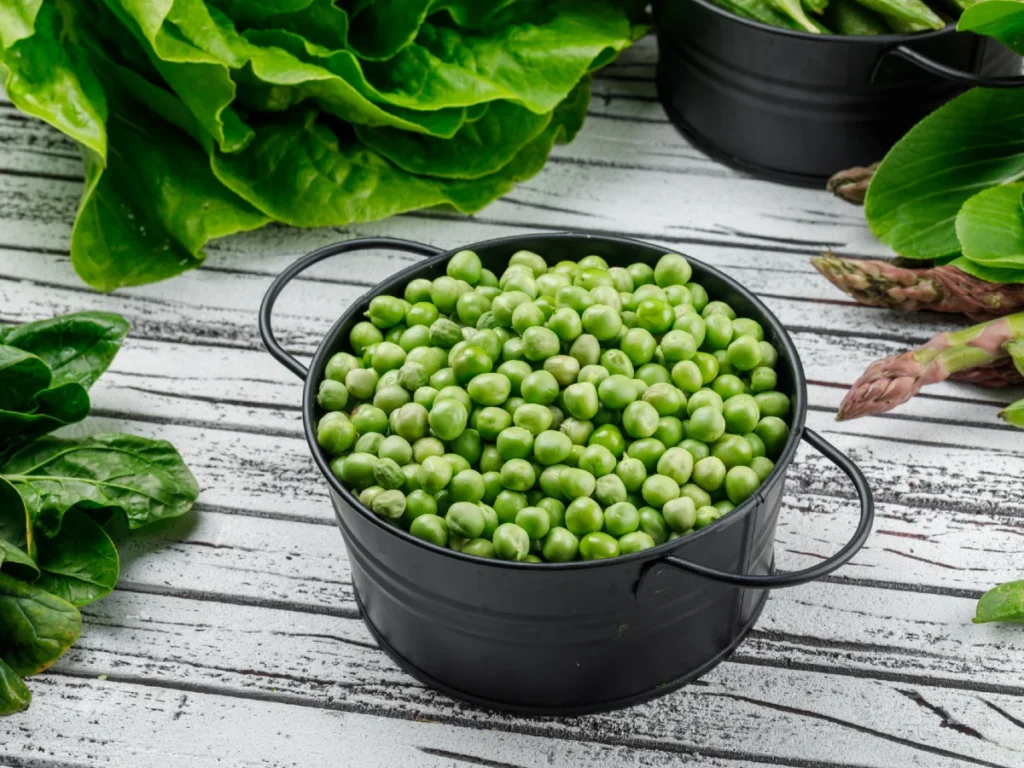
Peas provide fiber and plant protein that help slow digestion. Green peas are often overlooked, but they contain both soluble and insoluble fiber. This combination supports slower carbohydrate breakdown and may help reduce rapid blood sugar changes after meals.
Their protein and fiber combination can also make a simple meal feel more satisfying. Frozen peas are usually inexpensive and just as nutritious as fresh options.
10. Chia Seeds
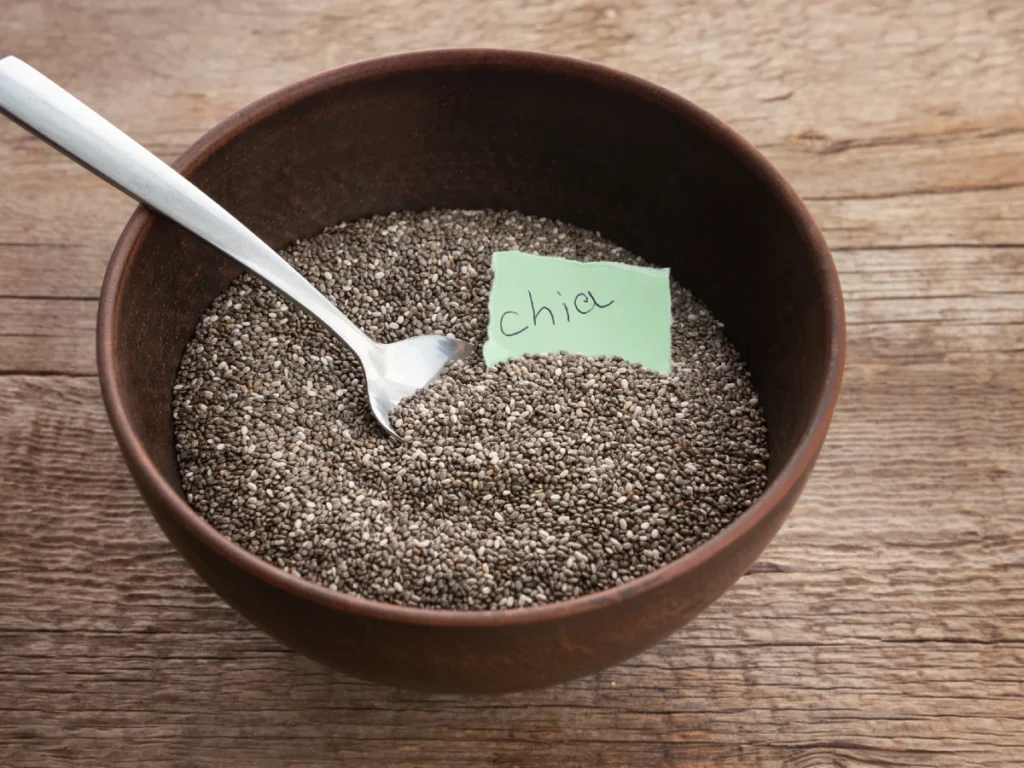
Chia seeds are a small food with a large fiber impact.When soaked in liquid, chia seeds form a gel because of their soluble fiber content. This may slow digestion and help create a longer feeling of fullness.
They also provide plant based omega 3 fats and minerals such as magnesium.A tablespoon added to oatmeal, yogurt, or smoothies can increase fiber intake without adding much cost.
11. Flaxseeds
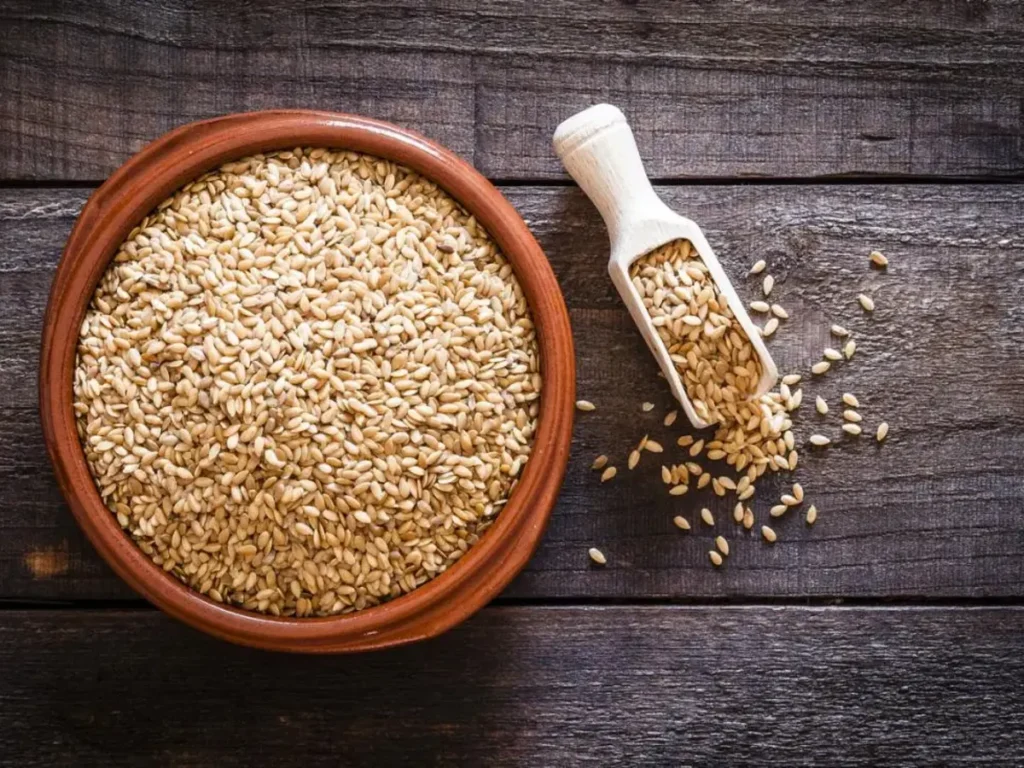
Ground flaxseeds support digestion through fiber and plant compounds. Flax contains soluble fiber that can help slow the release of nutrients during digestion. It also contains lignans, plant compounds being studied for their possible metabolic effects.
Whole flaxseeds often pass through digestion without being fully broken down, so ground flax is usually a better choice for absorbing nutrients. A small spoonful can be added to oatmeal or yogurt.
12. Sweet Potatoes
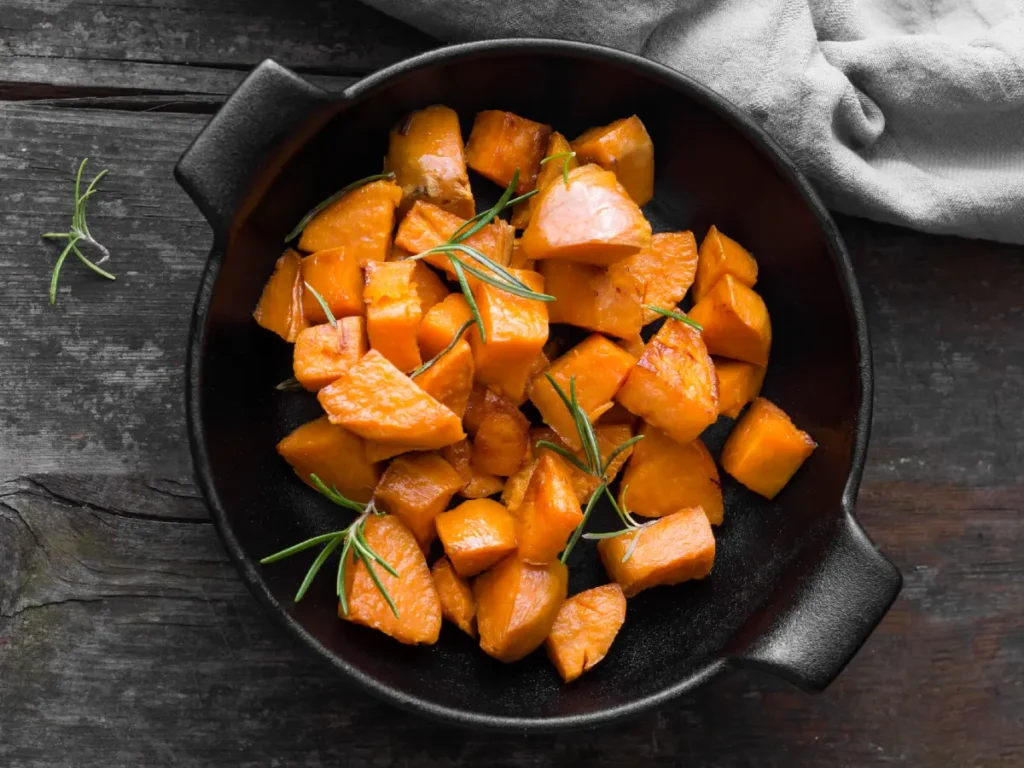
Sweet potatoes provide slow digesting carbohydrates with natural fiber. Unlike many refined carbohydrate foods, sweet potatoes contain fiber that slows digestion and helps reduce sudden glucose spikes. They also provide carotenoids, plant compounds linked with overall health. Keeping the skin on adds extra fiber and nutrients.
| Food | Main Benefit | Affordable Serving Idea |
|---|---|---|
| Peas | Fiber and plant protein | Add to rice or soups |
| Chia seeds | Soluble fiber gel | Mix into yogurt |
| Flaxseeds | Fiber and lignans | Sprinkle on oats |
| Sweet potatoes | Fiber-rich carbohydrates | Roast as a side dish |
13. Bananas
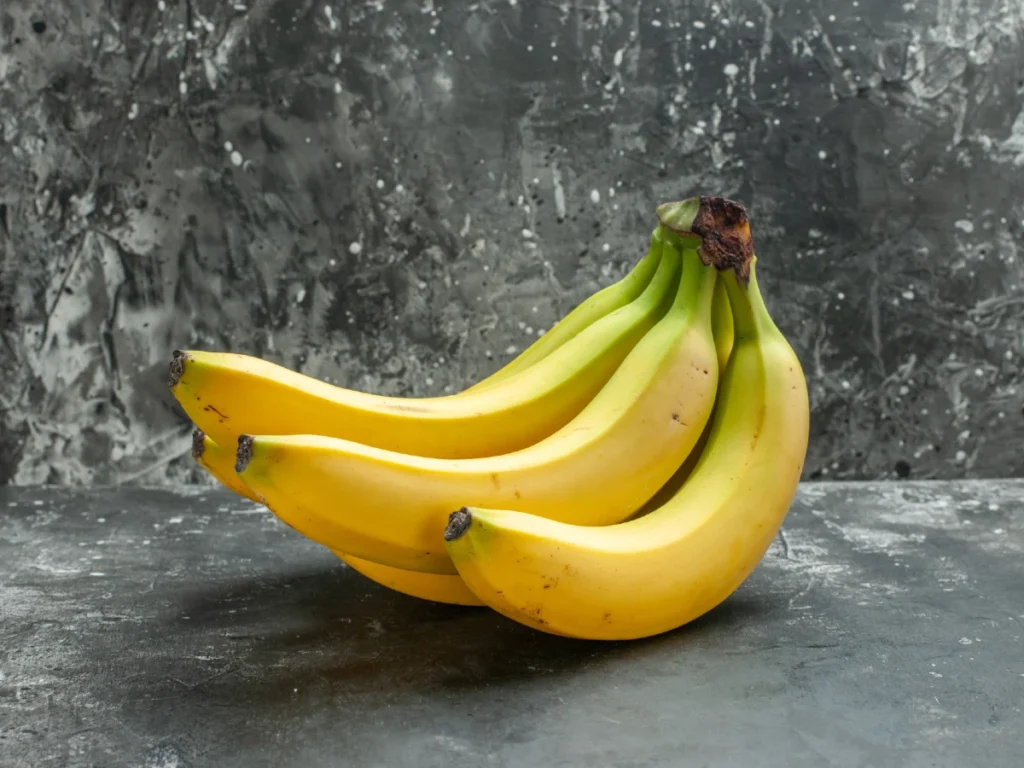
Bananas can support gut health when eaten at the right ripeness. Slightly less ripe bananas contain more resistant starch, a type of carbohydrate that is not fully digested in the small intestine.
Resistant starch reaches the colon, where gut bacteria ferment it and produce short chain fatty acids. These compounds may influence gut hormone activity. A greener banana may provide more resistant starch than a very ripe, soft banana.
14. Almonds
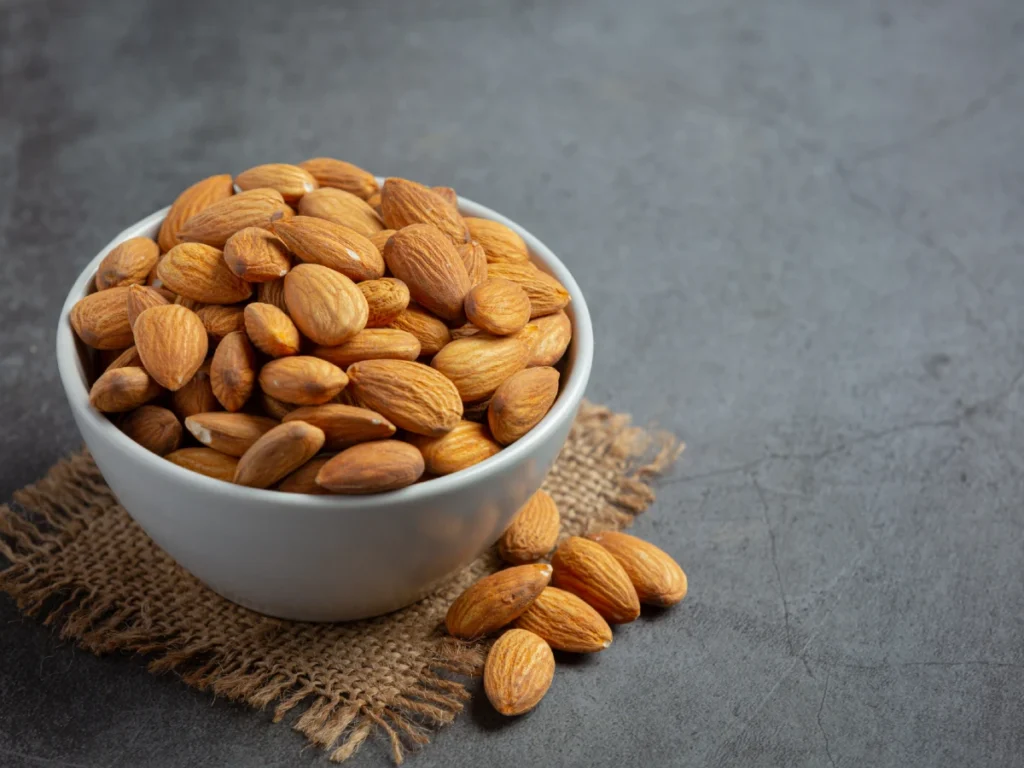
Almonds combine healthy fats, fiber, and protein. Foods containing multiple nutrients that slow digestion may create stronger fullness signals compared with highly processed snacks. Research has linked regular nut intake with improved markers of metabolic health, although portion size matters because nuts are calorie-dense. A small handful can replace less filling snack foods.
15. Broccoli
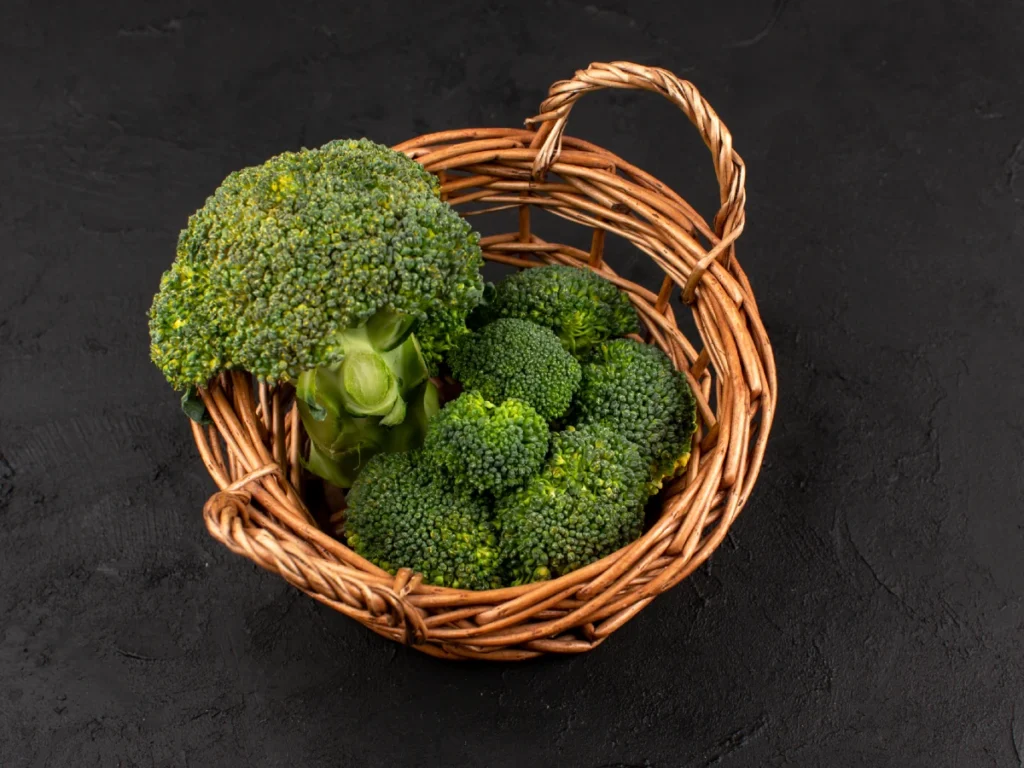
Broccoli adds fiber and plant compounds that support metabolic health. Broccoli is low-cost when purchased frozen and provides fiber that helps create a more balanced meal.
Its compounds, including sulforaphane, have been studied for possible effects on inflammation and cellular health. Adding vegetables like broccoli alongside protein and carbohydrates can improve overall meal quality.
16. Peanut Butter
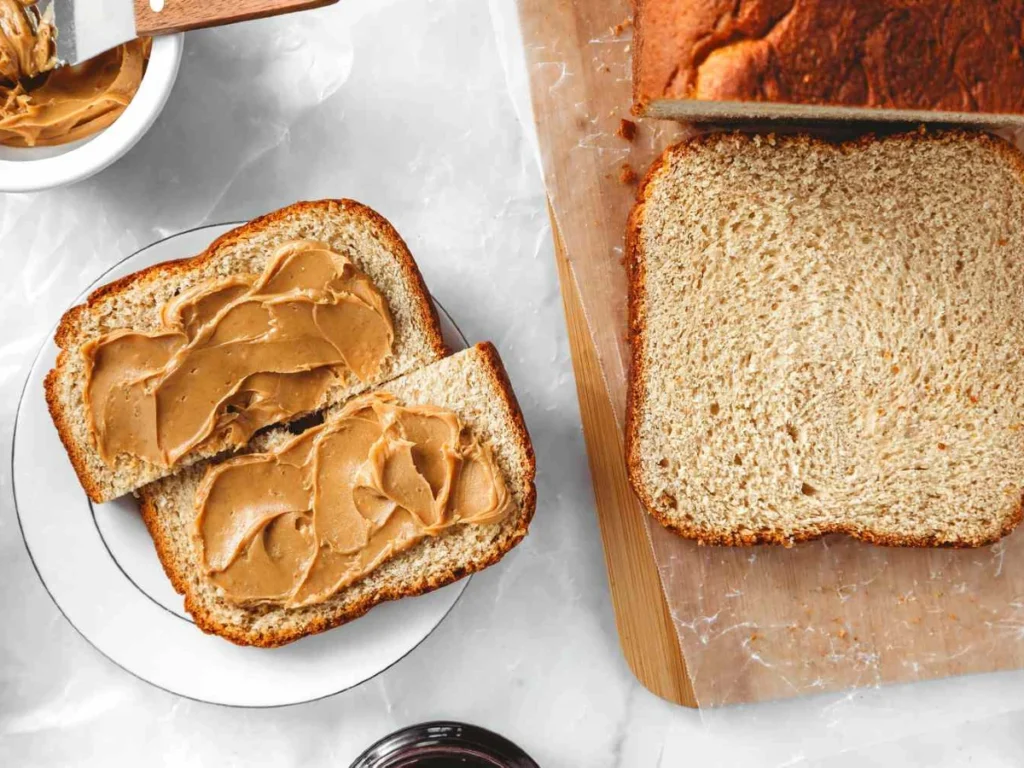
Peanut butter can help make meals more satisfying when used carefully. Peanuts provide protein, fiber, and unsaturated fats. These nutrients slow digestion and may help reduce hunger between meals.
The best options are usually peanut butters with minimal added ingredients. A small amount paired with an apple or whole-grain toast can create a balanced snack.
17. Barley
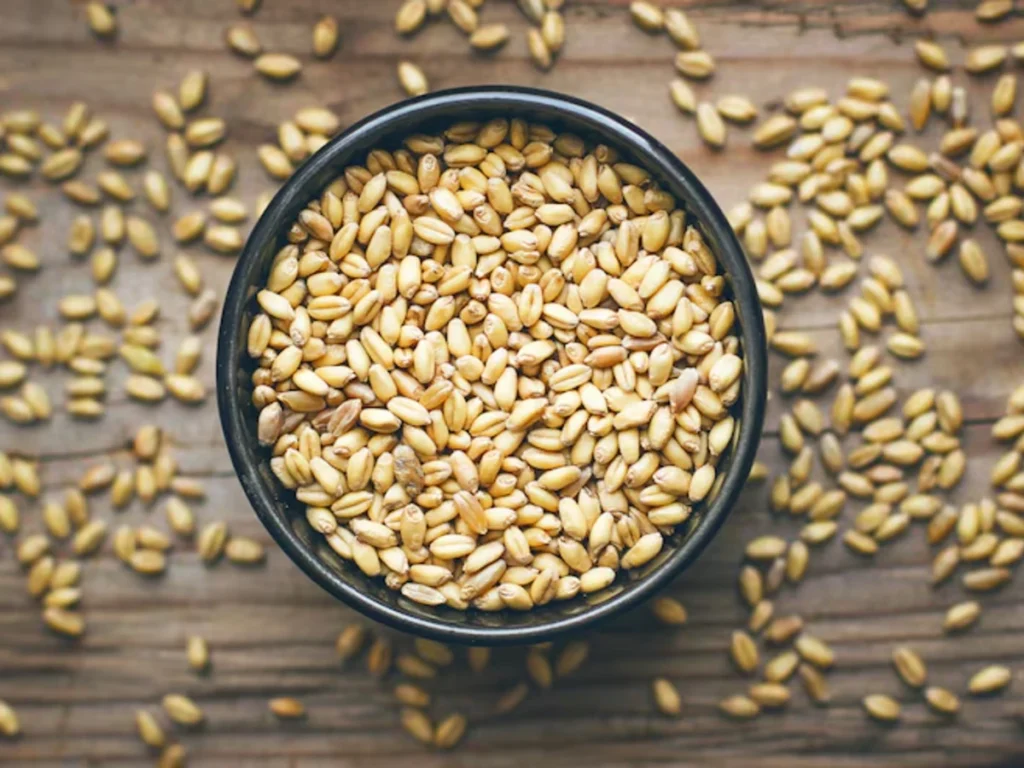
Barley is one of the highest-fiber grains for the price. It contains beta-glucan, the same type of soluble fiber found in oats.
This fiber can increase fullness, slow digestion, and support healthier blood sugar responses. Pearl barley is inexpensive and works well in soups, stews, and grain bowls.
| Food | GLP 1 Supporting Feature | How Often to Use |
|---|---|---|
| Bananas | Resistant starch when less ripe | Several times weekly |
| Almonds | Protein, fiber, healthy fats | Small portions daily |
| Broccoli | Fiber and plant compounds | Regular vegetable serving |
| Peanut butter | Protein and healthy fats | Moderate portions |
| Barley | Beta-glucan fiber | Replace refined grains |
Foods That Support GLP 1 Pathways vs. Foods That Work Against Fullness
| More Supportive Choices | Less Supportive Choices |
|---|---|
| Oats with nuts | Sugary breakfast cereals |
| Beans and lentils | Refined white bread alone |
| Greek yogurt | Sweetened yogurt drinks |
| Whole fruit | Fruit juice |
| Vegetables with meals | Highly processed snacks |
The Daily Habit That Actually Works
Small food changes often work better than chasing one “magic” ingredient.
Try this today:
• Start breakfast with protein and fiber instead of only refined carbohydrates.
• Add beans, lentils, or vegetables to meals you already eat.
• Choose whole fruit instead of juice when possible.
• Include a source of fiber at most meals.
• Drink enough water because fiber works best with adequate fluid intake.
How Long Does It Take to Notice Changes?
Food does not raise GLP 1 in the same way as prescription medications. The effect is usually smaller and depends on the entire eating pattern.
Some people notice improved fullness within days of increasing protein and fiber, while changes in blood sugar patterns and gut health may take longer.
| Time Period | Possible Changes |
|---|---|
| First few days | Meals may feel more filling |
| Several weeks | Better fiber intake may improve digestion |
| Months | Consistent habits may support metabolic health |
Common Mistakes People Make
Expecting Food to Work Like Medication
Foods can support natural hormone signals, but they do not produce the same effects as prescription GLP 1 drugs.
Medication-based treatments are carefully designed and monitored because they create greater biological changes.
Eating One “Healthy” Food While Ignoring The Whole Meal
A tablespoon of chia seeds will not cancel out a diet high in ultra processed foods.
The strongest results usually come from combining fiber, protein, vegetables, and minimally processed foods.
Increasing Fiber Too Quickly
A sudden jump in fiber can cause bloating, gas, or stomach discomfort.
Increase fiber gradually and drink enough fluids.
Everyone’s body responds differently, so check with your doctor before making major dietary changes if you have diabetes, kidney disease, digestive problems, or take medication that affects blood sugar.
