
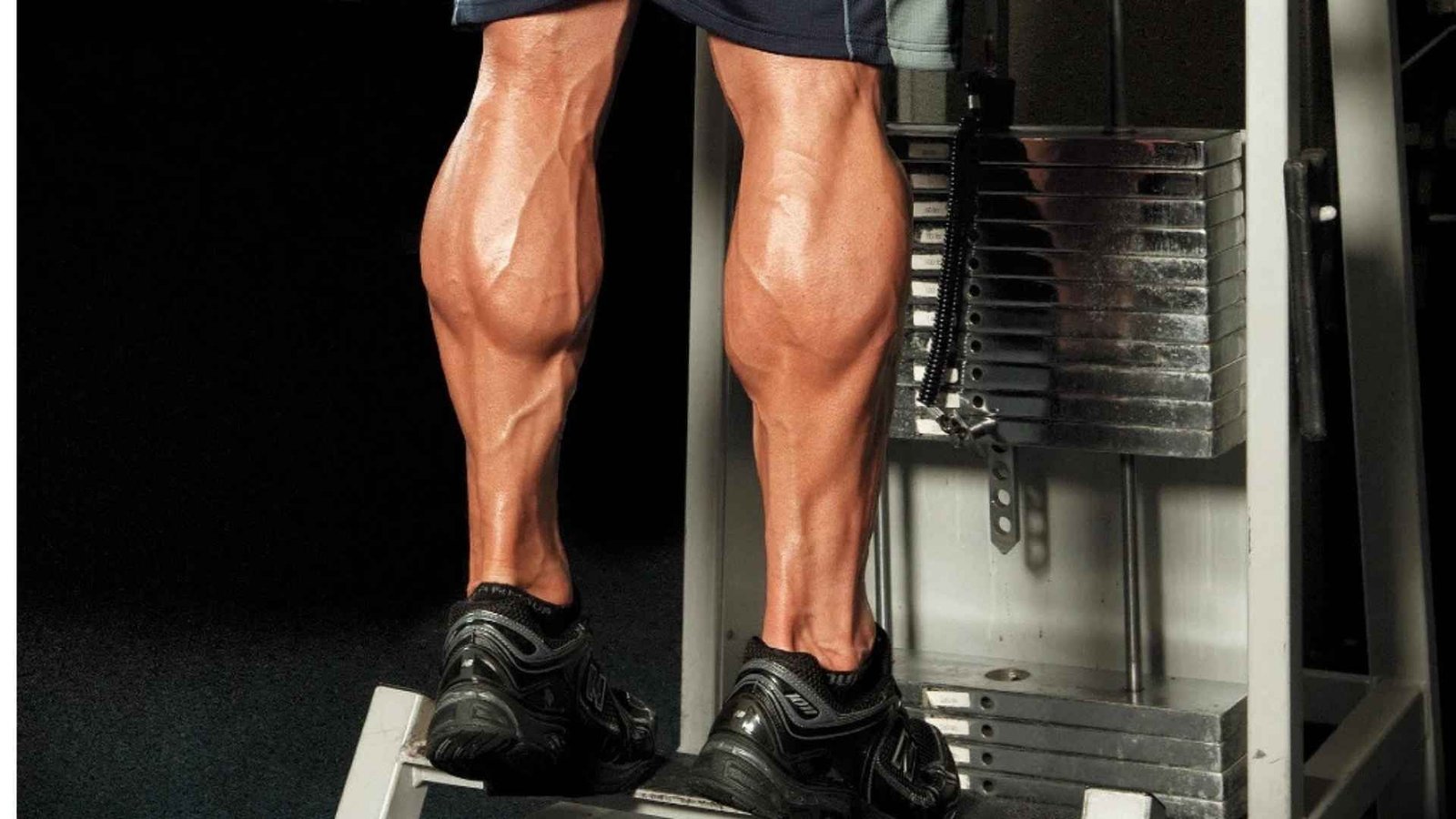
Every time you take a step, the soleus and gastrocnemius muscles in your calves contract to pump deoxygenated blood back up to your chest against the force of gravity.
When this system begins to fail, your lower legs send out subtle distress signals long before a major cardiac event occurs.
Learning how to read these 16 signs can help you address underlying vascular diseases early.
1. Overall Muscle Size and Density
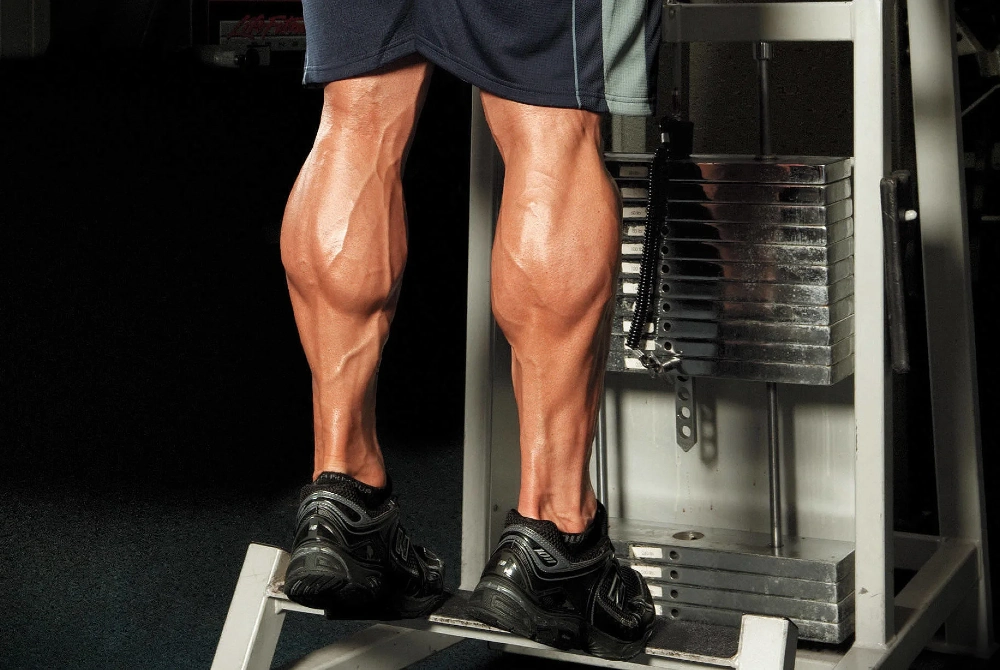
Your lower leg muscle volume is a remarkably accurate predictor of all-cause mortality as you age. Sarcopenia is the age-related loss of muscle mass, and it severely reduces your resting metabolic rate while limiting your body’s ability to store excess glucose safely.
To build this tissue back up, you need to consume roughly 30 grams of high-quality protein per meal and incorporate standing calf raises into your morning routine. A larger calf muscle literally acts as a bigger pump to support your primary heart.
2. Missing Hair on Your Lower Legs
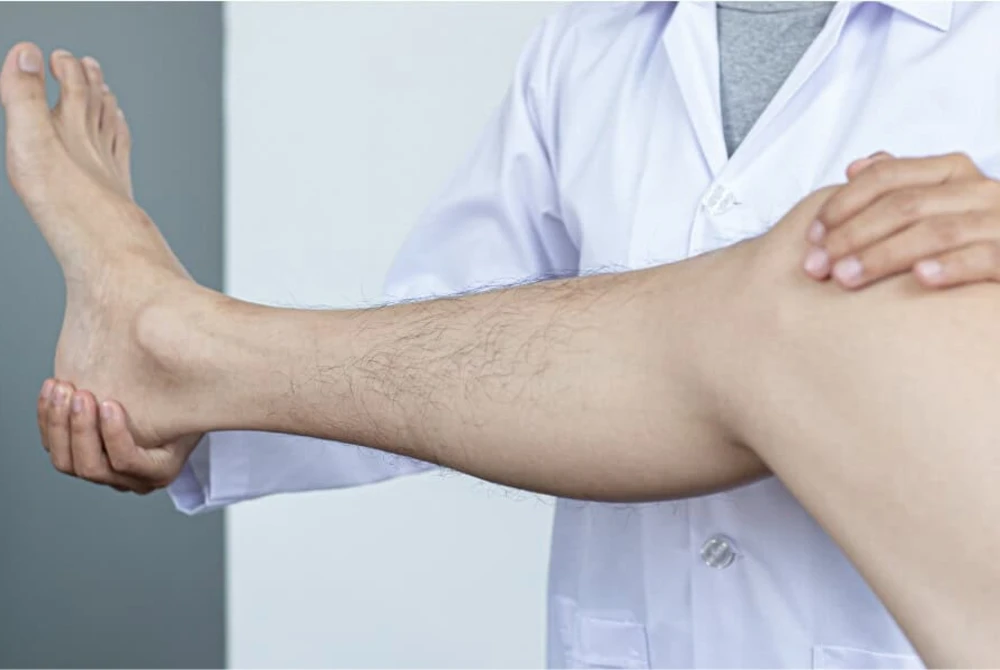
Bald spots on your shins or calves often serve as the very first visible sign of Peripheral Artery Disease. This condition occurs when plaque builds up in your arteries and starves your extremities of oxygen-rich blood, causing your body to prioritize vital organs over hair follicle survival.
You can check for this by feeling for a pulse on the top of your foot. If the pulse is weak and you have unexplained hair loss, ask a vascular specialist for an Ankle-Brachial Index test to check your arterial pressure.
3. Cramping While Walking
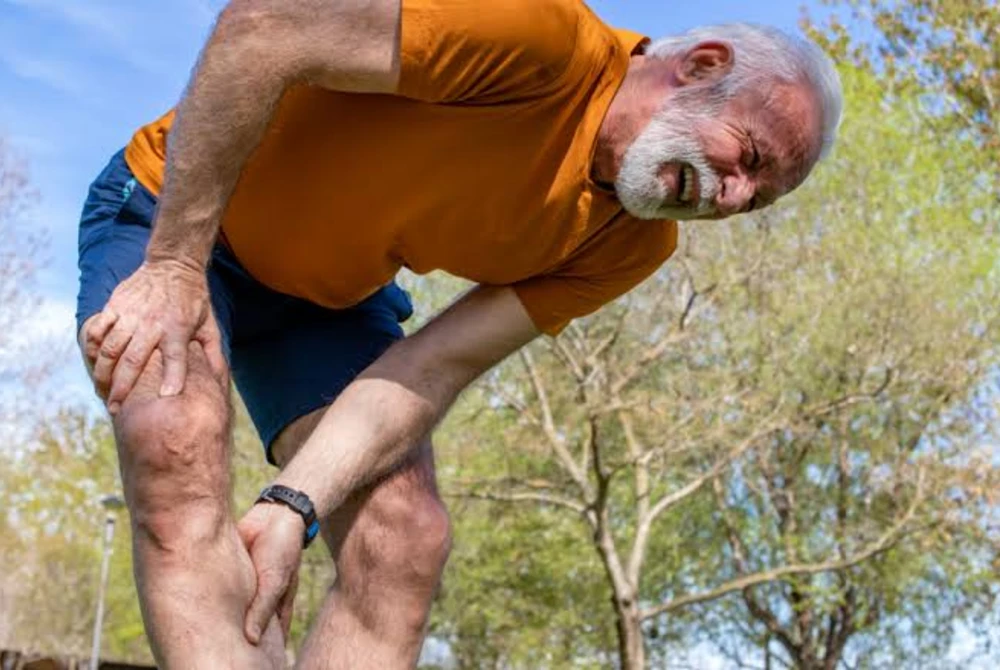
If your calves seize up with a deep aching pain after walking a specific distance, you might be experiencing claudication. This happens because your muscles demand a massive influx of oxygen during exercise, and narrowed arteries simply cannot deliver the required blood volume in time.
The most effective way to repair this issue is a supervised treadmill walking program designed to stimulate the growth of collateral blood vessels. You should also strictly avoid all tobacco products, as smoking accelerates arterial plaque formation faster than almost any other habit.
4. Sudden Night Cramps
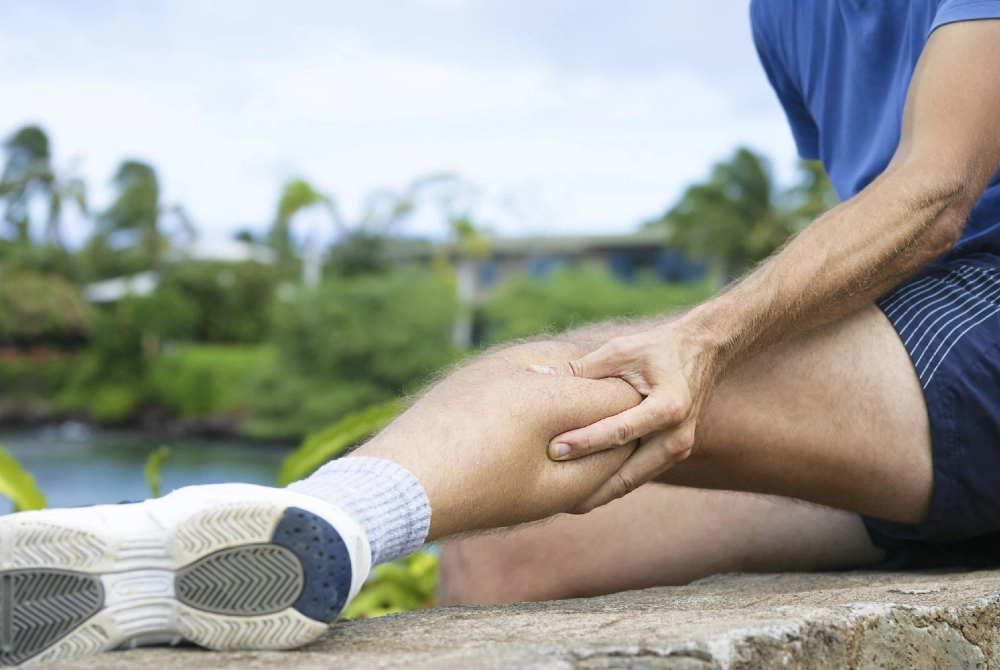
Waking up in agony because your calf muscle suddenly locked into a hard knot is incredibly common and often points to a systemic mineral imbalance. Dehydration and low levels of intracellular magnesium cause spontaneous motor neuron firing, forcing the muscle fibers to contract without your permission.
Consider taking a high-absorption supplement like magnesium glycinate before bed instead of cheap magnesium oxide. Drinking a glass of water with a pinch of real sea salt in the evening can also resolve mild electrolyte deficits.
5. Pitting Edema and Swelling
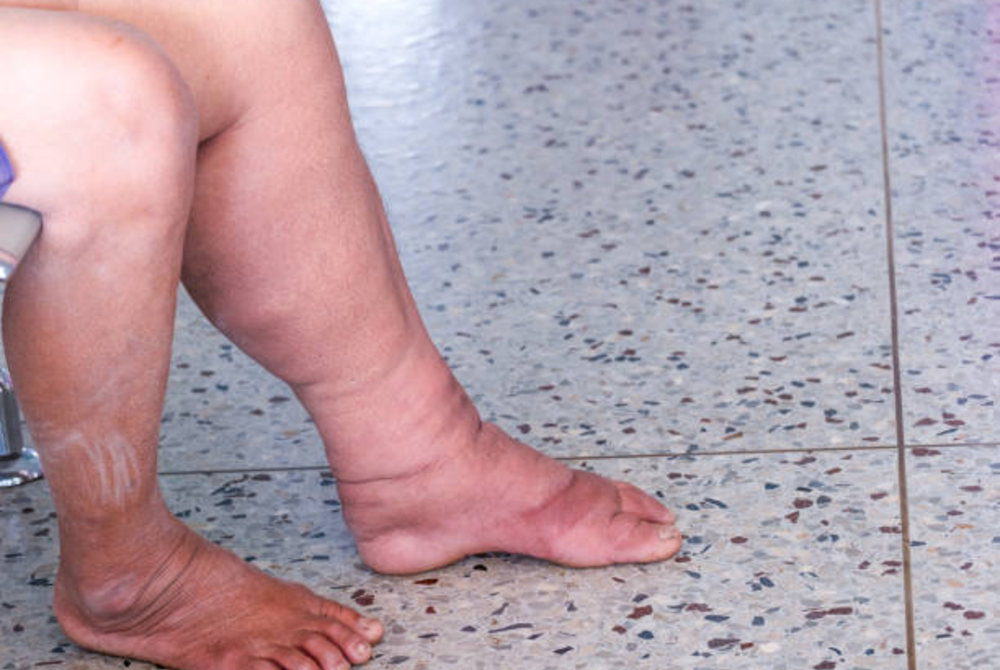
When fluid leaks out of your veins and pools in the interstitial tissues of your lower leg, on the right side, it causes a spongy swelling known as edema. This symptom strongly correlates with right-sided heart failure, kidney dysfunction, or severe venous insufficiency, where the blood simply cannot pump back upward.
You can easily test this by pressing your thumb firmly into your calf for three seconds. If the skin remains indented like memory foam after you remove your thumb, you need to elevate your legs above your heart for 15 minutes and schedule a medical evaluation.
| Symptom | Primary Mechanism | Reversible? | When to See a Doctor |
|---|---|---|---|
| Missing Hair | Oxygen starvation from arterial plaque | Partially with aggressive intervention | Non-emergency, but schedule a visit soon |
| Night Cramps | Spontaneous nerve firing from low minerals | Yes, with proper electrolyte balance | Only if severe and completely unresponsive to diet |
| Pitting Edema | Fluid leaking due to poor venous return | Yes, if the underlying heart issue is treated | Promptly to rule out heart failure |
| Claudication | Muscles demanding more oxygen than available | Yes, via supervised walking and diet | Soon to prevent total arterial blockage |
6. Cold Skin Temperature

A noticeable temperature difference between your upper body and your lower legs indicates a severe restriction in arterial blood flow. Vasoconstriction prevents warm central blood from reaching your extremities, leaving your calves and feet feeling like blocks of ice even in a warm room.
Wearing high-quality graduated compression socks can help support venous return, but you also need to stop sitting with your legs crossed. Crossing your legs crimps the popliteal artery behind your knee and severely restricts downstream circulation.
7. Shiny or Thin Skin
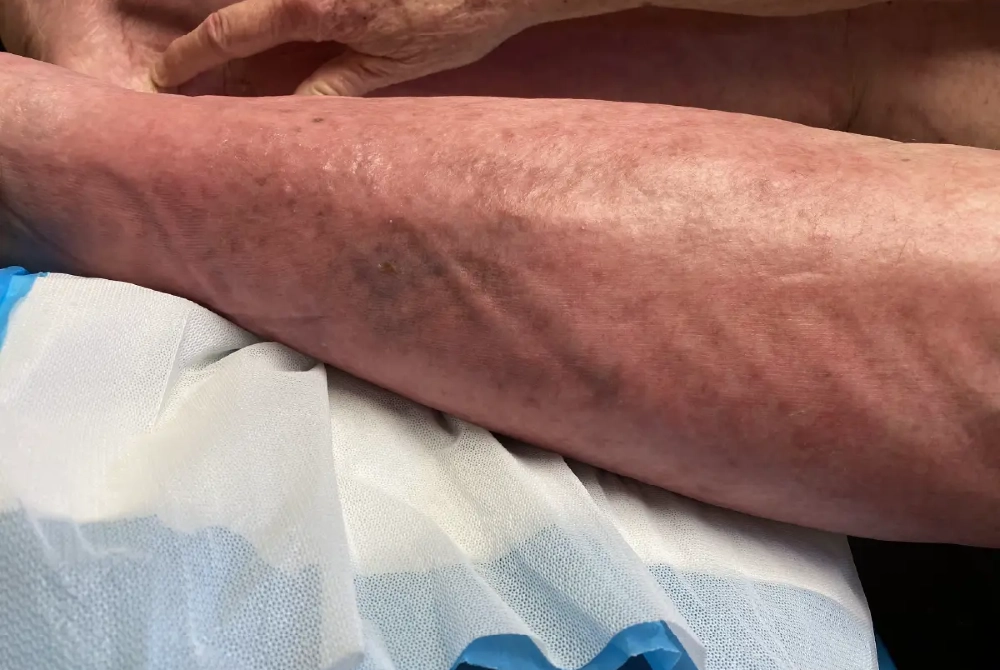
Skin that looks unnaturally glossy, tight, and thin is a hallmark sign of chronic ischemia. Without adequate blood flow delivering nutrients and removing waste, your body slows down collagen production and allows the dermal layer to degrade over time.
Applying an emollient cream daily can prevent the dry skin from cracking, but this is merely a surface-level band-aid. You must consult a doctor to correct the underlying arterial disease before the fragile skin breaks down entirely.
8. Blue or Purple Discoloration
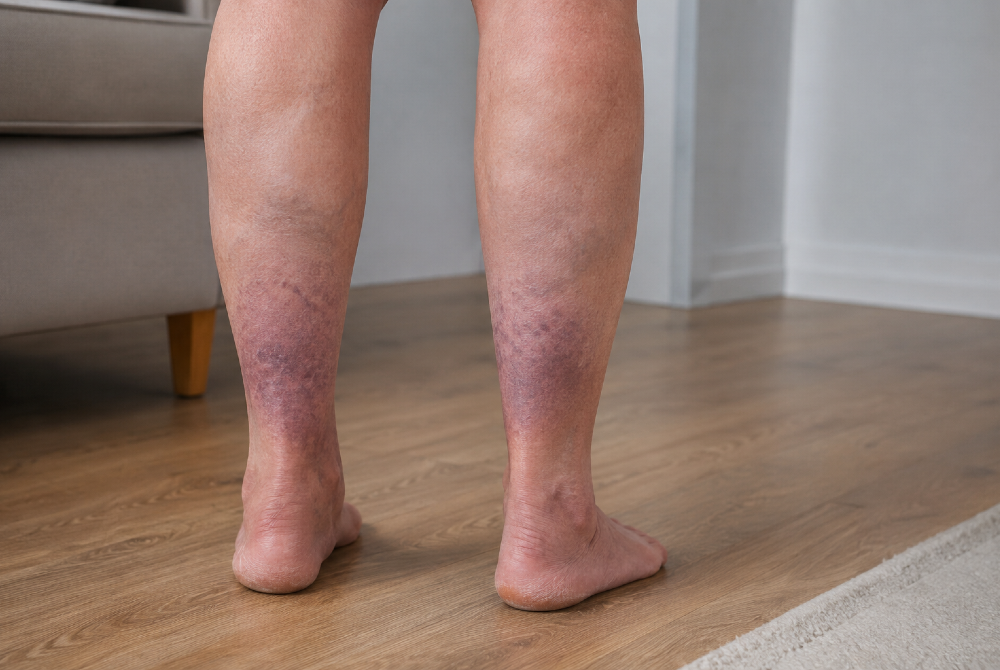
If your calves and ankles take on a bruised, purple, or bluish tint when you stand up, you are likely dealing with venous pooling. This discoloration, known as cyanosis, occurs when deoxygenated blood gets trapped in the lower leg because the tiny one-way valves inside your veins have failed.
You can combat this pooling by performing continuous heel raises while seated at your desk. The simple act of flexing the muscle physically squeezes the veins and forces the trapped blood back up the leg.
Everyone’s body responds differently, so check with your doctor before trying these exercises or supplements if you have an existing condition or take daily medication.
9. Asymmetrical Swelling in One Foot
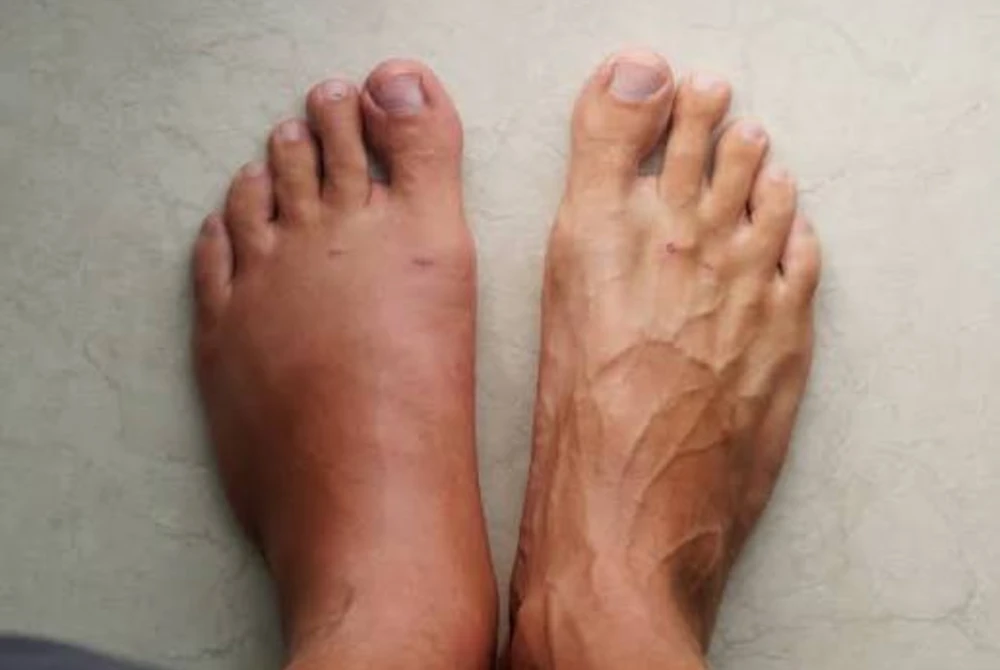
If one calf suddenly becomes significantly larger, warmer, and redder than the other, you are looking at a classic presentation of deep vein thrombosis. A solid blood clot has formed inside a deep vein, creating a physical dam that forces fluid out into the surrounding muscle tissue. This is not something you can treat at home with stretching or massage. A clot can break loose and travel directly to your lungs, so you must seek emergency medical care immediately upon noticing sudden asymmetrical swelling.
10. Bulging Varicose Veins
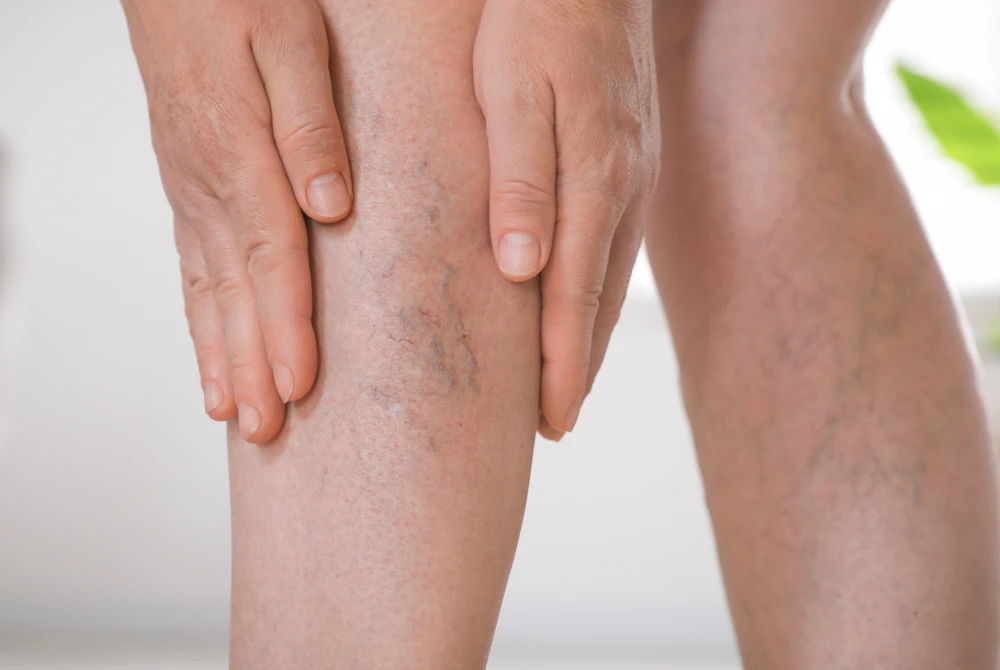
Those raised, twisted, rope-like veins on the back of your calves indicate severe venous reflux. When the delicate internal valves break under chronic high pressure, blood flows backward under the force of gravity and permanently stretches the vein walls outward. Avoiding prolonged periods of standing perfectly still can prevent further valve damage. If your job requires standing, make sure you shift your weight constantly and walk a few steps every 10 minutes to activate the calf muscle pump.
11. Slow Healing Cuts or Scratches
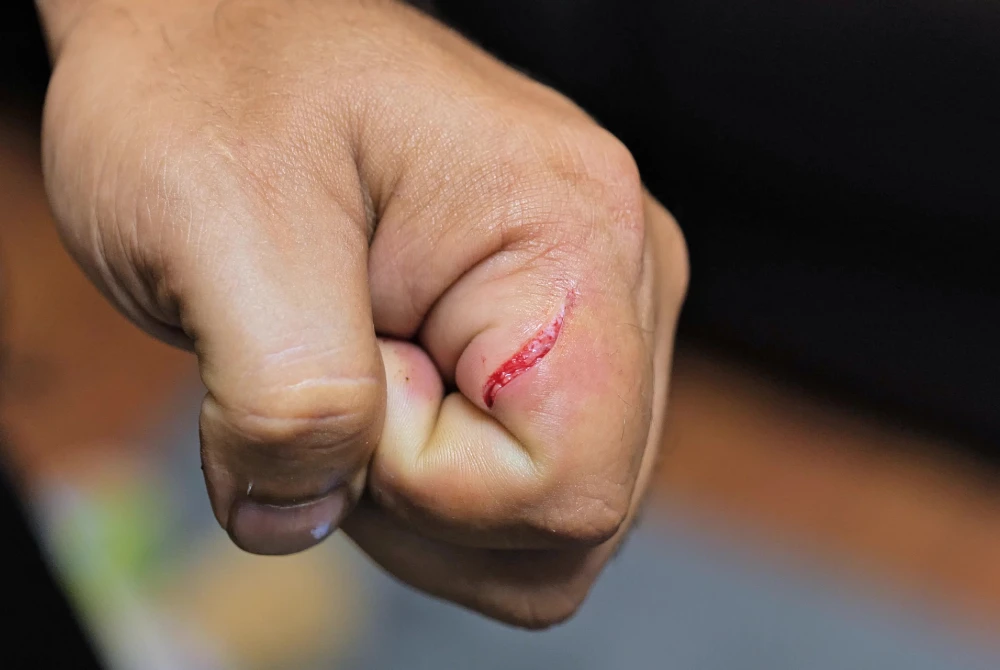
A minor scrape on your calf that takes weeks to heal is a massive red flag for systemic vascular disease and chronically elevated blood glucose. High blood sugar damages the microcapillaries and prevents white blood cells from reaching the wound site to begin the repair process.
You must keep your fasting glucose strictly under 100 milligrams per deciliter to protect these tiny vessels. Clean any lower leg cuts with sterile saline and monitor them daily, as slow-healing wounds on the lower extremities often progress to dangerous ulcers.
12. Numbness or Tingling Sensations
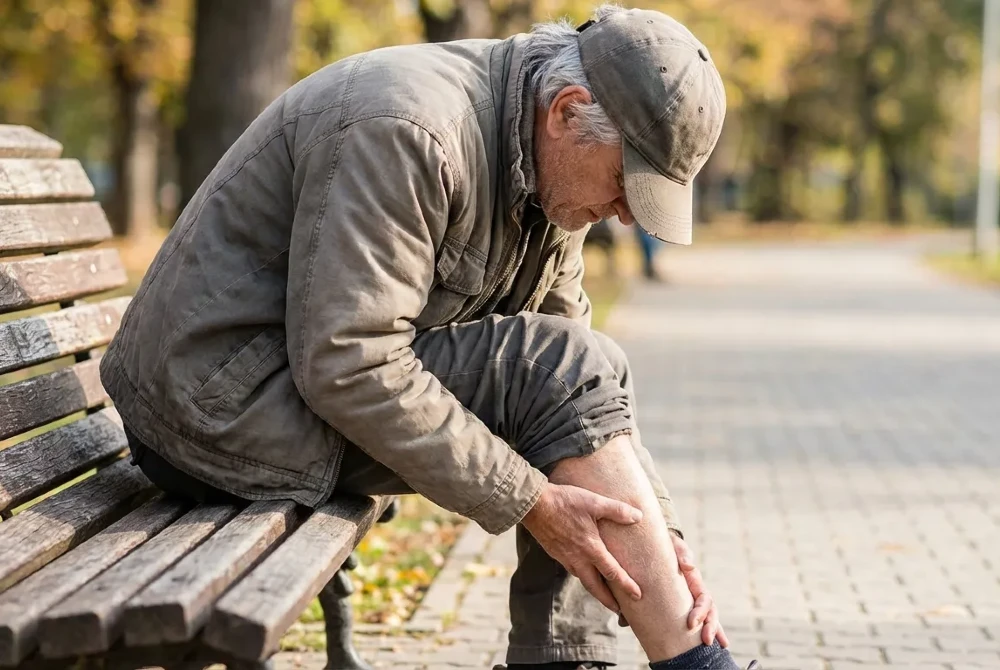
A persistent pins-and-needles sensation in your calves and feet usually stems from peripheral neuropathy. Chronic high blood sugar literally strips away the protective myelin sheath surrounding your nerve endings, causing them to misfire and eventually die off completely.
Many neurologists recommend alpha-lipoic acid supplements to support nerve health, but dietary changes are the ultimate solution. You have to lower your daily carbohydrate intake to stop the ongoing nerve damage at its root source.
| Daily Habit | Effect on Calf Health | Why It Works |
|---|---|---|
| Seated Soleus Pushups | Helps | Burns local glucose and physically pumps venous blood upward |
| Crossing Legs at Knee | Hurts | Compresses the popliteal artery and restricts blood volume |
| Walking 30 Minutes | Helps | Forces collateral blood vessel growth and strengthens the pump |
| Standing Completely Still | Hurts | Allows gravity to pool blood and damage delicate vein valves |
13. Achilles Tendon Thickening
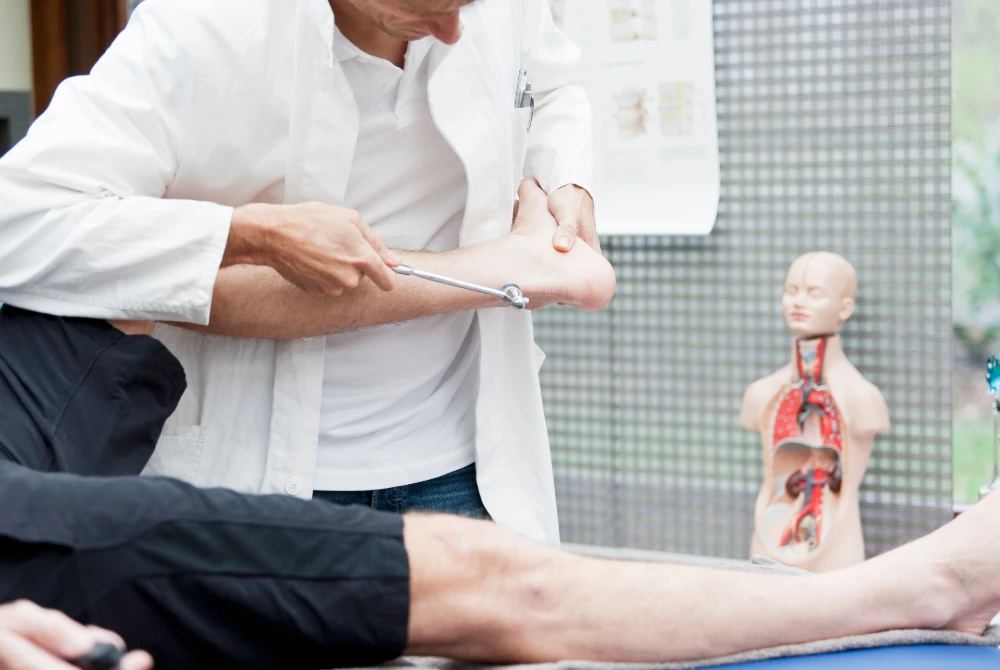
If you notice hard, painless lumps forming on the Achilles tendon at the base of your calf, you might have a genetic condition called familial hypercholesterolemia. Your immune system’s macrophages can actually deposit excess LDL cholesterol directly into the tendon tissue when your blood levels remain dangerously high.
Do not attempt to massage these lumps away. You need to request a comprehensive lipid panel from a cardiologist to assess your systemic plaque risk and discuss appropriate lipid-lowering therapies.
14. The Soleus Metabolic Burn Rate

Recent clinical studies have proven that the soleus muscle possesses a unique metabolic profile that runs almost entirely on blood glucose rather than stored glycogen. When activated properly, this single muscle can dramatically lower your post-meal blood sugar spikes and improve your overall metabolic health.
You can tap into this superpower by doing continuous seated calf raises for 15 minutes after eating a heavy meal. This low-effort movement requires minimal energy but acts as a massive sink for circulating blood sugar.
15. Loss of Ankle Dorsiflexion
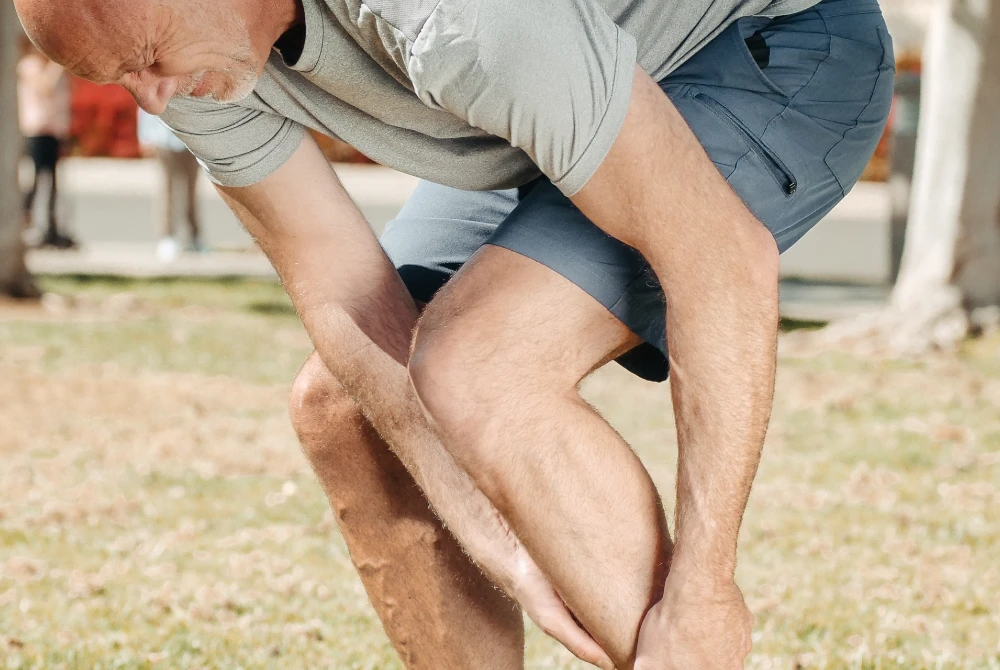
Stiff calves that prevent you from bending your ankle upward past a 90-degree angle indicate advanced tissue glycation. Excess sugar in your bloodstream cross-links with collagen fibers, turning flexible tendons into stiff, brittle cords that alter your walking gait and increase your risk of falls.
Performing a daily wall stretch is absolutely mandatory to maintain your mobility. Stand facing a wall, place your hands flat against it, step one foot back, and keep your heel pinned to the floor while leaning forward to stretch the entire posterior chain.
16. Sluggish Capillary Refill Time
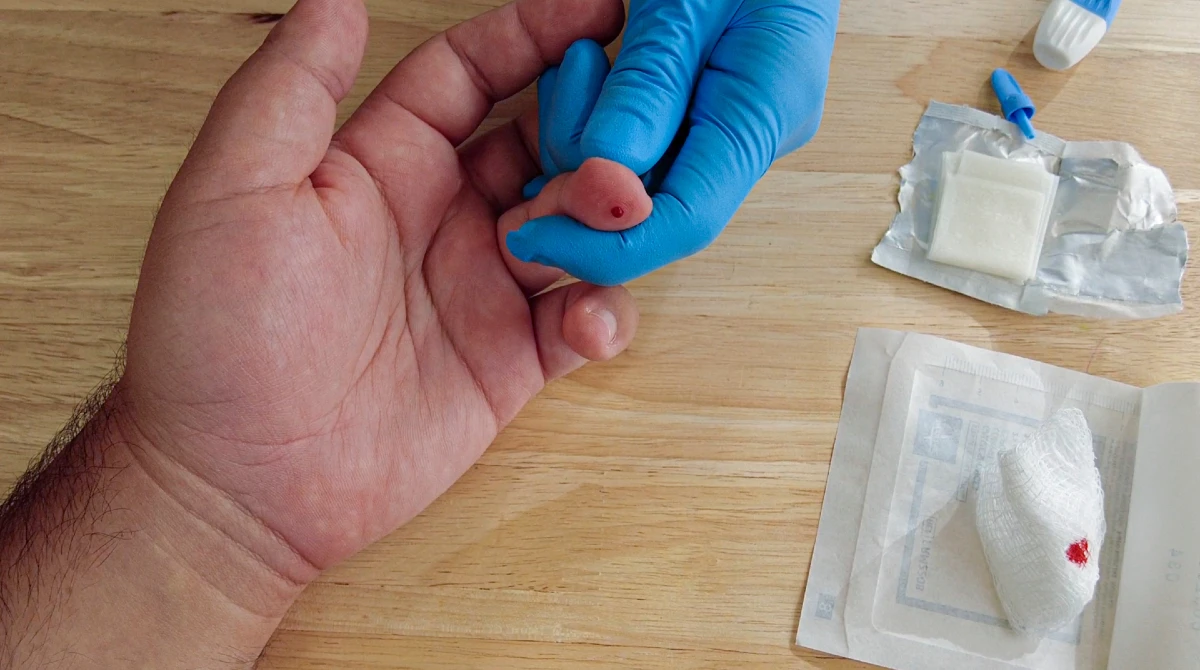
Microvascular dysfunction slows down exactly how fast fresh blood returns to your skin after pressure is applied. When your smallest blood vessels become damaged by age and poor diet, your overall cellular oxygenation drops significantly.
You can perform a quick capillary refill test right now by pressing firmly on the side of your calf until the skin turns white. Release the pressure and count how many seconds it takes for the normal pink color to return, as anything longer than three seconds suggests compromised microcirculation.
Red Flag Warning: When to See A Doctor Immediately Stop reading and seek emergency medical care if you experience any of the following symptoms:
- Sudden, severe pain in one calf accompanied by intense heat and redness.
- Swelling that affects only one leg and rapidly increases in size.
- A sore or ulcer on your lower leg that begins oozing pus or turning black.
- Sudden loss of sensation in your calf combined with an inability to move your foot.
The Daily Habit That Actually Works
- Do 30 seated calf raises at your desk every single hour to keep blood moving.
- Drink 10 ounces of water with a small pinch of sea salt upon waking to hydrate muscle tissue.
- Walk for exactly 15 minutes immediately following your largest meal of the day.
- Elevate your feet above your heart level for 10 minutes every evening while reading or watching television.
| Exercise Name | Target Area | Frequency | Primary Benefit |
|---|---|---|---|
| Seated Heel Raises | Soleus Muscle | Daily, post meals | Clears blood glucose rapidly |
| Standing Calf Raises | Gastrocnemius | 3 times a week | Builds muscle mass for longevity |
| Straight Leg Wall Stretch | Achilles and deep fascia | Daily | Prevents collagen stiffening |
| Treadmill Walking | Entire cardiovascular system | 5 days a week | Promotes collateral vessel growth |
Your calves are incredibly sophisticated structures that do much more than simply help you walk. They regulate your blood sugar, pump fluid against gravity, and offer a clear window into your systemic vascular health. Take care of your second heart, and your primary heart will reap the rewards for decades to come.
