

In 2025, listing “Microsoft Office” on your resume is expected. But listing “Generative AI skills” is a power move that commands a salary premium of up to 49-56%.
You probably use ChatGPT. How do you list that on a resume? You’re not sure how to translate “playing with a chatbot” into a high-value, hireable skill. It feels basic. You might even worry it sounds like you’re cheating.
First, salary boost is real using fresh 2025 data from PwC and Lightcast. Then, there is 11 specific, non-technical ChatGPT skills to add to your resume that employers are actively hiring for right now.
Why “Generative AI Skills” Boost Your Salary More Than a Degree
Big companies are tracking this. A 2025 report from PwC shows that the pay bump for AI skills has doubled in just one year. People with these skills can earn up to 56% more than their coworkers. This isn’t just one report. An analysis by Lightcast looked at over a billion job postings. They found jobs that need generative AI skills pay 28% more on average.
The 49% number we mentioned isn’t a guess. PwC found that specific roles see this massive jump. Lawyers with AI skills get a 49% salary premium. Sales and marketing managers get a 43% premium.
Companies aren’t paying you to “use ChatGPT.” They are paying you to be faster, smarter, and more efficient. An employee who can use AI to do 10 hours of work in 3 hours is more valuable. You get more done. You solve problems faster. That is the skill they are paying for. Learning these skills is the most direct way to boost your salary right now.
11 Actionable ChatGPT Skills To Add To Your Resume
The specific, high-value skills that bosses want to see. Each one shows you know how to use AI to save time, save money, or get better results.
#1. Strategic Prompt Engineering
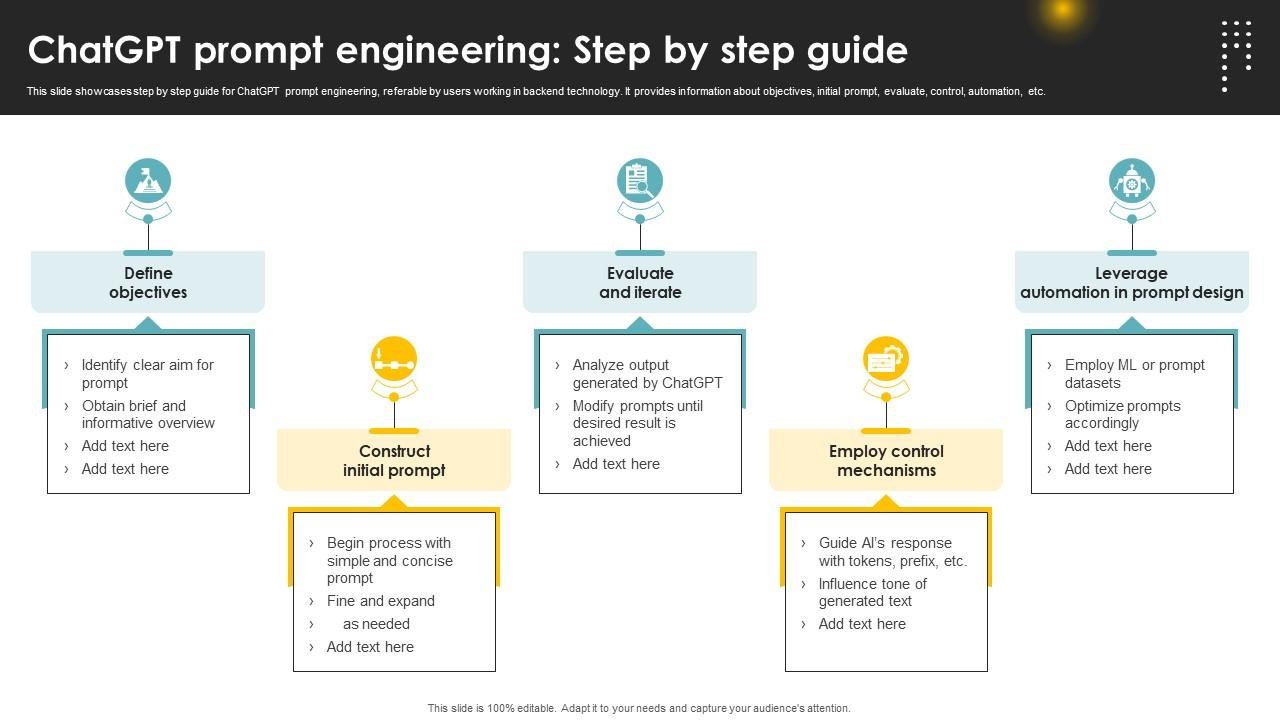
Strategic prompt engineering is different. This is the skill of asking smart, precise, and multi-step questions. You guide the AI to give you a high-quality, unique result. It’s the difference between a weak first draft and a strong final one.
This is a core generative AI skill to show. So on your resume, don’t just say:
Before: “Used ChatGPT for writing tasks.”That tells a boss nothing. Instead, show the result and the cost savings:
After: “Developed and refined multi-step prompt chains to produce a consistent brand voice for all marketing copy, reducing editing time by 40%.”
#2. AI-Assisted Content Creation & Editing
Staring at a blank page is hard. And even if you’re a good writer, editing your own work is slow.
This is where you use AI as a writing partner. It’s great for brainstorming ideas, writing first drafts, or summarizing long text. But the real skill is using it to edit. You can ask it to check your tone, improve clarity, or fix your style in seconds.
This is a perfect example of how to list ChatGPT on your resume. Your old resume line might be:
Before: “Wrote 5 blog posts per month.” This is fine, but it doesn’t show your new power. This does:
After: “Leveraged ChatGPT-4 to brainstorm and draft 10+ long-form SEO articles monthly; repurposed content into 50+ social media assets, increasing output by 120%.”
#3. Data Analysis & Summarization
You get a huge spreadsheet or hundreds of customer comments. It could take you all day just to find the important parts.
This is one of the most valuable ChatGPT skills. You can paste in raw data—like survey results, feedback, or even sales numbers. Then you ask the AI to find the trends, spot the problems, or just give you the key takeaways. It turns a wall of text into a simple answer.
#4. AI-Powered Research & Synthesis
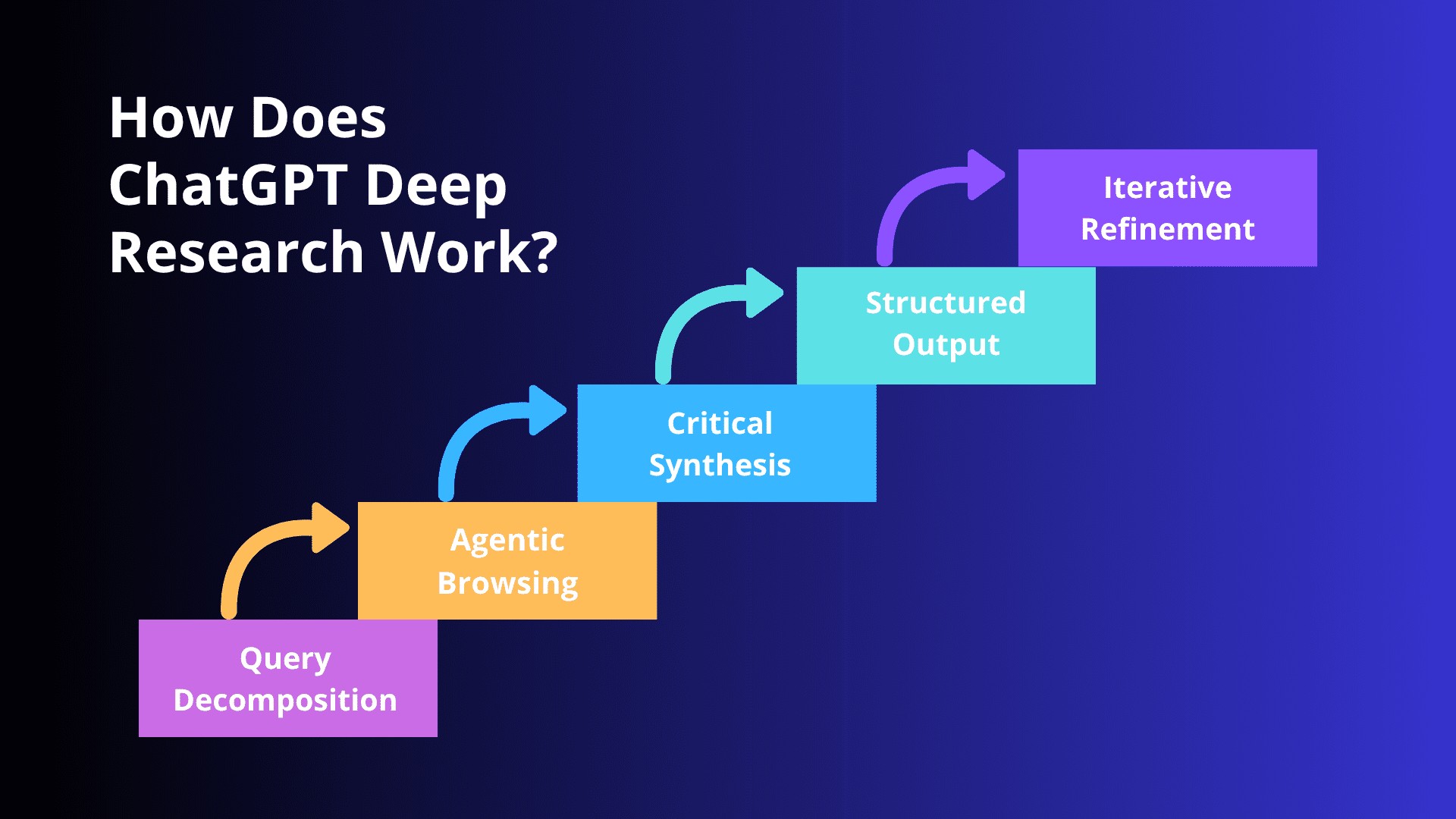
Good research used to take days. You had to read endless reports just to find one or two key facts. It was slow and painful.
Now, you can use AI to do this work in minutes. This is a key generative AI skill. You can ask it to summarize complex topics, perform market research, or create a full report on your competitors. It reads everything and gives you just the answers you need.
Your old resume bullet point probably looks like this:
Before: “Researched competitors.” That’s weak. It doesn’t show your new power. This is what you should write instead:
After: “Conducted AI-powered competitive analysis on 10+ market rivals, synthesizing their Q3 marketing strategies to inform our own successful Q4 campaign.”
#5. ATS & Resume Optimization
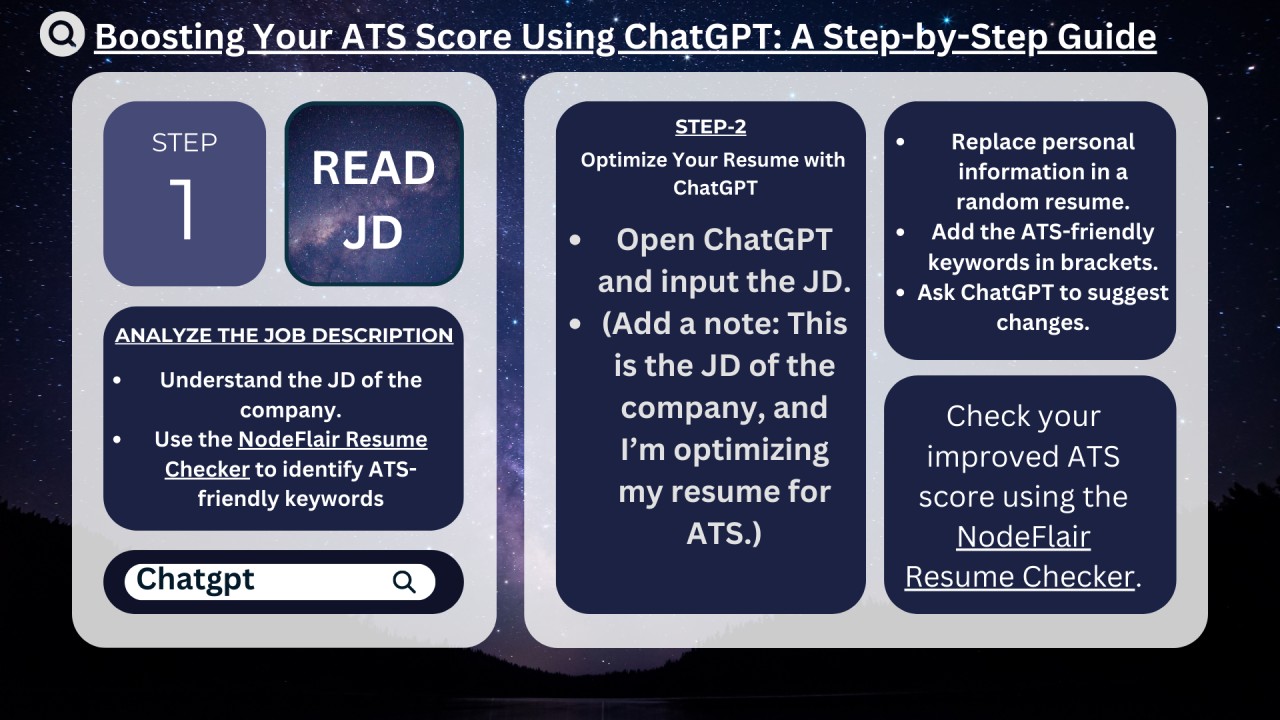
You send out 50 resumes and get zero replies. Why? Because your resume is probably being read by a robot, not a person.
This robot is called an ATS (Applicant Tracking System). It scans your resume for specific keywords from the job description. If you don’t have them, your resume goes straight to the trash.
This is where you use ChatGPT. You give it the job description and your resume. Then you ask it, “Rewrite my resume to match the keywords in this job.” This is how to list ChatGPT on your resume in a secret, powerful way. You’re not listing the tool, you’re listing the result.
#6. Basic Workflow Automation
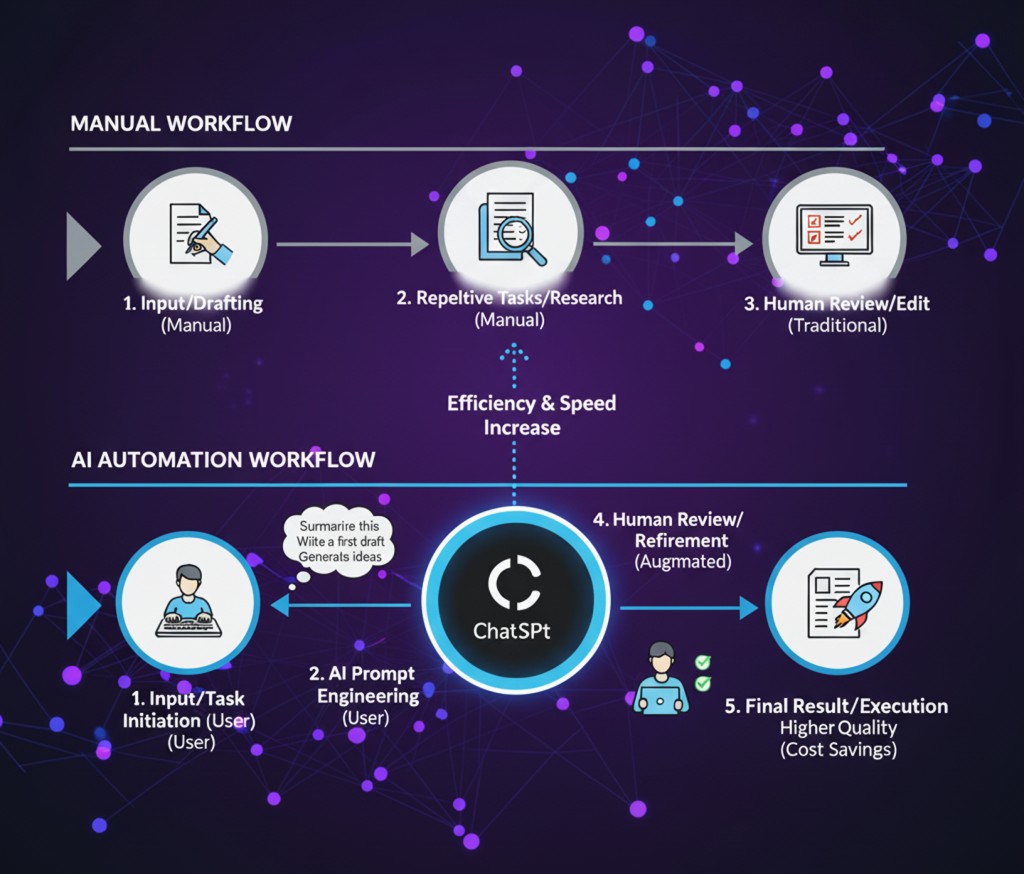
Are you stuck doing the same boring tasks every single day? Copying data from an email to a spreadsheet. Answering the same customer questions. It’s a huge waste of your time.
You don’t need to be a coder to fix this. Workflow automation is one of the most valuable ChatGPT skills. It just means you know how to connect ChatGPT to other apps you use, like Slack, Google Sheets, or your email.
You can use simple “no-code” tools like Zapier or Make to build a small “recipe.” For example: “When a new customer email arrives, send it to ChatGPT, find out if the customer is happy or angry, and add that to my spreadsheet.”
Your old resume just says:
Before: “Handled administrative tasks.” This is how you show you’re a problem-solver who saves the company money:
After: “Built a no-code automation (Zapier) that routed customer emails to ChatGPT for sentiment analysis and categorization, saving 5+ hours of manual admin work per week.”
#7. AI Ethics & Bias Detection
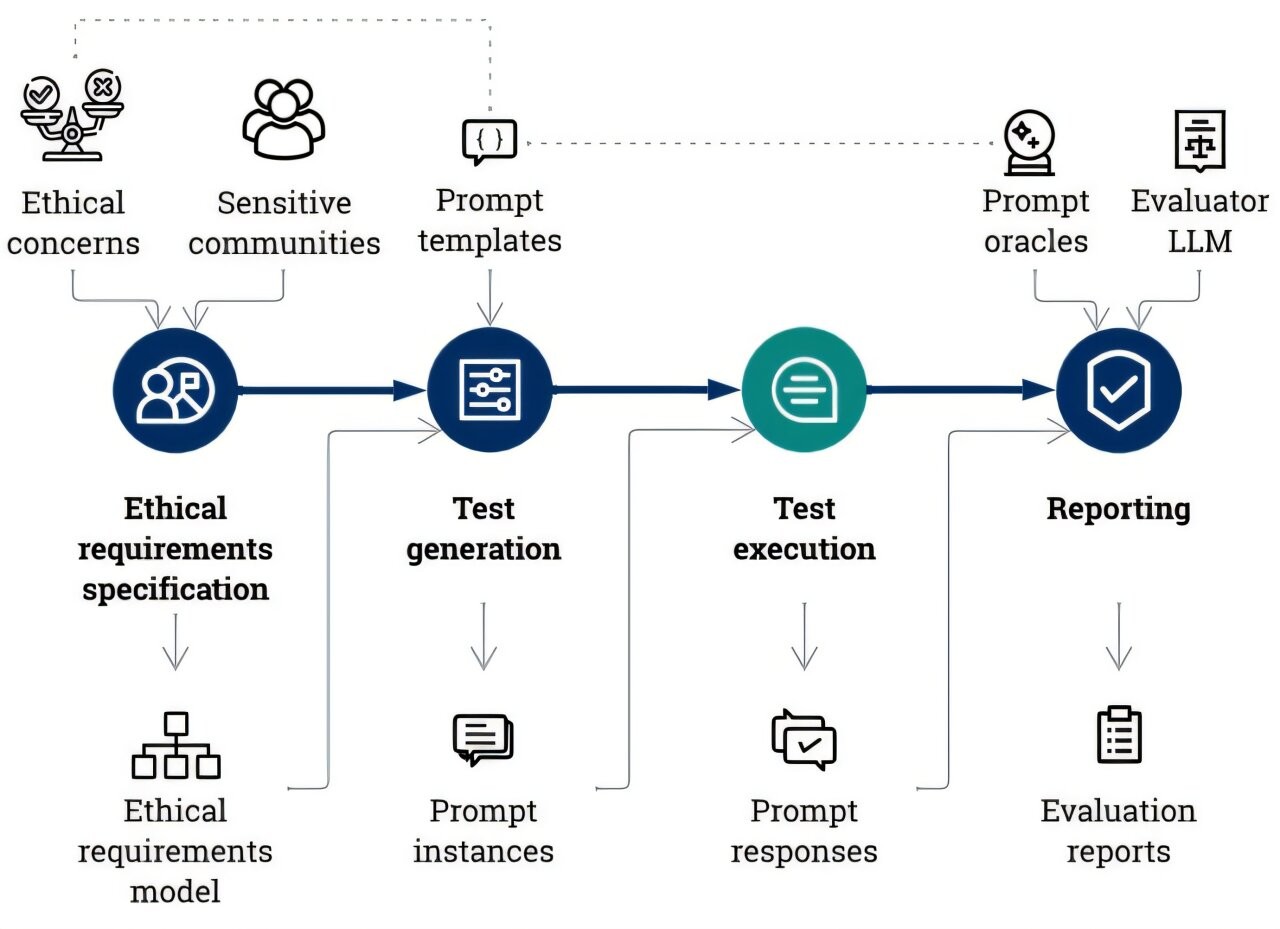
Here is a crucial skill. AI lies. It “hallucinates,” which is just a nice word for “making things up.”
It can also be biased. And you can’t just paste secret company data into a public tool. That is a massive data privacy risk. This AI ethics skill means you know the AI’s limits. You know not to trust it 100%. This is one of the most important generative AI skills because it shows you know how to protect the company.
Your old resume just says:
Before: “Fact-checked content.” This is weak. This new line shows you are a leader and you reduce risk:
After: “Implemented a 3-step verification process for all AI-generated data and content; trained junior staff on AI ethics, data privacy, and bias detection.”
#8. AI-Driven Brainstorming & Strategy
You know that feeling in a meeting when everyone is stuck? No new ideas. Or worse, you have a big plan but you are worried you’re missing a major flaw.
You can use AI as your strategy partner. Ask it for 30 “blue sky” concepts, even wild ones, just to spark a new idea. Or, you can ask it to “red team” your plan. That means you tell it: “Find every single weakness in this idea.” It’s a great way to find problems before they happen.
This is one of the top ChatGPT skills. Your old resume is passive:
Before: “Participated in strategy meetings.” This new one shows you lead and get real results:
After: “Led AI-assisted brainstorming sessions by prompting for 20+ campaign ideas and ‘red teaming’ the top three, leading to a final concept that beat projections by 15%.”
#9. AI-Assisted Task Management

A big project can feel overwhelming. You have a huge goal, like “launch a new product,” but no clear first step. It’s just a big, messy problem.
This is a perfect project management task for AI. You can feed AI the large goal. Then, you ask it to break that down into small, actionable steps. It can help you create a timeline, assign tasks, and even point out what could go wrong.
This is one of the easiest ChatGPT skills to show. Your old resume is boring:
Before: “Managed projects.” This new one is specific and shows you think like a planner:
After: “Used ChatGPT to deconstruct a 6-month product launch into a 90-day actionable sprint plan, identifying key dependencies and resource risks.”
#10. AI-Powered Coding & Debugging (for Non-Coders)
You do not need to be a coder for this. This skill is for marketers, analysts, or any non-technical person.
A tiny thing breaks on the website. The text is the wrong color. Or your Excel formula shows an #ERROR! You could wait two days for a busy developer to fix it. Or, you can paste the broken HTML, CSS, or formula into ChatGPT and say “Fix this.” This is a huge time and money saver.
This is one of the ChatGPT skills that will directly boost your salary. It shows a clear dollar-value saving. Don’t say:
Before: “Fixed website issues.” Say this. It shows you solve problems on your own.
After: “Independently debugged and fixed HTML/CSS errors on 15+ landing pages using AI-assisted code generation, saving an estimated $5,000 in developer costs.”
#11. Custom GPT & AI Agent Development
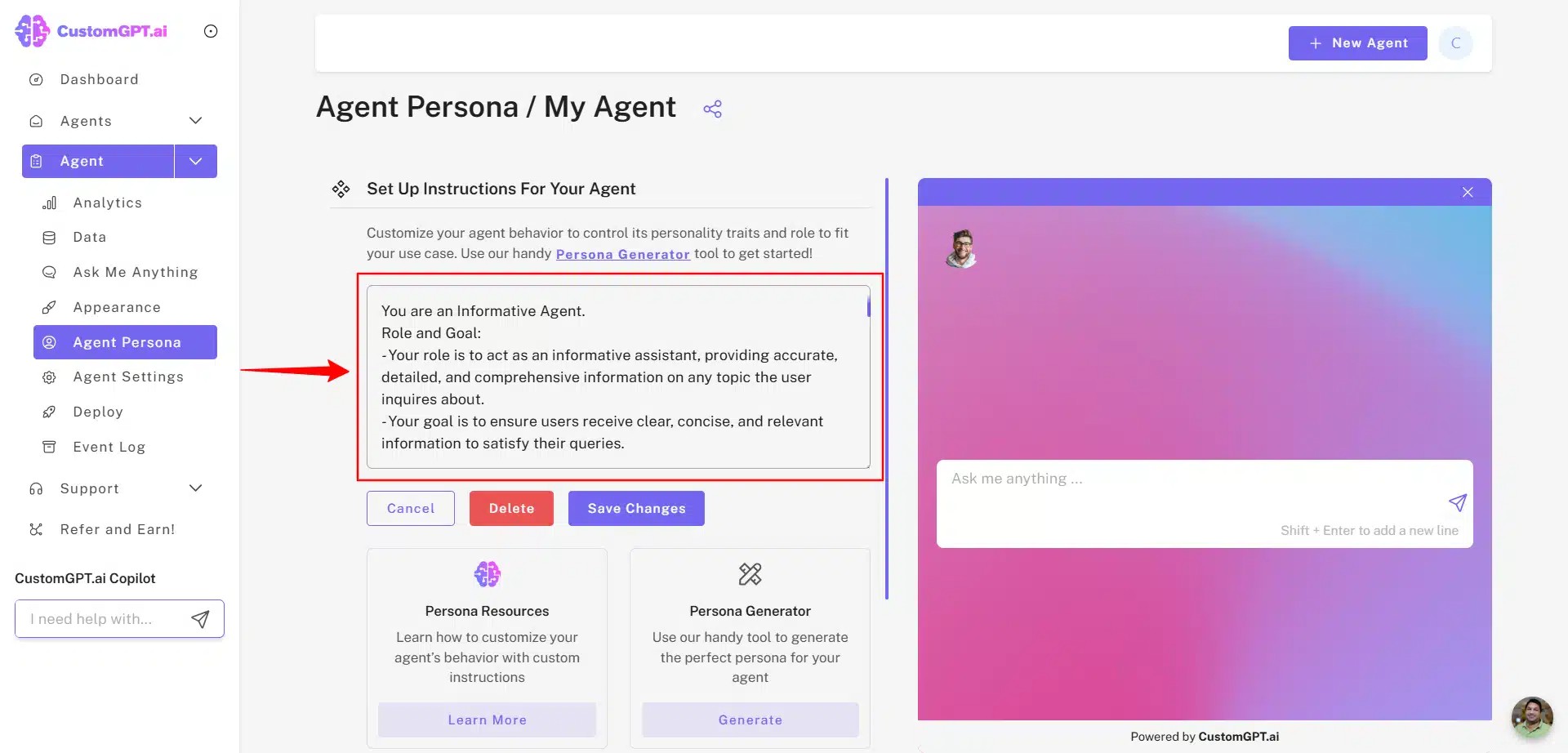
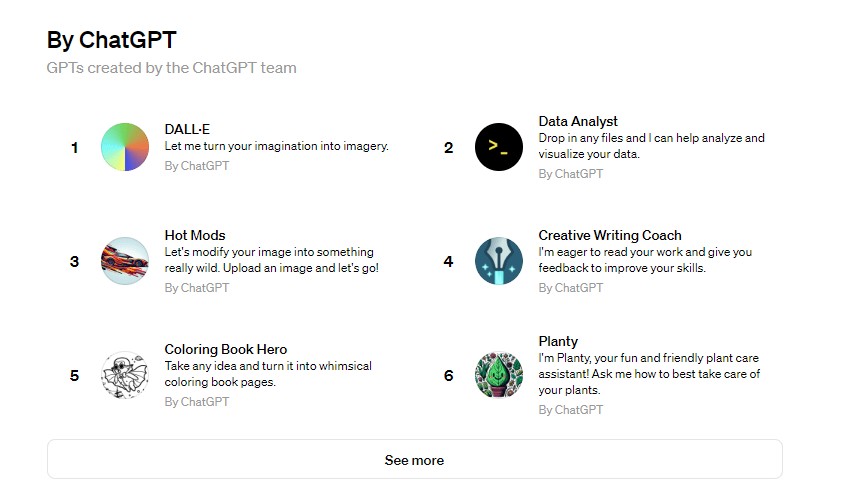
This is a next-level skill. The public ChatGPT is great, but it doesn’t know your company. It doesn’t know your brand’s tone of voice, your product details, or your internal sales scripts. So, you make your own.
You can create a Custom GPT by feeding it your company’s private documents. You upload the brand guide, the support manuals, or 50 case studies. Now your team has a private AI assistant that is an expert on your business.
How to List ChatGPT Skills on Your Resume (The Right Way)
You have these new skills, but you have a big problem. Where do you put them?
Your first thought is to add “ChatGPT” to the “Skills” list at the bottom of your resume. This is a mistake. It’s the fastest way to look like you don’t get it.
List the Outcome, Not the Tool
Stop thinking about “ChatGPT.” Think about what you did with it.
“ChatGPT” is just a tool, like “Microsoft Excel.” You would never put a bullet point that says, “Used Excel.” That tells a boss nothing. Instead, you’d say, “Created an Excel tracker that found $15,000 in missed sales.”
Use Powerful Verbs
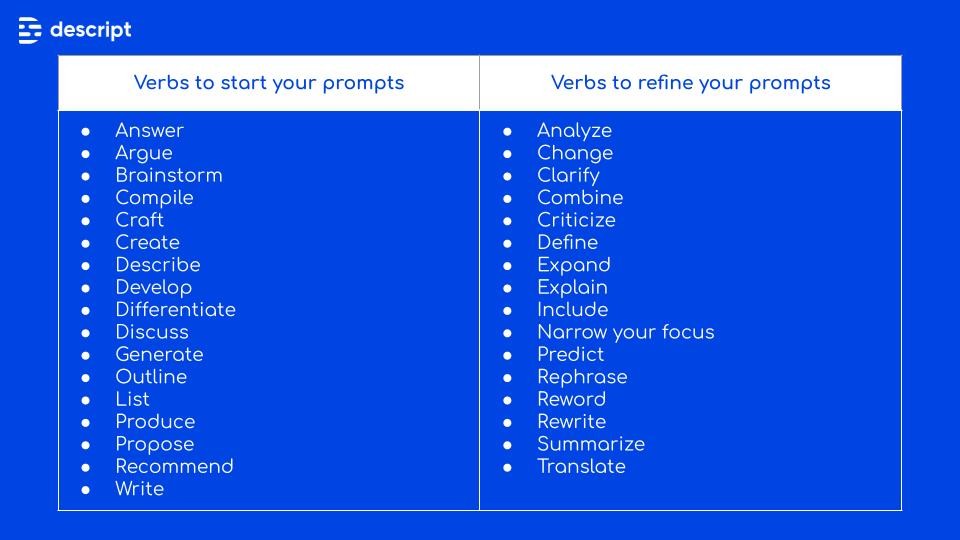
Don’t start your sentences with “Used ChatGPT…” That’s weak.
Start with a power verb that shows you achieved something. This makes you sound like a leader, not just a user.
i. Automated a weekly report.
ii. Developed a new brand voice.
iii. Optimized 50 job applications.
iv. Synthesized 1,000 customer reviews.
v. Scaled content output by 120%.
